
EPISODE · Oct 26, 2023 · 3 MIN
“What is Tachypnea and What Can it Indicate Prior to Dental Treatment?”
from Dr. Gallagher's Podcast · host Brendan Gallagher, DDS
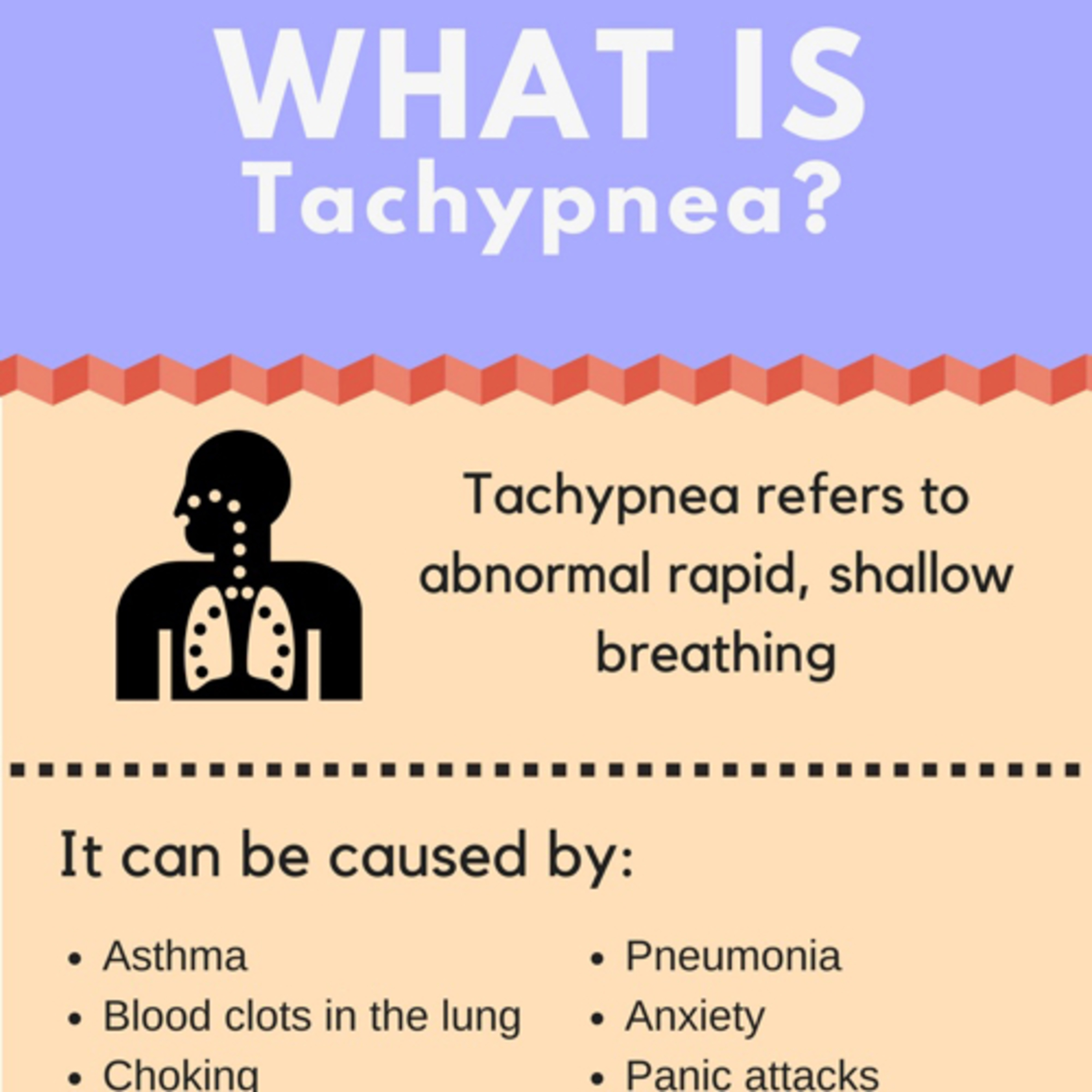
10.25.23 Quick Read #69 - #tachyonea #surgery #doctorgallagher #oralsurgery #oralsurgeon #dentist #dentistry #dental Tachypnea refers to an abnormally rapid breathing rate. In the context of dental surgery or an operation, the presence of tachypnea can have various implications: 1. **Anxiety or Stress**: It's common for patients to feel nervous or anxious before a procedure, leading to an increased respiratory rate. 2. **Underlying Medical Conditions**: Conditions such as heart failure, chronic obstructive pulmonary disease (COPD), asthma, and other pulmonary issues can lead to tachypnea. If a patient presents with rapid breathing, it's essential to know if they have any of these conditions as they may require special care or considerations during dental procedures. 3. **Respiratory Issues**: Tachypnea can also be a sign of respiratory distress or infection. For example, pneumonia, bronchitis, or other respiratory infections can result in rapid breathing. 4. **Pain**: Pain can increase the rate of respiration. If the patient is in pain before the procedure, it should be addressed. 5. **Metabolic Acidosis**: Conditions that result in metabolic acidosis, like diabetic ketoacidosis, can cause rapid breathing as the body attempts to blow off excess CO2. 6. **Medications and Drugs**: Some medications or recreational drugs can lead to increased respiratory rates. It's vital to take a thorough drug and medication history. 7. **Hypoxia**: Reduced oxygen levels in the blood, or hypoxia, can lead to tachypnea as the body tries to take in more oxygen. For a dental procedure, especially if sedation or general anesthesia is involved, it's crucial to understand the cause of the tachypnea. Respiratory complications can arise during sedation or anesthesia, so any pre-existing conditions or states that alter respiratory rate or function should be thoroughly evaluated and taken into consideration when planning the procedure. If there's any doubt about a patient's respiratory status, consultation with a physician might be necessary before proceeding with the surgery. References: 1. Miller, R. D., Eriksson, L. I., Fleisher, L., Wiener-Kronish, J. P., & Cohen, N. H. (2019). Miller’s Anesthesia (9th ed.). Elsevier. 2. Malamed, S. F. (2014). Handbook of local anesthesia (6th ed.). Elsevier. 3. American Dental Association. (2017). Guidelines for the use of sedation and general anesthesia by dentists. ADA. 4. Little, J. W., Falace, D. A., Miller, C. S., & Rhodus, N. L. (2012). Dental management of the medically compromised patient (8th ed.). Elsevier. 5. Kumar, V., Abbas, A. K., Aster, J. C., & Robbins, S. L. (2018). Robbins basic pathology (10th ed.). Elsevier. 6. National Heart, Lung, and Blood Institute. (2020). Asthma. NIH. 7. American Heart Association. (2019). Heart failure. AHA. 8. ChatGPT. 2023.
What this episode covers
10.25.23 Quick Read #69 - #tachyonea #surgery #doctorgallagher #oralsurgery #oralsurgeon #dentist #dentistry #dental Tachypnea refers to an abnormally rapid breathing rate. In the context of dental surgery or an operation, the presence of tachypnea can have various implications: 1. **Anxiety or Stress**: It's common for patients to feel nervous or anxious before a procedure, leading to an increased respiratory rate. 2. **Underlying Medical Conditions**: Conditions such as heart failure, chronic obstructive pulmonary disease (COPD), asthma, and other pulmonary issues can lead to tachypnea. If a patient presents with rapid breathing, it's essential to know if they have any of these conditions as they may require special care or considerations during dental procedures. 3. **Respiratory Issues**: Tachypnea can also be a sign of respiratory distress or infection. For example, pneumonia, bronchitis, or other respiratory infections can result in rapid breathing. 4. **Pain**: Pain can increase the rate of respiration. If the patient is in pain before the procedure, it should be addressed. 5. **Metabolic Acidosis**: Conditions that result in metabolic acidosis, like diabetic ketoacidosis, can cause rapid breathing as the body attempts to blow off excess CO2. 6. **Medications and Drugs**: Some medications or recreational drugs can lead to increased respiratory rates. It's vital to take a thorough drug and medication history. 7. **Hypoxia**: Reduced oxygen levels in the blood, or hypoxia, can lead to tachypnea as the body tries to take in more oxygen. For a dental procedure, especially if sedation or general anesthesia is involved, it's crucial to understand the cause of the tachypnea. Respiratory complications can arise during sedation or anesthesia, so any pre-existing conditions or states that alter respiratory rate or function should be thoroughly evaluated and taken into consideration when planning the procedure. If there's any doubt about a patient's respiratory status, consultation with a physician might be necessary before proceeding with the surgery. References: 1. Miller, R. D., Eriksson, L. I., Fleisher, L., Wiener-Kronish, J. P., & Cohen, N. H. (2019). Miller’s Anesthesia (9th ed.). Elsevier. 2. Malamed, S. F. (2014). Handbook of local anesthesia (6th ed.). Elsevier. 3. American Dental Association. (2017). Guidelines for the use of sedation and general anesthesia by dentists. ADA. 4. Little, J. W., Falace, D. A., Miller, C. S., & Rhodus, N. L. (2012). Dental management of the medically compromised patient (8th ed.). Elsevier. 5. Kumar, V., Abbas, A. K., Aster, J. C., & Robbins, S. L. (2018). Robbins basic pathology (10th ed.). Elsevier. 6. National Heart, Lung, and Blood Institute. (2020). Asthma. NIH. 7. American Heart Association. (2019). Heart failure. AHA. 8. ChatGPT. 2023.
NOW PLAYING
“What is Tachypnea and What Can it Indicate Prior to Dental Treatment?”
No transcript for this episode yet
Similar Episodes
Dec 5, 2025 ·50m
Oct 9, 2025 ·33m
Oct 3, 2025 ·40m
Sep 11, 2025 ·31m
Aug 27, 2025 ·39m
Aug 18, 2025 ·54m