
EPISODE · Jan 4, 2024 · 4 MIN
“What is the Alar Cinch Technique to Prevent Nasal Base Widening During Orthognathic Surgery?”
from Dr. Gallagher's Podcast · host Brendan Gallagher, DDS
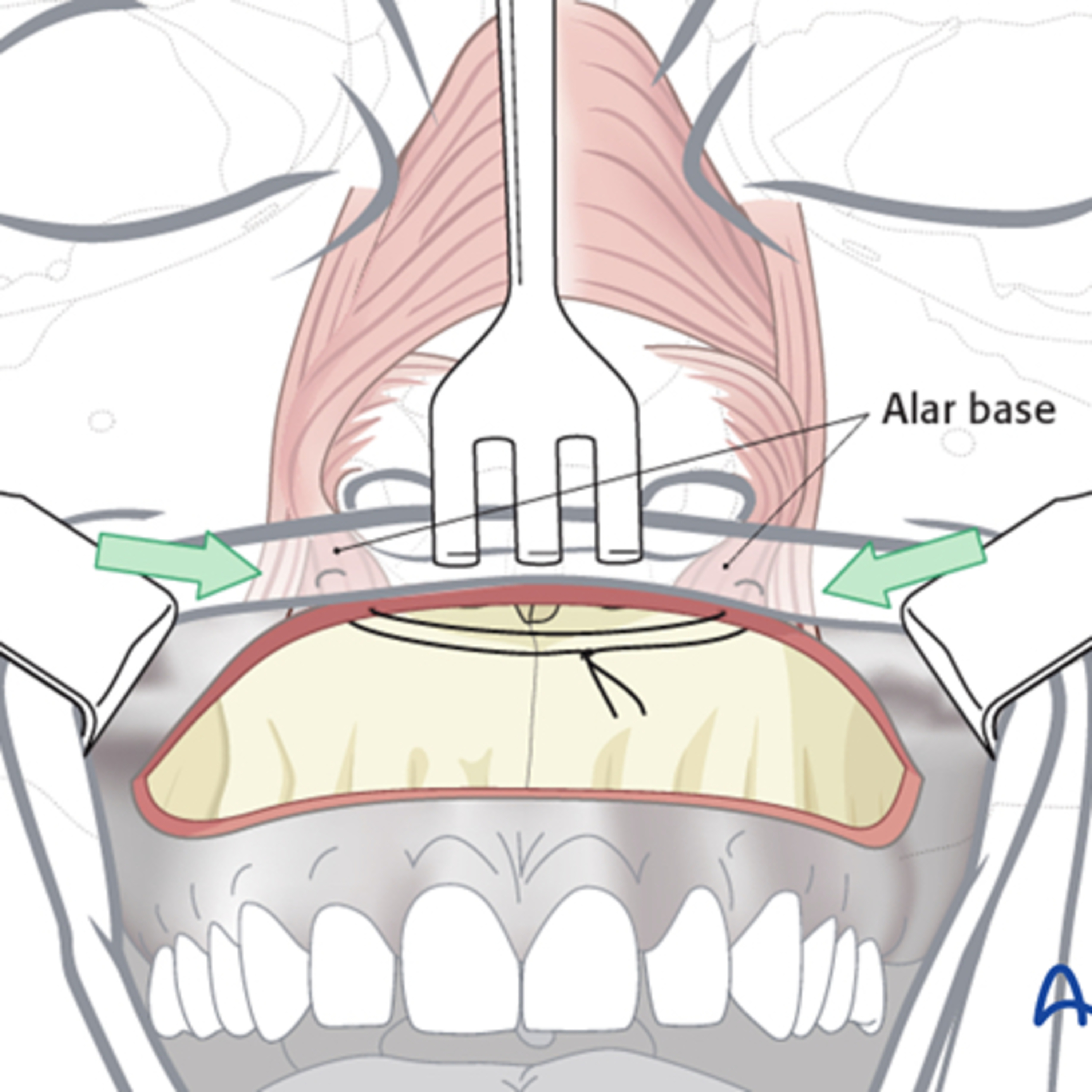
1.4.24 Quick Review #93 - #surgery #surgeon #doctorgallagher #oralsurgery #oralsurgeon #omfs #dentist #dentistry #dental It is crucial to be mindful of the nasal contour when planning surgery on the maxilla, or upper jaw. For example, maxillary advancements or impactions can widen the alar base and elevate the nasal tip. The “alar cinch suture technique” is a surgical procedure commonly used in orthognathic surgery, particularly during a Lefort 1 osteotomy. Its primary purpose is to prevent the widening of the nasal base that can occur as a result of maxillary surgery. 1. Key Anatomical Points: The surgeon identifies the alar base on each side of the nose. These are the points where the nose meets the cheek, and are crucial for the placement of the sutures. 2. Placement of Sutures: A suture is passed through these identified points at the alar base. The exact method of suture placement can vary, but typically, the suture is passed in a manner that encompasses the nasal soft tissue, ensuring it effectively cinches the base of the nose. 3. Adjustment of Nasal Width: Once the suture is in place, the surgeon carefully tightens it to achieve the desired nasal width. This step is crucial as it determines the final appearance of the nasal base post-surgery. 4. Securing the Suture: After adjusting the nasal width, the suture is securely tied. The goal is to maintain the new position of the alar base, preventing it from widening post-operatively. 5. Monitoring and Healing: Post-surgery, the patient's recovery and the results of the alar cinch suture are closely monitored. Proper healing and maintenance of the desired nasal width are key outcomes. The alar cinch suture technique is valued for its simplicity and effectiveness in controlling changes to the nasal base following maxillary surgery. It helps in preserving the preoperative aesthetic appearance of the nose, which can be significantly impacted by changes in the maxillary structure. References: 1. Rauso, R., Tartaro, G., Nicoletti, G. F., Fragola, R., Lo Giudice, G., & Santagata, M. (2022). Alar cinch sutures in orthognathic surgery: scoping review and proposal of a classification. International Journal of Oral and Maxillofacial Surgery, 51(5), 643-650. 2. Miloro, M., Ghali, G. E., Larsen, P. E., & Waite, P. (Eds.). (2022). Peterson’s Principles of Oral and Maxillofacial Surgery (4th ed.). Springer. 3. AO Foundation. (n.d.). AO Surgery Reference. Retrieved from https://surgeryreference.aofoundation.org/ 4. ChatGPT. 2024.
What this episode covers
1.4.24 Quick Review #93 - #surgery #surgeon #doctorgallagher #oralsurgery #oralsurgeon #omfs #dentist #dentistry #dental It is crucial to be mindful of the nasal contour when planning surgery on the maxilla, or upper jaw. For example, maxillary advancements or impactions can widen the alar base and elevate the nasal tip. The “alar cinch suture technique” is a surgical procedure commonly used in orthognathic surgery, particularly during a Lefort 1 osteotomy. Its primary purpose is to prevent the widening of the nasal base that can occur as a result of maxillary surgery. 1. Key Anatomical Points: The surgeon identifies the alar base on each side of the nose. These are the points where the nose meets the cheek, and are crucial for the placement of the sutures. 2. Placement of Sutures: A suture is passed through these identified points at the alar base. The exact method of suture placement can vary, but typically, the suture is passed in a manner that encompasses the nasal soft tissue, ensuring it effectively cinches the base of the nose. 3. Adjustment of Nasal Width: Once the suture is in place, the surgeon carefully tightens it to achieve the desired nasal width. This step is crucial as it determines the final appearance of the nasal base post-surgery. 4. Securing the Suture: After adjusting the nasal width, the suture is securely tied. The goal is to maintain the new position of the alar base, preventing it from widening post-operatively. 5. Monitoring and Healing: Post-surgery, the patient's recovery and the results of the alar cinch suture are closely monitored. Proper healing and maintenance of the desired nasal width are key outcomes. The alar cinch suture technique is valued for its simplicity and effectiveness in controlling changes to the nasal base following maxillary surgery. It helps in preserving the preoperative aesthetic appearance of the nose, which can be significantly impacted by changes in the maxillary structure. References: 1. Rauso, R., Tartaro, G., Nicoletti, G. F., Fragola, R., Lo Giudice, G., & Santagata, M. (2022). Alar cinch sutures in orthognathic surgery: scoping review and proposal of a classification. International Journal of Oral and Maxillofacial Surgery, 51(5), 643-650. 2. Miloro, M., Ghali, G. E., Larsen, P. E., & Waite, P. (Eds.). (2022). Peterson’s Principles of Oral and Maxillofacial Surgery (4th ed.). Springer. 3. AO Foundation. (n.d.). AO Surgery Reference. Retrieved from https://surgeryreference.aofoundation.org/ 4. ChatGPT. 2024.
NOW PLAYING
“What is the Alar Cinch Technique to Prevent Nasal Base Widening During Orthognathic Surgery?”
No transcript for this episode yet
Similar Episodes
Dec 5, 2025 ·50m
Oct 9, 2025 ·33m
Oct 3, 2025 ·40m
Sep 11, 2025 ·31m
Aug 27, 2025 ·39m
Aug 18, 2025 ·54m