
EPISODE · Jul 20, 2024 · 5 MIN
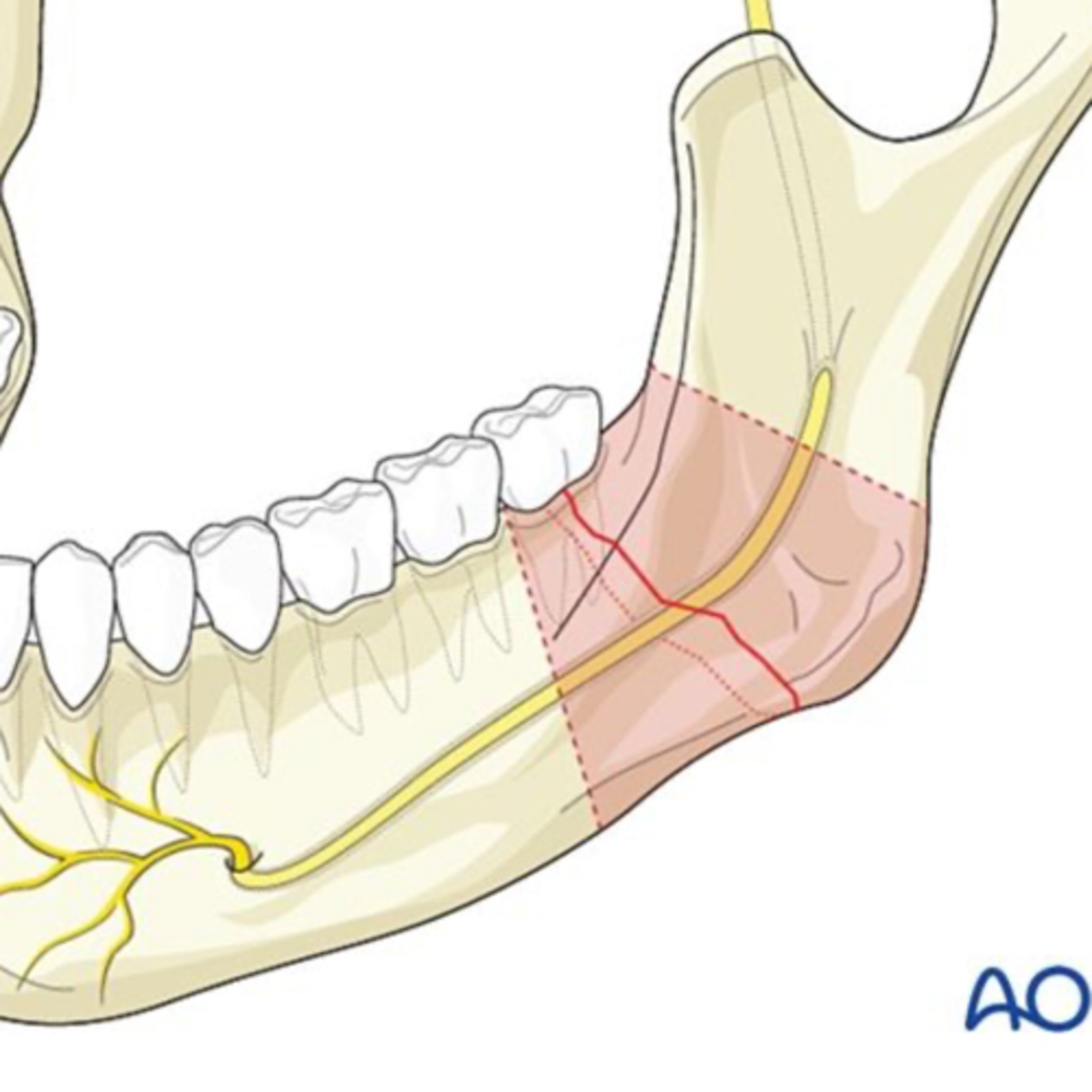
“What is the Incidence of Paresthesia after Mandible Fractures of Different Patterns?”
from Dr. Gallagher's Podcast · host Brendan Gallagher, DDS
7.20.24 Quick Review #184 - #surgery #surgeon #doctorgallagher #oralsurgery #oralsurgeon #omfs #dentist #dentistry #dental #paresthesia #mandible #fracture The overall incidence of paresthesia after mandibular fractures varies depending on the fracture pattern and location. 1. Angle Fractures: These fractures often involve the inferior alveolar nerve, leading to higher rates of paresthesia. Incidence rates can be as high as 60-80% immediately post-injury but may decrease over time with proper management and healing. 2. Body Fractures: These fractures also have a significant incidence of paresthesia due to the involvement of the inferior alveolar nerve. Incidence rates for paresthesia in body fractures range from 40-60%. 3. Symphysis and Parasymphysis Fractures: These types of fractures generally have lower incidence rates of paresthesia compared to angle and body fractures, often ranging from 10-20%. However, the exact rates can vary depending on the extent and specific location of the fracture. 4. Condylar Fractures: These fractures typically have the lowest incidence of paresthesia since they are farther from the inferior alveolar nerve. Incidence rates are generally less than 10%. 5. Coronoid Fractures: These are rare and usually do not involve significant nerve injury, so the incidence of paresthesia is minimal. References: 1. Ellis, E. III, & Schubert, W. (n.d.). Unilateral angle fracture. In AO Surgery Reference. Retrieved July 20, 2024, from https://lnkd.in/eQekzDjB 2. Ellis, E., & Muniz, O. (2022). Mandibular Fractures. In M. Miloro, G. E. Ghali, P. E. Larsen, & P. Waite (Eds.), Peterson’s Principles of Oral and Maxillofacial Surgery (4th ed.). Springer. 3. Alpert, B., & Tiwana, P. (2012). Mandibular Angle Fractures and Associated Nerve Injury. Journal of Oral and Maxillofacial Surgery, 70(11), 2768-2772. https://lnkd.in/eRfQqJiH 4. Zide, M. F., & Kent, J. N. (1983). Indications for Open Reduction of Mandibular Condyle Fractures. Journal of Oral and Maxillofacial Surgery, 41(2), 89-98. https://lnkd.in/eb3N6qnc 5. ChatGPT. 2024. - #podcast #podcasts #dentalpodcast #dentalpodcasts #doctorgallagherpodcast #doctorgallagherspodcast #doctor #dentistry #oralsurgery #dental #viral #dentalschool #dentalstudent #omfs #surgeon #doctorlife #dentistlife #residency #oralsurgeon #dentist #doctorgallagher
What this episode covers
7.20.24 Quick Review #184 - #surgery #surgeon #doctorgallagher #oralsurgery #oralsurgeon #omfs #dentist #dentistry #dental #paresthesia #mandible #fracture The overall incidence of paresthesia after mandibular fractures varies depending on the fracture pattern and location. 1. Angle Fractures: These fractures often involve the inferior alveolar nerve, leading to higher rates of paresthesia. Incidence rates can be as high as 60-80% immediately post-injury but may decrease over time with proper management and healing. 2. Body Fractures: These fractures also have a significant incidence of paresthesia due to the involvement of the inferior alveolar nerve. Incidence rates for paresthesia in body fractures range from 40-60%. 3. Symphysis and Parasymphysis Fractures: These types of fractures generally have lower incidence rates of paresthesia compared to angle and body fractures, often ranging from 10-20%. However, the exact rates can vary depending on the extent and specific location of the fracture. 4. Condylar Fractures: These fractures typically have the lowest incidence of paresthesia since they are farther from the inferior alveolar nerve. Incidence rates are generally less than 10%. 5. Coronoid Fractures: These are rare and usually do not involve significant nerve injury, so the incidence of paresthesia is minimal. References: 1. Ellis, E. III, & Schubert, W. (n.d.). Unilateral angle fracture. In AO Surgery Reference. Retrieved July 20, 2024, from https://lnkd.in/eQekzDjB 2. Ellis, E., & Muniz, O. (2022). Mandibular Fractures. In M. Miloro, G. E. Ghali, P. E. Larsen, & P. Waite (Eds.), Peterson’s Principles of Oral and Maxillofacial Surgery (4th ed.). Springer. 3. Alpert, B., & Tiwana, P. (2012). Mandibular Angle Fractures and Associated Nerve Injury. Journal of Oral and Maxillofacial Surgery, 70(11), 2768-2772. https://lnkd.in/eRfQqJiH 4. Zide, M. F., & Kent, J. N. (1983). Indications for Open Reduction of Mandibular Condyle Fractures. Journal of Oral and Maxillofacial Surgery, 41(2), 89-98. https://lnkd.in/eb3N6qnc 5. ChatGPT. 2024. - #podcast #podcasts #dentalpodcast #dentalpodcasts #doctorgallagherpodcast #doctorgallagherspodcast #doctor #dentistry #oralsurgery #dental #viral #dentalschool #dentalstudent #omfs #surgeon #doctorlife #dentistlife #residency #oralsurgeon #dentist #doctorgallagher
NOW PLAYING
“What is the Incidence of Paresthesia after Mandible Fractures of Different Patterns?”
No transcript for this episode yet
Similar Episodes
Dec 5, 2025 ·50m
Oct 9, 2025 ·33m
Oct 3, 2025 ·40m
Sep 11, 2025 ·31m
Aug 27, 2025 ·39m
Aug 18, 2025 ·54m