
EPISODE · Oct 27, 2024 · 6 MIN
📝 “What Ketamine Reactions & Behaviors Might Pediatric Patients Have Under IV Sedation?”
from Dr. Gallagher's Podcast · host Brendan Gallagher, DDS
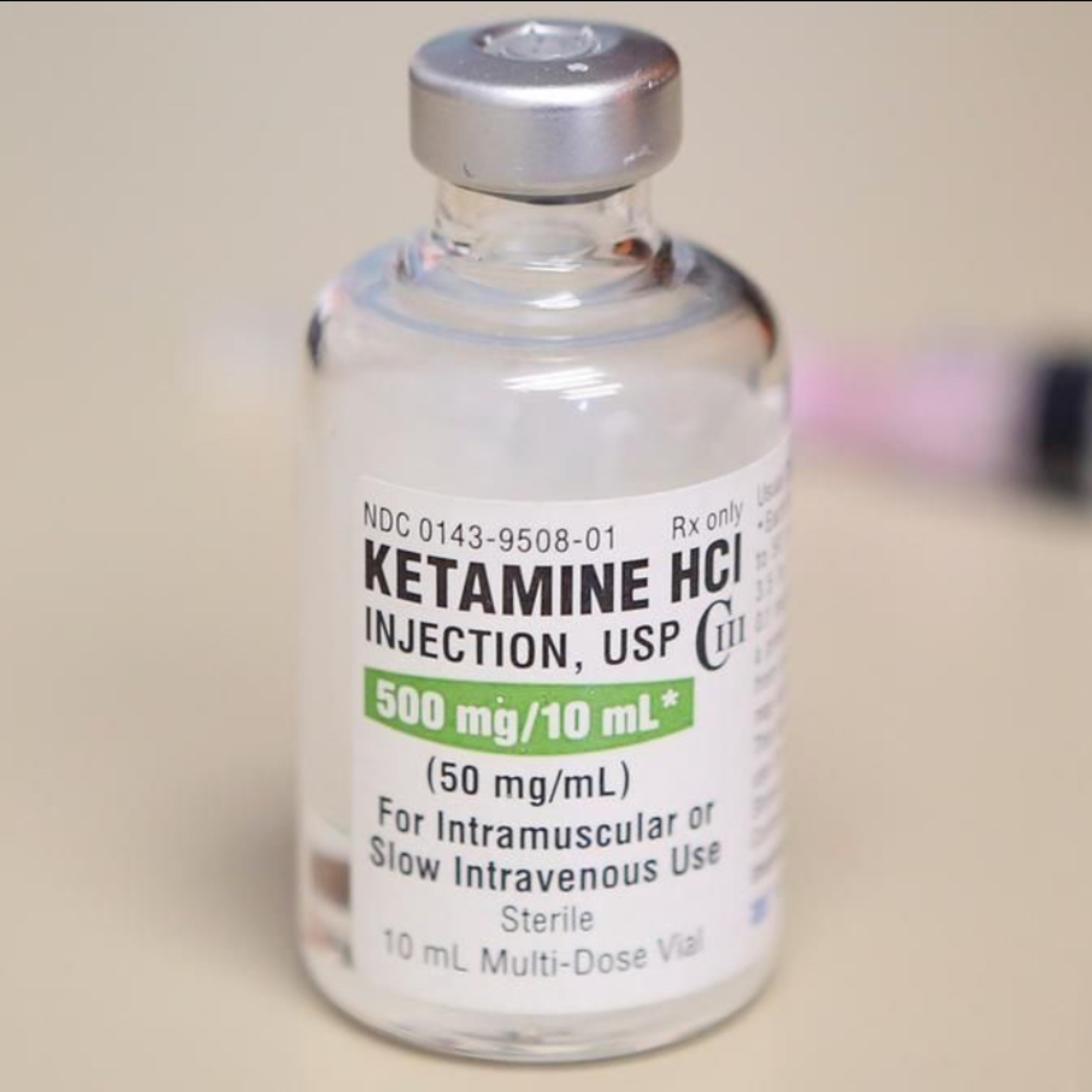
- 10.27.24 Quick Review #249 - #sedation #ketamine #dental #dentist #dentistry #dentalstudent #dentalschool #teeth #cavity #wisdomteeth #extraction #oralsurgery #oralsurgeon #implant #implants #dentalimplant #dentalimplants #IVS Pediatric patients may exhibit a variety of reactions and behaviors under IV sedation with ketamine, as it affects both sensory and perception pathways due to its dissociative properties. 1. Dissociative State: Ketamine can induce a trance-like state where patients may appear awake but are not fully aware of their surroundings. This effect is beneficial for sedation but can sometimes be disorienting or unsettling for pediatric patients.2. Emergence Reactions: Upon recovery from ketamine sedation, pediatric patients may experience vivid dreams or hallucinations. These reactions, often termed “emergence phenomena,” may cause anxiety, agitation, or even mild aggression in some children.3. Increased Secretions: Ketamine often stimulates salivary and respiratory secretions, which might lead to discomfort or coughing. Premedication with an anticholinergic, like glycopyrrolate, is sometimes used to manage this effect.4. Tachycardia and Hypertension: While generally well-tolerated, ketamine can cause transient increases in heart rate and blood pressure. This reaction is typically minor but is monitored closely, especially in children with cardiovascular concerns.5. Nystagmus: Ketamine may cause nystagmus (involuntary eye movements), which is not harmful but can appear unusual to observers.6. Preservation of Reflexes: Unlike other sedatives, ketamine maintains airway reflexes, making it safer in terms of airway management. However, this can sometimes lead to slight movements or vocalizations.Overall, ketamine is considered a reliable choice for pediatric IV sedation due to its strong sedative and analgesic properties. Monitoring and preparation for potential emergence reactions and managing increased secretions help optimize patient experience. For a thorough review on ketamine’s pediatric use, consult literature on pediatric anesthesiology and sedation protocols.References:1. Abbany, Z. (2023, December 20). Ketamine: Anesthetic, anti-depressant or party drug? DW.2. Green, S. M., Roback, M. G., Krauss, B., Brown, L., McGlone, R. G., & Agrawal, D. (2009). Ketamine sedation for pediatric procedures: Part 1, a prospective series. Annals of Emergency Medicine, 54(2), 171-179. doi:10.1016/j.annemergmed.2009.01.0303. Tobias, J. D. (2016). Ketamine: Applications in pediatric critical care and pediatric anesthesia. Paediatric Anaesthesia, 26(3), 222-233. doi:10.1111/pan.128094. Herd, D. W., Anderson, B. J., Keene, N. A., & Holford, N. H. (2008). Investigating the pharmacodynamics of ketamine in children. Paediatric Anaesthesia, 18(1), 36-42. doi:10.1111/j.1460-9592.2007.02392.5. ChatGPT.2024.#podcast #podcasts #dentalpodcast #dentalpodcasts #doctorgallagherpodcast #doctorgallagherspodcast #doctor #dentistry #oralsurgery #dental #viral #dentalschool #dentalstudent #omfs #surgeon #doctorlife #dentistlife #residency #oralsurgeon #dentist #doctorgallagher
What this episode covers
- 10.27.24 Quick Review #249 - #sedation #ketamine #dental #dentist #dentistry #dentalstudent #dentalschool #teeth #cavity #wisdomteeth #extraction #oralsurgery #oralsurgeon #implant #implants #dentalimplant #dentalimplants #IVS Pediatric patients may exhibit a variety of reactions and behaviors under IV sedation with ketamine, as it affects both sensory and perception pathways due to its dissociative properties. 1. Dissociative State: Ketamine can induce a trance-like state where patients may appear awake but are not fully aware of their surroundings. This effect is beneficial for sedation but can sometimes be disorienting or unsettling for pediatric patients.2. Emergence Reactions: Upon recovery from ketamine sedation, pediatric patients may experience vivid dreams or hallucinations. These reactions, often termed “emergence phenomena,” may cause anxiety, agitation, or even mild aggression in some children.3. Increased Secretions: Ketamine often stimulates salivary and respiratory secretions, which might lead to discomfort or coughing. Premedication with an anticholinergic, like glycopyrrolate, is sometimes used to manage this effect.4. Tachycardia and Hypertension: While generally well-tolerated, ketamine can cause transient increases in heart rate and blood pressure. This reaction is typically minor but is monitored closely, especially in children with cardiovascular concerns.5. Nystagmus: Ketamine may cause nystagmus (involuntary eye movements), which is not harmful but can appear unusual to observers.6. Preservation of Reflexes: Unlike other sedatives, ketamine maintains airway reflexes, making it safer in terms of airway management. However, this can sometimes lead to slight movements or vocalizations.Overall, ketamine is considered a reliable choice for pediatric IV sedation due to its strong sedative and analgesic properties. Monitoring and preparation for potential emergence reactions and managing increased secretions help optimize patient experience. For a thorough review on ketamine’s pediatric use, consult literature on pediatric anesthesiology and sedation protocols.References:1. Abbany, Z. (2023, December 20). Ketamine: Anesthetic, anti-depressant or party drug? DW.2. Green, S. M., Roback, M. G., Krauss, B., Brown, L., McGlone, R. G., & Agrawal, D. (2009). Ketamine sedation for pediatric procedures: Part 1, a prospective series. Annals of Emergency Medicine, 54(2), 171-179. doi:10.1016/j.annemergmed.2009.01.0303. Tobias, J. D. (2016). Ketamine: Applications in pediatric critical care and pediatric anesthesia. Paediatric Anaesthesia, 26(3), 222-233. doi:10.1111/pan.128094. Herd, D. W., Anderson, B. J., Keene, N. A., & Holford, N. H. (2008). Investigating the pharmacodynamics of ketamine in children. Paediatric Anaesthesia, 18(1), 36-42. doi:10.1111/j.1460-9592.2007.02392.5. ChatGPT.2024.#podcast #podcasts #dentalpodcast #dentalpodcasts #doctorgallagherpodcast #doctorgallagherspodcast #doctor #dentistry #oralsurgery #dental #viral #dentalschool #dentalstudent #omfs #surgeon #doctorlife #dentistlife #residency #oralsurgeon #dentist #doctorgallagher
NOW PLAYING
📝 “What Ketamine Reactions & Behaviors Might Pediatric Patients Have Under IV Sedation?”
No transcript for this episode yet
Similar Episodes
Dec 5, 2025 ·50m
Oct 9, 2025 ·33m
Oct 3, 2025 ·40m
Sep 11, 2025 ·31m
Aug 27, 2025 ·39m
Aug 18, 2025 ·54m