PodParley PodParley

What would be achieved by recognising a Palestinian state?

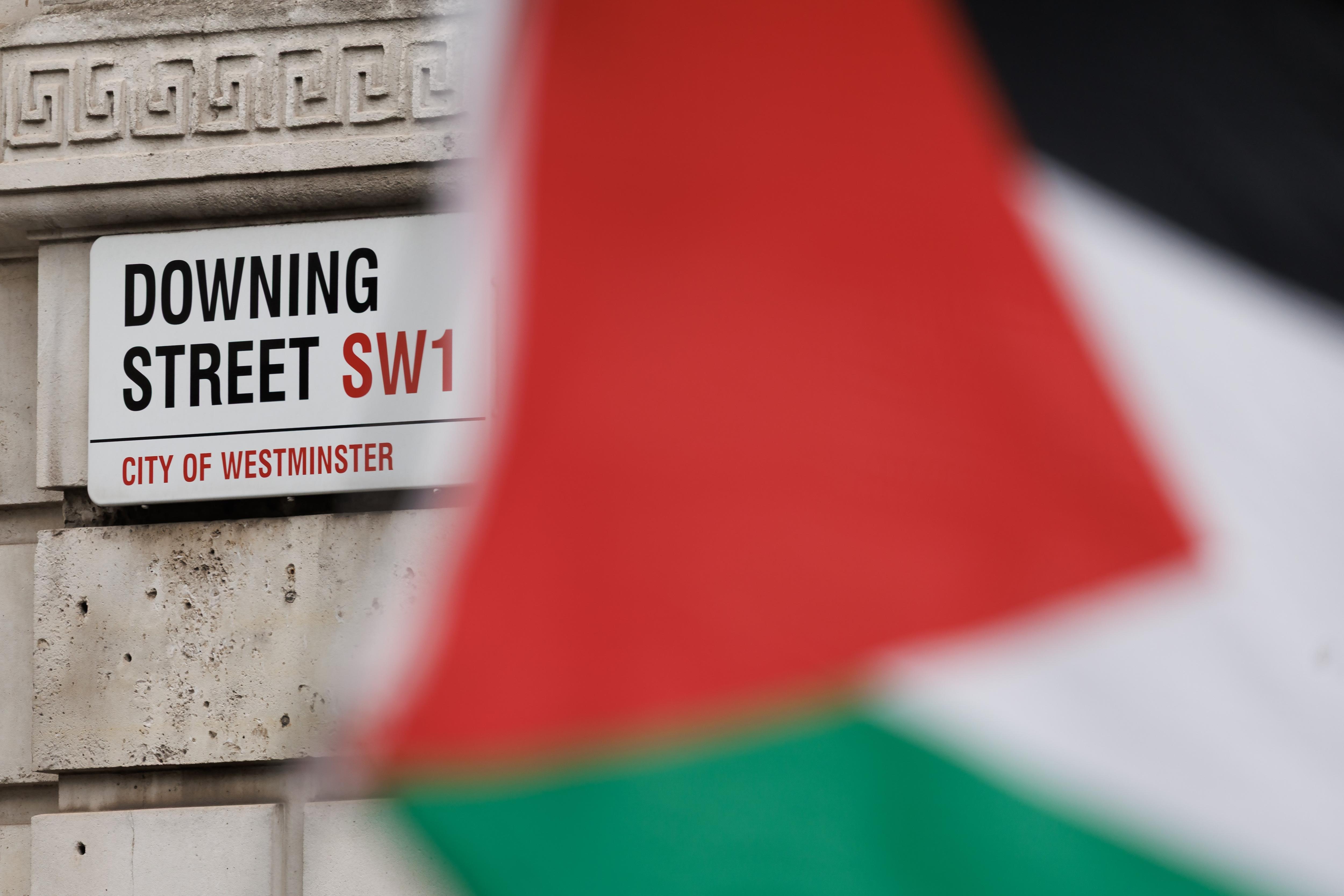
On 24 July, French President Emmanuel Macron announced his intention to recognise a Palestinian state at the UN General Assembly in September, as part of France’s “historical commitment to a just and durable peace in the Middle East”. Just five days later, UK Prime Minister Keir announced that the UK, too, will recognise a Palestinian state in September: “unless the Israeli government takes substantive steps to end the appalling situation in Gaza and commits to a long term sustainable peace, including through allowing the UN to restart without delay the supply of humanitarian support to the people of Gaza to end starvation, agreeing to a ceasefire, and making clear there will be no annexations in the West Bank.” These announcements come at a pivotal moment. The humanitarian crisis in Gaza is worsening by the day, with the UNRWA Commissioner-General, Philippe Lazzarini, reporting that one in five children are malnourished and more than 100 people have died from starvation. Meanwhile, negotiations between Israel and Hamas that would see hostages returned and a durable ceasefire reached have broken down and there is little prospect of them resuming. It is important to note that, whereas in the past the prospect of recognition of a Palestinian state has been used as a way of getting representatives of the Palestinian Authority to meet certain conditions, here the threat recognition is being used to pressure Israel into abandoning its own intransigence. Even among those who are committed to a two-state solution, however, there remains some doubt as to whether recognition would materially change anything for Palestinians, at least in the short term. So what would be the point of bringing recognition forward in the peace process?

An episode of the The Minefield podcast, hosted by Australian Broadcasting Corporation, titled "What would be achieved by recognising a Palestinian state?" was published on July 30, 2025 and runs 55 minutes.

July 30, 2025 ·55m · The Minefield

0:00 / 0:00

On 24 July, French President Emmanuel Macron announced his intention to recognise a Palestinian state at the UN General Assembly in September, as part of France’s “historical commitment to a just and durable peace in the Middle East”. Just five days later, UK Prime Minister Keir announced that the UK, too, will recognise a Palestinian state in September: “unless the Israeli government takes substantive steps to end the appalling situation in Gaza and commits to a long term sustainable peace, including through allowing the UN to restart without delay the supply of humanitarian support to the people of Gaza to end starvation, agreeing to a ceasefire, and making clear there will be no annexations in the West Bank.” These announcements come at a pivotal moment. The humanitarian crisis in Gaza is worsening by the day, with the UNRWA Commissioner-General, Philippe Lazzarini, reporting that one in five children are malnourished and more than 100 people have died from starvation. Meanwhile, negotiations between Israel and Hamas that would see hostages returned and a durable ceasefire reached have broken down and there is little prospect of them resuming. It is important to note that, whereas in the past the prospect of recognition of a Palestinian state has been used as a way of getting representatives of the Palestinian Authority to meet certain conditions, here the threat recognition is being used to pressure Israel into abandoning its own intransigence. Even among those who are committed to a two-state solution, however, there remains some doubt as to whether recognition would materially change anything for Palestinians, at least in the short term. So what would be the point of bringing recognition forward in the peace process?

On 24 July, French President Emmanuel Macron announced his intention to recognise a Palestinian state at the UN General Assembly in September, as part of France’s “historical commitment to a just and durable peace in the Middle East”. Just five days later, UK Prime Minister Keir announced that the UK, too, will recognise a Palestinian state in September:

“unless the Israeli government takes substantive steps to end the appalling situation in Gaza and commits to a long term sustainable peace, including through allowing the UN to restart without delay the supply of humanitarian support to the people of Gaza to end starvation, agreeing to a ceasefire, and making clear there will be no annexations in the West Bank.”

These announcements come at a pivotal moment. The humanitarian crisis in Gaza is worsening by the day, with the UNRWA Commissioner-General, Philippe Lazzarini, reporting that one in five children are malnourished and more than 100 people have died from starvation. Meanwhile, negotiations between Israel and Hamas that would see hostages returned and a durable ceasefire reached have broken down and there is little prospect of them resuming.

It is important to note that, whereas in the past the prospect of recognition of a Palestinian state has been used as a way of getting representatives of the Palestinian Authority to meet certain conditions, here the threat recognition is being used to pressure Israel into abandoning its own intransigence.

Even among those who are committed to a two-state solution, however, there remains some doubt as to whether recognition would materially change anything for Palestinians, at least in the short term. So what would be the point of bringing recognition forward in the peace process?

Chapter 21

Apr 13, 2026 ·17m

Chapter 22

Apr 13, 2026 ·23m

Chapter 23

Apr 13, 2026 ·22m

Chapter 24

Apr 13, 2026 ·18m

Chapter 25

Apr 13, 2026 ·27m

Chaper 26

Apr 13, 2026 ·17m

The Communication Paradox Dave Harries / Angela Jones Angela Jones and Dave Harries share their journey exploring the communication paradox - the tension between perfection and authenticity in business communications. Follow their insights and discoveries, as they discuss the communication paradox, interview expert guests and travel through the minefield of communications learning lots and (hopefully) growing a little along the way. The Late Shift The Late Shift Four unlikely friends embark on a creative endeavour that could only be spawned by narcissism, delusion, and an absence of any voice of reason. Marvel as they delve into the secrets of history, tread lightly through the minefield of conspiracy theories, and ruthlessly smother the creepy pasta you ordered with their own ridicule sauce, all without any responsible adult to tell them it's past bed-time.So sit back, open your mind, and regret it immediately because it's time for the Late Shift.intro: @aka-dj-quads Courage in Betrayal Angela Tobler This podcast if for anyone who has felt the sting of betrayal and is ready to find hope and healing. I will share my story as well as the lessons I have learned to help you navigate the minefield that is betrayal. Recovery is not some far off destination that one day you'll reach, but rather a commitment within yourself to find everyday. Start today and join me as we discuss the good the bad and the next steps. It doesn't matter where you are on your journey, all that matters is realizing that through small and simple steps, great things come to pass. I see greatness within you, all that is required is for you to have a desire to reach it. You can feel better, you can heal and peace is possible. Join me and let me show you how. Great Relationships: Gen X & Gen Z Deb Knupp Are you a Gen X parent who wants the best for your child and you keep having “misses” in your efforts to connect? Do you wish there was a way that you could bridge the gap and have an authentic, meaningful relationship with your Gen Z-er that brings out the best for both of you? Or maybe you are a Gen Z-er that wishes your Gen X parents understood how to connect with you and finally got a clue. Or as a Gen Z-er, you are tired of all the negative labels that older generations place on you as emotional, fragile or lazy.Join Sydney Knupp (Gen Z) and Deb Knupp (Gen X) as they interview their Gen Z guests on topics that most parents are afraid or don’t know how to talk to their kids about - everything from mental health to substance abuse, sex to schoolwork, and navigating the minefield that is friend and family dynamics in your teens and early 20s. Gain insight through the lens of Gen Z on how to speak with your kid and build a collaborative relations
URL copied to clipboard!