
EPISODE · Feb 20, 2024 · 6 MIN
“What Would Dental Insurance ‘Maximum Benefits’ Amount Be Today, Given Inflation Since The 1960’s?”
from Dr. Gallagher's Podcast · host Brendan Gallagher, DDS
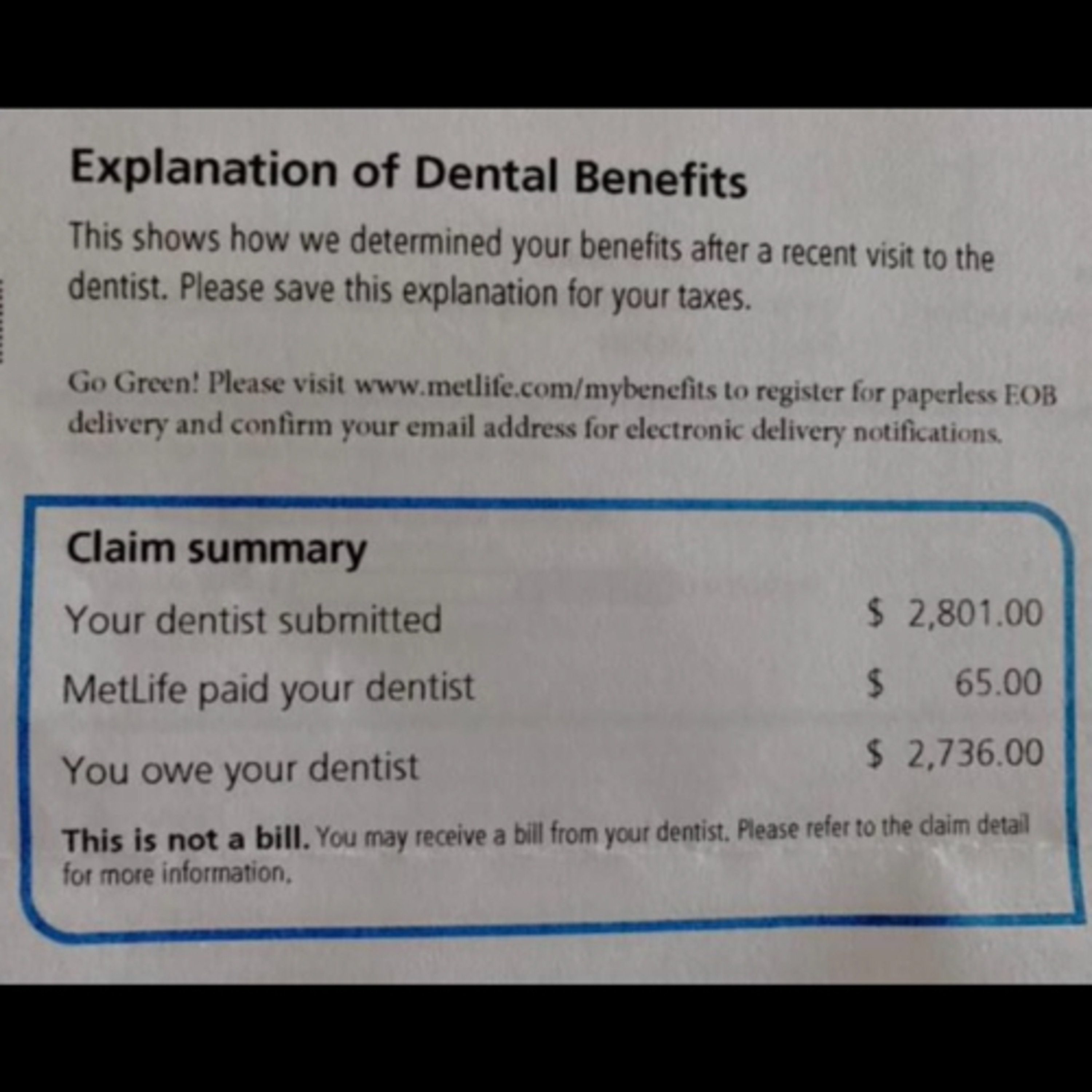
2.20.24 Quick Review #110 - #insurance #dentalinsurance #podcast #podcasts #dentalpodcast #dentalpodcasts #doctorgallagherpodcast #doctorgallagherspodcast #oralsurgeon #dentist #doctorgallagher #doctor #dentistry #oralsurgery #dental #viral #dentalschool #dentalstudent #omfs #surgeon #doctorlife #dentistlife #residency In the 1960s, when modern dental insurance was becoming more widespread, the average maximum benefit was around $1,000. This figure was deemed sufficient for the dental care needs of that era, considering the costs of services and the economic conditions at the time. Over the decades, the cost of dental care has increased significantly, influenced by advancements in dental technology, an expansion of the types of services offered, and general inflation affecting the overall economy. Despite these changes, dental insurance maximum benefits have not seen a commensurate increase, leading to a growing discrepancy between the costs of care and insurance coverage. To understand the impact of inflation on the 1960s' $1,000 maximum benefit, we can apply an average annual inflation rate. While the exact rate can vary year by year, an average rate of approximately 3.7% is a reasonable estimate for the period from the 1960s to 2021. Using this rate, the $1,000 from the mid-1960s would be equivalent to about $7,649 in 2021 when adjusted for inflation. This calculation highlights the significant devaluation of the dollar over this period and underscores how the purchasing power of the original $1,000 has diminished. This discrepancy poses challenges for individuals relying on dental insurance, as the stagnant maximum benefits offer increasingly limited coverage relative to the actual costs of dental care. Procedures that might have been fully covered under the maximum benefit in the past may now only be partially covered, leaving patients to pay a larger portion of their dental bills out-of-pocket. In 2021, despite the clear impact of inflation, the average dental insurance maximum benefits remained in the range of $1,000 to $1,500 for many plans. This stark contrast between the inflation-adjusted value of the 1960s benefits and the actual maximum benefits offered today highlights a significant gap in coverage. The failure of maximum benefits to keep pace with inflation not only affects the affordability of dental care but also emphasizes the need for a reevaluation of dental insurance structures to better meet the needs of consumers in the contemporary economic landscape. References: 1. Dental Insurance Benefits, Photo by @progressive_rn on Facebook, 2020. 2. American Dental Association. (2020). Dental benefits and Medicaid: A comprehensive review. Chicago, IL: American Dental Association. 3. National Association of Dental Plans. (2019). NADP Dental Benefits Report: Enrollment. Dallas, TX: National Association of Dental Plans. 4. Gilbert, G. H., Shelton, B. J., & Chavers, L. S. (2018). The paradox of dental need in a population-based study of dentate adults. Journal of Public Health Dentistry, 78(1), 29-38. https://lnkd.in/eSVfq5Z2. 5. ChatGPT. 2024.
What this episode covers
2.20.24 Quick Review #110 - #insurance #dentalinsurance #podcast #podcasts #dentalpodcast #dentalpodcasts #doctorgallagherpodcast #doctorgallagherspodcast #oralsurgeon #dentist #doctorgallagher #doctor #dentistry #oralsurgery #dental #viral #dentalschool #dentalstudent #omfs #surgeon #doctorlife #dentistlife #residency In the 1960s, when modern dental insurance was becoming more widespread, the average maximum benefit was around $1,000. This figure was deemed sufficient for the dental care needs of that era, considering the costs of services and the economic conditions at the time. Over the decades, the cost of dental care has increased significantly, influenced by advancements in dental technology, an expansion of the types of services offered, and general inflation affecting the overall economy. Despite these changes, dental insurance maximum benefits have not seen a commensurate increase, leading to a growing discrepancy between the costs of care and insurance coverage. To understand the impact of inflation on the 1960s' $1,000 maximum benefit, we can apply an average annual inflation rate. While the exact rate can vary year by year, an average rate of approximately 3.7% is a reasonable estimate for the period from the 1960s to 2021. Using this rate, the $1,000 from the mid-1960s would be equivalent to about $7,649 in 2021 when adjusted for inflation. This calculation highlights the significant devaluation of the dollar over this period and underscores how the purchasing power of the original $1,000 has diminished. This discrepancy poses challenges for individuals relying on dental insurance, as the stagnant maximum benefits offer increasingly limited coverage relative to the actual costs of dental care. Procedures that might have been fully covered under the maximum benefit in the past may now only be partially covered, leaving patients to pay a larger portion of their dental bills out-of-pocket. In 2021, despite the clear impact of inflation, the average dental insurance maximum benefits remained in the range of $1,000 to $1,500 for many plans. This stark contrast between the inflation-adjusted value of the 1960s benefits and the actual maximum benefits offered today highlights a significant gap in coverage. The failure of maximum benefits to keep pace with inflation not only affects the affordability of dental care but also emphasizes the need for a reevaluation of dental insurance structures to better meet the needs of consumers in the contemporary economic landscape. References: 1. Dental Insurance Benefits, Photo by @progressive_rn on Facebook, 2020. 2. American Dental Association. (2020). Dental benefits and Medicaid: A comprehensive review. Chicago, IL: American Dental Association. 3. National Association of Dental Plans. (2019). NADP Dental Benefits Report: Enrollment. Dallas, TX: National Association of Dental Plans. 4. Gilbert, G. H., Shelton, B. J., & Chavers, L. S. (2018). The paradox of dental need in a population-based study of dentate adults. Journal of Public Health Dentistry, 78(1), 29-38. https://lnkd.in/eSVfq5Z2. 5. ChatGPT. 2024.
NOW PLAYING
“What Would Dental Insurance ‘Maximum Benefits’ Amount Be Today, Given Inflation Since The 1960’s?”
No transcript for this episode yet
Similar Episodes
Dec 5, 2025 ·50m
Oct 9, 2025 ·33m
Oct 3, 2025 ·40m
Sep 11, 2025 ·31m
Aug 27, 2025 ·39m
Aug 18, 2025 ·54m