
EPISODE · Apr 19, 2024 · 6 MIN
“When A Coronoid Process Fractures During Surgery, Should The Fractured Segment Be Removed?”
from Dr. Gallagher's Podcast · host Brendan Gallagher, DDS
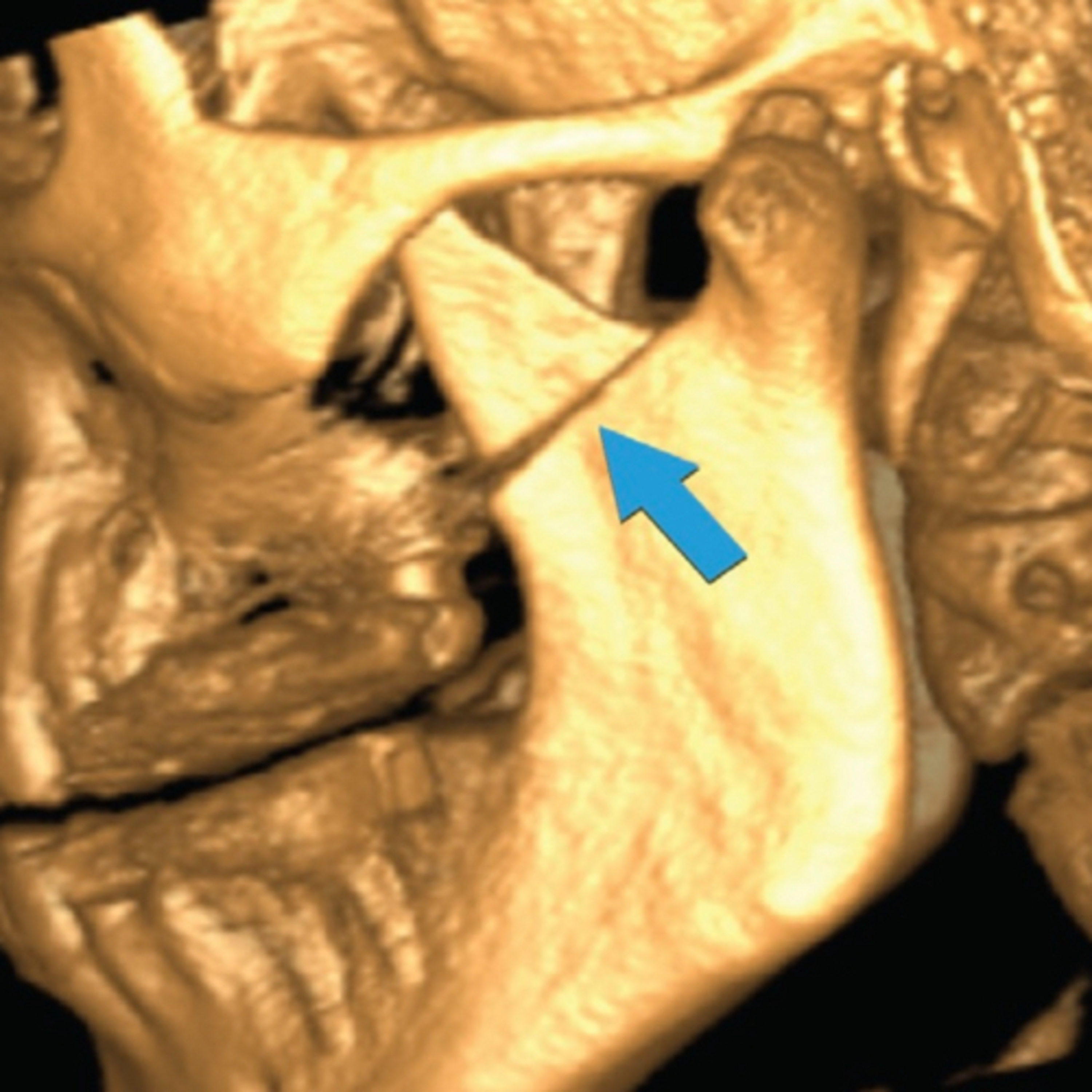
4.19.24 - #podcast #podcasts #dentalpodcast #dentalpodcasts #doctorgallagherpodcast #doctorgallagherspodcast Quick Review #126 - #surgery #surgeon #doctorgallagher #oralsurgery #oralsurgeon #omfs #dentist #dentistry #dental When a fracture occurs in the coronoid process during a bilateral sagittal split osteotomy (BSSO), the decision on whether to leave the coronoid process in place or remove it depends on several factors including the size of the fragment, the displacement, and the potential impact on mandibular function. The coronoid process is an important anatomical structure of the mandible that serves as the insertion point for the temporalis muscle, which plays a crucial role in the elevation and retraction of the mandible. Damage to this area can potentially affect jaw function, primarily the ability to open the mouth. According to literature and surgical practice: 1. Size and Displacement of the Fragment: Small, non-displaced fragments that do not interfere with the function of the temporomandibular joint (TMJ) or the movement of the mandible are often left in place. These small fragments can potentially reattach or become encapsulated by fibrous tissue without causing functional impairment. 2. Large or Displaced Fragments: If the fragment is large or significantly displaced, it may require reattachment. Surgical intervention might be considered to stabilize the fragment using screws or wires, especially if its position is likely to affect the temporalis muscle function or TMJ mechanics. 3. Assessing Function and Symmetry: Postoperative evaluation of jaw function, occlusion, and aesthetic symmetry are crucial. If leaving the coronoid process in place results in functional limitations or asymmetry, surgical correction may be necessary. 4. Literature and Case Studies: Case studies and reviews in maxillofacial surgery literature suggest that the decision is highly individualized. The outcomes of leaving the coronoid process versus attempting reattachment or removal have varied, and decisions are typically based on the specific circumstances of the fracture and the overall stability of the mandible. Therefore, in the case of a partial fracture of the coronoid process during a BSSO, the surgeon must evaluate the specific details of the fracture, including the size and position of the coronoid fragment, the overall impact on mandibular function, and the potential for healing or fibrous encapsulation. The decision should be tailored to the patient’s specific situation, with considerations for long-term function and symptomatology. References: 1. Precious, D. S., & Lanigan, D. T. (2012). Orthognathic Surgery: Principles and Practice. Saunders Elsevier. 2. Posnick, J. C. (2014). Orthognathic Surgery: Principles, Planning and Practice. Wiley-Blackwell. 3. Miloro, M., Ghali, G. E., Larsen, P. E., & Waite, P. (2004). Peterson’s Principles of Oral and Maxillofacial Surgery (2nd ed.). BC Decker Inc. 4. ChatGPT. 2024.
What this episode covers
4.19.24 - #podcast #podcasts #dentalpodcast #dentalpodcasts #doctorgallagherpodcast #doctorgallagherspodcast Quick Review #126 - #surgery #surgeon #doctorgallagher #oralsurgery #oralsurgeon #omfs #dentist #dentistry #dental When a fracture occurs in the coronoid process during a bilateral sagittal split osteotomy (BSSO), the decision on whether to leave the coronoid process in place or remove it depends on several factors including the size of the fragment, the displacement, and the potential impact on mandibular function. The coronoid process is an important anatomical structure of the mandible that serves as the insertion point for the temporalis muscle, which plays a crucial role in the elevation and retraction of the mandible. Damage to this area can potentially affect jaw function, primarily the ability to open the mouth. According to literature and surgical practice: 1. Size and Displacement of the Fragment: Small, non-displaced fragments that do not interfere with the function of the temporomandibular joint (TMJ) or the movement of the mandible are often left in place. These small fragments can potentially reattach or become encapsulated by fibrous tissue without causing functional impairment. 2. Large or Displaced Fragments: If the fragment is large or significantly displaced, it may require reattachment. Surgical intervention might be considered to stabilize the fragment using screws or wires, especially if its position is likely to affect the temporalis muscle function or TMJ mechanics. 3. Assessing Function and Symmetry: Postoperative evaluation of jaw function, occlusion, and aesthetic symmetry are crucial. If leaving the coronoid process in place results in functional limitations or asymmetry, surgical correction may be necessary. 4. Literature and Case Studies: Case studies and reviews in maxillofacial surgery literature suggest that the decision is highly individualized. The outcomes of leaving the coronoid process versus attempting reattachment or removal have varied, and decisions are typically based on the specific circumstances of the fracture and the overall stability of the mandible. Therefore, in the case of a partial fracture of the coronoid process during a BSSO, the surgeon must evaluate the specific details of the fracture, including the size and position of the coronoid fragment, the overall impact on mandibular function, and the potential for healing or fibrous encapsulation. The decision should be tailored to the patient’s specific situation, with considerations for long-term function and symptomatology. References: 1. Precious, D. S., & Lanigan, D. T. (2012). Orthognathic Surgery: Principles and Practice. Saunders Elsevier. 2. Posnick, J. C. (2014). Orthognathic Surgery: Principles, Planning and Practice. Wiley-Blackwell. 3. Miloro, M., Ghali, G. E., Larsen, P. E., & Waite, P. (2004). Peterson’s Principles of Oral and Maxillofacial Surgery (2nd ed.). BC Decker Inc. 4. ChatGPT. 2024.
NOW PLAYING
“When A Coronoid Process Fractures During Surgery, Should The Fractured Segment Be Removed?”
No transcript for this episode yet
Similar Episodes
Dec 5, 2025 ·50m
Oct 9, 2025 ·33m
Oct 3, 2025 ·40m
Sep 11, 2025 ·31m
Aug 27, 2025 ·39m
Aug 18, 2025 ·54m