
EPISODE · Apr 9, 2026 · 17 MIN
When Forgiveness Comes Too Soon After Betrayal: A Trauma-Informed Faith-Based Perspective
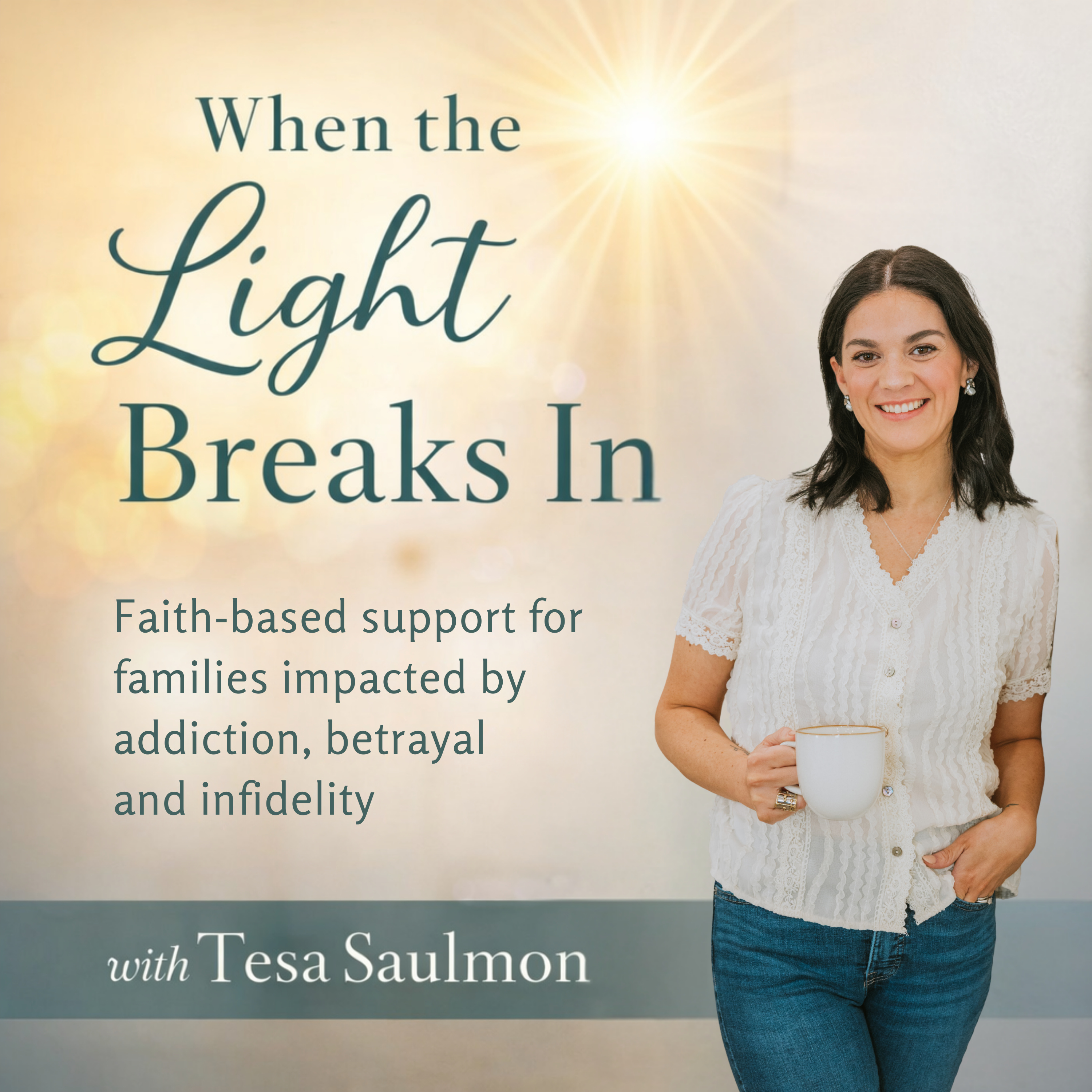
from When the Light Breaks In: Faith-Based Support for Families Impacted by Addiction and Betrayal · host Tesa Saulmon
In faith-based spaces, forgiveness is often introduced early in the healing process after betrayal. While the intention is rooted in hope and restoration, the timing of that invitation matters more than we often realize.In this episode, Tesa Saulmon, LMHC, CSAT, explores the difference between forgiveness that comes from strength and forgiveness that is offered out of obligation or pressure. If you’ve ever felt rushed to forgive before you felt safe, steady, or even able to process what happened, this conversation is for you.This episode gently reframes forgiveness through a trauma-informed and faith-integrated lens, helping you understand why stabilization must come first in betrayal trauma recovery.In This Episode, We Cover:Why forgiveness is often introduced too early in faith-based settingsThe difference between stabilization and forgivenessWhat happens when forgiveness is encouraged before safety is rebuiltHow early pressure to forgive can increase shame and emotional shutdownThe difference between authentic forgiveness vs. compliance or spiritual bypassingThe correct sequence of healing after betrayal:StabilizationCapacityProcessingRepair(Then) ForgivenessA faith-based perspective on how Jesus meets us in pain, not pressureWho This Episode Is For:Betrayed spouses navigating infidelity or addiction recoveryChristian women struggling with pressure to forgive too quicklyCouples trying to rebuild after betrayalAnyone wanting a trauma-informed, faith-integrated approach to healingKey Takeaways:Forgiveness is meaningful, but it is not the first step in healing.When forgiveness comes from internal grounding and safety, it becomes something freeing.When it is rushed, it can silence pain and delay true healing.God is not rushing your healing.He is near to the brokenhearted.He does not require you to bypass your pain to be loved by Him.Healing, like faith, is a process of being held… not hurried.Connect with Tesa Saulmon, LMHC, CSAT:Root to Bloom Therapy📍 Pensacola, FL & Jacksonville, FL (disclosure intensives)💻 Telehealth available throughout Florida📞 850-530-7236📷 Instagram: @talkingwithtesa📘 Facebook: Tesa Saulmon▶️ YouTube: Talking with TesaNeed Support?If you are walking through betrayal trauma, you don’t have to do this alone.Therapeutic support can help you stabilize, process, and rebuild in a way that honors your story and your faith.Reach out to schedule a session or learn more about betrayal trauma recovery support.
Embed this episode
NOW PLAYING
When Forgiveness Comes Too Soon After Betrayal: A Trauma-Informed Faith-Based Perspective
No transcript for this episode yet
Similar Episodes
No similar episodes found.
Similar Podcasts
No similar podcasts found.