
EPISODE · Jun 25, 2026 · 50 MIN
When Invasive Mushrooms Become Water Filters: The Hidden Science of Mycoremediation
from Lichen The Vibe · host District Podcasts
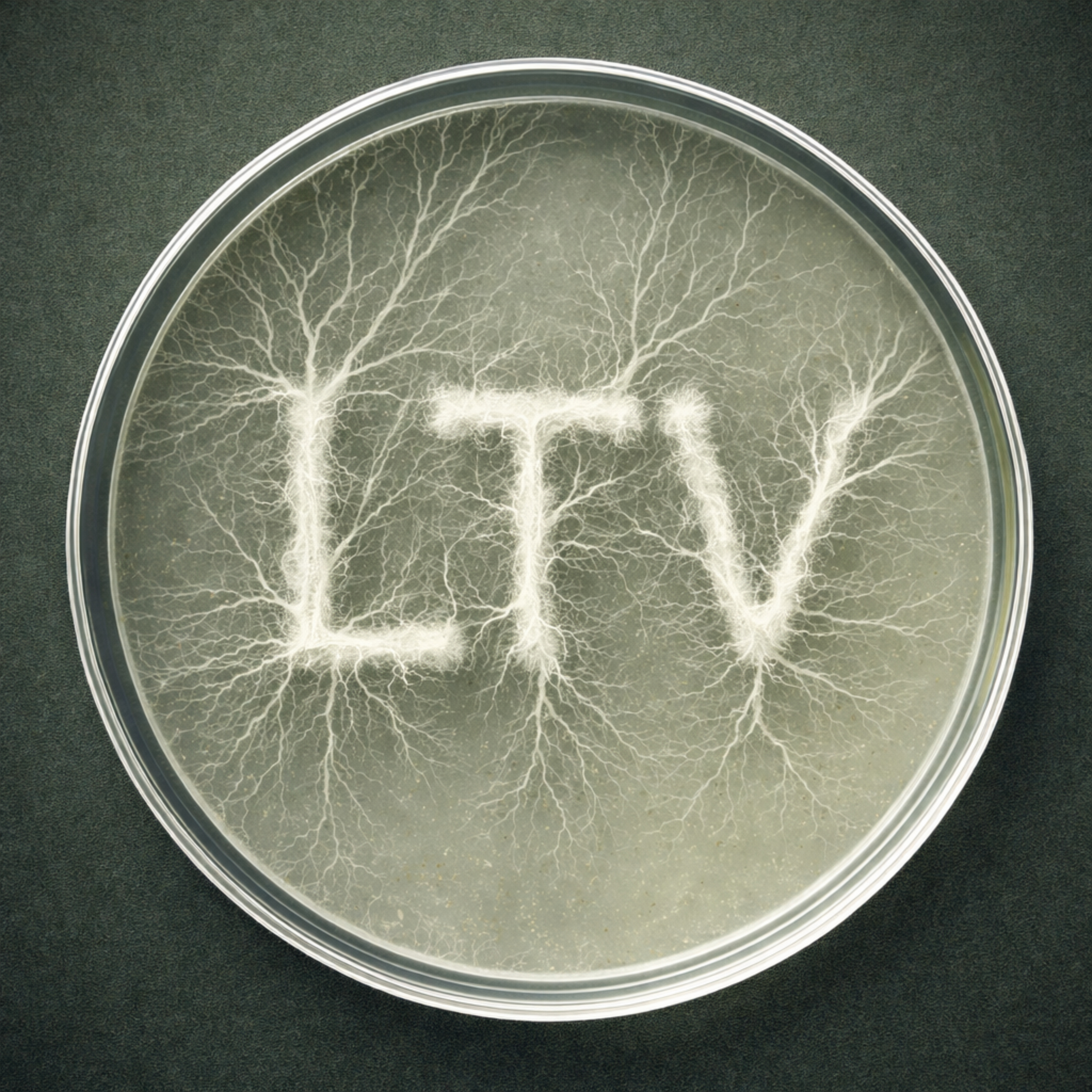
Some of the most aggressive organisms spreading through forests right now are usually labeled as ecological threats.But what if that same unstoppable growth is exactly what we need to clean up some of the most toxic waterways on Earth?This episode explores the emerging science of mycoremediation—where fast-growing oyster mushroom strains are being studied not just as decomposers of wood, but as biological systems capable of breaking down industrial pollution at scale.Invasive oyster mushrooms are typically seen as ecological disruptors, spreading rapidly and outcompeting native fungi. But beneath that reputation lies something far more complex: an extreme metabolic flexibility that allows them to break down lignin, synthetic dyes, petroleum compounds, and other persistent organic pollutants that traditional filtration systems struggle to remove.Scientists are now exploring how these fungal networks could be engineered into living filtration systems—mycofilters and fixed-bed bioreactors that use fungal mycelium to process contaminated water. Through extracellular enzymes like laccase and peroxidase, these organisms don’t just trap toxins—they chemically transform them, breaking complex pollutants into simpler, less harmful compounds.But the story doesn’t stop at chemistry.Mycelium also interacts directly with microbial life in water systems, forming dense networks that can capture or suppress harmful bacteria. At the same time, fungal cell structures can bind to heavy metals like lead and cadmium through biosorption, effectively pulling them out of contaminated environments and locking them into biological material.What makes this idea so compelling is not just its effectiveness, but its contradiction.The same organism that is considered invasive and destructive in forest ecosystems may also hold the blueprint for low-cost, scalable environmental cleanup technology.This episode dives into the tension between ecological risk and ecological utility, exploring whether controlled fungal systems could be deployed safely without accelerating biological invasion—and what containment strategies would be required to prevent unintended spread.It raises a difficult but fascinating question:If nature already produces organisms capable of digesting pollution, are we underestimating the tools already growing around us?And if so… how far are we willing to go in turning biological “nuisances” into engineered systems for planetary restoration?mycoremediation, oyster mushroom filtration, fungal water treatment, invasive fungi, bioremediation technology, white rot fungi, laccase enzyme, mycofiltration systems, fungal bioreactors, environmental cleanup fungi, heavy metal biosorption, hydrocarbon degradation, sustainable wastewater treatment, Pleurotus ostreatus, Pleurotus citrinopileatus, fungal ecology, microbial water filtration, environmental biotechnology, soil and water remediation, enzymatic degradation pollutants, fungal metabolism, ecological restoration technology, invasive species solutions, biofiltration systems, industrial pollution cleanup, fungal networks, natural wastewater systems, carbon cycle fungi, environmental engineering biology, living filtration systems#Mycoremediation, #Fungi, #OysterMushroom, #Bioremediation, #EnvironmentalScience, #WaterFiltration, #SustainableTech, #EnvironmentalCleanup, #FungalNetworks, #Mycology, #Biotechnology, #WastewaterTreatment, #Ecology, #ClimateSolutions, #NatureBasedSolutions, #HeavyMetalRemoval, #PollutionSolutions, #WhiteRotFungi, #Biofiltration, #EnvironmentalEngineering
What this episode covers
Some of the most aggressive organisms spreading through forests right now are usually labeled as ecological threats.But what if that same unstoppable growth is exactly what we need to clean up some of the most toxic waterways on Earth?This episode explores the emerging science of mycoremediation—where fast-growing oyster mushroom strains are being studied not just as decomposers of wood, but as biological systems capable of breaking down industrial pollution at scale.Invasive oyster mushrooms are typically seen as ecological disruptors, spreading rapidly and outcompeting native fungi. But beneath that reputation lies something far more complex: an extreme metabolic flexibility that allows them to break down lignin, synthetic dyes, petroleum compounds, and other persistent organic pollutants that traditional filtration systems struggle to remove.Scientists are now exploring how these fungal networks could be engineered into living filtration systems—mycofilters and fixed-bed bioreactors that use fungal mycelium to process contaminated water. Through extracellular enzymes like laccase and peroxidase, these organisms don’t just trap toxins—they chemically transform them, breaking complex pollutants into simpler, less harmful compounds.But the story doesn’t stop at chemistry.Mycelium also interacts directly with microbial life in water systems, forming dense networks that can capture or suppress harmful bacteria. At the same time, fungal cell structures can bind to heavy metals like lead and cadmium through biosorption, effectively pulling them out of contaminated environments and locking them into biological material.What makes this idea so compelling is not just its effectiveness, but its contradiction.The same organism that is considered invasive and destructive in forest ecosystems may also hold the blueprint for low-cost, scalable environmental cleanup technology.This episode dives into the tension between ecological risk and ecological utility, exploring whether controlled fungal systems could be deployed safely without accelerating biological invasion—and what containment strategies would be required to prevent unintended spread.It raises a difficult but fascinating question:If nature already produces organisms capable of digesting pollution, are we underestimating the tools already growing around us?And if so… how far are we willing to go in turning biological “nuisances” into engineered systems for planetary restoration?mycoremediation, oyster mushroom filtration, fungal water treatment, invasive fungi, bioremediation technology, white rot fungi, laccase enzyme, mycofiltration systems, fungal bioreactors, environmental cleanup fungi, heavy metal biosorption, hydrocarbon degradation, sustainable wastewater treatment, Pleurotus ostreatus, Pleurotus citrinopileatus, fungal ecology, microbial water filtration, environmental biotechnology, soil and water remediation, enzymatic degradation pollutants, fungal metabolism, ecological restoration technology, invasive species solutions, biofiltration systems, industrial pollution cleanup, fungal networks, natural wastewater systems, carbon cycle fungi, environmental engineering biology, living filtration systems#Mycoremediation, #Fungi, #OysterMushroom, #Bioremediation, #EnvironmentalScience, #WaterFiltration, #SustainableTech, #EnvironmentalCleanup, #FungalNetworks, #Mycology, #Biotechnology, #WastewaterTreatment, #Ecology, #ClimateSolutions, #NatureBasedSolutions, #HeavyMetalRemoval, #PollutionSolutions, #WhiteRotFungi, #Biofiltration, #EnvironmentalEngineering
NOW PLAYING
When Invasive Mushrooms Become Water Filters: The Hidden Science of Mycoremediation
No transcript for this episode yet
Similar Episodes
No similar episodes found.
Similar Podcasts
No similar podcasts found.