
EPISODE · Mar 16, 2021 · 24 MIN
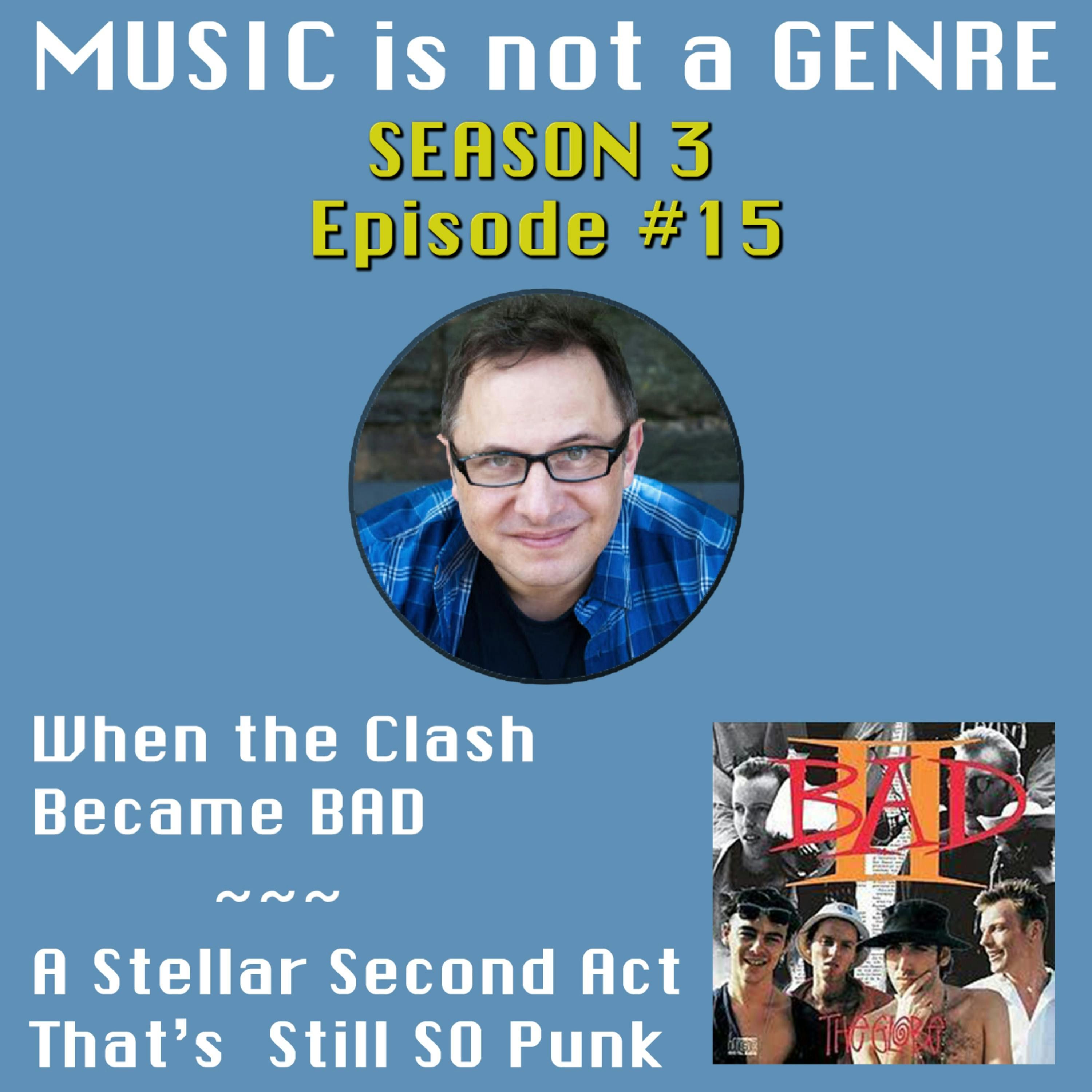
When the Clash Became BAD - A Stellar Second Act That's Still SO Punk | MUSIC is not a GENRE - Season 3 Episode #15
from MUSIC is not a GENRE · host Nick DeMatteo
SUPPORT ME ON PATREON WATCH MUSIC is not a GENRE VIDEOS and MORE One of the many great things about doing chronolographies is finding out the whole family tree of a band. For most bands, a breakup is not the end. I’m not talking about the reunion tour after the farewell tour (times infinity). The main creative forces in a band don’t just stop creating after “the end”. Some go on to solo careers – like Ozzy Osbourne or every Beatle. Some transition into non-band work – say, film & TV scoring like Danny Elfman of Oingo Boingo. Some do the retread circuit – cashing in on their own legacy like … name 1,000 of them. Then there are those who reinvent the band experience, who maybe needed the breakup to allow other aspects of their creativity to blossom. Mick Jones is a great example of this. When he left the Clash – who released one more post-Mick album before breaking up for good, he wasted no time starting a new band with a new sound. After two short & unsuccessful runs as founder of the bands General Public & Top Risk Action Company (T.R.A.C.), Jones formed Big Audio Dynamite. They released nine albums over nearly 15 years, before Jones went on to form yet another band, Carbon/Silicon. BAD had a ton of success (as well as at least three names – including BAD, BAD II, and Big Audio), peaking with this week’s album, The Globe. BAD carried on the Clash’s musical mission in many ways. Political songs. A pop sensibility that didn’t shy away from edge either lyrically or sonically. A mix of several types of music, including punk, funk, reggae & ska. But they got even weirder, more experimental, and added other styles like hip hop, dance, Afrobeat, electronica, and heavy sampling. Their lyrics went everywhere too. All in all, it was a vibrant & very successful reboot. The BIGGEST parallel between the two bands is that they both subverted conventional wisdom of what you can & can’t do with music. And once you do that, you’re also by default subverting industry standards & practices. SO punk. I just listened to all of the Clash & BAD’s catalogs. I don’t think I realized how hugely influential BAD was on me, especially from 1985-1991. At least three of their first six albums had songs that immediately came back to me as soon as I heard them – no small thing since the last time I listened to most of this music was when it was new. You can hear that influence even today, especially in one of my band REC’s most recent songs: REC – “Make Me Mic My Mouth” Do you know any BAD or Clash music? Were you aware of the connection between the two? Can you think of other incredible second-act reinventions? Discuss dammit! This episode is sponsored by · Anchor: The easiest way to make a podcast. https://anchor.fm/app Support this podcast: https://anchor.fm/musicisnotagenre/support Hosted by Simplecast, an AdsWizz company. See pcm.adswizz.com for information about our collection and use of personal data for advertising.
Embed this episode
Ready to play
When the Clash Became BAD - A Stellar Second Act That's Still SO Punk | MUSIC is not a GENRE - Season 3 Episode #15
No transcript for this episode yet