
EPISODE · Oct 16, 2024 · 33 MIN
When We Freeze: Understanding and Healing from Traumatic Shutdowns (Episode #36)
from The Human Intimacy Podcast · host Humanintimacy
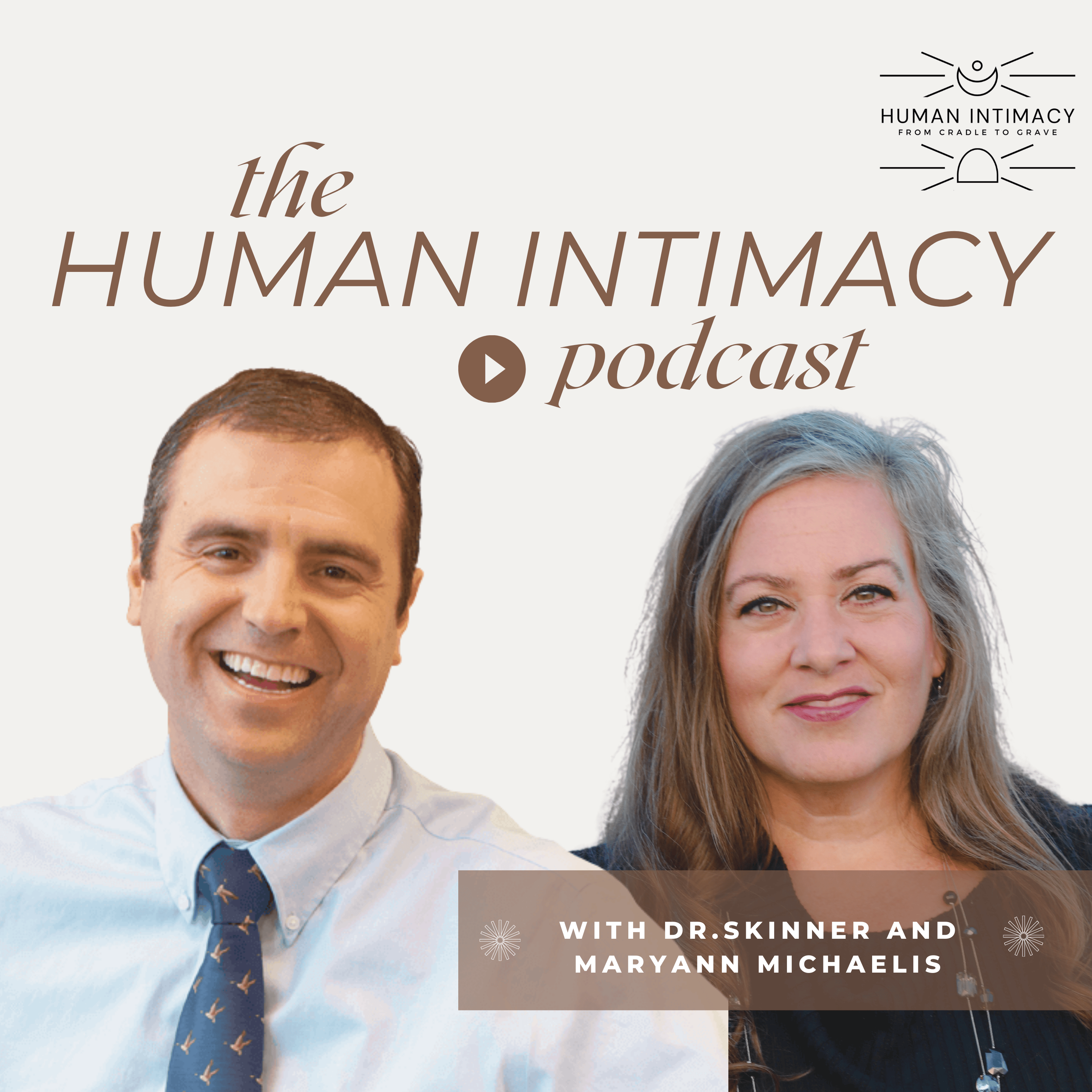
When We Freeze: Understanding and Healing from Traumatic Shutdowns In this episode, MaryAnn Michaelis and Dr. Kevin Skinner discuss the profound impact of freezing as a response to trauma. They explore how life events, particularly those involving emotional or physical trauma, can leave individuals stuck, carrying the weight of unresolved experiences for decades. This discussion highlights how freezing, more than fight or flight, can be especially traumatizing, as it leaves the individual feeling helpless or numb. Dr. Skinner and MaryAnn delve into the psychological and somatic aspects of freezing, emphasizing the importance of creating a safe environment for healing and the steps necessary to get unstuck. Key Concepts Discussed: 1. The Freeze Response – A natural reaction to overwhelming events that can leave people stuck emotionally and physically. 2. Somatic Experience – How trauma manifests in the body, drawing on the works of Peter Levine and Pat Ogden. 3. Traumatic Reenactment – The concept that individuals may unconsciously seek to resolve past trauma by repeating harmful patterns. 4. Neuroplasticity and Action – Insights from neuroscience that emphasize taking action as a way to create new neural pathways and move forward from trauma. 5. Polyvagal Theory – Understanding the autonomic nervous system's role in traumatic responses, particularly the dorsal vagal shutdown, and its impact on emotional regulation. 6. Hope and Healing – The concept that learned helplessness can be unlearned, fostering hope and creating new possibilities for recovery. Resources Discussed: 1. Books: - In an Unspoken Voice by Dr. Peter Levine - The Body Keeps the Score by Dr. Bessel van der Kolk - Hope Circuit by Dr. Martin Seligman - Polyvagal Theory in Therapy by Deb Dana 2. Therapeutic Techniques: - EMDR (Eye Movement Desensitization and Reprocessing) - ART (Accelerated Resolution Therapy) - Somatic experience exercises to release trauma stored in the body. 3. Tools for Self-Regulation: - Creating a list of actions to take when feeling stuck (e.g., listening to music, breathing exercises, journaling). - Co-regulation by reaching out to trusted individuals for support during moments of freeze. Listeners are encouraged to reflect on their own experiences with freezing, consider professional support, and take small steps toward action and healing.
What this episode covers
When We Freeze: Understanding and Healing from Traumatic Shutdowns In this episode, MaryAnn Michaelis and Dr. Kevin Skinner discuss the profound impact of freezing as a response to trauma. They explore how life events, particularly those involving emotional or physical trauma, can leave individuals stuck, carrying the weight of unresolved experiences for decades. This discussion highlights how freezing, more than fight or flight, can be especially traumatizing, as it leaves the individual feeling helpless or numb. Dr. Skinner and MaryAnn delve into the psychological and somatic aspects of freezing, emphasizing the importance of creating a safe environment for healing and the steps necessary to get unstuck. Key Concepts Discussed:1. The Freeze Response – A natural reaction to overwhelming events that can leave people stuck emotionally and physically.2. Somatic Experience – How trauma manifests in the body, drawing on the works of Peter Levine and Pat Ogden.3. Traumatic Reenactment – The concept that individuals may unconsciously seek to resolve past trauma by repeating harmful patterns.4. Neuroplasticity and Action – Insights from neuroscience that emphasize taking action as a way to create new neural pathways and move forward from trauma.5. Polyvagal Theory – Understanding the autonomic nervous system's role in traumatic responses, particularly the dorsal vagal shutdown, and its impact on emotional regulation.6. Hope and Healing – The concept that learned helplessness can be unlearned, fostering hope and creating new possibilities for recovery. Resources Discussed: 1. Books: - In an Unspoken Voice by Dr. Peter Levine - The Body Keeps the Score by Dr. Bessel van der Kolk - Hope Circuit by Dr. Martin Seligman - Polyvagal Theory in Therapy by Deb Dana 2. Therapeutic Techniques: - EMDR (Eye Movement Desensitization and Reprocessing) - ART (Accelerated Resolution Therapy) - Somatic experience exercises to release trauma stored in the body. 3. Tools for Self-Regulation: - Creating a list of actions to take when feeling stuck (e.g., listening to music, breathing exercises, journaling). - Co-regulation by reaching out to trusted individuals for support during moments of freeze. Listeners are encouraged to reflect on their own experiences with freezing, consider professional support, and take small steps toward action and healing.
NOW PLAYING
When We Freeze: Understanding and Healing from Traumatic Shutdowns (Episode #36)
No transcript for this episode yet
Similar Episodes
No similar episodes found.
Similar Podcasts
No similar podcasts found.