
EPISODE · Jun 27, 2024 · 8 MIN
“Which Cysts & Tumors Increase In Prevalence After The Age Of 50 Years?”
from Dr. Gallagher's Podcast · host Brendan Gallagher, DDS
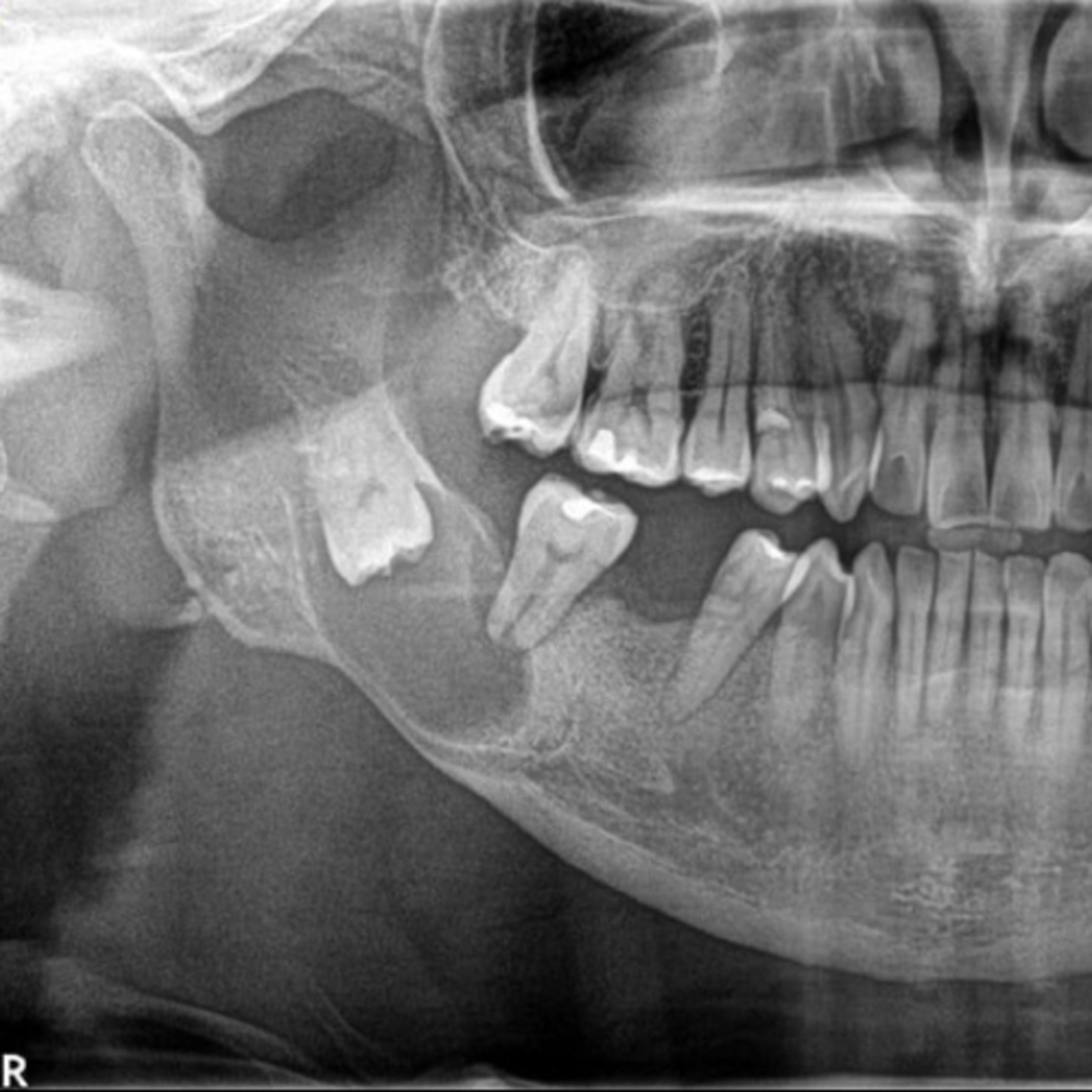
6.26.24 Quick Review #159 - #pathology #oralpathology #doctorgallagher #oralsurgery #oralsurgeon #dentist #dentistry #dental Several types of oral cysts and tumors, both odontogenic and non-odontogenic, have been found to increase in prevalence with age, particularly over the age of 50: 1. Odontogenic Keratocysts (OKCs): Known for their high recurrence rate and aggressive behavior, OKCs are more likely to be found in older adults due to prolonged inflammation and potential genetic mutations. - One study indicated that the prevalence of cysts or tumors associated with impacted mandibular third molars increased with age, showing higher rates in patients over 50 years old (7.27% in the sixth decade, 18.60% in the seventh decade, and 11.53% in the eighth decade). 2. Dentigerous Cysts: While these cysts are more common in younger adults, their prevalence can increase in older populations, especially in those who retain impacted third molars. - One study noted that cysts or tumors associated with retained impacted mandibular third molars become more prevalent with age, with a significant increase noted in patients aged 50 and older. 3. Residual Cysts: These cysts can persist or arise in the site of a previously extracted tooth, becoming more common as age increases. 4. Non-Odontogenic Cysts and Tumors: • Nasopalatine Duct Cysts: The most common non-odontogenic cysts, which can become more prevalent with advancing age. • Squamous Cell Carcinoma: A non-odontogenic malignant tumor that increases significantly with age. • Central Giant Cell Granulomas: Although less common, these can occur more frequently in older adults. References: 1. Silver_Hurry4990. (2022, June 26). Dentigerous cyst - Predictions of what may happen if left untreated? No pain currently. Anyone have stories to share about their healing process after removal? [Image]. Reddit. https://lnkd.in/eSRkse5e 2. Shin, S. M., Choi, E. J., & Moon, S. Y. (2016). Prevalence of pathologies related to impacted mandibular third molars. SpringerPlus, 5(1), 915. https://lnkd.in/emgFdUhJ 3. Tambuwala, A. A., Oswal, R. G., Desale, R. S., Oswal, N. P., Mall, P. E., & Sayed, A. R. (2015). An evaluation of pathologic changes in the follicle of impacted mandibular third molars. Journal of International Oral Health, 7(4), 58-62. 4. Mayo Clinic Staff. (2022). Jaw tumors and cysts: Symptoms and causes. Mayo Clinic. Retrieved from https://lnkd.in/ej8RtcFz 5. ChatGPT. 2024. - #podcast #podcasts #dentalpodcast #dentalpodcasts #doctorgallagherpodcast #doctorgallagherspodcast #oralsurgeon #dentist #doctorgallagher #doctor #dentistry #oralsurgery #dental #viral #dentalschool #dentalstudent #omfs #surgeon #doctorlife #dentistlife #residency
What this episode covers
6.26.24 Quick Review #159 - #pathology #oralpathology #doctorgallagher #oralsurgery #oralsurgeon #dentist #dentistry #dental Several types of oral cysts and tumors, both odontogenic and non-odontogenic, have been found to increase in prevalence with age, particularly over the age of 50: 1. Odontogenic Keratocysts (OKCs): Known for their high recurrence rate and aggressive behavior, OKCs are more likely to be found in older adults due to prolonged inflammation and potential genetic mutations. - One study indicated that the prevalence of cysts or tumors associated with impacted mandibular third molars increased with age, showing higher rates in patients over 50 years old (7.27% in the sixth decade, 18.60% in the seventh decade, and 11.53% in the eighth decade). 2. Dentigerous Cysts: While these cysts are more common in younger adults, their prevalence can increase in older populations, especially in those who retain impacted third molars. - One study noted that cysts or tumors associated with retained impacted mandibular third molars become more prevalent with age, with a significant increase noted in patients aged 50 and older. 3. Residual Cysts: These cysts can persist or arise in the site of a previously extracted tooth, becoming more common as age increases. 4. Non-Odontogenic Cysts and Tumors: • Nasopalatine Duct Cysts: The most common non-odontogenic cysts, which can become more prevalent with advancing age. • Squamous Cell Carcinoma: A non-odontogenic malignant tumor that increases significantly with age. • Central Giant Cell Granulomas: Although less common, these can occur more frequently in older adults. References: 1. Silver_Hurry4990. (2022, June 26). Dentigerous cyst - Predictions of what may happen if left untreated? No pain currently. Anyone have stories to share about their healing process after removal? [Image]. Reddit. https://lnkd.in/eSRkse5e 2. Shin, S. M., Choi, E. J., & Moon, S. Y. (2016). Prevalence of pathologies related to impacted mandibular third molars. SpringerPlus, 5(1), 915. https://lnkd.in/emgFdUhJ 3. Tambuwala, A. A., Oswal, R. G., Desale, R. S., Oswal, N. P., Mall, P. E., & Sayed, A. R. (2015). An evaluation of pathologic changes in the follicle of impacted mandibular third molars. Journal of International Oral Health, 7(4), 58-62. 4. Mayo Clinic Staff. (2022). Jaw tumors and cysts: Symptoms and causes. Mayo Clinic. Retrieved from https://lnkd.in/ej8RtcFz 5. ChatGPT. 2024. - #podcast #podcasts #dentalpodcast #dentalpodcasts #doctorgallagherpodcast #doctorgallagherspodcast #oralsurgeon #dentist #doctorgallagher #doctor #dentistry #oralsurgery #dental #viral #dentalschool #dentalstudent #omfs #surgeon #doctorlife #dentistlife #residency
NOW PLAYING
“Which Cysts & Tumors Increase In Prevalence After The Age Of 50 Years?”
No transcript for this episode yet
Similar Episodes
Dec 5, 2025 ·50m
Oct 9, 2025 ·33m
Oct 3, 2025 ·40m
Sep 11, 2025 ·31m
Aug 27, 2025 ·39m
Aug 18, 2025 ·54m