
EPISODE · May 16, 2024 · 8 MIN
“Which Orbital Walls & Floors Are More Prone To Fracture, and Why?”
from Dr. Gallagher's Podcast · host Brendan Gallagher, DDS
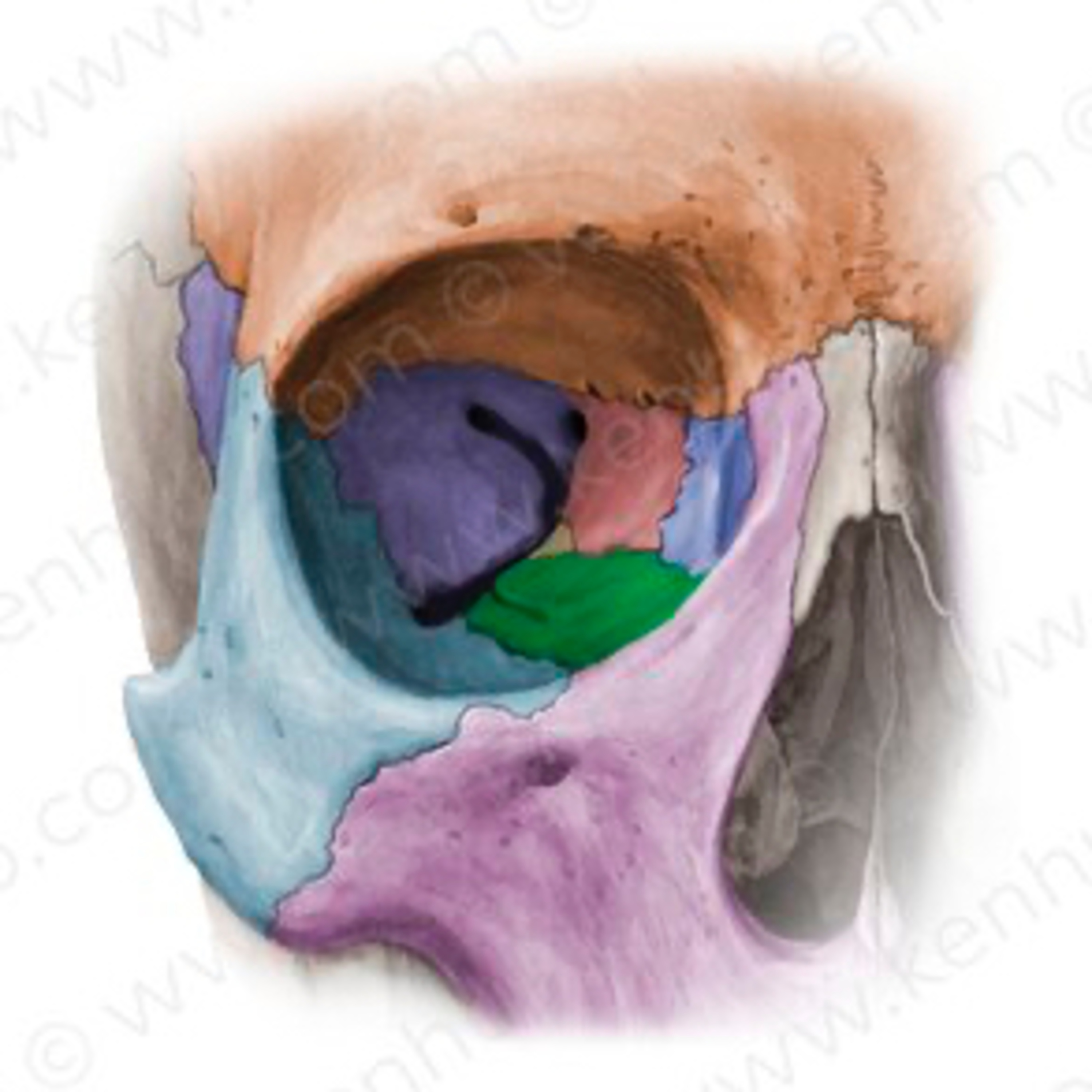
5.15.24 Quick Review #136 - #surgery #surgeon #doctorgallagher #oralsurgery #oralsurgeon #omfs #dentist #dentistry #dental #maxillofacial #orbit #podcast #podcasts #dentalpodcast #dentalpodcasts #doctorgallagherpodcast #doctorgallagherspodcast #oralsurgeon #dentist #doctorgallagher #doctor #dentistry #oralsurgery #dental #viral #dentalschool #dentalstudent #omfs #surgeon #doctorlife #dentistlife #residency The walls of the orbit vary in thickness and are susceptible to different types of fractures depending on their anatomical structure and relative thinness: 1. Medial Wall: The medial wall is the thinnest wall of the orbit. It is primarily formed by the ethmoid bone, specifically its thin, paper-like lamina papyracea. This wall separates the orbital cavity from the ethmoid air cells and the nasal cavity. Due to its thinness, the medial wall is particularly susceptible to fractures from lateral impacts to the orbit, though 2nd most prone to fracture (after the floor) from its reinforcement: the perpendicular septa of the ethmoid sinus. These fractures can lead to orbital emphysema (air within the orbital tissues), as air from the ethmoidal sinuses can easily invade the orbit. 2. Floor: The orbital floor is the second thinnest wall and is #1 most prone to fractures, often referred to as "blowout fractures." It is formed mainly by the maxillary bone, along with contributions from the palatine and zygomatic bones. Blowout fractures typically occur when an impact to the eye transmits increased pressure to the orbital floor, causing it to rupture downwards into the maxillary sinus. This type of fracture is often associated with infraorbital nerve damage, leading to numbness in the cheek, upper lip, and upper teeth on the affected side. 3. Lateral Wall: Thicker than the medial wall and floor, the lateral wall offers more protection against trauma. It is formed by the zygomatic bone and the greater wing of the sphenoid. Fractures here are less common and usually require a significant force. When they occur, they often involve more complex patterns due to the sturdiness of the wall. 4. Roof: The thickest and most protective part of the orbit is its roof, made up of the frontal bone and a small part of the lesser wing of the sphenoid. Fractures of the orbital roof are relatively rare and usually result from severe impacts. These fractures can be associated with cranial vault fractures and may pose a risk of intracranial injuries or cerebrospinal fluid leaks. References: 1. Tøverud, K. C. (n.d.). The orbital bone [Digital image]. Retrieved from https://www.google.com. 2. Dutton, J. J. (1992). Atlas of Clinical and Surgical Orbital Anatomy. Philadelphia: W.B. Saunders. 3. Kanski, J. J., & Bowling, B. (2011). Clinical Ophthalmology: A Systematic Approach (7th ed.). Edinburgh: Elsevier Saunders. 4. Zide, B. M., & Jelks, G. W. (1985). Surgical Anatomy of the Orbit. New York: Raven Press. 5. ChatGPT. 2024.
What this episode covers
5.15.24 Quick Review #136 - #surgery #surgeon #doctorgallagher #oralsurgery #oralsurgeon #omfs #dentist #dentistry #dental #maxillofacial #orbit #podcast #podcasts #dentalpodcast #dentalpodcasts #doctorgallagherpodcast #doctorgallagherspodcast #oralsurgeon #dentist #doctorgallagher #doctor #dentistry #oralsurgery #dental #viral #dentalschool #dentalstudent #omfs #surgeon #doctorlife #dentistlife #residency The walls of the orbit vary in thickness and are susceptible to different types of fractures depending on their anatomical structure and relative thinness: 1. Medial Wall: The medial wall is the thinnest wall of the orbit. It is primarily formed by the ethmoid bone, specifically its thin, paper-like lamina papyracea. This wall separates the orbital cavity from the ethmoid air cells and the nasal cavity. Due to its thinness, the medial wall is particularly susceptible to fractures from lateral impacts to the orbit, though 2nd most prone to fracture (after the floor) from its reinforcement: the perpendicular septa of the ethmoid sinus. These fractures can lead to orbital emphysema (air within the orbital tissues), as air from the ethmoidal sinuses can easily invade the orbit. 2. Floor: The orbital floor is the second thinnest wall and is #1 most prone to fractures, often referred to as "blowout fractures." It is formed mainly by the maxillary bone, along with contributions from the palatine and zygomatic bones. Blowout fractures typically occur when an impact to the eye transmits increased pressure to the orbital floor, causing it to rupture downwards into the maxillary sinus. This type of fracture is often associated with infraorbital nerve damage, leading to numbness in the cheek, upper lip, and upper teeth on the affected side. 3. Lateral Wall: Thicker than the medial wall and floor, the lateral wall offers more protection against trauma. It is formed by the zygomatic bone and the greater wing of the sphenoid. Fractures here are less common and usually require a significant force. When they occur, they often involve more complex patterns due to the sturdiness of the wall. 4. Roof: The thickest and most protective part of the orbit is its roof, made up of the frontal bone and a small part of the lesser wing of the sphenoid. Fractures of the orbital roof are relatively rare and usually result from severe impacts. These fractures can be associated with cranial vault fractures and may pose a risk of intracranial injuries or cerebrospinal fluid leaks. References: 1. Tøverud, K. C. (n.d.). The orbital bone [Digital image]. Retrieved from https://www.google.com. 2. Dutton, J. J. (1992). Atlas of Clinical and Surgical Orbital Anatomy. Philadelphia: W.B. Saunders. 3. Kanski, J. J., & Bowling, B. (2011). Clinical Ophthalmology: A Systematic Approach (7th ed.). Edinburgh: Elsevier Saunders. 4. Zide, B. M., & Jelks, G. W. (1985). Surgical Anatomy of the Orbit. New York: Raven Press. 5. ChatGPT. 2024.
NOW PLAYING
“Which Orbital Walls & Floors Are More Prone To Fracture, and Why?”
No transcript for this episode yet
Similar Episodes
Dec 5, 2025 ·50m
Oct 9, 2025 ·33m
Oct 3, 2025 ·40m
Sep 11, 2025 ·31m
Aug 27, 2025 ·39m
Aug 18, 2025 ·54m