
EPISODE · Jul 7, 2026 · 1H 31M
Who Killed the American Man?
from Eminent Americans · host Daniel Oppenheimer and Jacob Siegel
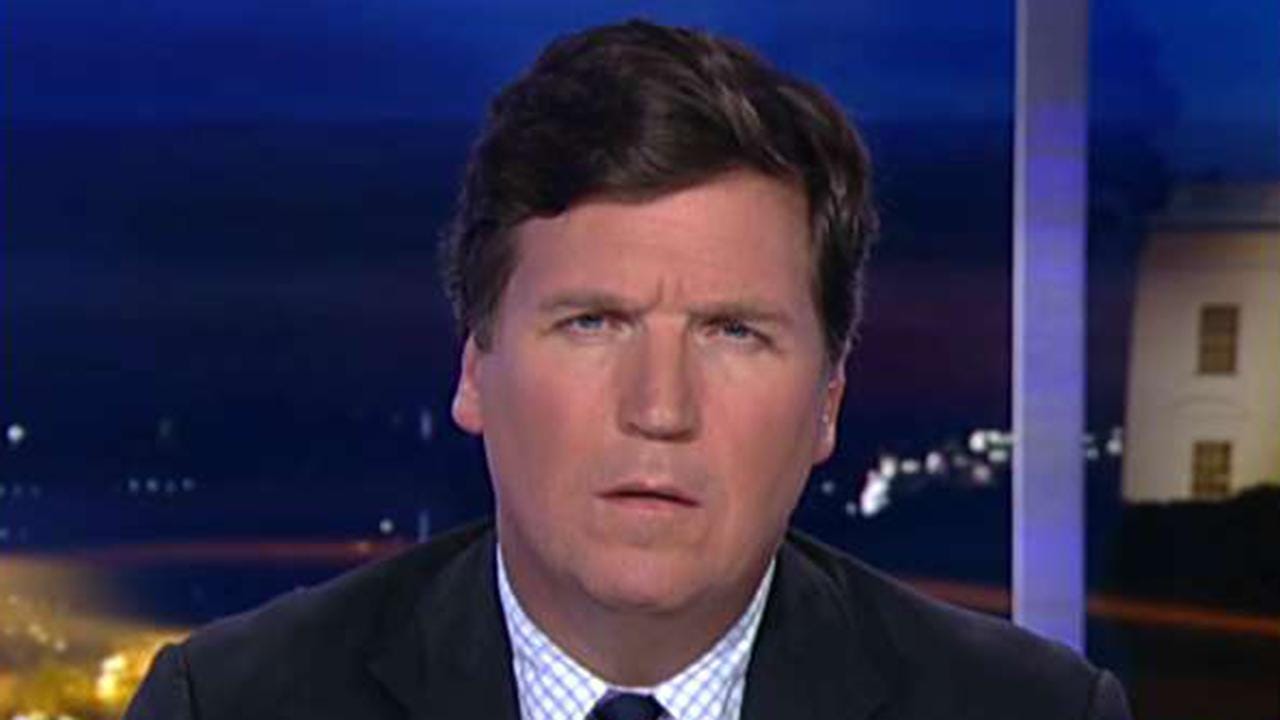
My guest on the show today, our special Fourth of July sesquicentennial episode, is Jacob Siegel. He's a writer and editor at Tablet Magazine, an Iraq and Afghanistan vet, co-host of the Manifesto! podcast, and author of the new book, The Information State, which we don’t discuss on the episode.Our topic, instead, is the “The Disappearing American Man,” the first installment of a column that Jacob is now writing for Tablet. To give you a sense of the essay, which is slightly to the left or maybe to the right or just below or above the typical crisis of masculinity polemic, here’s a particularly pungent passage from it:What I see in many prominent and representative American men today is a dribbling sludge of bitterness. A peacocking display of impotence, debility, worminess, insincerity, lack of competence, lack of confidence, lack of élan, pettiness, selfishness, scheming, and self-pity. Not all men, as the saying goes, but enough to pass a civilizational tipping point. The young men standing up at town hall meetings are almost pompous in their bitterness. The anonymous posters online have turned cattiness and petty sadism into a group erotic ritual. The politicians are embittered, the podcasters are embittered, even the popular comedians are embittered. Probably the comedians are the most bitter of all.Much of this bitterness seems to stem from an ambient feeling of betrayal. Today’s American man knows that he has been wronged. By globalist elites and international pedophile rings or else by his own toxic masculinity. By immigrants or perhaps by his innate racism. By “woke capital”; diversity, equity, and inclusion; greedy billionaires; and unappreciative modern women. And by the Jews, of course. Always by the Jews. So that's just a taste. It's a pretty intense, hard-charging essay. I would say there's more or less two overlapping arguments in the essay. One is about this bitterness as it's expressed in the more venomous, less inhibited regions of the right, which Siegel traces to the effects of the failed wars after 9/11, the thesis being something like: when the globe-bestriding American military colossus can't beat a bunch of goat herders, it powerfully undermines the projective identity that so many men, and particularly men on the right, have had with American military power. Its power is our power, is how they felt, and so then when its power is undermined so thoroughly, it strikes right at the core of people's identity, their sense of themselves as men. And what some people did with that searing sense of impotence was to turn it not just against the left, which is traditional right-wing move, but against the American soldier himself, and then behind him against what the American soldier traditionally has represented, which is American power, American might, American manliness. Attached to that is a historical narrative, a quite conspiratorial one, that the long period that most of us think of as a kind of golden age of American power and manliness, from the end of WW II to the end of the Cold War, was in fact a long, deep con perpetrated by the globalists on the real American men, who were its innocent victims. All that time that we thought we were powerful, by virtue of our affiliation and identification with American power, we were in fact being manipulated and betrayed. (Jacob and I wouldn’t say “we,” of course, since as Jews we were perpetrators of the con, not its victims.)So that's argument one, and the other argument, which I think is downstream of that one, is that an effect of all that — the loss of the wars, the cultural and political reaction to it — is that the cultural ideal of the American man has become exhausted. That figure who stood a certain way, held a cigarette a certain way, often looked on the world with a certain cool disdain, has died or at least has gone conspicuously silent. An archetype that was capacious enough over the decades to manifest in figures as diverse as manly Hemingway, the dandy Gatsby, the stoic Marlboro Man, swaggering Muhammad Ali, and the alienated Kurt Cobain seems no longer to be producing new manifestations of itself. The world spirit has abandoned him/us. Then braiding through these two arguments is Jacob’s own story of being in the wars. He did 15 months in Iraq, and then after some years in which he rather failed to figure out life as a civilian, he signed up again and went to Afghanistan. And it was in that space, he writes, that he was able to reassemble himself in a way that could eventually go on to do some flourishing in the aftermath. The piece opens with a road trip he takes with a bunch of enlisted guys from his unit, men over whom he had command. They semi-licitly liberated a van from the motor pool, and they went to see families of two soldiers who'd been killed by an IED in their last month over there. He talks about being the only officer in this tight group of enlisted men, some of whom had some real suspicion of him. He writes about his sense of guilt and dislocation during the interregnum between his two stints. He and I talk about that. We go into his theory of how the right talked itself into treating World War II as the original sin of American betrayal, how that recasts the Greatest Generation as a bunch of cucks, how a guy like Tucker Carlson, who was such a cheerleader for the Iraq War, has re-imagined himself into a state of metaphysical victimhood and purity, and how the big story of the betrayal of the American man has a weird double-sidedness to it— the true American man is pure, because he’s not responsible for the nation’s sins, but he also has no agency. He’s a dupe, a cuck.And so on. We get deep in the shit, in other words. I thoroughly enjoyed it. Hope you do too. Peace. This is a public episode. If you'd like to discuss this with other subscribers or get access to bonus episodes, visit danieloppenheimer.substack.com/subscribe
Embed this episode
NOW PLAYING
Who Killed the American Man?
No transcript for this episode yet
Similar Episodes
No similar episodes found.