
EPISODE · Oct 1, 2023 · 6 MIN
“Why is Leukocytosis Important When Evaluating Odontogenic Infections?”
from Dr. Gallagher's Podcast · host Brendan Gallagher, DDS
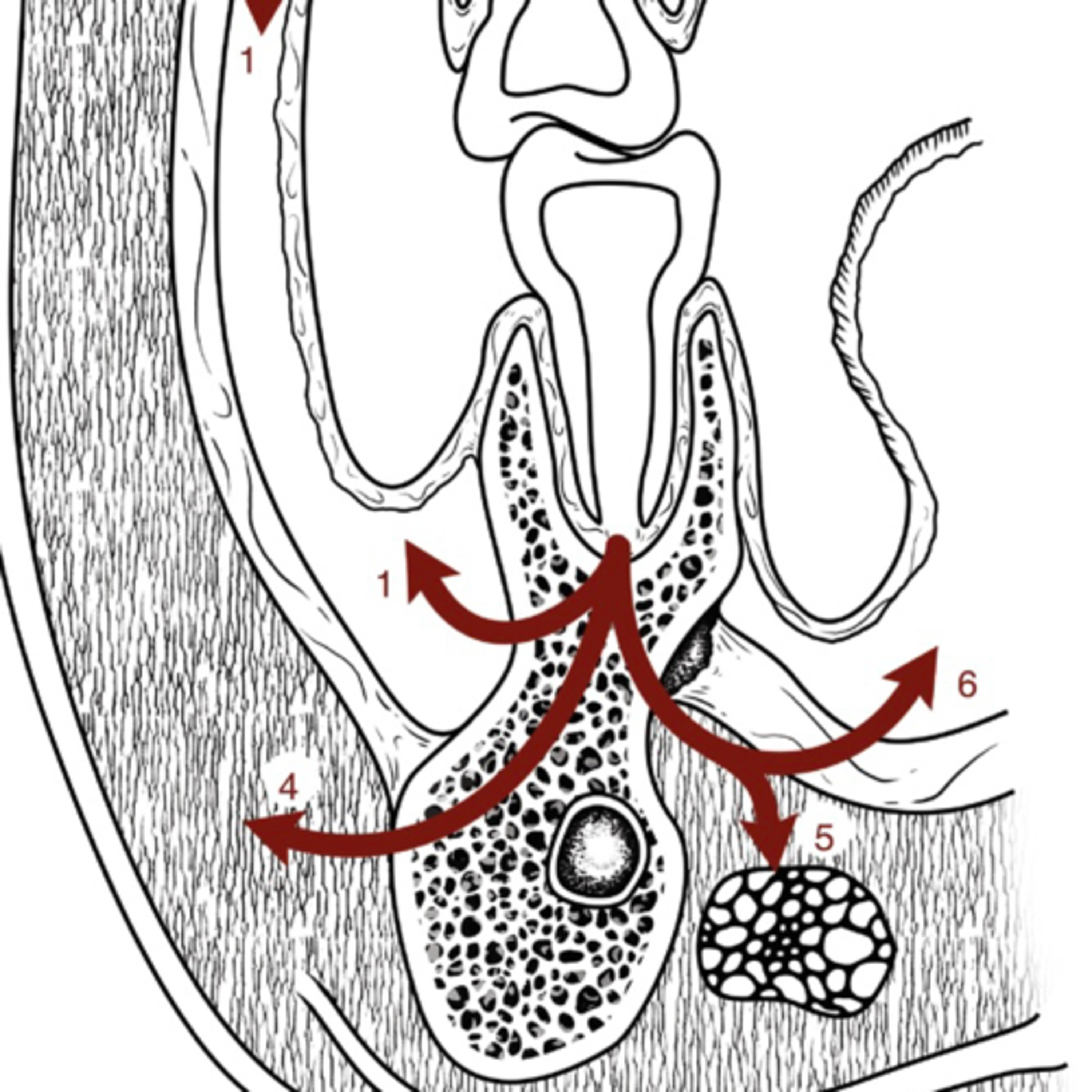
Quick Read #64 - #infection #teeth #pathology #oralpathology #doctorgallagher #oralsurgery #oralsurgeon #dentist #dentistry #dental Leukocytosis refers to an elevated white blood cell (WBC) count in the bloodstream. White blood cells are a crucial part of the immune system, and their numbers can increase in response to various factors, including infections and inflammation. In certain odontogenic infections, such as dental abscesses or severe gum infections, leukocytosis can occur as a response to the infection. This happens because the body recognizes the presence of bacteria or other pathogens in the oral cavity and mobilizes white blood cells to fight the infection. The elevation of WBC count in infections is a part of the body's natural defense mechanism. When pathogens invade the body, the immune system releases signaling molecules called cytokines, which stimulate the bone marrow to produce more white blood cells. This increased production leads to a higher WBC count in the bloodstream. Key signs and symptoms that clinicians should look for to assess the severity of an infection, in addition to the WBC, may include: 1. Vital signs including blood pressure, heart rate, and fever, which indicates an inflammatory response. 2. Pain, edema, and erythema at the site of the infection. 3. Trismus; difficulty when opening the jaw. 4. Pus or discharge from the affected area. 5. Extent of swelling into other spaces of the face, head and neck. 6. Enlarged lymph nodes in the neck or jaw area. 7. Systemic symptoms such as fatigue and malaise. 8. Recent administration of corticosteroids (ie. dexamethasone, for example, can cause an increase in WBC; sometimes given to decrease inflammation in the setting of surgery) Clinicians may also use imaging studies, such as X-rays or CT scans, to assess the extent of the infection and its potential complications, such as abscess formation or involvement of nearby structures. It's important to note that not all infections lead to leukocytosis, and the degree of elevation in WBC count can vary depending on the type and severity of the infection, as well as individual patient factors. Monitoring the WBC count, along with clinical symptoms and imaging, can help guide treatment decisions in cases of odontogenic infections or any other infectious condition. References: 1. Janeway, C. A., Travers, P., Walport, M., & Shlomchik, M. J. (2001). Immunobiology: The Immune System in Health and Disease. Garland Science. 2. Newman, M. G., Takei, H. H., Klokkevold, P. R., & Carranza, F. A. (2014). Carranza’s Clinical Periodontology. Saunders. 3. Kumar, V., Abbas, A. K., Aster, J. C., & Robbins, S. L. (2020). Robbins Basic Pathology. Elsevier. 4. ChatGPT. 2023.
What this episode covers
Quick Read #64 - #infection #teeth #pathology #oralpathology #doctorgallagher #oralsurgery #oralsurgeon #dentist #dentistry #dental Leukocytosis refers to an elevated white blood cell (WBC) count in the bloodstream. White blood cells are a crucial part of the immune system, and their numbers can increase in response to various factors, including infections and inflammation. In certain odontogenic infections, such as dental abscesses or severe gum infections, leukocytosis can occur as a response to the infection. This happens because the body recognizes the presence of bacteria or other pathogens in the oral cavity and mobilizes white blood cells to fight the infection. The elevation of WBC count in infections is a part of the body's natural defense mechanism. When pathogens invade the body, the immune system releases signaling molecules called cytokines, which stimulate the bone marrow to produce more white blood cells. This increased production leads to a higher WBC count in the bloodstream. Key signs and symptoms that clinicians should look for to assess the severity of an infection, in addition to the WBC, may include: 1. Vital signs including blood pressure, heart rate, and fever, which indicates an inflammatory response. 2. Pain, edema, and erythema at the site of the infection. 3. Trismus; difficulty when opening the jaw. 4. Pus or discharge from the affected area. 5. Extent of swelling into other spaces of the face, head and neck. 6. Enlarged lymph nodes in the neck or jaw area. 7. Systemic symptoms such as fatigue and malaise. 8. Recent administration of corticosteroids (ie. dexamethasone, for example, can cause an increase in WBC; sometimes given to decrease inflammation in the setting of surgery) Clinicians may also use imaging studies, such as X-rays or CT scans, to assess the extent of the infection and its potential complications, such as abscess formation or involvement of nearby structures. It's important to note that not all infections lead to leukocytosis, and the degree of elevation in WBC count can vary depending on the type and severity of the infection, as well as individual patient factors. Monitoring the WBC count, along with clinical symptoms and imaging, can help guide treatment decisions in cases of odontogenic infections or any other infectious condition. References: 1. Janeway, C. A., Travers, P., Walport, M., & Shlomchik, M. J. (2001). Immunobiology: The Immune System in Health and Disease. Garland Science. 2. Newman, M. G., Takei, H. H., Klokkevold, P. R., & Carranza, F. A. (2014). Carranza’s Clinical Periodontology. Saunders. 3. Kumar, V., Abbas, A. K., Aster, J. C., & Robbins, S. L. (2020). Robbins Basic Pathology. Elsevier. 4. ChatGPT. 2023.
NOW PLAYING
“Why is Leukocytosis Important When Evaluating Odontogenic Infections?”
No transcript for this episode yet
Similar Episodes
Dec 5, 2025 ·50m
Oct 9, 2025 ·33m
Oct 3, 2025 ·40m
Sep 11, 2025 ·31m
Aug 27, 2025 ·39m
Aug 18, 2025 ·54m