PodParley PodParley

Why the SC Judgement on Char Dham Highway Project is Problematic

Episode 846 of the The Big Story podcast, hosted by The Quint, titled "Why the SC Judgement on Char Dham Highway Project is Problematic" was published on December 15, 2021 and runs 17 minutes.

December 15, 2021 ·17m · The Big Story

0:00 / 0:00

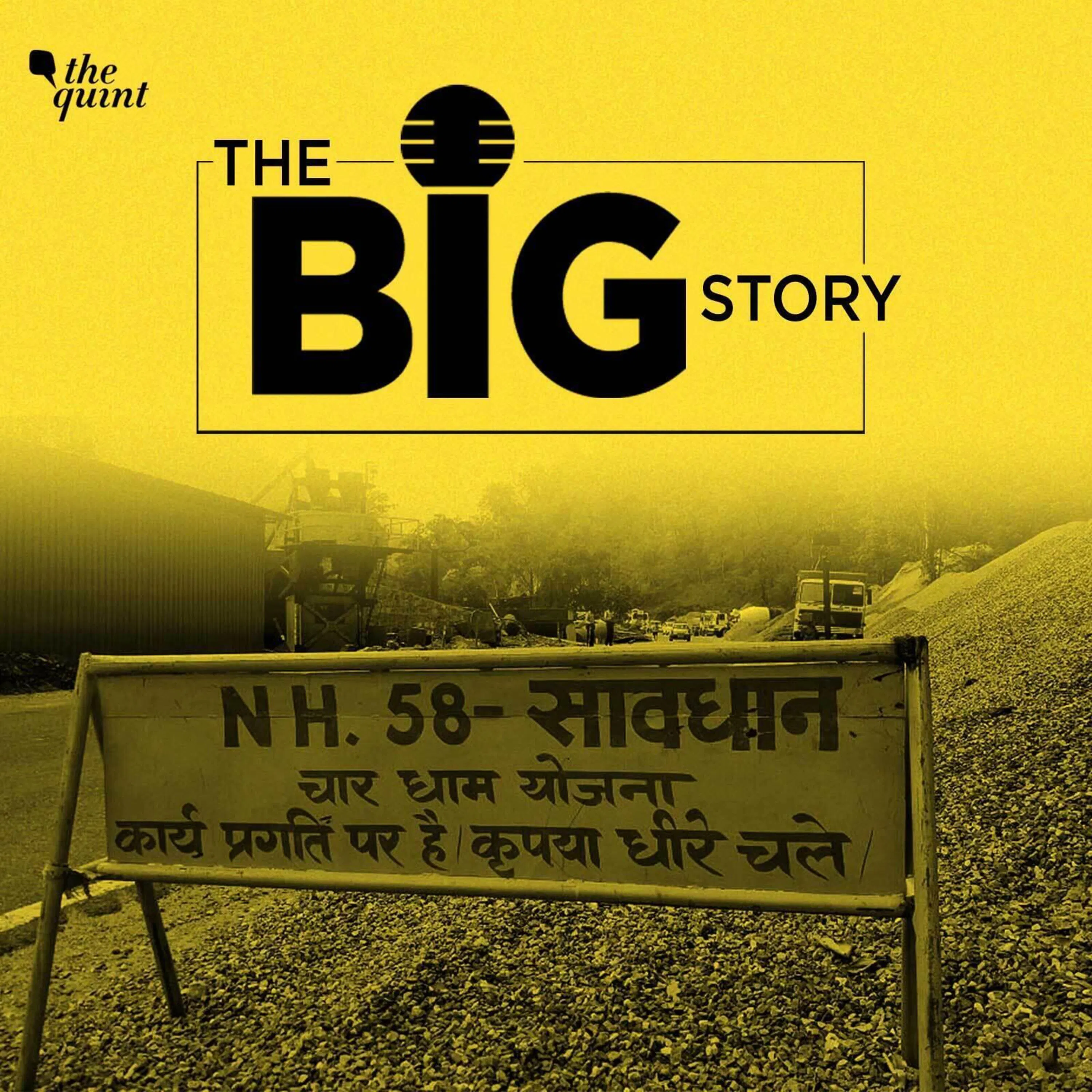
How does a tourism infrastructure project suddenly become a concern of the Ministry of Defence in India? This is the question which every environment activist in the country is asking about the controversial Char Dham Highway Development Project, which has been riddled with ecological violations ever since its construction began in 2016. The Rs 12,000 crore highway expansion project aims to widen nearly 900 kms of hills in Uttarakhand to provide all weather connectivity to the state’s four major shrines—Badrinath, Kedarnath, Gangotri and Yamunotri—all in the upper Himalayas and all in very ecological sensitive zones. Now, the project from its start had a clear motive to provide easier access to the shrines. But over the years, with each ecological concern raised by activist in the Supremo Court, specifically targeting the petition to widen the roads beyond the Ministry of Roads and Transport 2018 mandate of 5.5 meters, the project has also moved into the ambit of national security. The Ministry of Defense in an affidavit in 2020 claimed that the roads need to be 7 meter wide to ferry essential arms and ammunition to sensitive border areas, given the rising China threat. And while the Supreme Court noted the environment concerns regarding the project, it agreed to the requirements of “national security,” and essentially, set aside its 2020 judgement where it denied the Ministry of Road and Transport the same thing. And activists and NGO’s petitioning the widening of the highway project have been baffled by the Supreme Court judgement given that it does provide any credence to what they have been saying for the past few years or the hundreds of landslides which have occurred in the region due to the project. Guest: Mallika Bhanot, a member of Ganga Ahvaan, a citizen forum working towards conserving the Ganga and the Himalayas Host and Producer: Himmat Shaligram Editor: Shorbori Purkayastha Music: Big Bang Fuzz Listen to The Big Story podcast on: Apple: https://apple.co/2AYdLIl Saavn: http://bit.ly/2oix78C Google Podcasts: http://bit.ly/2ntMV7S Spotify: https://spoti.fi/2IyLAUQ Deezer: http://bit.ly/2Vrf5Ng Castbox: http://bit.ly/2VqZ9ur Learn more about your ad choices. Visit megaphone.fm/adchoices

How does a tourism infrastructure project suddenly become a concern of the Ministry of Defence in India? This is the question which every environment activist in the country is asking about the controversial Char Dham Highway Development Project, which has been riddled with ecological violations ever since its construction began in 2016. The Rs 12,000 crore highway expansion project aims to widen nearly 900 kms of hills in Uttarakhand to provide all weather connectivity to the state’s four major shrines—Badrinath, Kedarnath, Gangotri and Yamunotri—all in the upper Himalayas and all in very ecological sensitive zones. Now, the project from its start had a clear motive to provide easier access to the shrines. But over the years, with each ecological concern raised by activist in the Supremo Court, specifically targeting the petition to widen the roads beyond the Ministry of Roads and Transport 2018 mandate of 5.5 meters, the project has also moved into the ambit of national security. The Ministry of Defense in an affidavit in 2020 claimed that the roads need to be 7 meter wide to ferry essential arms and ammunition to sensitive border areas, given the rising China threat. And while the Supreme Court noted the environment concerns regarding the project, it agreed to the requirements of “national security,” and essentially, set aside its 2020 judgement where it denied the Ministry of Road and Transport the same thing. And activists and NGO’s petitioning the widening of the highway project have been baffled by the Supreme Court judgement given that it does provide any credence to what they have been saying for the past few years or the hundreds of landslides which have occurred in the region due to the project. Guest: Mallika Bhanot, a member of Ganga Ahvaan, a citizen forum working towards conserving the Ganga and the Himalayas Host and Producer: Himmat Shaligram Editor: Shorbori Purkayastha Music: Big Bang Fuzz Listen to The Big Story podcast on: Apple: https://apple.co/2AYdLIl Saavn: http://bit.ly/2oix78C Google Podcasts: http://bit.ly/2ntMV7S Spotify: https://spoti.fi/2IyLAUQ Deezer: http://bit.ly/2Vrf5Ng Castbox: http://bit.ly/2VqZ9ur Learn more about your ad choices. Visit megaphone.fm/adchoices
The Hybrid Podcast The Hybrid Podcast Hosted by Michigan natives Noah Kole and Nathan Wahr, The Hybrid Podcast focuses on all the big storylines each week throughout a number of sports. From football to golf, nothing is off limits as Kole and Wahr analyze and break down what's new and happening with an unbiased lens. 5 live Breakfast: Your Call BBC Radio 5 live Nicky Campbell presents a lively debate with listeners on the big news story of the day, broadcast live every weekday from 9am on BBC Radio 5 live.This podcast has now finished. Why not check out other similar podcasts below in the "You may also like" section? The Big Ponder Goethe-Institut This transatlantic podcast explores abstract concepts and phenomena through personal radio essays. Every other week, one of our producers transforms a broad topic into a captivating story told from a US-German perspective. The Big Time Fritz Leiber The Big Time is a science fiction novel by American writer Fritz Leiber, involving only a few characters, but with a vast, cosmic back story. The storyline features members of one of two factions, both capable of time travel, engaged in a long-term conflict called "The Change War". Their method of battle involves changing the outcomes of events throughout history (temporal war). The two opposing groups are nicknamed the Spiders and the Snakes after their respective sponsors. The true forms or identities of the Spiders and the Snakes, how those nicknames were chosen, or whether they are in any way descriptive are all unknown."
URL copied to clipboard!