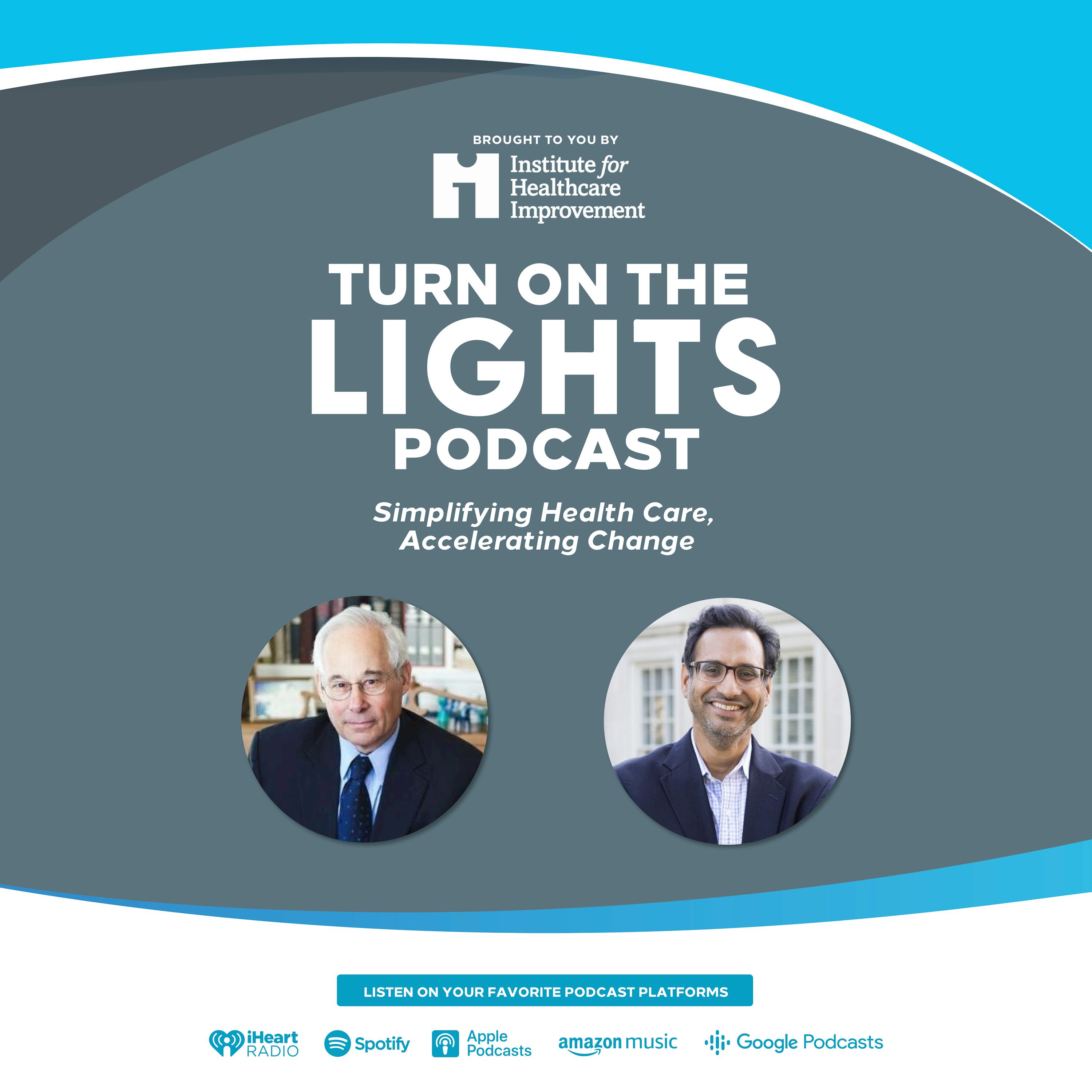
Why The US Pays More For The Same Medications Than Everyone Else with Dr. Jerry Avorn episode artwork

EPISODE · Feb 6, 2026 · 45 MIN

Why The US Pays More For The Same Medications Than Everyone Else with Dr. Jerry Avorn

from Turn on the Lights Podcast

America’s drug crisis isn’t a science problem; it’s a pricing and policy problem that blocks patients from medicines that already exist. In this episode, Dr. Jerry Avorn, a professor of medicine and leading expert in pharmacoepidemiology and medication policy, discusses why many patients still can’t afford essential treatments even as breakthrough drugs for cancer and inflammatory disease proliferate. He shares a personal case where “nonadherence” was really unaffordability, then unpacks how US exceptionalism in drug pricing, patent “thickets,” and delayed competition keep costs unsustainably high. Dr. Avorn also contrasts access failures with overuse concerns, explores why other countries negotiate on the basis of value, and addresses objections to innovation and rationing, including a sobering example of cystic fibrosis in the UK. Finally, he explains how academic detailing spreads evidence-based prescribing and evaluates recent US attempts to let Medicare negotiate prices alongside more deal-driven approaches.  Tune in and learn how drug prices, patents, and public funding shape what patients can actually access! Resources: Connect with and follow Dr. Jerry Avorn on LinkedIn. Follow Harvard Medical School on LinkedIn and explore their website! Learn more about Brigham and Women’s Hospital on LinkedIn and visit their website. Visit Dr. Avorn’s personal website. Buy the Rethinking Meds book here and learn more about it here. Learn more about your ad choices. Visit megaphone.fm/adchoices

America’s drug crisis isn’t a science problem; it’s a pricing and policy problem that blocks patients from medicines that already exist. In this episode, Dr. Jerry Avorn, a professor of medicine and leading expert in pharmacoepidemiology and medication policy, discusses why many patients still can’t afford essential treatments even as breakthrough drugs for cancer and inflammatory disease proliferate. He shares a personal case where “nonadherence” was really unaffordability, then unpacks how US exceptionalism in drug pricing, patent “thickets,” and delayed competition keep costs unsustainably high. Dr. Avorn also contrasts access failures with overuse concerns, explores why other countries negotiate on the basis of value, and addresses objections to innovation and rationing, including a sobering example of cystic fibrosis in the UK. Finally, he explains how academic detailing spreads evidence-based prescribing and evaluates recent US attempts to let Medicare negotiate prices alongside more deal-driven approaches.  Tune in and learn how drug prices, patents, and public funding shape what patients can actually access! Resources: Connect with and follow Dr. Jerry Avorn on LinkedIn. Follow Harvard Medical School on LinkedIn and explore their website! Learn more about Brigham and Women’s Hospital on LinkedIn and visit their website. Visit Dr. Avorn’s personal website. Buy the Rethinking Meds book here and learn more about it here. Learn more about your ad choices. Visit megaphone.fm/adchoices

NOW PLAYING

Why The US Pays More For The Same Medications Than Everyone Else with Dr. Jerry Avorn

0:00 45:11

No transcript for this episode yet

We transcribe on demand. Request one and we'll notify you when it's ready — usually under 10 minutes.

Frequently Asked Questions

How long is this episode of Turn on the Lights Podcast?

This episode is 45 minutes long.

When was this Turn on the Lights Podcast episode published?

This episode was published on February 6, 2026.

What is this episode about?

America’s drug crisis isn’t a science problem; it’s a pricing and policy problem that blocks patients from medicines that already exist. In this episode, Dr. Jerry Avorn, a professor of medicine and leading expert in pharmacoepidemiology and...

Can I download this Turn on the Lights Podcast episode?

Yes, you can download this episode by clicking the download button on the episode player, or subscribe to the podcast in your preferred podcast app for automatic downloads.
URL copied to clipboard!