
EPISODE · Mar 7, 2026 · 16 MIN
Why You Work Out but Don’t Feel Stronger
from The Where's Your Money Podcast · host Andrew Della Pelle
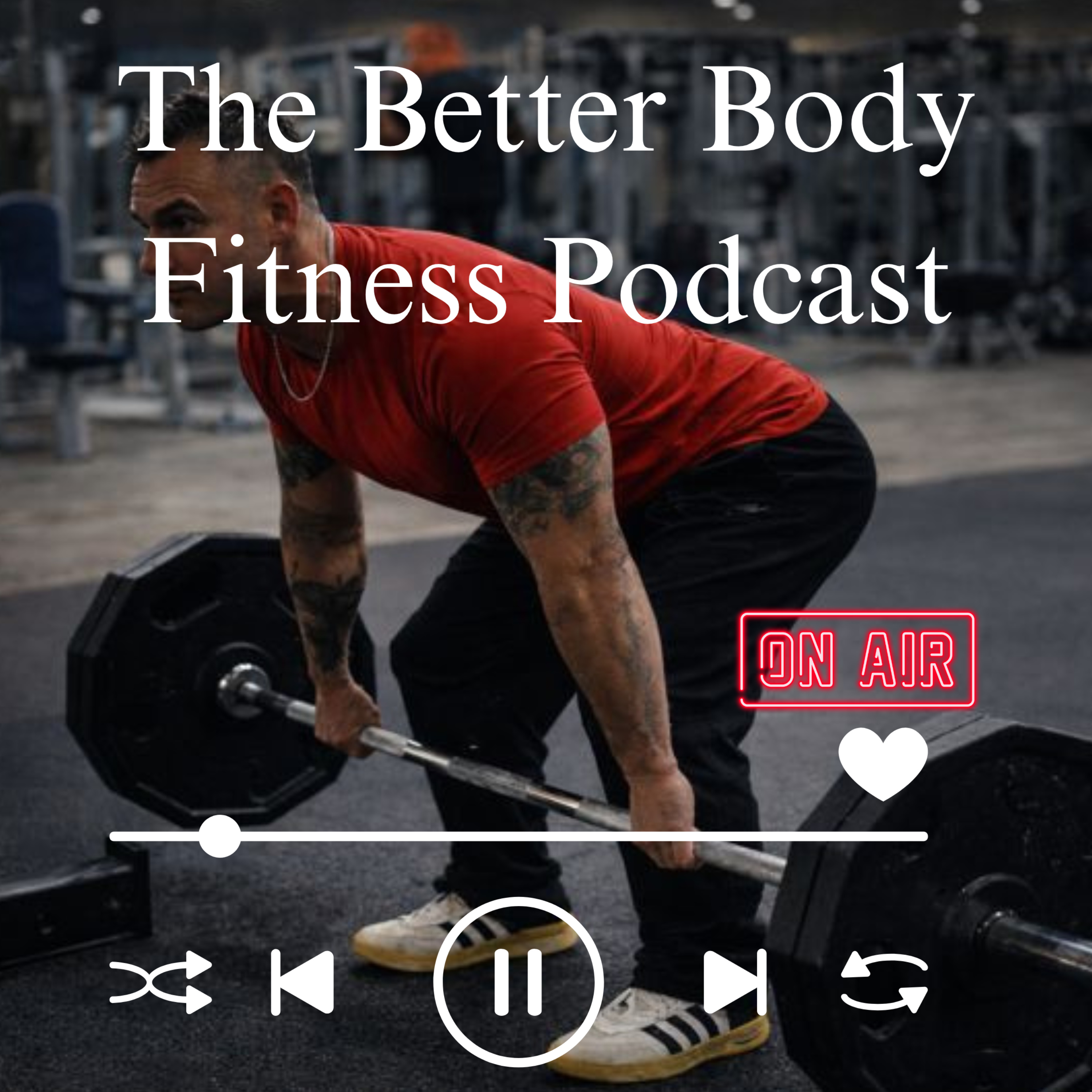
Why do people work out consistently but still feel like they’re not getting stronger?It’s one of the most common questions people ask in the gym. Many people hit a workout plateau where progress suddenly slows down or stops. The weights feel the same, the reps feel the same, and gym progress doesn’t seem to move forward.This episode of the Better Body Fitness Podcast explains why workouts stop working and what’s actually happening inside your body during strength training.Most people believe getting stronger is just about building bigger muscles. While building muscle does matter, strength is actually the result of two systems working together: the muscular system and the nervous system.Your muscles produce force, but your nervous system controls how that force is produced. Every time you lift a weight, your brain sends signals through your nervous system telling your muscles how many fibers to activate and how much force to generate. This communication process is known as neuromuscular efficiency, and it plays a major role in how muscles grow and how strength develops.This is why someone can go to the gym consistently and still feel like they aren’t getting stronger. They might be exercising regularly, but if their training isn’t improving how their nervous system activates their muscles, strength gains can slow down.Another major reason people stop seeing progress is the body’s natural ability to adapt. In exercise science, this is called the SAID principle, which stands for Specific Adaptation to Imposed Demands. Your body adapts specifically to the type of training stress you place on it.When someone first starts strength training, almost everything challenges the body. Muscles get sore, movements feel unfamiliar, and the body works hard to adjust to the new demand.But eventually the body becomes efficient. If workouts stay the same week after week—same exercises, same weight, same repetitions—the body adapts to that demand and no longer needs to improve. This is where many strength plateaus and workout plateaus begin.To understand how to break through that plateau, it helps to understand how muscles actually produce force.Muscles are made up of bundles called fascicles, and inside those bundles are muscle fibers. These fibers contract to create force. Groups of these fibers are controlled by the nervous system through structures called motor units.When a movement requires more force—like lifting heavier weight—the body recruits more motor units and activates more muscle fibers. The more fibers working together, the more force the body can produce.However, the body only recruits more muscle fibers when the demand requires it. If the workout demand stays the same, muscle recruitment stays the same, and strength gains stop.This is why progressive overload is one of the most important principles in strength training for beginners and experienced lifters alike.Progressive overload simply means gradually increasing the demand placed on your body over time. This could mean lifting heavier weight, performing more repetitions, improving control of a movement, or increasing training intensity.Small increases in training demand are what tell the body it needs to adapt. Over time, these small changes improve muscle activation, increase motor unit recruitment, and lead to real improvements in strength and muscle growth.Understanding how your muscles, nervous system, and training demands work together makes it much easier to train properly, break through plateaus, and continue building strength over the long run.
Embed this episode
Ready to play
Why You Work Out but Don’t Feel Stronger
No transcript for this episode yet
Similar Episodes
No similar episodes found.
Similar Podcasts
No similar podcasts found.