
EPISODE · May 18, 2026 · 18 MIN
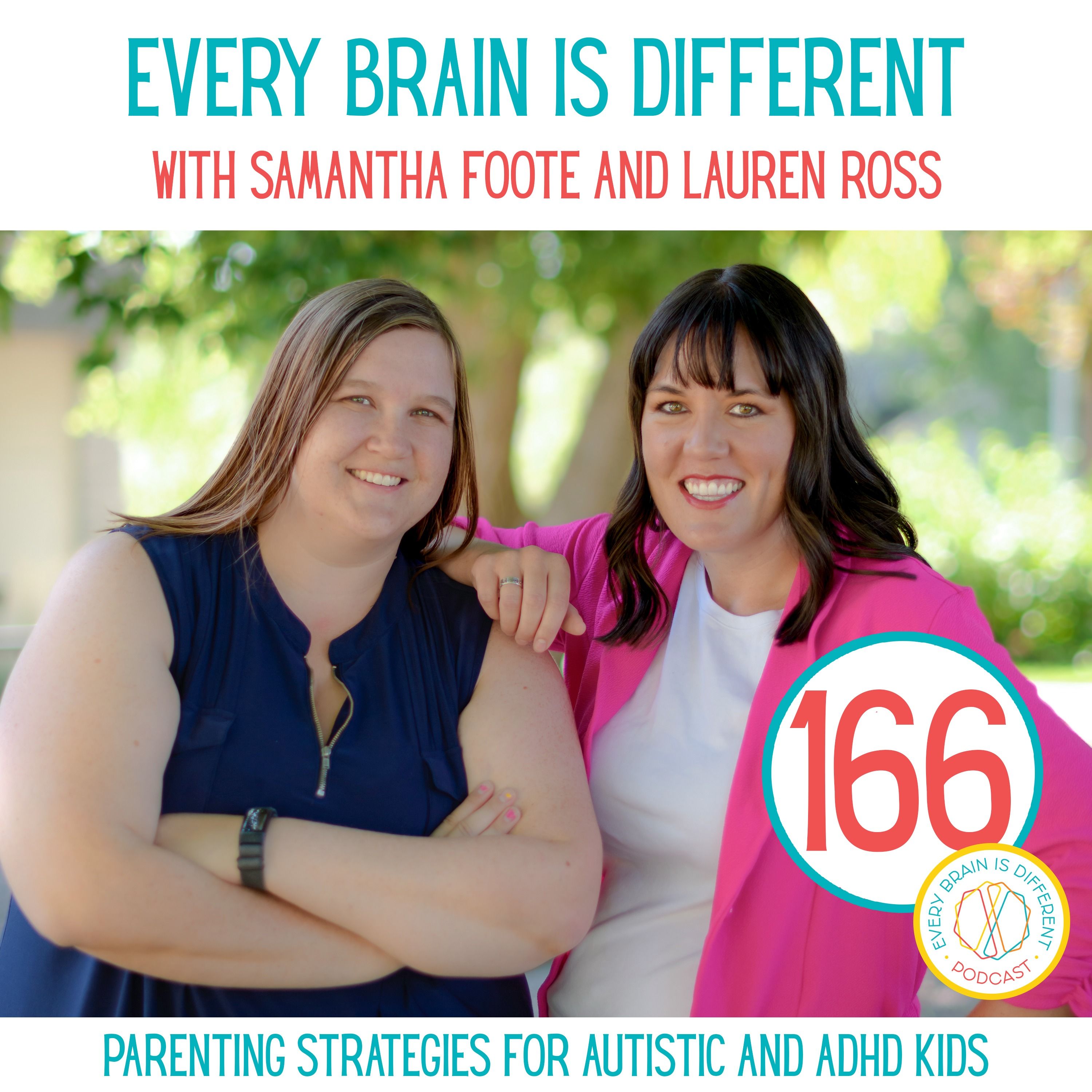
Why Your Child Holds It Together at School, Then Explodes at Home (And How Masking Plays a Role) | Ep. 166
from Autistic and ADHD Kids Parenting Strategies: Every Brain is Different · host Samantha Foote
Join the Neurodivergent Parenting Community: https://www.everybrainisdifferent.com/podcast Samantha and Lauren discuss how neurodivergent children may mask at school or other settings: suppressing stims, sensory distress, and authentic behavior to appear “typical” and then have meltdowns at home because home feels safest, a pattern also described as after-school restraint collapse. They emphasize that these explosions are nervous system and stress responses, not manipulation, and that chronic masking drains executive functioning and can leave kids in fight-or-flight. The episode outlines signs a child may be struggling at school (shutdowns, irritability, control-seeking, sibling conflict, isolation, increased PDA behaviors, avoiding help, and even not using the bathroom) and suggests ways to reduce nervous system load and improve safety at school through sensory-friendly routines, supportive accommodations, authenticity at home, and self-advocacy skills, while avoiding forced eye contact, dismissing concerns, over-scheduling, and rewarding extreme compliance. 00:00 Masking Recap 01:02 Why Home Meltdowns Happen 02:15 What Masking Looks Like 03:43 Executive Function Burnout 06:26 After School Restraint Collapse 06:59 Signs of Distress at School 09:20 Signs Your Child Masks 11:31 Reduce Load Before School 13:40 School Supports That Help 15:39 Stop Rewarding Compliance 16:47 Build Authenticity at Home 17:17 Teach Self Advocacy 17:41 What Not To Do 19:35 Connection Over Correction Connect with Samantha Foote!Website: https://everybrainisdifferent.com/Instagram: https://www.instagram.com/everybrainisdifferentYouTube: https://www.youtube.com/@everybrainisdifferent
What this episode covers
Samantha and Lauren discuss how neurodivergent children may mask at school or other settings: suppressing stims, sensory distress, and authentic behavior to appear “typical” and then have meltdowns at home because home feels safest, a pattern also described as after-school restraint collapse. They emphasize that these explosions are nervous system and stress responses, not manipulation, and that chronic masking drains executive functioning and can leave kids in fight-or-flight. The episode outlines signs a child may be struggling at school (shutdowns, irritability, control-seeking, sibling conflict, isolation, increased PDA behaviors, avoiding help, and even not using the bathroom) and suggests ways to reduce nervous system load and improve safety at school through sensory-friendly routines, supportive accommodations, authenticity at home, and self-advocacy skills, while avoiding forced eye contact, dismissing concerns, over-scheduling, and rewarding extreme compliance.
NOW PLAYING
Why Your Child Holds It Together at School, Then Explodes at Home (And How Masking Plays a Role) | Ep. 166
No transcript for this episode yet
Similar Episodes
Mar 26, 2026 ·1m
Mar 19, 2026 ·34m
Feb 18, 2026 ·11m
Feb 11, 2026 ·45m