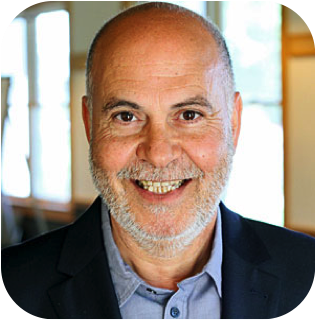
William Wordsworth and te French Revolution episode artwork

EPISODE · Jun 13, 2019 · 1H 15M

William Wordsworth and te French Revolution

from Maghrib in Past & Present | Podcasts · host themaghribpodcast.com

Episode 67: William Wordsworth and te French Revolution  Dr. Mounir Khélifa studied English at the Sorbonne and Yale University where he received his MA and PhD, respectively. A professor of English language and literature for more than three decades, he taught poetics, comparative literature, and literary theory at the University of Tunis. Former director of the graduate program in English, Dr. Khélifa was also a senior advisor to the Ministry of Higher Education and Scientific Research, where he was responsible for international cooperation and curriculum reform. Currently, Dr. Khélifa runs the School for International Training study-abroad program in Tunisia. He is a lifetime member of the Tunisian Academy for the Arts, Letters, and Sciences, Beit al-Hikma. William Wordsworth was the only English poet of his generation to have been an eyewitness to the French Revolution. To the momentous event he devoted no less than three books in his autobiographical epic poem, The Prelude. It is conventionally accepted that his relation to the revolution altered radically during the course of the events, and that this relation went from passionate enthusiasm at the storming of the Bastille to doubt and fear during the Reign of Terror to utter rejection and denial at the rise of Napoleon and during the ensuing Napoleonic Wars.     Yet even as this doxa accounts for the poet’s changing attitude towards the revolution, it fails to explain the complex emotional and intellectual processes that activated the change.  It fails mainly to consider that the change occurs in a poem designed to ratify “the growth of the poetic mind.”  Wordsworth has no pretense to be a historian. His recounting of the revolutionary events, he warns the reader, is justified only insofar as the events have been “storm or sunshine to [his] mind.”  Dr Mounir Khélifa argues that if the expression “storm and sunshine” refers to the aesthetic emotion known as the sublime (beauty that has terror in it, Edmund Burke), then this emotion never abated in him and that throughout his entire life he kept “daring sympathies with power” whenever he recalled the French Revolution.   This lecture was co-organised by the Centre d'Études Maghrébines en Algérie (CEMA) and the École Normale Superieure d’Oran (ENS). This episode is part of the Arts & Literature in the Maghrib lecture series and was recorded on April 24th,  2019, at the École Normale Supérieure d’Oran (ENS). Pr. Sidi Mohamed Lakhdar Barka, Professor of Comparative Literature from the Department of English at University of Oran 2 moderated the lecture. We thank Dr. Jonathan Glasser, Cultural Anthropologist at the College of William & Mary for his istikhbar in sika on viola for the introduction and conclusion of this podcast. Realization and editing:  Hayet Lansari, Librarian, Outreach Coordinator, Content Curator (CEMA).

Dr. Mounir Khélifa studied English at the Sorbonne and Yale University where he received his MA and PhD, respectively. A professor of English language and literature for more than three decades, he taught poetics, comparative literature, and literary theory at the University of Tunis. Former director of the graduate program in English, Dr. Khélifa was also a senior advisor to the Ministry of Higher Education and Scientific Research, where he was responsible for international cooperation and curriculum reform. Currently, Dr. Khélifa runs the School for International Training study-abroad program in Tunisia. He is a lifetime member of the Tunisian Academy for the Arts, Letters, and Sciences, Beit al-Hikma. William Wordsworth was the only English poet of his generation to have been an eyewitness to the French Revolution. To the momentous event he devoted no less than three books in his autobiographical epic poem, The Prelude. It is conventionally accepted that his relation to the revolution altered radically during the course of the events, and that this relation went from passionate enthusiasm at the storming of the Bastille to doubt and fear during the Reign of Terror to utter rejection and denial at the rise of Napoleon and during the ensuing Napoleonic Wars.     Yet even as this doxa accounts for the poet’s changing attitude towards the revolution, it fails to explain the complex emotional and intellectual processes that activated the change.  It fails mainly to consider that the change occurs in a poem designed to ratify “the growth of the poetic mind.”  Wordsworth has no pretense to be a historian. His recounting of the revolutionary events, he warns the reader, is justified only insofar as the events have been “storm or sunshine to [his] mind.”  Dr Mounir Khélifa argues that if the expression “storm and sunshine” refers to the aesthetic emotion known as the sublime (beauty that has terror in it, Edmund Burke), then this emotion never abated in him and that throughout his entire life he kept “daring sympathies with power” whenever he recalled the French Revolution.   This lecture was co-organised by the Centre d’Études Maghrébines en Algérie (CEMA) and the École Normale Superieure d’Oran (ENS). This episode is part of the Arts & Literature in the Maghrib lecture series and was recorded on April 24th,  2019, at the École Normale Supérieure d’Oran (ENS). Pr. Sidi Mohamed Lakhdar Barka, Professor of Comparative Literature from the Department of English at University of Oran 2 moderated the lecture. We thank Dr. Jonathan Glasser, Cultural Anthropologist at the College of William & Mary for his istikhbar in sika on viola for the introduction and conclusion of this podcast. Realization and editing:  Hayet Lansari, Librarian, Outreach Coordinator, Content Curator (CEMA).

NOW PLAYING

William Wordsworth and te French Revolution

0:00 1:15:01

No transcript for this episode yet

We transcribe on demand. Request one and we'll notify you when it's ready — usually under 10 minutes.

MG Show MG Show The MG Show, hosted by Jeffrey Pedersen and Shannon Townsend, is a leading alternative media platform dedicated to uncovering the truth behind today’s most pressing political issues. Launched in 2019, the show has grown exponentially, offering unfiltered insights, comprehensive research, and real-time analysis. With a commitment to independent journalism and factual integrity, the MG Show empowers its audience with knowledge and encourages active participation in the political discourse. Eat to Live Jenna Fuhrman, Dr. Fuhrman Our health is our most precious gift and smart nutrition can change your life. Each month, join Dr. Fuhrman and his daughter, Jenna Fuhrman as they discuss important topics in the world of nutrition. Eat to Live will change the way you eat and think about food. French Your Way Jessica: Native French teacher founder of French Your Way Boost your French listening skills and test your comprehension with this one of a kind series of podcasts. Get the chance to listen to a real conversation between native speakers talking at normal speed AND customise your learning experience through carefully designed sets of questions (2 levels of difficulty) available for download at www.frenchvoicespodcast.com. All interviews also come with the transcript. French teacher Jessica interviews native speakers of French from around the world who share a bit of their life and passion. Where else would you meet in one same place a French yoga teacher based in Melbourne, a soap manufacturer from Provence, or a couple cycling around the world? XXX Tech by SOVRYN Dr. Brian Sovryn The crossroads between technology, sensuality, and metaphysics - and the longest running anarchist podcast in the world! Brought to you by Dr. Brian Sovryn.

Frequently Asked Questions

How long is this episode of Maghrib in Past & Present | Podcasts?

This episode is 1 hour and 15 minutes long.

When was this Maghrib in Past & Present | Podcasts episode published?

This episode was published on June 13, 2019.

What is this episode about?

Episode 67: William Wordsworth and te French Revolution  Dr. Mounir Khélifa studied English at the Sorbonne and Yale University where he received his MA and PhD, respectively. A professor of English language and literature for more than three...

Can I download this Maghrib in Past & Present | Podcasts episode?

Yes, you can download this episode by clicking the download button on the episode player, or subscribe to the podcast in your preferred podcast app for automatic downloads.
URL copied to clipboard!