Working Method episode artwork

EPISODE · Jan 7, 2021 · 1 MIN

Working Method

from George Eastman Museum · host George Eastman Museum

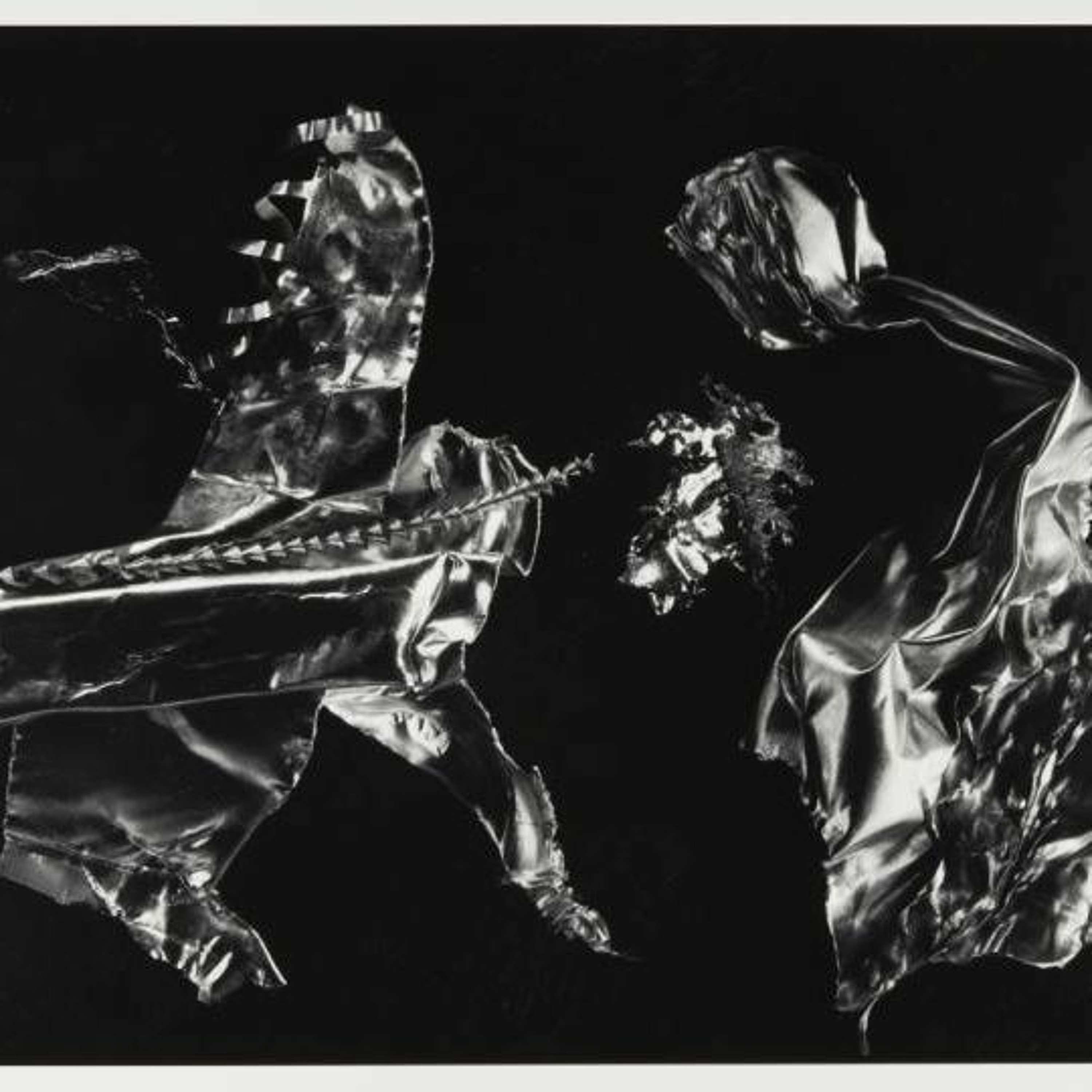
In the studio, Carl Chiarenza works intuitively by following his instincts and seeing where they might lead him. Chiarenza discusses his daily routine with LensWork editor Brooks Jensen: I go into the studio and I do everything I can to avoid getting started—that’s part of the ritual, I have no control over it—I’ve just finally figured it out, that’s just what happens: I go in and I do all sorts of stuff—I turn the radio on, I make coffee, decide which music I’m going to listen to, answer the phone, check the email. I mean, it takes an hour for me to get settled in. And then I literally go to my table, which is just covered with stuff and I just at random pick something and start playing with pieces of paper to see if something comes together. More often than not, I keep throwing these things away and throwing things away and starting over and starting over and then I get something that I think is going to begin to work. Then I start by making an exposure, change the lights, change the configurations and keep doing that, making prints and laying them out on the table and watching them develop—develop in terms of what the picture is. I keep responding to what I am seeing and let that determine what I should do next. So the materials and the picture themselves tell me what to do. Source: LensWork Interview (2000)

In the studio, Carl Chiarenza works intuitively by following his instincts and seeing where they might lead him. Chiarenza discusses his daily routine with LensWork editor Brooks Jensen: I go into the studio and I do everything I can to avoid getting started—that’s part of the ritual, I have no control over it—I’ve just finally figured it out, that’s just what happens: I go in and I do all sorts of stuff—I turn the radio on, I make coffee, decide which music I’m going to listen to, answer the phone, check the email. I mean, it takes an hour for me to get settled in. And then I literally go to my table, which is just covered with stuff and I just at random pick something and start playing with pieces of paper to see if something comes together. More often than not, I keep throwing these things away and throwing things away and starting over and starting over and then I get something that I think is going to begin to work. Then I start by making an exposure, change the lights, change the configurations and keep doing that, making prints and laying them out on the table and watching them develop—develop in terms of what the picture is. I keep responding to what I am seeing and let that determine what I should do next. So the materials and the picture themselves tell me what to do. Source: LensWork Interview (2000)

NOW PLAYING

Working Method

0:00 1:28

No transcript for this episode yet

We transcribe on demand. Request one and we'll notify you when it's ready — usually under 10 minutes.

PMA: Sculpture Garden - Art Tours Philadelphia Museum of Art The Sculpture,Garden presents a superb and versatile outdoor setting for the appreciation of art, offering a lively experience of sculpture for both the casual passerby and devoted art lovers. Gracefully integrated into the existing landscape, the Sculpture,Garden extends the Museum’s vast galleries to the outdoors while strengthening the Museum’s connections to the city and Fairmount Park. Its pathways and vistas, green space, and water feature create a variety of spaces for art while maintaining an open setting that invites Philadelphia’s public to explore a new expression of the Museum’s goal to make more art available to an ever-growing audience. Song Against Songs, The by G. K. Chesterton (1874 - 1936) LibriVox LibriVox volunteers bring you 9 recordings of The Song Against Songs by G. K. Chesterton. This was the Fortnightly Poetry project for October 16, 2011.Chesterton was a large man, standing 6 feet 4 inches (1.93 m) and weighing around 21 stone (130 kg; 290 lb). His girth gave rise to a famous anecdote. During World War I a lady in London asked why he was not 'out at the Front'; he replied, 'If you go round to the side, you will see that I am.' On another occasion he remarked to his friend George Bernard Shaw: "To look at you, anyone would think a famine had struck England". Shaw retorted, "To look at you, anyone would think you have caused it". P. G. Wodehouse once described a very loud crash as "a sound like Chesterton falling onto a sheet of tin."( Summary from Wikipedia ) Talks Hirshhorn Museum and Sculpture Garden Browse through our selection of lectures and talks by Friday Gallery Talks, In Conversation, and Meet the Artist. Brochures Hirshhorn Museum and Sculpture Garden Read through brochures of Exhibits and individual artists' works from the past and present exhibitions at the Hirshhorn.

Frequently Asked Questions

How long is this episode of George Eastman Museum?

This episode is 1 minute long.

When was this George Eastman Museum episode published?

This episode was published on January 7, 2021.

What is this episode about?

In the studio, Carl Chiarenza works intuitively by following his instincts and seeing where they might lead him. Chiarenza discusses his daily routine with LensWork editor Brooks Jensen: I go into the studio and I do everything I can to avoid...

Can I download this George Eastman Museum episode?

Yes, you can download this episode by clicking the download button on the episode player, or subscribe to the podcast in your preferred podcast app for automatic downloads.
URL copied to clipboard!