
EPISODE · Aug 9, 2025 · 4 MIN
Y2K Tech Revival Transforms 2025: Nostalgia Meets Innovation in Cutting-Edge Retro Digital Renaissance
from Y2K Tech Reboot: Retro Future · host Inception Point AI
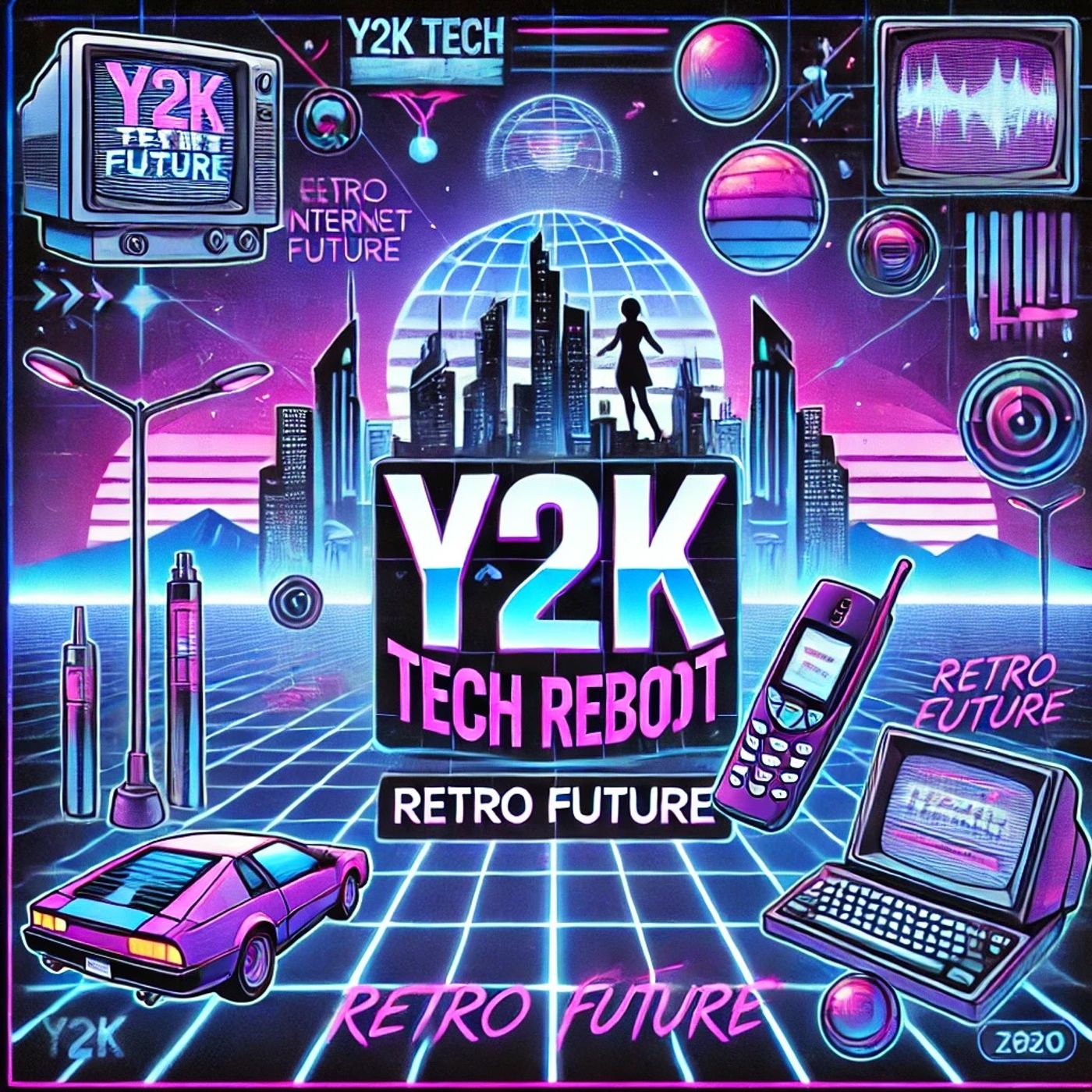
Y2K Tech Reboot: Retro Future is the unexpected phenomenon of 2025, where innovation and nostalgia now fuse in every corner of technology, design, and culture. The resurgence started quietly last year, but this summer, it’s unmistakable: chunky translucent plastics, pixel art, and the unmistakable dial-up whine are not only back—they’re fueling an entire ecosystem of creativity. Industry analysts at Wired reflect that many Gen Z and Millennial creators, fatigued by AI sameness and algorithm-driven trends, are rediscovering the early internet’s aesthetics and rebellious spirit. This retro-tech revival isn’t about irony or escapism, but about a real hunger for tactile gadgets and interfaces with a sense of individuality. The new Y2K reboot skips the kitsch, pulling the best from the past and shaping it for now: think flip phones retooled with today’s processors, MP3 players that sync seamlessly with cloud libraries, and software emulators wrapped in neon interfaces. Fashion is at the heart of the movement. Paris and Tokyo techwear houses are collaborating again with vintage brands like Motorola and Casio to release limited-run devices and accessories. According to Hypebeast, the July launch of a special edition translucent Casio calculator watch sold out in minutes. Even gaming giants are joining the fuse. Nintendo’s summer release of the GameBoy Pocket Neo—a device that supports both classic cartridges and downloadable indie titles—drew lines in Chicago and London, echoing old hardware launches that felt more like parties than transactions. Music, too, pulses with Y2K nostalgia. Confidence, an icon on the East Coast underground, teamed up with Boston’s M-Dot on the new track Rollercoaster. As extravafrench.com describes, this single reanimates not just old-school boom-bap beats, but also the sample-based, soulful textures of turn-of-the-millennium rap. No algorithm-driven playlist could ever capture the handcrafted detail and urgency of Confidence’s groove, making tracks like these the anthem for a generation seeking connection over convenience. Tech conferences are noticing. The Retro Future track at this summer’s Web Revival Fest in Berlin had record crowds of developers and designers demoing everything from refurbished CRT monitors to palm-sized PDAs. The draw, organizers note, is not mere sentimentality but a technical curiosity: why did earlier systems, with their simple code and failure-prone hardware, feel more fun to use? Today’s tinkerers argue it’s about limits, and the creativity those limits spark. Even in corporate boardrooms, a Y2K reboot is more than a passing trend. Deloitte’s June report on tech consumer habits found increased demand for gadgets that blend simplicity and security—a sharp turn from last year’s obsession with seamless, always-on connectivity. Users fatigued by privacy concerns and digital overload are embracing flip phones for focused communication and dedicating certain hours to “retro mode” digital downtime. This content was created in partnership and with the help of Artificial Intelligence AI.
Embed this episode
Ready to play
Y2K Tech Revival Transforms 2025: Nostalgia Meets Innovation in Cutting-Edge Retro Digital Renaissance
No transcript for this episode yet
Similar Episodes
Mar 16, 2026 ·11m