
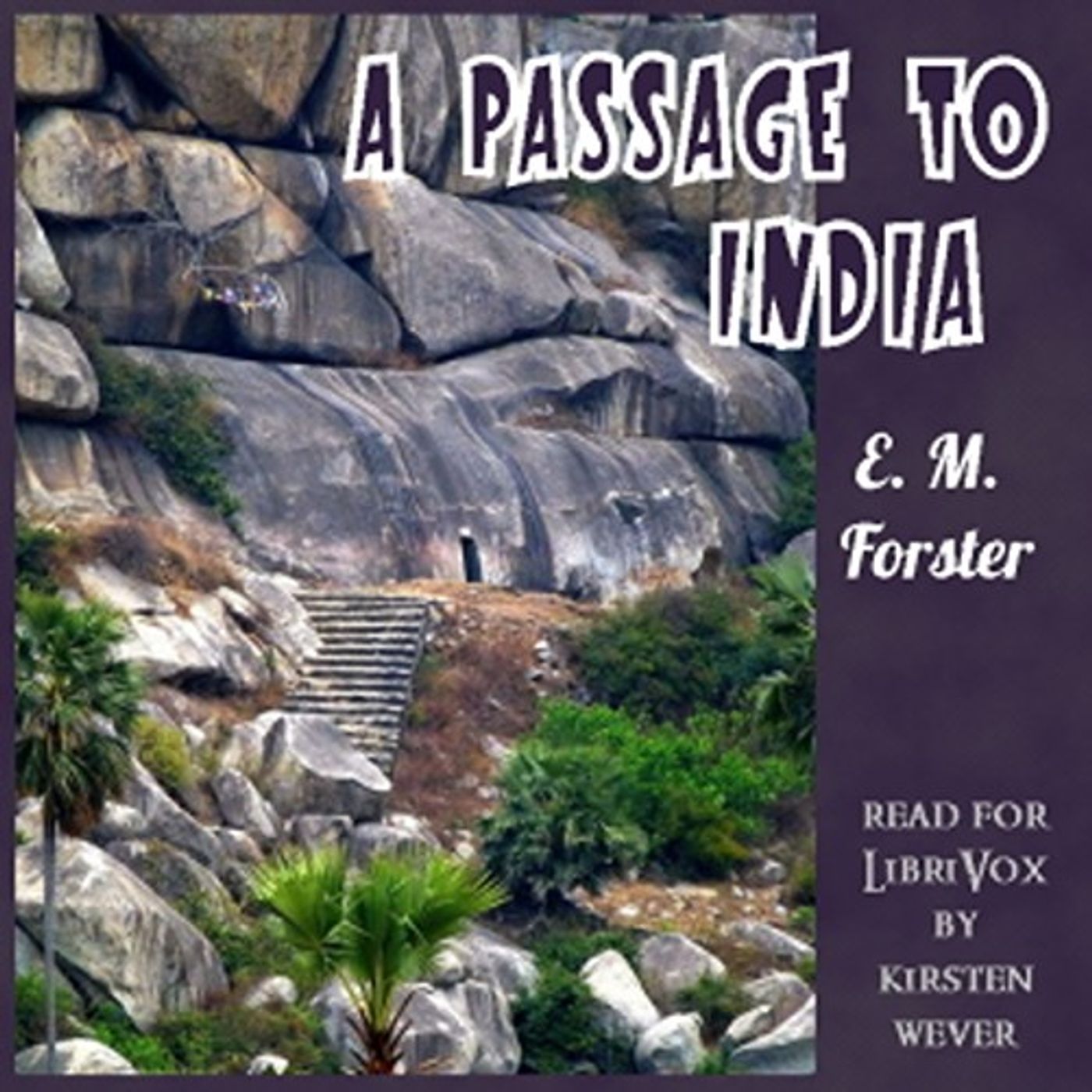
PODCAST · society
A Passage to India by E. M. Forster.
by Popular Culture and Religion.
A Passage to India by E. M. Forster. E. M. Forster’s A Passage to India (1924) is widely acclaimed as one of the hundred best literary works of 20th century. Time magazine rates it among the top 100 English-language novels of all time. A Passage to India is set at the moment when the lasting supremacy of the British Raj could no longer be taken for granted. Imperial power had been effectively supported by old and deep-seated religious and cultural conflicts between India’s Hindu and Muslim populations, which divided and sapped the local powers ultimately needed to overthrew imperial rule in 1947. Forster illustrates how this rift begins to be overshadowed by the increasing resistance of all Indians to the extreme racism, oppression and socio-political mismanagement of British rule. The work is perhaps best known for his brilliant development of the relationships between his characters, which are fraught by a wide range of precarious cultural, social, political and
-
37
37 - Chapter 37. A Passage to India by E. M. Forster.
37 - Chapter 37. A Passage to India by E. M. Forster. E. M. Forster’s A Passage to India (1924) is widely acclaimed as one of the hundred best literary works of 20th century. Time magazine rates it among the top 100 English-language novels of all time. A Passage to India is set at the moment when the lasting supremacy of the British Raj could no longer be taken for granted. Imperial power had been effectively supported by old and deep-seated religious and cultural conflicts between India’s Hindu and Muslim populations, which divided and sapped the local powers ultimately needed to overthrew imperial rule in 1947. Forster illustrates how this rift begins to be overshadowed by the increasing resistance of all Indians to the extreme racism, oppression and socio-political mismanagement of British rule. The work is perhaps best known for his brilliant development of the relationships between his characters, which are fraught by a wide range of precarious cultural, social, political and economic dualisms: e.g., Occident / Orient; imperialist / colonial; men / women. He carries the idea expressed in his famous words “only connect” (from Howards End) to its limits, examining the difficulties – often the inherent impossibility – of “connection” across racial, sexual, religious and social divides.
-
36
36 - Chapter 36. A Passage to India by E. M. Forster.
36 - Chapter 36. A Passage to India by E. M. Forster. E. M. Forster’s A Passage to India (1924) is widely acclaimed as one of the hundred best literary works of 20th century. Time magazine rates it among the top 100 English-language novels of all time. A Passage to India is set at the moment when the lasting supremacy of the British Raj could no longer be taken for granted. Imperial power had been effectively supported by old and deep-seated religious and cultural conflicts between India’s Hindu and Muslim populations, which divided and sapped the local powers ultimately needed to overthrew imperial rule in 1947. Forster illustrates how this rift begins to be overshadowed by the increasing resistance of all Indians to the extreme racism, oppression and socio-political mismanagement of British rule. The work is perhaps best known for his brilliant development of the relationships between his characters, which are fraught by a wide range of precarious cultural, social, political and economic dualisms: e.g., Occident / Orient; imperialist / colonial; men / women. He carries the idea expressed in his famous words “only connect” (from Howards End) to its limits, examining the difficulties – often the inherent impossibility – of “connection” across racial, sexual, religious and social divides.
-
35
35 - Chapter 35. A Passage to India by E. M. Forster.
35 - Chapter 35. A Passage to India by E. M. Forster. E. M. Forster’s A Passage to India (1924) is widely acclaimed as one of the hundred best literary works of 20th century. Time magazine rates it among the top 100 English-language novels of all time. A Passage to India is set at the moment when the lasting supremacy of the British Raj could no longer be taken for granted. Imperial power had been effectively supported by old and deep-seated religious and cultural conflicts between India’s Hindu and Muslim populations, which divided and sapped the local powers ultimately needed to overthrew imperial rule in 1947. Forster illustrates how this rift begins to be overshadowed by the increasing resistance of all Indians to the extreme racism, oppression and socio-political mismanagement of British rule. The work is perhaps best known for his brilliant development of the relationships between his characters, which are fraught by a wide range of precarious cultural, social, political and economic dualisms: e.g., Occident / Orient; imperialist / colonial; men / women. He carries the idea expressed in his famous words “only connect” (from Howards End) to its limits, examining the difficulties – often the inherent impossibility – of “connection” across racial, sexual, religious and social divides.
-
34
34 - Chapter 34. A Passage to India by E. M. Forster.
34 - Chapter 34. A Passage to India by E. M. Forster. E. M. Forster’s A Passage to India (1924) is widely acclaimed as one of the hundred best literary works of 20th century. Time magazine rates it among the top 100 English-language novels of all time. A Passage to India is set at the moment when the lasting supremacy of the British Raj could no longer be taken for granted. Imperial power had been effectively supported by old and deep-seated religious and cultural conflicts between India’s Hindu and Muslim populations, which divided and sapped the local powers ultimately needed to overthrew imperial rule in 1947. Forster illustrates how this rift begins to be overshadowed by the increasing resistance of all Indians to the extreme racism, oppression and socio-political mismanagement of British rule. The work is perhaps best known for his brilliant development of the relationships between his characters, which are fraught by a wide range of precarious cultural, social, political and economic dualisms: e.g., Occident / Orient; imperialist / colonial; men / women. He carries the idea expressed in his famous words “only connect” (from Howards End) to its limits, examining the difficulties – often the inherent impossibility – of “connection” across racial, sexual, religious and social divides.
-
33
33 - Chapter 33. A Passage to India by E. M. Forster.
33 - Chapter 33. A Passage to India by E. M. Forster. E. M. Forster’s A Passage to India (1924) is widely acclaimed as one of the hundred best literary works of 20th century. Time magazine rates it among the top 100 English-language novels of all time. A Passage to India is set at the moment when the lasting supremacy of the British Raj could no longer be taken for granted. Imperial power had been effectively supported by old and deep-seated religious and cultural conflicts between India’s Hindu and Muslim populations, which divided and sapped the local powers ultimately needed to overthrew imperial rule in 1947. Forster illustrates how this rift begins to be overshadowed by the increasing resistance of all Indians to the extreme racism, oppression and socio-political mismanagement of British rule. The work is perhaps best known for his brilliant development of the relationships between his characters, which are fraught by a wide range of precarious cultural, social, political and economic dualisms: e.g., Occident / Orient; imperialist / colonial; men / women. He carries the idea expressed in his famous words “only connect” (from Howards End) to its limits, examining the difficulties – often the inherent impossibility – of “connection” across racial, sexual, religious and social divides.
-
32
32 - Chapter 32. A Passage to India by E. M. Forster.
32 - Chapter 32. A Passage to India by E. M. Forster. E. M. Forster’s A Passage to India (1924) is widely acclaimed as one of the hundred best literary works of 20th century. Time magazine rates it among the top 100 English-language novels of all time. A Passage to India is set at the moment when the lasting supremacy of the British Raj could no longer be taken for granted. Imperial power had been effectively supported by old and deep-seated religious and cultural conflicts between India’s Hindu and Muslim populations, which divided and sapped the local powers ultimately needed to overthrew imperial rule in 1947. Forster illustrates how this rift begins to be overshadowed by the increasing resistance of all Indians to the extreme racism, oppression and socio-political mismanagement of British rule. The work is perhaps best known for his brilliant development of the relationships between his characters, which are fraught by a wide range of precarious cultural, social, political and economic dualisms: e.g., Occident / Orient; imperialist / colonial; men / women. He carries the idea expressed in his famous words “only connect” (from Howards End) to its limits, examining the difficulties – often the inherent impossibility – of “connection” across racial, sexual, religious and social divides.
-
31
31 - Chapter 31. A Passage to India by E. M. Forster.
31 - Chapter 31. A Passage to India by E. M. Forster. E. M. Forster’s A Passage to India (1924) is widely acclaimed as one of the hundred best literary works of 20th century. Time magazine rates it among the top 100 English-language novels of all time. A Passage to India is set at the moment when the lasting supremacy of the British Raj could no longer be taken for granted. Imperial power had been effectively supported by old and deep-seated religious and cultural conflicts between India’s Hindu and Muslim populations, which divided and sapped the local powers ultimately needed to overthrew imperial rule in 1947. Forster illustrates how this rift begins to be overshadowed by the increasing resistance of all Indians to the extreme racism, oppression and socio-political mismanagement of British rule. The work is perhaps best known for his brilliant development of the relationships between his characters, which are fraught by a wide range of precarious cultural, social, political and economic dualisms: e.g., Occident / Orient; imperialist / colonial; men / women. He carries the idea expressed in his famous words “only connect” (from Howards End) to its limits, examining the difficulties – often the inherent impossibility – of “connection” across racial, sexual, religious and social divides.
-
30
30 - Chapter 30. A Passage to India by E. M. Forster.
30 - Chapter 30. A Passage to India by E. M. Forster. E. M. Forster’s A Passage to India (1924) is widely acclaimed as one of the hundred best literary works of 20th century. Time magazine rates it among the top 100 English-language novels of all time. A Passage to India is set at the moment when the lasting supremacy of the British Raj could no longer be taken for granted. Imperial power had been effectively supported by old and deep-seated religious and cultural conflicts between India’s Hindu and Muslim populations, which divided and sapped the local powers ultimately needed to overthrew imperial rule in 1947. Forster illustrates how this rift begins to be overshadowed by the increasing resistance of all Indians to the extreme racism, oppression and socio-political mismanagement of British rule. The work is perhaps best known for his brilliant development of the relationships between his characters, which are fraught by a wide range of precarious cultural, social, political and economic dualisms: e.g., Occident / Orient; imperialist / colonial; men / women. He carries the idea expressed in his famous words “only connect” (from Howards End) to its limits, examining the difficulties – often the inherent impossibility – of “connection” across racial, sexual, religious and social divides.
-
29
29 - Chapter 29. A Passage to India by E. M. Forster.
29 - Chapter 29. A Passage to India by E. M. Forster. E. M. Forster’s A Passage to India (1924) is widely acclaimed as one of the hundred best literary works of 20th century. Time magazine rates it among the top 100 English-language novels of all time. A Passage to India is set at the moment when the lasting supremacy of the British Raj could no longer be taken for granted. Imperial power had been effectively supported by old and deep-seated religious and cultural conflicts between India’s Hindu and Muslim populations, which divided and sapped the local powers ultimately needed to overthrew imperial rule in 1947. Forster illustrates how this rift begins to be overshadowed by the increasing resistance of all Indians to the extreme racism, oppression and socio-political mismanagement of British rule. The work is perhaps best known for his brilliant development of the relationships between his characters, which are fraught by a wide range of precarious cultural, social, political and economic dualisms: e.g., Occident / Orient; imperialist / colonial; men / women. He carries the idea expressed in his famous words “only connect” (from Howards End) to its limits, examining the difficulties – often the inherent impossibility – of “connection” across racial, sexual, religious and social divides.
-
28
28 - Chapter 28. A Passage to India by E. M. Forster.
28 - Chapter 28. A Passage to India by E. M. Forster. E. M. Forster’s A Passage to India (1924) is widely acclaimed as one of the hundred best literary works of 20th century. Time magazine rates it among the top 100 English-language novels of all time. A Passage to India is set at the moment when the lasting supremacy of the British Raj could no longer be taken for granted. Imperial power had been effectively supported by old and deep-seated religious and cultural conflicts between India’s Hindu and Muslim populations, which divided and sapped the local powers ultimately needed to overthrew imperial rule in 1947. Forster illustrates how this rift begins to be overshadowed by the increasing resistance of all Indians to the extreme racism, oppression and socio-political mismanagement of British rule. The work is perhaps best known for his brilliant development of the relationships between his characters, which are fraught by a wide range of precarious cultural, social, political and economic dualisms: e.g., Occident / Orient; imperialist / colonial; men / women. He carries the idea expressed in his famous words “only connect” (from Howards End) to its limits, examining the difficulties – often the inherent impossibility – of “connection” across racial, sexual, religious and social divides.
-
27
27 - Chapter 27. A Passage to India by E. M. Forster.
27 - Chapter 27. A Passage to India by E. M. Forster. E. M. Forster’s A Passage to India (1924) is widely acclaimed as one of the hundred best literary works of 20th century. Time magazine rates it among the top 100 English-language novels of all time. A Passage to India is set at the moment when the lasting supremacy of the British Raj could no longer be taken for granted. Imperial power had been effectively supported by old and deep-seated religious and cultural conflicts between India’s Hindu and Muslim populations, which divided and sapped the local powers ultimately needed to overthrew imperial rule in 1947. Forster illustrates how this rift begins to be overshadowed by the increasing resistance of all Indians to the extreme racism, oppression and socio-political mismanagement of British rule. The work is perhaps best known for his brilliant development of the relationships between his characters, which are fraught by a wide range of precarious cultural, social, political and economic dualisms: e.g., Occident / Orient; imperialist / colonial; men / women. He carries the idea expressed in his famous words “only connect” (from Howards End) to its limits, examining the difficulties – often the inherent impossibility – of “connection” across racial, sexual, religious and social divides.
-
26
26 - Chapter 26. A Passage to India by E. M. Forster.
26 - Chapter 26. A Passage to India by E. M. Forster. E. M. Forster’s A Passage to India (1924) is widely acclaimed as one of the hundred best literary works of 20th century. Time magazine rates it among the top 100 English-language novels of all time. A Passage to India is set at the moment when the lasting supremacy of the British Raj could no longer be taken for granted. Imperial power had been effectively supported by old and deep-seated religious and cultural conflicts between India’s Hindu and Muslim populations, which divided and sapped the local powers ultimately needed to overthrew imperial rule in 1947. Forster illustrates how this rift begins to be overshadowed by the increasing resistance of all Indians to the extreme racism, oppression and socio-political mismanagement of British rule. The work is perhaps best known for his brilliant development of the relationships between his characters, which are fraught by a wide range of precarious cultural, social, political and economic dualisms: e.g., Occident / Orient; imperialist / colonial; men / women. He carries the idea expressed in his famous words “only connect” (from Howards End) to its limits, examining the difficulties – often the inherent impossibility – of “connection” across racial, sexual, religious and social divides.
-
25
25 - Chapter 25. A Passage to India by E. M. Forster.
25 - Chapter 25. A Passage to India by E. M. Forster. E. M. Forster’s A Passage to India (1924) is widely acclaimed as one of the hundred best literary works of 20th century. Time magazine rates it among the top 100 English-language novels of all time. A Passage to India is set at the moment when the lasting supremacy of the British Raj could no longer be taken for granted. Imperial power had been effectively supported by old and deep-seated religious and cultural conflicts between India’s Hindu and Muslim populations, which divided and sapped the local powers ultimately needed to overthrew imperial rule in 1947. Forster illustrates how this rift begins to be overshadowed by the increasing resistance of all Indians to the extreme racism, oppression and socio-political mismanagement of British rule. The work is perhaps best known for his brilliant development of the relationships between his characters, which are fraught by a wide range of precarious cultural, social, political and economic dualisms: e.g., Occident / Orient; imperialist / colonial; men / women. He carries the idea expressed in his famous words “only connect” (from Howards End) to its limits, examining the difficulties – often the inherent impossibility – of “connection” across racial, sexual, religious and social divides.
-
24
24 - Chapter 24. A Passage to India by E. M. Forster.
24 - Chapter 24. A Passage to India by E. M. Forster. E. M. Forster’s A Passage to India (1924) is widely acclaimed as one of the hundred best literary works of 20th century. Time magazine rates it among the top 100 English-language novels of all time. A Passage to India is set at the moment when the lasting supremacy of the British Raj could no longer be taken for granted. Imperial power had been effectively supported by old and deep-seated religious and cultural conflicts between India’s Hindu and Muslim populations, which divided and sapped the local powers ultimately needed to overthrew imperial rule in 1947. Forster illustrates how this rift begins to be overshadowed by the increasing resistance of all Indians to the extreme racism, oppression and socio-political mismanagement of British rule. The work is perhaps best known for his brilliant development of the relationships between his characters, which are fraught by a wide range of precarious cultural, social, political and economic dualisms: e.g., Occident / Orient; imperialist / colonial; men / women. He carries the idea expressed in his famous words “only connect” (from Howards End) to its limits, examining the difficulties – often the inherent impossibility – of “connection” across racial, sexual, religious and social divides.
-
23
23 - Chapter 23. A Passage to India by E. M. Forster.
23 - Chapter 23. A Passage to India by E. M. Forster. E. M. Forster’s A Passage to India (1924) is widely acclaimed as one of the hundred best literary works of 20th century. Time magazine rates it among the top 100 English-language novels of all time. A Passage to India is set at the moment when the lasting supremacy of the British Raj could no longer be taken for granted. Imperial power had been effectively supported by old and deep-seated religious and cultural conflicts between India’s Hindu and Muslim populations, which divided and sapped the local powers ultimately needed to overthrew imperial rule in 1947. Forster illustrates how this rift begins to be overshadowed by the increasing resistance of all Indians to the extreme racism, oppression and socio-political mismanagement of British rule. The work is perhaps best known for his brilliant development of the relationships between his characters, which are fraught by a wide range of precarious cultural, social, political and economic dualisms: e.g., Occident / Orient; imperialist / colonial; men / women. He carries the idea expressed in his famous words “only connect” (from Howards End) to its limits, examining the difficulties – often the inherent impossibility – of “connection” across racial, sexual, religious and social divides.
-
22
22 - Chapter 22. A Passage to India by E. M. Forster.
22 - Chapter 22. A Passage to India by E. M. Forster. E. M. Forster’s A Passage to India (1924) is widely acclaimed as one of the hundred best literary works of 20th century. Time magazine rates it among the top 100 English-language novels of all time. A Passage to India is set at the moment when the lasting supremacy of the British Raj could no longer be taken for granted. Imperial power had been effectively supported by old and deep-seated religious and cultural conflicts between India’s Hindu and Muslim populations, which divided and sapped the local powers ultimately needed to overthrew imperial rule in 1947. Forster illustrates how this rift begins to be overshadowed by the increasing resistance of all Indians to the extreme racism, oppression and socio-political mismanagement of British rule. The work is perhaps best known for his brilliant development of the relationships between his characters, which are fraught by a wide range of precarious cultural, social, political and economic dualisms: e.g., Occident / Orient; imperialist / colonial; men / women. He carries the idea expressed in his famous words “only connect” (from Howards End) to its limits, examining the difficulties – often the inherent impossibility – of “connection” across racial, sexual, religious and social divides.
-
21
21 - Chapter 21. A Passage to India by E. M. Forster.
21 - Chapter 21. A Passage to India by E. M. Forster. E. M. Forster’s A Passage to India (1924) is widely acclaimed as one of the hundred best literary works of 20th century. Time magazine rates it among the top 100 English-language novels of all time. A Passage to India is set at the moment when the lasting supremacy of the British Raj could no longer be taken for granted. Imperial power had been effectively supported by old and deep-seated religious and cultural conflicts between India’s Hindu and Muslim populations, which divided and sapped the local powers ultimately needed to overthrew imperial rule in 1947. Forster illustrates how this rift begins to be overshadowed by the increasing resistance of all Indians to the extreme racism, oppression and socio-political mismanagement of British rule. The work is perhaps best known for his brilliant development of the relationships between his characters, which are fraught by a wide range of precarious cultural, social, political and economic dualisms: e.g., Occident / Orient; imperialist / colonial; men / women. He carries the idea expressed in his famous words “only connect” (from Howards End) to its limits, examining the difficulties – often the inherent impossibility – of “connection” across racial, sexual, religious and social divides.
-
20
20 - Chapter 20. A Passage to India by E. M. Forster.
20 - Chapter 20. A Passage to India by E. M. Forster. E. M. Forster’s A Passage to India (1924) is widely acclaimed as one of the hundred best literary works of 20th century. Time magazine rates it among the top 100 English-language novels of all time. A Passage to India is set at the moment when the lasting supremacy of the British Raj could no longer be taken for granted. Imperial power had been effectively supported by old and deep-seated religious and cultural conflicts between India’s Hindu and Muslim populations, which divided and sapped the local powers ultimately needed to overthrew imperial rule in 1947. Forster illustrates how this rift begins to be overshadowed by the increasing resistance of all Indians to the extreme racism, oppression and socio-political mismanagement of British rule. The work is perhaps best known for his brilliant development of the relationships between his characters, which are fraught by a wide range of precarious cultural, social, political and economic dualisms: e.g., Occident / Orient; imperialist / colonial; men / women. He carries the idea expressed in his famous words “only connect” (from Howards End) to its limits, examining the difficulties – often the inherent impossibility – of “connection” across racial, sexual, religious and social divides.
-
19
19 - Chapter 19. A Passage to India by E. M. Forster.
19 - Chapter 19. A Passage to India by E. M. Forster. E. M. Forster’s A Passage to India (1924) is widely acclaimed as one of the hundred best literary works of 20th century. Time magazine rates it among the top 100 English-language novels of all time. A Passage to India is set at the moment when the lasting supremacy of the British Raj could no longer be taken for granted. Imperial power had been effectively supported by old and deep-seated religious and cultural conflicts between India’s Hindu and Muslim populations, which divided and sapped the local powers ultimately needed to overthrew imperial rule in 1947. Forster illustrates how this rift begins to be overshadowed by the increasing resistance of all Indians to the extreme racism, oppression and socio-political mismanagement of British rule. The work is perhaps best known for his brilliant development of the relationships between his characters, which are fraught by a wide range of precarious cultural, social, political and economic dualisms: e.g., Occident / Orient; imperialist / colonial; men / women. He carries the idea expressed in his famous words “only connect” (from Howards End) to its limits, examining the difficulties – often the inherent impossibility – of “connection” across racial, sexual, religious and social divides.
-
18
18 - Chapter 18. A Passage to India by E. M. Forster.
18 - Chapter 18. A Passage to India by E. M. Forster. E. M. Forster’s A Passage to India (1924) is widely acclaimed as one of the hundred best literary works of 20th century. Time magazine rates it among the top 100 English-language novels of all time. A Passage to India is set at the moment when the lasting supremacy of the British Raj could no longer be taken for granted. Imperial power had been effectively supported by old and deep-seated religious and cultural conflicts between India’s Hindu and Muslim populations, which divided and sapped the local powers ultimately needed to overthrew imperial rule in 1947. Forster illustrates how this rift begins to be overshadowed by the increasing resistance of all Indians to the extreme racism, oppression and socio-political mismanagement of British rule. The work is perhaps best known for his brilliant development of the relationships between his characters, which are fraught by a wide range of precarious cultural, social, political and economic dualisms: e.g., Occident / Orient; imperialist / colonial; men / women. He carries the idea expressed in his famous words “only connect” (from Howards End) to its limits, examining the difficulties – often the inherent impossibility – of “connection” across racial, sexual, religious and social divides.
-
17
17 - Chapter 17. A Passage to India by E. M. Forster.
17 - Chapter 17. A Passage to India by E. M. Forster. E. M. Forster’s A Passage to India (1924) is widely acclaimed as one of the hundred best literary works of 20th century. Time magazine rates it among the top 100 English-language novels of all time. A Passage to India is set at the moment when the lasting supremacy of the British Raj could no longer be taken for granted. Imperial power had been effectively supported by old and deep-seated religious and cultural conflicts between India’s Hindu and Muslim populations, which divided and sapped the local powers ultimately needed to overthrew imperial rule in 1947. Forster illustrates how this rift begins to be overshadowed by the increasing resistance of all Indians to the extreme racism, oppression and socio-political mismanagement of British rule. The work is perhaps best known for his brilliant development of the relationships between his characters, which are fraught by a wide range of precarious cultural, social, political and economic dualisms: e.g., Occident / Orient; imperialist / colonial; men / women. He carries the idea expressed in his famous words “only connect” (from Howards End) to its limits, examining the difficulties – often the inherent impossibility – of “connection” across racial, sexual, religious and social divides.
-
16
16 - Chapter 16. A Passage to India by E. M. Forster.
16 - Chapter 16. A Passage to India by E. M. Forster. E. M. Forster’s A Passage to India (1924) is widely acclaimed as one of the hundred best literary works of 20th century. Time magazine rates it among the top 100 English-language novels of all time. A Passage to India is set at the moment when the lasting supremacy of the British Raj could no longer be taken for granted. Imperial power had been effectively supported by old and deep-seated religious and cultural conflicts between India’s Hindu and Muslim populations, which divided and sapped the local powers ultimately needed to overthrew imperial rule in 1947. Forster illustrates how this rift begins to be overshadowed by the increasing resistance of all Indians to the extreme racism, oppression and socio-political mismanagement of British rule. The work is perhaps best known for his brilliant development of the relationships between his characters, which are fraught by a wide range of precarious cultural, social, political and economic dualisms: e.g., Occident / Orient; imperialist / colonial; men / women. He carries the idea expressed in his famous words “only connect” (from Howards End) to its limits, examining the difficulties – often the inherent impossibility – of “connection” across racial, sexual, religious and social divides.
-
15
15 - Chapter 15. A Passage to India by E. M. Forster.
15 - Chapter 15. A Passage to India by E. M. Forster. E. M. Forster’s A Passage to India (1924) is widely acclaimed as one of the hundred best literary works of 20th century. Time magazine rates it among the top 100 English-language novels of all time. A Passage to India is set at the moment when the lasting supremacy of the British Raj could no longer be taken for granted. Imperial power had been effectively supported by old and deep-seated religious and cultural conflicts between India’s Hindu and Muslim populations, which divided and sapped the local powers ultimately needed to overthrew imperial rule in 1947. Forster illustrates how this rift begins to be overshadowed by the increasing resistance of all Indians to the extreme racism, oppression and socio-political mismanagement of British rule. The work is perhaps best known for his brilliant development of the relationships between his characters, which are fraught by a wide range of precarious cultural, social, political and economic dualisms: e.g., Occident / Orient; imperialist / colonial; men / women. He carries the idea expressed in his famous words “only connect” (from Howards End) to its limits, examining the difficulties – often the inherent impossibility – of “connection” across racial, sexual, religious and social divides.
-
14
14 - Chapter 14. A Passage to India by E. M. Forster.
14 - Chapter 14. A Passage to India by E. M. Forster. E. M. Forster’s A Passage to India (1924) is widely acclaimed as one of the hundred best literary works of 20th century. Time magazine rates it among the top 100 English-language novels of all time. A Passage to India is set at the moment when the lasting supremacy of the British Raj could no longer be taken for granted. Imperial power had been effectively supported by old and deep-seated religious and cultural conflicts between India’s Hindu and Muslim populations, which divided and sapped the local powers ultimately needed to overthrew imperial rule in 1947. Forster illustrates how this rift begins to be overshadowed by the increasing resistance of all Indians to the extreme racism, oppression and socio-political mismanagement of British rule. The work is perhaps best known for his brilliant development of the relationships between his characters, which are fraught by a wide range of precarious cultural, social, political and economic dualisms: e.g., Occident / Orient; imperialist / colonial; men / women. He carries the idea expressed in his famous words “only connect” (from Howards End) to its limits, examining the difficulties – often the inherent impossibility – of “connection” across racial, sexual, religious and social divides.
-
13
13 - Chapter 13. A Passage to India by E. M. Forster.
13 - Chapter 13. A Passage to India by E. M. Forster. E. M. Forster’s A Passage to India (1924) is widely acclaimed as one of the hundred best literary works of 20th century. Time magazine rates it among the top 100 English-language novels of all time. A Passage to India is set at the moment when the lasting supremacy of the British Raj could no longer be taken for granted. Imperial power had been effectively supported by old and deep-seated religious and cultural conflicts between India’s Hindu and Muslim populations, which divided and sapped the local powers ultimately needed to overthrew imperial rule in 1947. Forster illustrates how this rift begins to be overshadowed by the increasing resistance of all Indians to the extreme racism, oppression and socio-political mismanagement of British rule. The work is perhaps best known for his brilliant development of the relationships between his characters, which are fraught by a wide range of precarious cultural, social, political and economic dualisms: e.g., Occident / Orient; imperialist / colonial; men / women. He carries the idea expressed in his famous words “only connect” (from Howards End) to its limits, examining the difficulties – often the inherent impossibility – of “connection” across racial, sexual, religious and social divides.
-
12
12 - Chapter 12. A Passage to India by E. M. Forster.
12 - Chapter 12. A Passage to India by E. M. Forster. E. M. Forster’s A Passage to India (1924) is widely acclaimed as one of the hundred best literary works of 20th century. Time magazine rates it among the top 100 English-language novels of all time. A Passage to India is set at the moment when the lasting supremacy of the British Raj could no longer be taken for granted. Imperial power had been effectively supported by old and deep-seated religious and cultural conflicts between India’s Hindu and Muslim populations, which divided and sapped the local powers ultimately needed to overthrew imperial rule in 1947. Forster illustrates how this rift begins to be overshadowed by the increasing resistance of all Indians to the extreme racism, oppression and socio-political mismanagement of British rule. The work is perhaps best known for his brilliant development of the relationships between his characters, which are fraught by a wide range of precarious cultural, social, political and economic dualisms: e.g., Occident / Orient; imperialist / colonial; men / women. He carries the idea expressed in his famous words “only connect” (from Howards End) to its limits, examining the difficulties – often the inherent impossibility – of “connection” across racial, sexual, religious and social divides.
-
11
11 - Chapter 11. A Passage to India by E. M. Forster.
11 - Chapter 11. A Passage to India by E. M. Forster. E. M. Forster’s A Passage to India (1924) is widely acclaimed as one of the hundred best literary works of 20th century. Time magazine rates it among the top 100 English-language novels of all time. A Passage to India is set at the moment when the lasting supremacy of the British Raj could no longer be taken for granted. Imperial power had been effectively supported by old and deep-seated religious and cultural conflicts between India’s Hindu and Muslim populations, which divided and sapped the local powers ultimately needed to overthrew imperial rule in 1947. Forster illustrates how this rift begins to be overshadowed by the increasing resistance of all Indians to the extreme racism, oppression and socio-political mismanagement of British rule. The work is perhaps best known for his brilliant development of the relationships between his characters, which are fraught by a wide range of precarious cultural, social, political and economic dualisms: e.g., Occident / Orient; imperialist / colonial; men / women. He carries the idea expressed in his famous words “only connect” (from Howards End) to its limits, examining the difficulties – often the inherent impossibility – of “connection” across racial, sexual, religious and social divides.
-
10
10 - Chapter 10. A Passage to India by E. M. Forster.
10 - Chapter 10. A Passage to India by E. M. Forster. E. M. Forster’s A Passage to India (1924) is widely acclaimed as one of the hundred best literary works of 20th century. Time magazine rates it among the top 100 English-language novels of all time. A Passage to India is set at the moment when the lasting supremacy of the British Raj could no longer be taken for granted. Imperial power had been effectively supported by old and deep-seated religious and cultural conflicts between India’s Hindu and Muslim populations, which divided and sapped the local powers ultimately needed to overthrew imperial rule in 1947. Forster illustrates how this rift begins to be overshadowed by the increasing resistance of all Indians to the extreme racism, oppression and socio-political mismanagement of British rule. The work is perhaps best known for his brilliant development of the relationships between his characters, which are fraught by a wide range of precarious cultural, social, political and economic dualisms: e.g., Occident / Orient; imperialist / colonial; men / women. He carries the idea expressed in his famous words “only connect” (from Howards End) to its limits, examining the difficulties – often the inherent impossibility – of “connection” across racial, sexual, religious and social divides.
-
9
09 - Chapter 9. A Passage to India by E. M. Forster.
09 - Chapter 9. A Passage to India by E. M. Forster. E. M. Forster’s A Passage to India (1924) is widely acclaimed as one of the hundred best literary works of 20th century. Time magazine rates it among the top 100 English-language novels of all time. A Passage to India is set at the moment when the lasting supremacy of the British Raj could no longer be taken for granted. Imperial power had been effectively supported by old and deep-seated religious and cultural conflicts between India’s Hindu and Muslim populations, which divided and sapped the local powers ultimately needed to overthrew imperial rule in 1947. Forster illustrates how this rift begins to be overshadowed by the increasing resistance of all Indians to the extreme racism, oppression and socio-political mismanagement of British rule. The work is perhaps best known for his brilliant development of the relationships between his characters, which are fraught by a wide range of precarious cultural, social, political and economic dualisms: e.g., Occident / Orient; imperialist / colonial; men / women. He carries the idea expressed in his famous words “only connect” (from Howards End) to its limits, examining the difficulties – often the inherent impossibility – of “connection” across racial, sexual, religious and social divides.
-
8
08 - Chapter 8. A Passage to India by E. M. Forster.
08 - Chapter 8. A Passage to India by E. M. Forster. E. M. Forster’s A Passage to India (1924) is widely acclaimed as one of the hundred best literary works of 20th century. Time magazine rates it among the top 100 English-language novels of all time. A Passage to India is set at the moment when the lasting supremacy of the British Raj could no longer be taken for granted. Imperial power had been effectively supported by old and deep-seated religious and cultural conflicts between India’s Hindu and Muslim populations, which divided and sapped the local powers ultimately needed to overthrew imperial rule in 1947. Forster illustrates how this rift begins to be overshadowed by the increasing resistance of all Indians to the extreme racism, oppression and socio-political mismanagement of British rule. The work is perhaps best known for his brilliant development of the relationships between his characters, which are fraught by a wide range of precarious cultural, social, political and economic dualisms: e.g., Occident / Orient; imperialist / colonial; men / women. He carries the idea expressed in his famous words “only connect” (from Howards End) to its limits, examining the difficulties – often the inherent impossibility – of “connection” across racial, sexual, religious and social divides.
-
7
07 - Chapter 7. A Passage to India by E. M. Forster.
07 - Chapter 7. A Passage to India by E. M. Forster. E. M. Forster’s A Passage to India (1924) is widely acclaimed as one of the hundred best literary works of 20th century. Time magazine rates it among the top 100 English-language novels of all time. A Passage to India is set at the moment when the lasting supremacy of the British Raj could no longer be taken for granted. Imperial power had been effectively supported by old and deep-seated religious and cultural conflicts between India’s Hindu and Muslim populations, which divided and sapped the local powers ultimately needed to overthrew imperial rule in 1947. Forster illustrates how this rift begins to be overshadowed by the increasing resistance of all Indians to the extreme racism, oppression and socio-political mismanagement of British rule. The work is perhaps best known for his brilliant development of the relationships between his characters, which are fraught by a wide range of precarious cultural, social, political and economic dualisms: e.g., Occident / Orient; imperialist / colonial; men / women. He carries the idea expressed in his famous words “only connect” (from Howards End) to its limits, examining the difficulties – often the inherent impossibility – of “connection” across racial, sexual, religious and social divides.
-
6
06 - Chapter 6. A Passage to India by E. M. Forster.
06 - Chapter 6. A Passage to India by E. M. Forster. E. M. Forster’s A Passage to India (1924) is widely acclaimed as one of the hundred best literary works of 20th century. Time magazine rates it among the top 100 English-language novels of all time. A Passage to India is set at the moment when the lasting supremacy of the British Raj could no longer be taken for granted. Imperial power had been effectively supported by old and deep-seated religious and cultural conflicts between India’s Hindu and Muslim populations, which divided and sapped the local powers ultimately needed to overthrew imperial rule in 1947. Forster illustrates how this rift begins to be overshadowed by the increasing resistance of all Indians to the extreme racism, oppression and socio-political mismanagement of British rule. The work is perhaps best known for his brilliant development of the relationships between his characters, which are fraught by a wide range of precarious cultural, social, political and economic dualisms: e.g., Occident / Orient; imperialist / colonial; men / women. He carries the idea expressed in his famous words “only connect” (from Howards End) to its limits, examining the difficulties – often the inherent impossibility – of “connection” across racial, sexual, religious and social divides.
-
5
05 - Chapter 5. A Passage to India by E. M. Forster.
05 - Chapter 5. A Passage to India by E. M. Forster. E. M. Forster’s A Passage to India (1924) is widely acclaimed as one of the hundred best literary works of 20th century. Time magazine rates it among the top 100 English-language novels of all time. A Passage to India is set at the moment when the lasting supremacy of the British Raj could no longer be taken for granted. Imperial power had been effectively supported by old and deep-seated religious and cultural conflicts between India’s Hindu and Muslim populations, which divided and sapped the local powers ultimately needed to overthrew imperial rule in 1947. Forster illustrates how this rift begins to be overshadowed by the increasing resistance of all Indians to the extreme racism, oppression and socio-political mismanagement of British rule. The work is perhaps best known for his brilliant development of the relationships between his characters, which are fraught by a wide range of precarious cultural, social, political and economic dualisms: e.g., Occident / Orient; imperialist / colonial; men / women. He carries the idea expressed in his famous words “only connect” (from Howards End) to its limits, examining the difficulties – often the inherent impossibility – of “connection” across racial, sexual, religious and social divides.
-
4
04 - Chapter 4. A Passage to India by E. M. Forster.
04 - Chapter 4. A Passage to India by E. M. Forster. E. M. Forster’s A Passage to India (1924) is widely acclaimed as one of the hundred best literary works of 20th century. Time magazine rates it among the top 100 English-language novels of all time. A Passage to India is set at the moment when the lasting supremacy of the British Raj could no longer be taken for granted. Imperial power had been effectively supported by old and deep-seated religious and cultural conflicts between India’s Hindu and Muslim populations, which divided and sapped the local powers ultimately needed to overthrew imperial rule in 1947. Forster illustrates how this rift begins to be overshadowed by the increasing resistance of all Indians to the extreme racism, oppression and socio-political mismanagement of British rule. The work is perhaps best known for his brilliant development of the relationships between his characters, which are fraught by a wide range of precarious cultural, social, political and economic dualisms: e.g., Occident / Orient; imperialist / colonial; men / women. He carries the idea expressed in his famous words “only connect” (from Howards End) to its limits, examining the difficulties – often the inherent impossibility – of “connection” across racial, sexual, religious and social divides.
-
3
03 - Chapter 3. A Passage to India by E. M. Forster.
03 - Chapter 3. A Passage to India by E. M. Forster. E. M. Forster’s A Passage to India (1924) is widely acclaimed as one of the hundred best literary works of 20th century. Time magazine rates it among the top 100 English-language novels of all time. A Passage to India is set at the moment when the lasting supremacy of the British Raj could no longer be taken for granted. Imperial power had been effectively supported by old and deep-seated religious and cultural conflicts between India’s Hindu and Muslim populations, which divided and sapped the local powers ultimately needed to overthrew imperial rule in 1947. Forster illustrates how this rift begins to be overshadowed by the increasing resistance of all Indians to the extreme racism, oppression and socio-political mismanagement of British rule. The work is perhaps best known for his brilliant development of the relationships between his characters, which are fraught by a wide range of precarious cultural, social, political and economic dualisms: e.g., Occident / Orient; imperialist / colonial; men / women. He carries the idea expressed in his famous words “only connect” (from Howards End) to its limits, examining the difficulties – often the inherent impossibility – of “connection” across racial, sexual, religious and social divides.
-
2
02 - Chapter 2. A Passage to India by E. M. Forster.
02 - Chapter 2. A Passage to India by E. M. Forster. E. M. Forster’s A Passage to India (1924) is widely acclaimed as one of the hundred best literary works of 20th century. Time magazine rates it among the top 100 English-language novels of all time. A Passage to India is set at the moment when the lasting supremacy of the British Raj could no longer be taken for granted. Imperial power had been effectively supported by old and deep-seated religious and cultural conflicts between India’s Hindu and Muslim populations, which divided and sapped the local powers ultimately needed to overthrew imperial rule in 1947. Forster illustrates how this rift begins to be overshadowed by the increasing resistance of all Indians to the extreme racism, oppression and socio-political mismanagement of British rule. The work is perhaps best known for his brilliant development of the relationships between his characters, which are fraught by a wide range of precarious cultural, social, political and economic dualisms: e.g., Occident / Orient; imperialist / colonial; men / women. He carries the idea expressed in his famous words “only connect” (from Howards End) to its limits, examining the difficulties – often the inherent impossibility – of “connection” across racial, sexual, religious and social divides.
-
1
01 - Chapter 1. A Passage to India by E. M. Forster.
01 - Chapter 1. A Passage to India by E. M. Forster. E. M. Forster’s A Passage to India (1924) is widely acclaimed as one of the hundred best literary works of 20th century. Time magazine rates it among the top 100 English-language novels of all time. A Passage to India is set at the moment when the lasting supremacy of the British Raj could no longer be taken for granted. Imperial power had been effectively supported by old and deep-seated religious and cultural conflicts between India’s Hindu and Muslim populations, which divided and sapped the local powers ultimately needed to overthrew imperial rule in 1947. Forster illustrates how this rift begins to be overshadowed by the increasing resistance of all Indians to the extreme racism, oppression and socio-political mismanagement of British rule. The work is perhaps best known for his brilliant development of the relationships between his characters, which are fraught by a wide range of precarious cultural, social, political and economic dualisms: e.g., Occident / Orient; imperialist / colonial; men / women. He carries the idea expressed in his famous words “only connect” (from Howards End) to its limits, examining the difficulties – often the inherent impossibility – of “connection” across racial, sexual, religious and social divides.
We're indexing this podcast's transcripts for the first time — this can take a minute or two. We'll show results as soon as they're ready.
No matches for "" in this podcast's transcripts.
No topics indexed yet for this podcast.
Loading reviews...
ABOUT THIS SHOW
A Passage to India by E. M. Forster. E. M. Forster’s A Passage to India (1924) is widely acclaimed as one of the hundred best literary works of 20th century. Time magazine rates it among the top 100 English-language novels of all time. A Passage to India is set at the moment when the lasting supremacy of the British Raj could no longer be taken for granted. Imperial power had been effectively supported by old and deep-seated religious and cultural conflicts between India’s Hindu and Muslim populations, which divided and sapped the local powers ultimately needed to overthrew imperial rule in 1947. Forster illustrates how this rift begins to be overshadowed by the increasing resistance of all Indians to the extreme racism, oppression and socio-political mismanagement of British rule. The work is perhaps best known for his brilliant development of the relationships between his characters, which are fraught by a wide range of precarious cultural, social, political and
HOSTED BY
Popular Culture and Religion.
Loading similar podcasts...
Frequently Asked Questions
How many episodes does A Passage to India by E. M. Forster. have?
A Passage to India by E. M. Forster. currently has 37 episodes available on PodParley. New episodes are automatically indexed when they're published to the podcast feed.
What is A Passage to India by E. M. Forster. about?
A Passage to India by E. M. Forster. E. M. Forster’s A Passage to India (1924) is widely acclaimed as one of the hundred best literary works of 20th century. Time magazine rates it among the top 100 English-language novels of all time. A Passage to India is set at the moment when the lasting...
How often does A Passage to India by E. M. Forster. release new episodes?
A Passage to India by E. M. Forster. has 37 episodes. Check the episode list to see recent publication dates and frequency.
Where can I listen to A Passage to India by E. M. Forster.?
You can listen to A Passage to India by E. M. Forster. on PodParley by clicking any episode. We provide an embedded audio player for direct listening, and you can also subscribe via your preferred podcast app using the RSS feed.
Who hosts A Passage to India by E. M. Forster.?
A Passage to India by E. M. Forster. is created and hosted by Popular Culture and Religion..
URL copied to clipboard!