
PODCAST · education
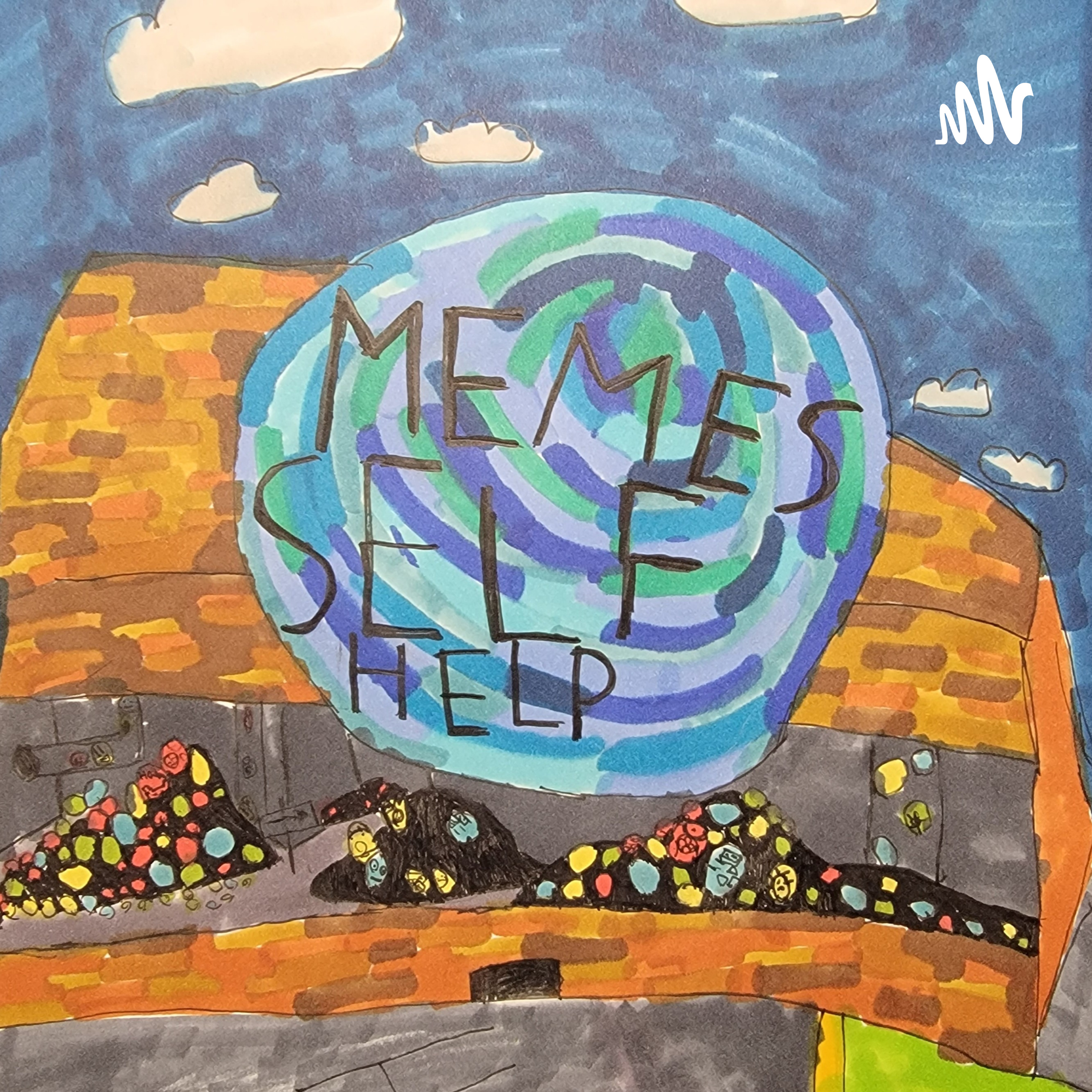
A Podcast About Self Help Using Memes
by Blake Moore
Welcome a Podcast About Self Help Using Memes! We'll cover content like having tough conversations with loved ones or significant others, talking to your boss about a raise, and building social skills. Treating those concepts as memes lets us use Social Science tools to fix them, which is why the podcast is named what it is. The episode descriptions should give you a pretty good idea of what's going to be discussed, but I'd advise you to listen to the first one first, just to understand the intent and format of the overall podcast.
-
15
Work: Being better at your job and liking it more
This is the second work episode. We’ll talk about: Productivity College as a necessity for a “good” job Giving and receiving feedback
-
14
How I self care for my anxiety with memes
Memes are ways that I deal with my anxiety - these ideas or suggestions are how I help myself. Some of them are tools for identifying that what I’m feeling is anxiety. Specifically we’ll talk about: Defining anxiety Breaking anxiety feedback loops with easy math Using probability to be in charge
-
13
How to make good choices - Volume 2
Today we’re going to talk about framework entries - basically ways or maxims ways to live your life by. We’ll cover: Lao Tzu - you know this guy even if you don’t realize it Self Interest and when to prioritize it Mental defaults and why they matter How to decide if you should act
-
12
Giving up: Why you should quit early, and often
On today’s episode we’re going to talk about giving up. I mean this as a synonym for conceding. We get told over and over again that winners never quit, and quitters never win, so we should never quit. While there’s value in that advice, it’s got more nuance than that. I’m going to talk about What I mean by giving up Why you should give up (and apologize while you do it) Like dogs! How concession and belief interact
-
11
Caveman Problems 2: More ways our brains work against us
This is the second episode around why even with full awareness ahead of time, our brains will try and get us to settle for sub-optimal choices. This episode will cover: Loss aversion The sunk cost fallacy Imposter syndrome False dichotomies
-
10
Parenting: How raise better kids
This is the first episode about Parenting! It'll cover how to build a child’s inner dialog, being patient in parenting, and how to talk to kids about money. The meme of the episode is "rap". Bonus lesson - how to make toddlers stay in bed longer.
-
9
Work: How to get a better job, then be happier and more productive at it (ft. Multitasking)
In this episode we'll talk about getting a job you like, motivation, happiness and multitasking.
-
8
Caveman Problems 1: Why don't our brains work they way we want them to?
Today we’re going to talk about ways that your brain can trick you. Even when you know it’s about to do it. It’s honesty kind of amazing. We're going to cover: Non-productive Anxiety The Dunning Kruger Effect Reciprocity The Fundamental Attribution Error How things can just feel "off" or "wrong"
-
7
Getting on the same page: How should I talk to people?
In this episode I'm going to start getting into why the words we say matter. I'll give examples of how you might try to think about things when talking to other people. I I'm going to reference a few books in this episode, but they're awesome and worth reading from cover to cover so I want to make sure you get the right ones if you look them up. Not required reading at all, I'll talk about them for both of us: https://en.wikipedia.org/wiki/How_Not_to_Be_Wrong https://en.wikipedia.org/wiki/Thinking,_Fast_and_Slow https://en.wikipedia.org/wiki/Nudge_(book)
-
6
What makes "me", me? Understanding your own personal meme, then using it - with Marvel’s Shang-Chi
In this episode we'll talk more about memes, as a concept and theory. Everyone has their own memes, and in this episode I'll define why I think that's true with math. We'll talk about: Understanding that we're probably very unique Thinking about what that means Motivating yourself to do better everyday, using that knowledge Also, I get to talk about Marvel's Shang-Chi, and have it make sense, which is loads of fun.
-
5
How do I make "good" choices? How do I know if I'm "right"?
We'll talk about setting up our own "mental defaults" for making good choices as well as get our first entry into our framework for making choices - The Golden Rule. Part of "how do I know if I'm right" is figuring out what we should mean by "right". Lets get at it!
-
4
How do you "know" what you know?
Before we can answer questions like "how do I know the right way to act?", we have to understand how we "know". Thankfully there's already a word for that, but it's spooky, since it's an "ology" you've likely not seen before. I'd like to make it less spooky, so lets chat about it. We'll get to the"right" part in it's own podcast about having a personal system of decision making. For now, lets talk about what it can mean "to know". P.S., the word is epistemology.
-
3
Social Skills: Small Talk and Negotiations 101
In this episode we'll start talking about social skills - specifically this episode has guides to and context for: Making small talk Using practical negotiation skills
-
2
An Introduction: What are memes? Who am I? What content will we talk about?
In this episode I introduce myself and the podcast. I talk about: Who I am What this podcast is about What I mean when I say "memes", since I doubt it's what you're thinking How to use this podcast as a Self Help or Self Improvement tool Plans for future episodes
-
1
We're indexing this podcast's transcripts for the first time — this can take a minute or two. We'll show results as soon as they're ready.
No matches for "" in this podcast's transcripts.
No topics indexed yet for this podcast.
Loading reviews...
ABOUT THIS SHOW
Welcome a Podcast About Self Help Using Memes! We'll cover content like having tough conversations with loved ones or significant others, talking to your boss about a raise, and building social skills. Treating those concepts as memes lets us use Social Science tools to fix them, which is why the podcast is named what it is. The episode descriptions should give you a pretty good idea of what's going to be discussed, but I'd advise you to listen to the first one first, just to understand the intent and format of the overall podcast.
HOSTED BY
Blake Moore
CATEGORIES
Loading similar podcasts...
Frequently Asked Questions
How many episodes does A Podcast About Self Help Using Memes have?
A Podcast About Self Help Using Memes currently has 15 episodes available on PodParley. New episodes are automatically indexed when they're published to the podcast feed.
What is A Podcast About Self Help Using Memes about?
Welcome a Podcast About Self Help Using Memes! We'll cover content like having tough conversations with loved ones or significant others, talking to your boss about a raise, and building social skills. Treating those concepts as memes lets us use Social Science tools to fix them, which is why the...
How often does A Podcast About Self Help Using Memes release new episodes?
A Podcast About Self Help Using Memes has 15 episodes. Check the episode list to see recent publication dates and frequency.
Where can I listen to A Podcast About Self Help Using Memes?
You can listen to A Podcast About Self Help Using Memes on PodParley by clicking any episode. We provide an embedded audio player for direct listening, and you can also subscribe via your preferred podcast app using the RSS feed.
Who hosts A Podcast About Self Help Using Memes?
A Podcast About Self Help Using Memes is created and hosted by Blake Moore.
URL copied to clipboard!