
PODCAST · business
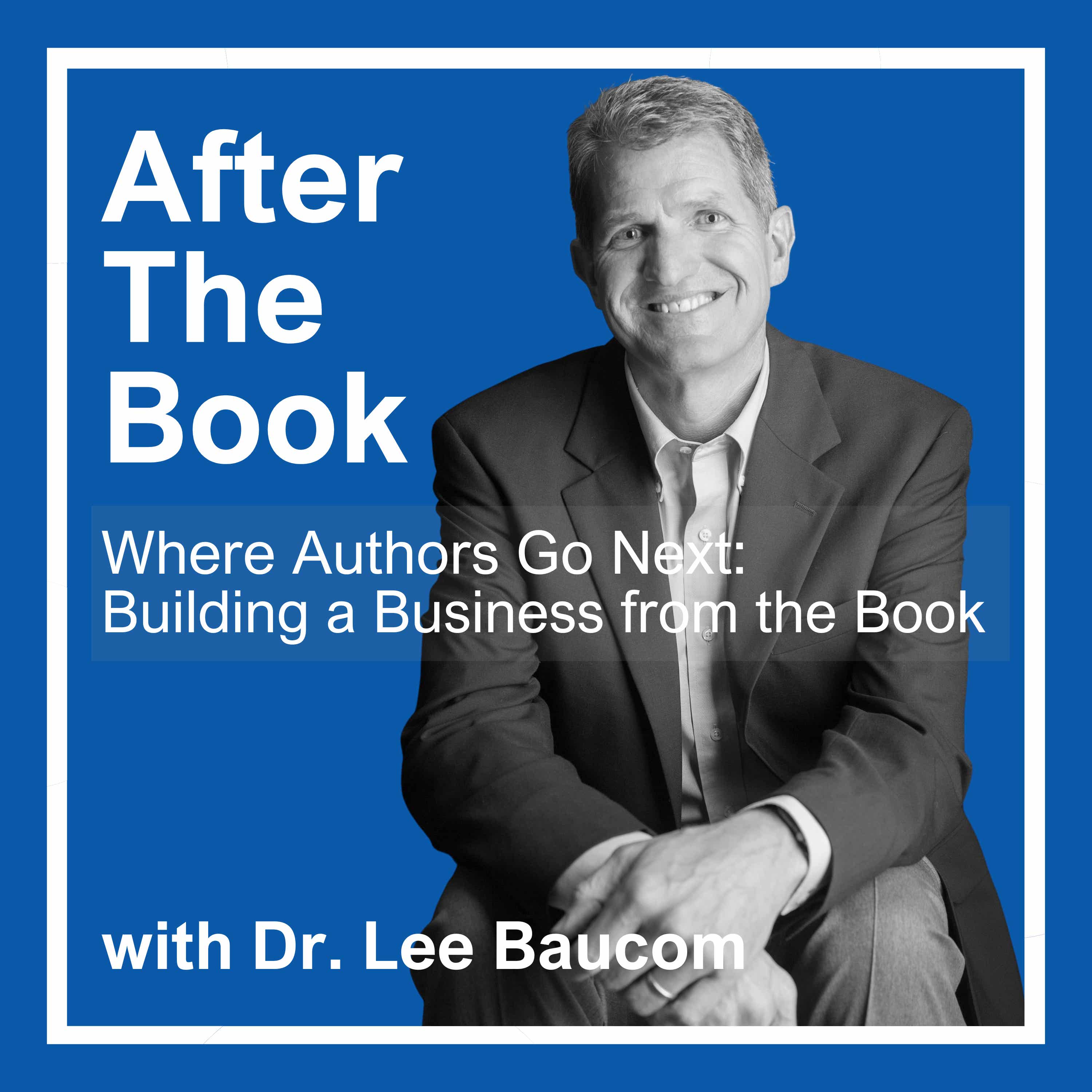
After The Book Podcast
by Lee H. Baucom, PhD
A podcast for authors thinking about what comes next after the book, and how a book quietly becomes a business, without the noise. booktobusinessblueprint.com
-
18
When You Build Something and No One Buys It
Episode: 16Title: When You Build Something and No One Buys ItIn this episode:A response to a listener who built a course based on reader feedback but saw very few sales. This episode explores the gap between interest and readiness—and why the delivery method often matters more than the content.Key ideas:– Building something that doesn’t sell is not failure—it’s feedback– There’s a difference between interest and readiness– People often ask for help, but not in a self-directed format– The container matters as much as the content– More marketing won’t fix a mismatch in deliveryWhat’s actually happening:– You listened to the signal correctly– But translated it into the wrong delivery format– The result is low response—not because the idea is wrong, but because the fit is offFrom the episode:“I don’t think you built the wrong thing. I think you built the right thing in the wrong delivery method.”Reframe:You didn’t fail.You tested.Practical shift:– Don’t scrap the content– Test a version with more presence (1:1, small group, cohort)– Pay attention to what people actually engage with– Let that inform the next versionWhat to test next:– One-on-one guidance– Small group cohort (time-bound)– Live walkthrough of your frameworkReflection questions:– What were people really asking for when they said “help me implement this”?– Does your current offer match their capacity and readiness?– What would change if you added more presence to the experience?– What did you learn from building this that you couldn’t have learned otherwise?Next step:Continue the thinking—and take one step at a time—at BookToBusinessBlueprint.com Get full access to The Book-To-Business Blueprint at booktobusinessblueprint.com/subscribe
-
17
When People Want to Work with You But You Don’t Know What to Offer - Don’s Question
Episode: 15Title: When People Want to Work with You But You Don’t Know What to OfferIn this episode:A response to a listener who has demand for his work but no clear offer. This episode explores how to move from interest to action, without overthinking the structure or waiting for the “perfect” program.Key ideas:– Demand without clarity creates a different kind of stuck– People asking to work with you don’t need a perfect offer– Waiting for the right structure delays learning– The offer emerges from doing the work, not planning it– One-to-one work is often the fastest path to clarityWhat’s actually happening:– You’re trying to design the final version too early– You’re focusing on the container instead of the help– You’re waiting for certainty that only comes from experienceFrom the episode:“The offer doesn’t come from planning. It comes from practice.”Practical starting point:– Say yes to one person– Offer a simple structure (e.g., 3 sessions)– Focus on a clear outcome– Learn from the experience– Repeat and refineWhy one-to-one first:– Reveals real problems (not assumed ones)– Refines your language and examples– Shows where transformation actually happens– Creates the foundation for future offersReflection questions:– Who is the one person you could say yes to this week?– What would it feel like to offer help without having it fully figured out?– What are you waiting for before you start?– What could you learn from helping one person that you can’t learn from thinking?Next step:Continue the thinking — and take one step at a time — at BookToBusinessBlueprint.com Get full access to The Book-To-Business Blueprint at booktobusinessblueprint.com/subscribe
-
16
When You’re Drowning in “Should”
Episode: 14Title: When You’re Drowning in “Should”In this episode:A response to a listener who feels overwhelmed by everything she’s been told to build after publishing her book. This episode explores why most of that advice creates paralysis—and what to focus on instead.Key ideas:– Overwhelm often comes from trying to do everything at once– Most post-book advice is designed for people further along– Lists of “shoulds” create guilt, not clarity– Infrastructure is not the starting point– Clarity comes before systemsWhat’s actually happening:– You’ve borrowed a model that doesn’t fit your stage– You’re trying to build everything before knowing what matters– The result is paralysis, not progressFrom the episode:“The problem isn’t you. The problem is the list.”Reframe:You don’t need to do everything.You need to do one thing.Practical shift:– Talk to 5–10 people who’ve read your book– Listen for what they need beyond the book– Build one small thing based on that signal– Ignore infrastructure until clarity existsReflection questions:– If you threw out the list, what would you actually want to do next?– Who are five people you could talk to this week?– What is the one thing you could focus on for the next month?– What are you actually afraid of underneath the overwhelm?Next step:Continue the thinking — and take one step at a time — at BookToBusinessBlueprint.com Get full access to The Book-To-Business Blueprint at booktobusinessblueprint.com/subscribe
-
15
When The Book Doesn’t Launch the Way You Expected — Reader Question
Episode: 13Title: When the Book Doesn’t Launch the Way You ExpectedIn this episode:A response to a reader question from an author whose book didn’t generate the momentum he expected. This episode explores the gap between expectation and reality—and how to reframe the role of the book so you can move forward.Key ideas:– Most books don’t create momentum on their own– The expectation of a “launch effect” is often misplaced– A book’s real value is in clarity, authority, and potential– Disappointment often comes from measuring the wrong outcome– The next step isn’t fixing the book—it’s building from itWhat the book actually does:– Clarifies your thinking– Establishes your authority– Creates a foundation for future work– Generates small signals (if you pay attention)From the episode:“The book didn’t fail. You’re just measuring the wrong outcome.”Reframe:The book is not the finish line.It’s the starting point.Reflection questions:– Who has already responded to your book, even in small ways?– What are they asking for beyond what’s in the book?– What did writing the book clarify for you?– What is the smallest next step you could test from that clarity?– What would change if you saw the book as a foundation, not a failure?Next step:Continue the thinking, and take one step at a time, at BookToBusinessBlueprint.com Get full access to The Book-To-Business Blueprint at booktobusinessblueprint.com/subscribe
-
14
Building the Long Arc
Episode: 12Title: Building the Long ArcIn this episode:After building clarity, choosing direction, and creating a sustainable starting point, the next shift is time horizon. This episode explores what changes when you stop thinking in weeks and start thinking in years. We look at why that shift protects coherence, builds authority, and creates something that lasts.Key ideas:– Most urgency is borrowed from someone else’s model– Short-term pressure often leads to misalignment– Thinking in years simplifies decisions– Clarity, authority, and trust compound over time– Patience protects coherence and prevents fragmentationFrom the episode:“Urgency is usually borrowed.”Reflection questions:– What would change if you thought in 5–10 year timelines instead of weeks?– Where are you borrowing urgency from someone else?– What decisions are you making from short-term pressure?– What would it look like to build more slowly, but more intentionally?Next step:Continue the thinking, and take one step at a time, at BookToBusinessBlueprint.com Get full access to The Book-To-Business Blueprint at booktobusinessblueprint.com/subscribe
-
13
The Smallest Sustainable Version
Episode: 11Title: The Smallest Sustainable VersionIn this episode:After choosing a direction and designing around your temperament, the next step is building something real—but not oversized. In this episode, I explore how to define and create the smallest version of your business that delivers value, fits your life, and can be sustained over time.Key ideas:– Why authors tend to overbuild too early– The difference between starting small and thinking small– Defining “enough” before pursuing scale– Sustainability as a function of fit, not just revenue– Why durability matters more than speedFrom the episode:“You don’t need to build everything at once. You just need the smallest version that works.”Reflection questions:– What is the smallest version of what you want to build that would still deliver real value?– What is enough for you?– If your business supported your life but didn’t look impressive, would that be okay?– What are you currently building that is bigger than it needs to be?Next episode:Building for the long arc—how to think in years, not weeks, and why patience protects coherence. Get full access to The Book-To-Business Blueprint at booktobusinessblueprint.com/subscribe
-
12
Designing Around Your Temperament
Episode: 10Title: Designing Around Your TemperamentIn this episode:Not every business model fits every person. In this episode, I explore how your temperament—your energy, preferences, and natural tendencies—should shape what you build after your book. The goal isn’t just effectiveness. It’s sustainability.Key ideas:– The difference between what works and what fits– Why building against your temperament leads to burnout– Energy, interaction, and visibility as design factors– Sustainability as a function of self-knowledge– Designing a business you can maintain long-termFrom the episode:“The right shape for your business isn’t just about what people are asking for. It’s about what you can sustain.”Reflection questions:– What energizes you in your work?– What consistently drains you?– Do you prefer depth or variety?– Do you thrive on interaction or need space?– What are you currently doing that fights your temperament?Next episode:How to build the smallest sustainable version of your business—something that supports your life without consuming it. Get full access to The Book-To-Business Blueprint at booktobusinessblueprint.com/subscribe
-
11
The Shape of What You're Building
Episode: 9Title: The Shape of What You’re BuildingIn this episode:Once your book starts revealing real possibilities, the next challenge is focus. In this episode, I explore the core shapes most book-based businesses take, why too many options create paralysis, and how choosing one direction for now creates the depth needed for something durable.Key ideas:– Clarity often creates options, and options can create paralysis– Most book-based businesses take a few core shapes– One-to-one, one-to-many, self-directed, recurring, and project-based are the main forms– Focus creates depth, and depth compounds faster than breadth– “For now” is a focused decision, not a permanent oneFrom the episode:“One thing done well opens more doors than five things done halfway.”Reflection questions:– Which shape is your book already pointing toward?– What signal have you been hearing that fits one of these forms?– If you had to choose one shape to focus on for the next six months to a year, what would it be?– What is keeping you from committing to that right now?Next episode:How to choose the shape that fits not just your book, but your temperament, energy, and life. Get full access to The Book-To-Business Blueprint at booktobusinessblueprint.com/subscribe
-
10
Signal vs. Distraction
Episode: 8Title: Signal vs. DistractionIn this episode:After publishing, opportunity increases — but not every opportunity is a signal. In this episode, I explore how to distinguish real patterns from noise, how ego can blur discernment, and why protecting coherence is essential for building a sustainable book-based business.Key ideas:– Not every positive response is direction– Real signal repeats and strengthens over time– Distraction often feels urgent and externally validating– “Does this extend the logic of my book?” as a filtering question– Coherence as the foundation of sustainabilityFrom the episode:“Signal strengthens with time. Distraction demands immediacy.”Reflection questions:– What opportunity feels urgent right now?– Has it repeated, or is it just loud?– Does it deepen your message or dilute it?– If you removed ego from the equation, would it still make sense?Next episode:How to choose a direction without feeling like you have to build everything at once. Get full access to The Book-To-Business Blueprint at booktobusinessblueprint.com/subscribe
-
9
Listening to Your Readers
Episode: 7Title: Listening to Your ReadersIn this episode:Building a book-based business requires more than clarity. It requires listening. In this episode, I explore how readers often reveal what your book is actually doing — and how paying attention to those signals can guide what comes next.Key ideas:– The gap between what you intended and what readers experience– Why reader feedback is often a signal, not a critique– Listening as a consistent practice, not a one-time action– How small conversations can point toward bigger clarityFrom the episode:“Listening to your readers isn’t a system. It’s a practice.”Next episode:How to tell real signal from distraction — because not every opportunity belongs in your business. Get full access to The Book-To-Business Blueprint at booktobusinessblueprint.com/subscribe
-
8
What a Book-Based Business Actually Looks Like
Episode: 6Title: What Does a Book-Based Business Look Like?In this episode:A book-based business doesn’t follow a single blueprint. In this episode, I explore what these businesses actually look like in practice — through patterns I’ve observed over time. The key isn’t forcing a model. It’s noticing what the book is already doing and building around that.Key ideas:– Book-based businesses emerge from clarity, not strategy– The book often does the filtering work before the business exists– Patterns appear in repeated conversations and aligned opportunities– You don’t have to build something big — you have to noticeFrom the episode:“None of them forced it. They noticed it.”Next episode:How to recognize what comes next — not as a plan, but as a pattern. Get full access to The Book-To-Business Blueprint at booktobusinessblueprint.com/subscribe
-
7
What Books Are Actually Good At
Episode: 5Title: What Books Are Actually Good AtIn this episode:A book doesn’t need to do everything to be valuable—but many authors pressure it to. In this episode, I talk about what shifts when you understand what a book is actually good at, and why that clarity becomes the bridge between the book and the business that comes next.Key ideas:– The bridge between book and business is often a mindset shift, not a plan– When you understand the job of the book, you stop forcing it– Measuring the wrong outcome creates unnecessary disappointment– Clarity reduces urgency and makes next decisions simplerReflection questions from the episode:– What has your book already clarified for you or for others?– What conversations has your book already made easier?– What pressure have you been putting on your book that it was never meant to carry?Quote:“When you see the job of the book more clearly, the rest of the decisions stop feeling urgent.” Get full access to The Book-To-Business Blueprint at booktobusinessblueprint.com/subscribe
-
6
You’re Not Late — You’re Standing at the Quiet Part of the Path
Episode Title: You’re Not Late — You’re Just Standing at the Quiet Part of the PathAfter writing a book, many authors feel an unexpected wave of pressure:What comes next?Did I miss something?Am I already behind?In this episode, Lee Baucom offers a simple reframe that removes that pressure and restores momentum.Instead of asking big, overwhelming questions about scale or long-term plans, he invites authors to ask just one calm, grounding question:Where could I help a little bit more?This episode is about:why overwhelm often shows up after the bookwhy you’re not late — even if it feels that wayhow one small question can reset your sense of directionfinding a sustainable, pressure-free way forwardIf you’re an author wondering what comes after the book — and you want clarity without hype — this episode is for you.Explore more at:👉 booktobusinessblueprint.com Get full access to The Book-To-Business Blueprint at booktobusinessblueprint.com/subscribe
-
5
When the Book Isn’t the Problem
Episode: 3Title: When the Book Isn’t the ProblemIn this episode:I reflect on how books often do their job long before authors recognize it. Rather than being failures, many books function as credibility anchors, filters, and bridges—clarifying who your work is for and what it naturally leads to.You’ll hear about:– Books as credibility anchors– Why books are naturally self-selective– Using a book to filter alignment, not convince everyone– The difference between performance and expectation– Why disappointment often points to a misassigned roleFrom the episode:“When a book feels disappointing, it’s often not because it failed—but because it was only the beginning.”Podcast: After the Book Get full access to The Book-To-Business Blueprint at booktobusinessblueprint.com/subscribe
-
4
The Accidental Entrepreneur
Episode: 2Title: The Accidental EntrepreneurIn this episode:I share how my first book gradually turned into a business. Not through strategy or intention, but through attention. Over time, the books I wrote became the foundation of my work, fitting together in a coherent way I didn’t fully recognize until much later.You’ll hear about:– Writing without a business plan– Why coherence across books matters more than novelty– Staying on a clear path instead of chasing new directions– How books can quietly become the business itselfFrom the episode:“The books weren’t ever separate from the business. They were the business.”Podcast: After the Book Get full access to The Book-To-Business Blueprint at booktobusinessblueprint.com/subscribe
-
3
Origin Story (An Unlikely Author)
Episode: 1Title: Origin Story — An Unlikely AuthorIn this episode:I share how becoming an author had nothing to do with loving reading—and everything to do with needing clarity. From growing up dyslexic to using books as tools rather than trophies, this episode sets the foundation for how I think about authorship and business.You’ll hear about:– Why reading has always been work for me– Loving what books do without loving the act of reading– Writing as a tool for clarity, not expression– Why friction in the process doesn’t mean you’re doing it wrongFrom the episode:“I didn’t become an author by loving books. I became one by needing clarity.”Podcast: After the Book Get full access to The Book-To-Business Blueprint at booktobusinessblueprint.com/subscribe
No matches for "" in this podcast's transcripts.
No topics indexed yet for this podcast.
Loading reviews...
ABOUT THIS SHOW
A podcast for authors thinking about what comes next after the book, and how a book quietly becomes a business, without the noise. booktobusinessblueprint.com
HOSTED BY
Lee H. Baucom, PhD
CATEGORIES
Loading similar podcasts...
URL copied to clipboard!