
PODCAST · fiction
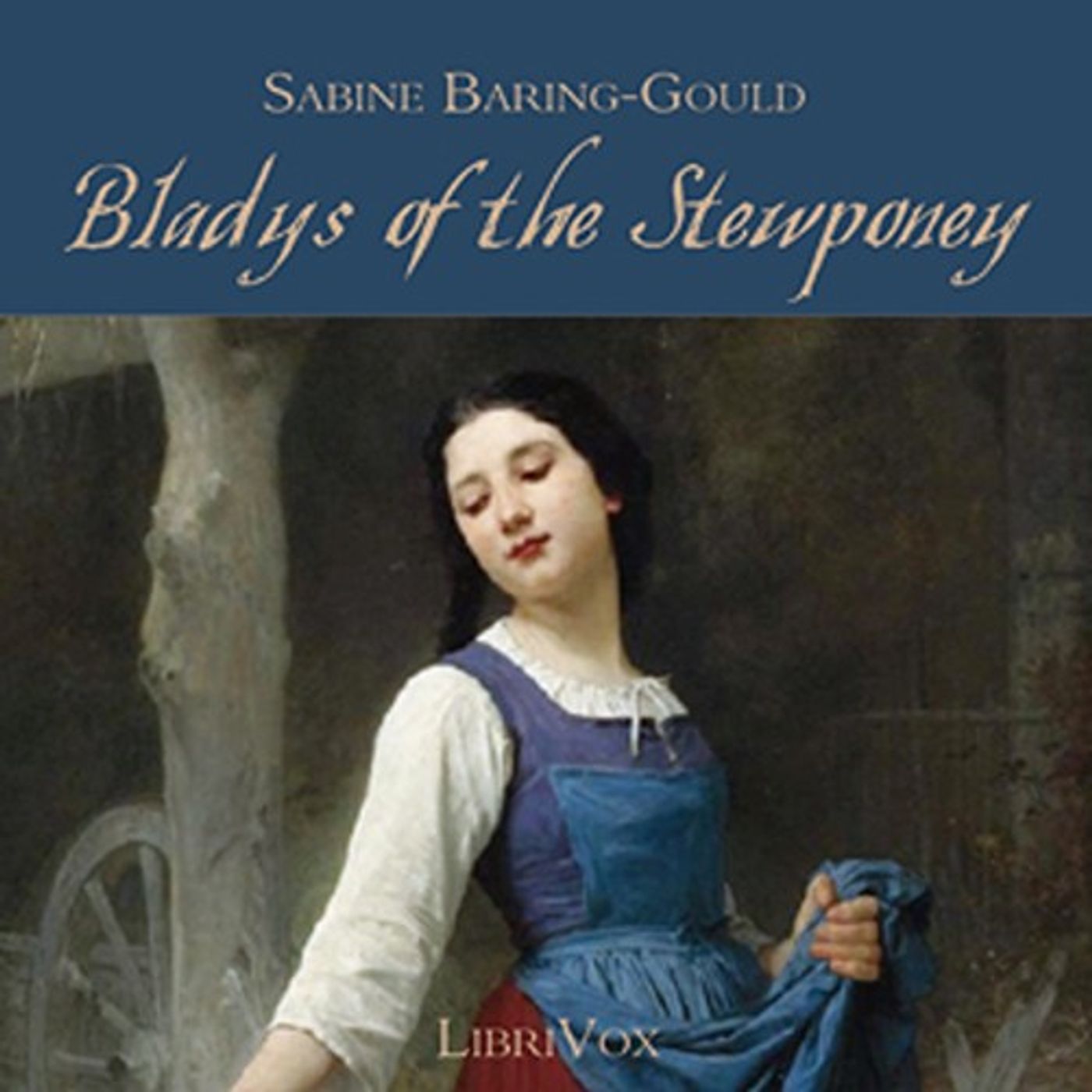
Bladys of the Stewponey by Sabine Baring-Gould.
by AudioBooks
Bladys of the Stewponey by Sabine Baring-Gould. This story is set in England in the days when women were regarded as having a low status, highwaymen and murder were common and people were executed for trivial offences. The novel is based on two historical events: The first of these was the last public execution by burning in England which took place in Shrewsbury in 1789. The horror of the scene is graphically enhanced by the description of the tolling bell: "St Mary's bell boomed, sending throbs of sound overhead that beat against the walls of the house in one street, and came back muffled in recoil." The second event was where a young lady had to endure the shame of being the prize at a bowling contest. This is described as follows: "O yes! O yes! O yes! This is to give notice that this 'ere evening, at six o'clock, at Stewponey, there will be a grand champion match at bowls on the green. The prize to be Bladys Rea, commonly called Stewponey
-
27
27 - Appendix - Burning for Petty Treason. Bladys of the Stewponey by Sabine Baring-Gould.
27 - Appendix - Burning for Petty Treason. Bladys of the Stewponey by Sabine Baring-Gould. This story is set in England in the days when women were regarded as having a low status, highwaymen and murder were common and people were executed for trivial offences. The novel is based on two historical events: The first of these was the last public execution by burning in England which took place in Shrewsbury in 1789. The horror of the scene is graphically enhanced by the description of the tolling bell: "St Mary's bell boomed, sending throbs of sound overhead that beat against the walls of the house in one street, and came back muffled in recoil." The second event was where a young lady had to endure the shame of being the prize at a bowling contest. This is described as follows: "O yes! O yes! O yes! This is to give notice that this 'ere evening, at six o'clock, at Stewponey, there will be a grand champion match at bowls on the green. The prize to be Bladys Rea, commonly called Stewponey Bla. Admittance one shilling. 'Arf-a-crown inner ring, and ticket admits to the 'oly function, by kind permission of the proprietor, in the Chapel of Stourton Castle. At six o'clock per-cise. No 'arf-price. Children and dogs not admitted." The heroine of the novel, Bladys Rea, of Spanish extraction, has to undergo a mock marriage under duress, performs an act of kindness to a woman sentenced to death and is later falsely accused and tried for murder herself.
-
26
26 - Chapter 26 - The Crooked Finger Again. Bladys of the Stewponey by Sabine Baring-Gould.
26 - Chapter 26 - The Crooked Finger Again. Bladys of the Stewponey by Sabine Baring-Gould. This story is set in England in the days when women were regarded as having a low status, highwaymen and murder were common and people were executed for trivial offences. The novel is based on two historical events: The first of these was the last public execution by burning in England which took place in Shrewsbury in 1789. The horror of the scene is graphically enhanced by the description of the tolling bell: "St Mary's bell boomed, sending throbs of sound overhead that beat against the walls of the house in one street, and came back muffled in recoil." The second event was where a young lady had to endure the shame of being the prize at a bowling contest. This is described as follows: "O yes! O yes! O yes! This is to give notice that this 'ere evening, at six o'clock, at Stewponey, there will be a grand champion match at bowls on the green. The prize to be Bladys Rea, commonly called Stewponey Bla. Admittance one shilling. 'Arf-a-crown inner ring, and ticket admits to the 'oly function, by kind permission of the proprietor, in the Chapel of Stourton Castle. At six o'clock per-cise. No 'arf-price. Children and dogs not admitted." The heroine of the novel, Bladys Rea, of Spanish extraction, has to undergo a mock marriage under duress, performs an act of kindness to a woman sentenced to death and is later falsely accused and tried for murder herself.
-
25
25 - Chapter 25 - Nan, Farewell! Bladys of the Stewponey by Sabine Baring-Gould.
25 - Chapter 25 - Nan, Farewell! Bladys of the Stewponey by Sabine Baring-Gould. This story is set in England in the days when women were regarded as having a low status, highwaymen and murder were common and people were executed for trivial offences. The novel is based on two historical events: The first of these was the last public execution by burning in England which took place in Shrewsbury in 1789. The horror of the scene is graphically enhanced by the description of the tolling bell: "St Mary's bell boomed, sending throbs of sound overhead that beat against the walls of the house in one street, and came back muffled in recoil." The second event was where a young lady had to endure the shame of being the prize at a bowling contest. This is described as follows: "O yes! O yes! O yes! This is to give notice that this 'ere evening, at six o'clock, at Stewponey, there will be a grand champion match at bowls on the green. The prize to be Bladys Rea, commonly called Stewponey Bla. Admittance one shilling. 'Arf-a-crown inner ring, and ticket admits to the 'oly function, by kind permission of the proprietor, in the Chapel of Stourton Castle. At six o'clock per-cise. No 'arf-price. Children and dogs not admitted." The heroine of the novel, Bladys Rea, of Spanish extraction, has to undergo a mock marriage under duress, performs an act of kindness to a woman sentenced to death and is later falsely accused and tried for murder herself.
-
24
24 - Chapter 24 - At The Rock Foot. Bladys of the Stewponey by Sabine Baring-Gould.
24 - Chapter 24 - At The Rock Foot. Bladys of the Stewponey by Sabine Baring-Gould. This story is set in England in the days when women were regarded as having a low status, highwaymen and murder were common and people were executed for trivial offences. The novel is based on two historical events: The first of these was the last public execution by burning in England which took place in Shrewsbury in 1789. The horror of the scene is graphically enhanced by the description of the tolling bell: "St Mary's bell boomed, sending throbs of sound overhead that beat against the walls of the house in one street, and came back muffled in recoil." The second event was where a young lady had to endure the shame of being the prize at a bowling contest. This is described as follows: "O yes! O yes! O yes! This is to give notice that this 'ere evening, at six o'clock, at Stewponey, there will be a grand champion match at bowls on the green. The prize to be Bladys Rea, commonly called Stewponey Bla. Admittance one shilling. 'Arf-a-crown inner ring, and ticket admits to the 'oly function, by kind permission of the proprietor, in the Chapel of Stourton Castle. At six o'clock per-cise. No 'arf-price. Children and dogs not admitted." The heroine of the novel, Bladys Rea, of Spanish extraction, has to undergo a mock marriage under duress, performs an act of kindness to a woman sentenced to death and is later falsely accused and tried for murder herself.
-
23
23 - Chapter 23 - Meg-A-Fox Hole. Bladys of the Stewponey by Sabine Baring-Gould.
23 - Chapter 23 - Meg-A-Fox Hole. Bladys of the Stewponey by Sabine Baring-Gould. This story is set in England in the days when women were regarded as having a low status, highwaymen and murder were common and people were executed for trivial offences. The novel is based on two historical events: The first of these was the last public execution by burning in England which took place in Shrewsbury in 1789. The horror of the scene is graphically enhanced by the description of the tolling bell: "St Mary's bell boomed, sending throbs of sound overhead that beat against the walls of the house in one street, and came back muffled in recoil." The second event was where a young lady had to endure the shame of being the prize at a bowling contest. This is described as follows: "O yes! O yes! O yes! This is to give notice that this 'ere evening, at six o'clock, at Stewponey, there will be a grand champion match at bowls on the green. The prize to be Bladys Rea, commonly called Stewponey Bla. Admittance one shilling. 'Arf-a-crown inner ring, and ticket admits to the 'oly function, by kind permission of the proprietor, in the Chapel of Stourton Castle. At six o'clock per-cise. No 'arf-price. Children and dogs not admitted." The heroine of the novel, Bladys Rea, of Spanish extraction, has to undergo a mock marriage under duress, performs an act of kindness to a woman sentenced to death and is later falsely accused and tried for murder herself.
-
22
22 - Chapter 22 - Holy Austin Rock. Bladys of the Stewponey by Sabine Baring-Gould.
22 - Chapter 22 - Holy Austin Rock. Bladys of the Stewponey by Sabine Baring-Gould. This story is set in England in the days when women were regarded as having a low status, highwaymen and murder were common and people were executed for trivial offences. The novel is based on two historical events: The first of these was the last public execution by burning in England which took place in Shrewsbury in 1789. The horror of the scene is graphically enhanced by the description of the tolling bell: "St Mary's bell boomed, sending throbs of sound overhead that beat against the walls of the house in one street, and came back muffled in recoil." The second event was where a young lady had to endure the shame of being the prize at a bowling contest. This is described as follows: "O yes! O yes! O yes! This is to give notice that this 'ere evening, at six o'clock, at Stewponey, there will be a grand champion match at bowls on the green. The prize to be Bladys Rea, commonly called Stewponey Bla. Admittance one shilling. 'Arf-a-crown inner ring, and ticket admits to the 'oly function, by kind permission of the proprietor, in the Chapel of Stourton Castle. At six o'clock per-cise. No 'arf-price. Children and dogs not admitted." The heroine of the novel, Bladys Rea, of Spanish extraction, has to undergo a mock marriage under duress, performs an act of kindness to a woman sentenced to death and is later falsely accused and tried for murder herself.
-
21
21 - Chapter 21 - A Protector. Bladys of the Stewponey by Sabine Baring-Gould.
21 - Chapter 21 - A Protector. Bladys of the Stewponey by Sabine Baring-Gould. This story is set in England in the days when women were regarded as having a low status, highwaymen and murder were common and people were executed for trivial offences. The novel is based on two historical events: The first of these was the last public execution by burning in England which took place in Shrewsbury in 1789. The horror of the scene is graphically enhanced by the description of the tolling bell: "St Mary's bell boomed, sending throbs of sound overhead that beat against the walls of the house in one street, and came back muffled in recoil." The second event was where a young lady had to endure the shame of being the prize at a bowling contest. This is described as follows: "O yes! O yes! O yes! This is to give notice that this 'ere evening, at six o'clock, at Stewponey, there will be a grand champion match at bowls on the green. The prize to be Bladys Rea, commonly called Stewponey Bla. Admittance one shilling. 'Arf-a-crown inner ring, and ticket admits to the 'oly function, by kind permission of the proprietor, in the Chapel of Stourton Castle. At six o'clock per-cise. No 'arf-price. Children and dogs not admitted." The heroine of the novel, Bladys Rea, of Spanish extraction, has to undergo a mock marriage under duress, performs an act of kindness to a woman sentenced to death and is later falsely accused and tried for murder herself.
-
20
20 - Chapter 20 - The Tally Stick. Bladys of the Stewponey by Sabine Baring-Gould.
20 - Chapter 20 - The Tally Stick. Bladys of the Stewponey by Sabine Baring-Gould. This story is set in England in the days when women were regarded as having a low status, highwaymen and murder were common and people were executed for trivial offences. The novel is based on two historical events: The first of these was the last public execution by burning in England which took place in Shrewsbury in 1789. The horror of the scene is graphically enhanced by the description of the tolling bell: "St Mary's bell boomed, sending throbs of sound overhead that beat against the walls of the house in one street, and came back muffled in recoil." The second event was where a young lady had to endure the shame of being the prize at a bowling contest. This is described as follows: "O yes! O yes! O yes! This is to give notice that this 'ere evening, at six o'clock, at Stewponey, there will be a grand champion match at bowls on the green. The prize to be Bladys Rea, commonly called Stewponey Bla. Admittance one shilling. 'Arf-a-crown inner ring, and ticket admits to the 'oly function, by kind permission of the proprietor, in the Chapel of Stourton Castle. At six o'clock per-cise. No 'arf-price. Children and dogs not admitted." The heroine of the novel, Bladys Rea, of Spanish extraction, has to undergo a mock marriage under duress, performs an act of kindness to a woman sentenced to death and is later falsely accused and tried for murder herself.
-
19
19 - Chapter 19 - A Second Flight. Bladys of the Stewponey by Sabine Baring-Gould.
19 - Chapter 19 - A Second Flight. Bladys of the Stewponey by Sabine Baring-Gould. This story is set in England in the days when women were regarded as having a low status, highwaymen and murder were common and people were executed for trivial offences. The novel is based on two historical events: The first of these was the last public execution by burning in England which took place in Shrewsbury in 1789. The horror of the scene is graphically enhanced by the description of the tolling bell: "St Mary's bell boomed, sending throbs of sound overhead that beat against the walls of the house in one street, and came back muffled in recoil." The second event was where a young lady had to endure the shame of being the prize at a bowling contest. This is described as follows: "O yes! O yes! O yes! This is to give notice that this 'ere evening, at six o'clock, at Stewponey, there will be a grand champion match at bowls on the green. The prize to be Bladys Rea, commonly called Stewponey Bla. Admittance one shilling. 'Arf-a-crown inner ring, and ticket admits to the 'oly function, by kind permission of the proprietor, in the Chapel of Stourton Castle. At six o'clock per-cise. No 'arf-price. Children and dogs not admitted." The heroine of the novel, Bladys Rea, of Spanish extraction, has to undergo a mock marriage under duress, performs an act of kindness to a woman sentenced to death and is later falsely accused and tried for murder herself.
-
18
18 - Chapter 18 - A Crooked Finger. Bladys of the Stewponey by Sabine Baring-Gould.
18 - Chapter 18 - A Crooked Finger. Bladys of the Stewponey by Sabine Baring-Gould. This story is set in England in the days when women were regarded as having a low status, highwaymen and murder were common and people were executed for trivial offences. The novel is based on two historical events: The first of these was the last public execution by burning in England which took place in Shrewsbury in 1789. The horror of the scene is graphically enhanced by the description of the tolling bell: "St Mary's bell boomed, sending throbs of sound overhead that beat against the walls of the house in one street, and came back muffled in recoil." The second event was where a young lady had to endure the shame of being the prize at a bowling contest. This is described as follows: "O yes! O yes! O yes! This is to give notice that this 'ere evening, at six o'clock, at Stewponey, there will be a grand champion match at bowls on the green. The prize to be Bladys Rea, commonly called Stewponey Bla. Admittance one shilling. 'Arf-a-crown inner ring, and ticket admits to the 'oly function, by kind permission of the proprietor, in the Chapel of Stourton Castle. At six o'clock per-cise. No 'arf-price. Children and dogs not admitted." The heroine of the novel, Bladys Rea, of Spanish extraction, has to undergo a mock marriage under duress, performs an act of kindness to a woman sentenced to death and is later falsely accused and tried for murder herself.
-
17
17 - Chapter 17 - Kynaston's Cave. Bladys of the Stewponey by Sabine Baring-Gould.
17 - Chapter 17 - Kynaston's Cave. Bladys of the Stewponey by Sabine Baring-Gould. This story is set in England in the days when women were regarded as having a low status, highwaymen and murder were common and people were executed for trivial offences. The novel is based on two historical events: The first of these was the last public execution by burning in England which took place in Shrewsbury in 1789. The horror of the scene is graphically enhanced by the description of the tolling bell: "St Mary's bell boomed, sending throbs of sound overhead that beat against the walls of the house in one street, and came back muffled in recoil." The second event was where a young lady had to endure the shame of being the prize at a bowling contest. This is described as follows: "O yes! O yes! O yes! This is to give notice that this 'ere evening, at six o'clock, at Stewponey, there will be a grand champion match at bowls on the green. The prize to be Bladys Rea, commonly called Stewponey Bla. Admittance one shilling. 'Arf-a-crown inner ring, and ticket admits to the 'oly function, by kind permission of the proprietor, in the Chapel of Stourton Castle. At six o'clock per-cise. No 'arf-price. Children and dogs not admitted." The heroine of the novel, Bladys Rea, of Spanish extraction, has to undergo a mock marriage under duress, performs an act of kindness to a woman sentenced to death and is later falsely accused and tried for murder herself.
-
16
16 - Chapter 16 - Drie. Bladys of the Stewponey by Sabine Baring-Gould.
16 - Chapter 16 - Drie. Bladys of the Stewponey by Sabine Baring-Gould. This story is set in England in the days when women were regarded as having a low status, highwaymen and murder were common and people were executed for trivial offences. The novel is based on two historical events: The first of these was the last public execution by burning in England which took place in Shrewsbury in 1789. The horror of the scene is graphically enhanced by the description of the tolling bell: "St Mary's bell boomed, sending throbs of sound overhead that beat against the walls of the house in one street, and came back muffled in recoil." The second event was where a young lady had to endure the shame of being the prize at a bowling contest. This is described as follows: "O yes! O yes! O yes! This is to give notice that this 'ere evening, at six o'clock, at Stewponey, there will be a grand champion match at bowls on the green. The prize to be Bladys Rea, commonly called Stewponey Bla. Admittance one shilling. 'Arf-a-crown inner ring, and ticket admits to the 'oly function, by kind permission of the proprietor, in the Chapel of Stourton Castle. At six o'clock per-cise. No 'arf-price. Children and dogs not admitted." The heroine of the novel, Bladys Rea, of Spanish extraction, has to undergo a mock marriage under duress, performs an act of kindness to a woman sentenced to death and is later falsely accused and tried for murder herself.
-
15
15 - Chapter 15 - Vashti. Bladys of the Stewponey by Sabine Baring-Gould.
15 - Chapter 15 - Vashti. Bladys of the Stewponey by Sabine Baring-Gould. This story is set in England in the days when women were regarded as having a low status, highwaymen and murder were common and people were executed for trivial offences. The novel is based on two historical events: The first of these was the last public execution by burning in England which took place in Shrewsbury in 1789. The horror of the scene is graphically enhanced by the description of the tolling bell: "St Mary's bell boomed, sending throbs of sound overhead that beat against the walls of the house in one street, and came back muffled in recoil." The second event was where a young lady had to endure the shame of being the prize at a bowling contest. This is described as follows: "O yes! O yes! O yes! This is to give notice that this 'ere evening, at six o'clock, at Stewponey, there will be a grand champion match at bowls on the green. The prize to be Bladys Rea, commonly called Stewponey Bla. Admittance one shilling. 'Arf-a-crown inner ring, and ticket admits to the 'oly function, by kind permission of the proprietor, in the Chapel of Stourton Castle. At six o'clock per-cise. No 'arf-price. Children and dogs not admitted." The heroine of the novel, Bladys Rea, of Spanish extraction, has to undergo a mock marriage under duress, performs an act of kindness to a woman sentenced to death and is later falsely accused and tried for murder herself.
-
14
14 - Chapter 14 - A Challenge. Bladys of the Stewponey by Sabine Baring-Gould.
14 - Chapter 14 - A Challenge. Bladys of the Stewponey by Sabine Baring-Gould. This story is set in England in the days when women were regarded as having a low status, highwaymen and murder were common and people were executed for trivial offences. The novel is based on two historical events: The first of these was the last public execution by burning in England which took place in Shrewsbury in 1789. The horror of the scene is graphically enhanced by the description of the tolling bell: "St Mary's bell boomed, sending throbs of sound overhead that beat against the walls of the house in one street, and came back muffled in recoil." The second event was where a young lady had to endure the shame of being the prize at a bowling contest. This is described as follows: "O yes! O yes! O yes! This is to give notice that this 'ere evening, at six o'clock, at Stewponey, there will be a grand champion match at bowls on the green. The prize to be Bladys Rea, commonly called Stewponey Bla. Admittance one shilling. 'Arf-a-crown inner ring, and ticket admits to the 'oly function, by kind permission of the proprietor, in the Chapel of Stourton Castle. At six o'clock per-cise. No 'arf-price. Children and dogs not admitted." The heroine of the novel, Bladys Rea, of Spanish extraction, has to undergo a mock marriage under duress, performs an act of kindness to a woman sentenced to death and is later falsely accused and tried for murder herself.
-
13
13 - Chapter 13 - The Last in England. Bladys of the Stewponey by Sabine Baring-Gould.
13 - Chapter 13 - The Last in England. Bladys of the Stewponey by Sabine Baring-Gould. This story is set in England in the days when women were regarded as having a low status, highwaymen and murder were common and people were executed for trivial offences. The novel is based on two historical events: The first of these was the last public execution by burning in England which took place in Shrewsbury in 1789. The horror of the scene is graphically enhanced by the description of the tolling bell: "St Mary's bell boomed, sending throbs of sound overhead that beat against the walls of the house in one street, and came back muffled in recoil." The second event was where a young lady had to endure the shame of being the prize at a bowling contest. This is described as follows: "O yes! O yes! O yes! This is to give notice that this 'ere evening, at six o'clock, at Stewponey, there will be a grand champion match at bowls on the green. The prize to be Bladys Rea, commonly called Stewponey Bla. Admittance one shilling. 'Arf-a-crown inner ring, and ticket admits to the 'oly function, by kind permission of the proprietor, in the Chapel of Stourton Castle. At six o'clock per-cise. No 'arf-price. Children and dogs not admitted." The heroine of the novel, Bladys Rea, of Spanish extraction, has to undergo a mock marriage under duress, performs an act of kindness to a woman sentenced to death and is later falsely accused and tried for murder herself.
-
12
12 - Chapter 12 - Petty Treason. Bladys of the Stewponey by Sabine Baring-Gould.
12 - Chapter 12 - Petty Treason. Bladys of the Stewponey by Sabine Baring-Gould. This story is set in England in the days when women were regarded as having a low status, highwaymen and murder were common and people were executed for trivial offences. The novel is based on two historical events: The first of these was the last public execution by burning in England which took place in Shrewsbury in 1789. The horror of the scene is graphically enhanced by the description of the tolling bell: "St Mary's bell boomed, sending throbs of sound overhead that beat against the walls of the house in one street, and came back muffled in recoil." The second event was where a young lady had to endure the shame of being the prize at a bowling contest. This is described as follows: "O yes! O yes! O yes! This is to give notice that this 'ere evening, at six o'clock, at Stewponey, there will be a grand champion match at bowls on the green. The prize to be Bladys Rea, commonly called Stewponey Bla. Admittance one shilling. 'Arf-a-crown inner ring, and ticket admits to the 'oly function, by kind permission of the proprietor, in the Chapel of Stourton Castle. At six o'clock per-cise. No 'arf-price. Children and dogs not admitted." The heroine of the novel, Bladys Rea, of Spanish extraction, has to undergo a mock marriage under duress, performs an act of kindness to a woman sentenced to death and is later falsely accused and tried for murder herself.
-
11
11 - Chapter 11 - A White Devil. Bladys of the Stewponey by Sabine Baring-Gould.
11 - Chapter 11 - A White Devil. Bladys of the Stewponey by Sabine Baring-Gould. This story is set in England in the days when women were regarded as having a low status, highwaymen and murder were common and people were executed for trivial offences. The novel is based on two historical events: The first of these was the last public execution by burning in England which took place in Shrewsbury in 1789. The horror of the scene is graphically enhanced by the description of the tolling bell: "St Mary's bell boomed, sending throbs of sound overhead that beat against the walls of the house in one street, and came back muffled in recoil." The second event was where a young lady had to endure the shame of being the prize at a bowling contest. This is described as follows: "O yes! O yes! O yes! This is to give notice that this 'ere evening, at six o'clock, at Stewponey, there will be a grand champion match at bowls on the green. The prize to be Bladys Rea, commonly called Stewponey Bla. Admittance one shilling. 'Arf-a-crown inner ring, and ticket admits to the 'oly function, by kind permission of the proprietor, in the Chapel of Stourton Castle. At six o'clock per-cise. No 'arf-price. Children and dogs not admitted." The heroine of the novel, Bladys Rea, of Spanish extraction, has to undergo a mock marriage under duress, performs an act of kindness to a woman sentenced to death and is later falsely accused and tried for murder herself.
-
10
10 - Chapter 10 - Castle Foregate. Bladys of the Stewponey by Sabine Baring-Gould.
10 - Chapter 10 - Castle Foregate. Bladys of the Stewponey by Sabine Baring-Gould. This story is set in England in the days when women were regarded as having a low status, highwaymen and murder were common and people were executed for trivial offences. The novel is based on two historical events: The first of these was the last public execution by burning in England which took place in Shrewsbury in 1789. The horror of the scene is graphically enhanced by the description of the tolling bell: "St Mary's bell boomed, sending throbs of sound overhead that beat against the walls of the house in one street, and came back muffled in recoil." The second event was where a young lady had to endure the shame of being the prize at a bowling contest. This is described as follows: "O yes! O yes! O yes! This is to give notice that this 'ere evening, at six o'clock, at Stewponey, there will be a grand champion match at bowls on the green. The prize to be Bladys Rea, commonly called Stewponey Bla. Admittance one shilling. 'Arf-a-crown inner ring, and ticket admits to the 'oly function, by kind permission of the proprietor, in the Chapel of Stourton Castle. At six o'clock per-cise. No 'arf-price. Children and dogs not admitted." The heroine of the novel, Bladys Rea, of Spanish extraction, has to undergo a mock marriage under duress, performs an act of kindness to a woman sentenced to death and is later falsely accused and tried for murder herself.
-
9
09 - Chapter 09 - Nan. Bladys of the Stewponey by Sabine Baring-Gould.
09 - Chapter 09 - Nan. Bladys of the Stewponey by Sabine Baring-Gould. This story is set in England in the days when women were regarded as having a low status, highwaymen and murder were common and people were executed for trivial offences. The novel is based on two historical events: The first of these was the last public execution by burning in England which took place in Shrewsbury in 1789. The horror of the scene is graphically enhanced by the description of the tolling bell: "St Mary's bell boomed, sending throbs of sound overhead that beat against the walls of the house in one street, and came back muffled in recoil." The second event was where a young lady had to endure the shame of being the prize at a bowling contest. This is described as follows: "O yes! O yes! O yes! This is to give notice that this 'ere evening, at six o'clock, at Stewponey, there will be a grand champion match at bowls on the green. The prize to be Bladys Rea, commonly called Stewponey Bla. Admittance one shilling. 'Arf-a-crown inner ring, and ticket admits to the 'oly function, by kind permission of the proprietor, in the Chapel of Stourton Castle. At six o'clock per-cise. No 'arf-price. Children and dogs not admitted." The heroine of the novel, Bladys Rea, of Spanish extraction, has to undergo a mock marriage under duress, performs an act of kindness to a woman sentenced to death and is later falsely accused and tried for murder herself.
-
8
08 - Chapter 08 - The Rock Tavern. Bladys of the Stewponey by Sabine Baring-Gould.
08 - Chapter 08 - The Rock Tavern. Bladys of the Stewponey by Sabine Baring-Gould. This story is set in England in the days when women were regarded as having a low status, highwaymen and murder were common and people were executed for trivial offences. The novel is based on two historical events: The first of these was the last public execution by burning in England which took place in Shrewsbury in 1789. The horror of the scene is graphically enhanced by the description of the tolling bell: "St Mary's bell boomed, sending throbs of sound overhead that beat against the walls of the house in one street, and came back muffled in recoil." The second event was where a young lady had to endure the shame of being the prize at a bowling contest. This is described as follows: "O yes! O yes! O yes! This is to give notice that this 'ere evening, at six o'clock, at Stewponey, there will be a grand champion match at bowls on the green. The prize to be Bladys Rea, commonly called Stewponey Bla. Admittance one shilling. 'Arf-a-crown inner ring, and ticket admits to the 'oly function, by kind permission of the proprietor, in the Chapel of Stourton Castle. At six o'clock per-cise. No 'arf-price. Children and dogs not admitted." The heroine of the novel, Bladys Rea, of Spanish extraction, has to undergo a mock marriage under duress, performs an act of kindness to a woman sentenced to death and is later falsely accused and tried for murder herself.
-
7
07 - Chapter 07 - Stand! Deliver! Bladys of the Stewponey by Sabine Baring-Gould.
07 - Chapter 07 - Stand! Deliver! Bladys of the Stewponey by Sabine Baring-Gould. This story is set in England in the days when women were regarded as having a low status, highwaymen and murder were common and people were executed for trivial offences. The novel is based on two historical events: The first of these was the last public execution by burning in England which took place in Shrewsbury in 1789. The horror of the scene is graphically enhanced by the description of the tolling bell: "St Mary's bell boomed, sending throbs of sound overhead that beat against the walls of the house in one street, and came back muffled in recoil." The second event was where a young lady had to endure the shame of being the prize at a bowling contest. This is described as follows: "O yes! O yes! O yes! This is to give notice that this 'ere evening, at six o'clock, at Stewponey, there will be a grand champion match at bowls on the green. The prize to be Bladys Rea, commonly called Stewponey Bla. Admittance one shilling. 'Arf-a-crown inner ring, and ticket admits to the 'oly function, by kind permission of the proprietor, in the Chapel of Stourton Castle. At six o'clock per-cise. No 'arf-price. Children and dogs not admitted." The heroine of the novel, Bladys Rea, of Spanish extraction, has to undergo a mock marriage under duress, performs an act of kindness to a woman sentenced to death and is later falsely accused and tried for murder herself.
-
6
06 - Chapter 06 - A Mad Wedding. Bladys of the Stewponey by Sabine Baring-Gould.
06 - Chapter 06 - A Mad Wedding. Bladys of the Stewponey by Sabine Baring-Gould. This story is set in England in the days when women were regarded as having a low status, highwaymen and murder were common and people were executed for trivial offences. The novel is based on two historical events: The first of these was the last public execution by burning in England which took place in Shrewsbury in 1789. The horror of the scene is graphically enhanced by the description of the tolling bell: "St Mary's bell boomed, sending throbs of sound overhead that beat against the walls of the house in one street, and came back muffled in recoil." The second event was where a young lady had to endure the shame of being the prize at a bowling contest. This is described as follows: "O yes! O yes! O yes! This is to give notice that this 'ere evening, at six o'clock, at Stewponey, there will be a grand champion match at bowls on the green. The prize to be Bladys Rea, commonly called Stewponey Bla. Admittance one shilling. 'Arf-a-crown inner ring, and ticket admits to the 'oly function, by kind permission of the proprietor, in the Chapel of Stourton Castle. At six o'clock per-cise. No 'arf-price. Children and dogs not admitted." The heroine of the novel, Bladys Rea, of Spanish extraction, has to undergo a mock marriage under duress, performs an act of kindness to a woman sentenced to death and is later falsely accused and tried for murder herself.
-
5
05 - Chapter 05 - The Jack. Bladys of the Stewponey by Sabine Baring-Gould.
05 - Chapter 05 - The Jack. Bladys of the Stewponey by Sabine Baring-Gould. This story is set in England in the days when women were regarded as having a low status, highwaymen and murder were common and people were executed for trivial offences. The novel is based on two historical events: The first of these was the last public execution by burning in England which took place in Shrewsbury in 1789. The horror of the scene is graphically enhanced by the description of the tolling bell: "St Mary's bell boomed, sending throbs of sound overhead that beat against the walls of the house in one street, and came back muffled in recoil." The second event was where a young lady had to endure the shame of being the prize at a bowling contest. This is described as follows: "O yes! O yes! O yes! This is to give notice that this 'ere evening, at six o'clock, at Stewponey, there will be a grand champion match at bowls on the green. The prize to be Bladys Rea, commonly called Stewponey Bla. Admittance one shilling. 'Arf-a-crown inner ring, and ticket admits to the 'oly function, by kind permission of the proprietor, in the Chapel of Stourton Castle. At six o'clock per-cise. No 'arf-price. Children and dogs not admitted." The heroine of the novel, Bladys Rea, of Spanish extraction, has to undergo a mock marriage under duress, performs an act of kindness to a woman sentenced to death and is later falsely accused and tried for murder herself.
-
4
04 - Chapter 04 - The Bowling Green. Bladys of the Stewponey by Sabine Baring-Gould.
04 - Chapter 04 - The Bowling Green. Bladys of the Stewponey by Sabine Baring-Gould. This story is set in England in the days when women were regarded as having a low status, highwaymen and murder were common and people were executed for trivial offences. The novel is based on two historical events: The first of these was the last public execution by burning in England which took place in Shrewsbury in 1789. The horror of the scene is graphically enhanced by the description of the tolling bell: "St Mary's bell boomed, sending throbs of sound overhead that beat against the walls of the house in one street, and came back muffled in recoil." The second event was where a young lady had to endure the shame of being the prize at a bowling contest. This is described as follows: "O yes! O yes! O yes! This is to give notice that this 'ere evening, at six o'clock, at Stewponey, there will be a grand champion match at bowls on the green. The prize to be Bladys Rea, commonly called Stewponey Bla. Admittance one shilling. 'Arf-a-crown inner ring, and ticket admits to the 'oly function, by kind permission of the proprietor, in the Chapel of Stourton Castle. At six o'clock per-cise. No 'arf-price. Children and dogs not admitted." The heroine of the novel, Bladys Rea, of Spanish extraction, has to undergo a mock marriage under duress, performs an act of kindness to a woman sentenced to death and is later falsely accused and tried for murder herself.
-
3
03 - Chapter 03 - Crispin. Bladys of the Stewponey by Sabine Baring-Gould.
03 - Chapter 03 - Crispin. Bladys of the Stewponey by Sabine Baring-Gould. This story is set in England in the days when women were regarded as having a low status, highwaymen and murder were common and people were executed for trivial offences. The novel is based on two historical events: The first of these was the last public execution by burning in England which took place in Shrewsbury in 1789. The horror of the scene is graphically enhanced by the description of the tolling bell: "St Mary's bell boomed, sending throbs of sound overhead that beat against the walls of the house in one street, and came back muffled in recoil." The second event was where a young lady had to endure the shame of being the prize at a bowling contest. This is described as follows: "O yes! O yes! O yes! This is to give notice that this 'ere evening, at six o'clock, at Stewponey, there will be a grand champion match at bowls on the green. The prize to be Bladys Rea, commonly called Stewponey Bla. Admittance one shilling. 'Arf-a-crown inner ring, and ticket admits to the 'oly function, by kind permission of the proprietor, in the Chapel of Stourton Castle. At six o'clock per-cise. No 'arf-price. Children and dogs not admitted." The heroine of the novel, Bladys Rea, of Spanish extraction, has to undergo a mock marriage under duress, performs an act of kindness to a woman sentenced to death and is later falsely accused and tried for murder herself.
-
2
02 - Chapter 02 - In the Cellar. Bladys of the Stewponey by Sabine Baring-Gould.
02 - Chapter 02 - In the Cellar. Bladys of the Stewponey by Sabine Baring-Gould. This story is set in England in the days when women were regarded as having a low status, highwaymen and murder were common and people were executed for trivial offences. The novel is based on two historical events: The first of these was the last public execution by burning in England which took place in Shrewsbury in 1789. The horror of the scene is graphically enhanced by the description of the tolling bell: "St Mary's bell boomed, sending throbs of sound overhead that beat against the walls of the house in one street, and came back muffled in recoil." The second event was where a young lady had to endure the shame of being the prize at a bowling contest. This is described as follows: "O yes! O yes! O yes! This is to give notice that this 'ere evening, at six o'clock, at Stewponey, there will be a grand champion match at bowls on the green. The prize to be Bladys Rea, commonly called Stewponey Bla. Admittance one shilling. 'Arf-a-crown inner ring, and ticket admits to the 'oly function, by kind permission of the proprietor, in the Chapel of Stourton Castle. At six o'clock per-cise. No 'arf-price. Children and dogs not admitted." The heroine of the novel, Bladys Rea, of Spanish extraction, has to undergo a mock marriage under duress, performs an act of kindness to a woman sentenced to death and is later falsely accused and tried for murder herself.
-
1
01 - Chapter 01 - Oyez! Bladys of the Stewponey by Sabine Baring-Gould.
01 - Chapter 01 - Oyez! Bladys of the Stewponey by Sabine Baring-Gould. This story is set in England in the days when women were regarded as having a low status, highwaymen and murder were common and people were executed for trivial offences. The novel is based on two historical events: The first of these was the last public execution by burning in England which took place in Shrewsbury in 1789. The horror of the scene is graphically enhanced by the description of the tolling bell: "St Mary's bell boomed, sending throbs of sound overhead that beat against the walls of the house in one street, and came back muffled in recoil." The second event was where a young lady had to endure the shame of being the prize at a bowling contest. This is described as follows: "O yes! O yes! O yes! This is to give notice that this 'ere evening, at six o'clock, at Stewponey, there will be a grand champion match at bowls on the green. The prize to be Bladys Rea, commonly called Stewponey Bla. Admittance one shilling. 'Arf-a-crown inner ring, and ticket admits to the 'oly function, by kind permission of the proprietor, in the Chapel of Stourton Castle. At six o'clock per-cise. No 'arf-price. Children and dogs not admitted." The heroine of the novel, Bladys Rea, of Spanish extraction, has to undergo a mock marriage under duress, performs an act of kindness to a woman sentenced to death and is later falsely accused and tried for murder herself.
We're indexing this podcast's transcripts for the first time — this can take a minute or two. We'll show results as soon as they're ready.
No matches for "" in this podcast's transcripts.
No topics indexed yet for this podcast.
Loading reviews...
ABOUT THIS SHOW
Bladys of the Stewponey by Sabine Baring-Gould. This story is set in England in the days when women were regarded as having a low status, highwaymen and murder were common and people were executed for trivial offences. The novel is based on two historical events: The first of these was the last public execution by burning in England which took place in Shrewsbury in 1789. The horror of the scene is graphically enhanced by the description of the tolling bell: "St Mary's bell boomed, sending throbs of sound overhead that beat against the walls of the house in one street, and came back muffled in recoil." The second event was where a young lady had to endure the shame of being the prize at a bowling contest. This is described as follows: "O yes! O yes! O yes! This is to give notice that this 'ere evening, at six o'clock, at Stewponey, there will be a grand champion match at bowls on the green. The prize to be Bladys Rea, commonly called Stewponey
HOSTED BY
AudioBooks
Loading similar podcasts...
Frequently Asked Questions
How many episodes does Bladys of the Stewponey by Sabine Baring-Gould. have?
Bladys of the Stewponey by Sabine Baring-Gould. currently has 27 episodes available on PodParley. New episodes are automatically indexed when they're published to the podcast feed.
What is Bladys of the Stewponey by Sabine Baring-Gould. about?
Bladys of the Stewponey by Sabine Baring-Gould. This story is set in England in the days when women were regarded as having a low status, highwaymen and murder were common and people were executed for trivial offences. The novel is based on two historical events: The first of these was the last...
How often does Bladys of the Stewponey by Sabine Baring-Gould. release new episodes?
Bladys of the Stewponey by Sabine Baring-Gould. has 27 episodes. Check the episode list to see recent publication dates and frequency.
Where can I listen to Bladys of the Stewponey by Sabine Baring-Gould.?
You can listen to Bladys of the Stewponey by Sabine Baring-Gould. on PodParley by clicking any episode. We provide an embedded audio player for direct listening, and you can also subscribe via your preferred podcast app using the RSS feed.
Who hosts Bladys of the Stewponey by Sabine Baring-Gould.?
Bladys of the Stewponey by Sabine Baring-Gould. is created and hosted by AudioBooks.
URL copied to clipboard!