
PODCAST · education
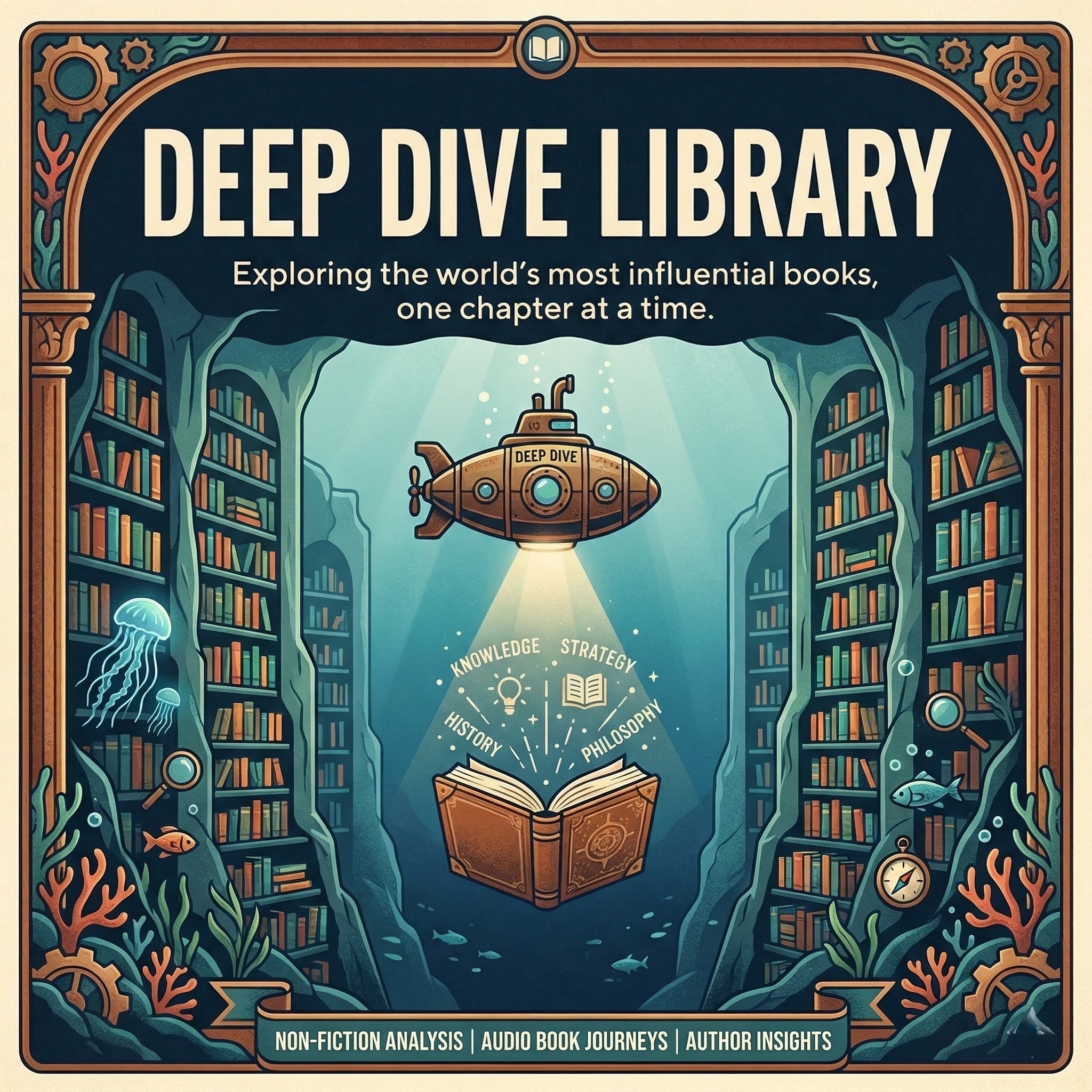
Deep Dive Library
by Deep Dive Library
What if you could actually use the wisdom hidden in the world's greatest books? Most people read a life-changing book and forget 90% of it a week later. On Deep Dive Library, we do the heavy lifting for you. We don't just summarize; we perform a deep-dive extraction of the core systems, hacks, and philosophies found in non-fiction classics. From mastering your biology to fixing your finances, we deconstruct one book per episode into a practical blueprint you can apply today. Stop just reading—start implementing
-
27
End food burnout with high protein
Are you struggling with "food burnout" or tired of eating the same bland, "gym-bro" meals on repeat? This show is your ultimate guide to making every meal count without sacrificing flavor, giving up your favorite foods, or spending hours in the kitchen.Join Rachael as she cuts through the nutrition noise and simplifies the science behind why protein is the MVP for feeling full, strong, and energized. You will discover how prioritizing high-quality protein can naturally stabilize your blood sugar, curb cravings, and help you build and maintain lean muscle at any stage of life.Whether you are a busy professional, navigating postpartum, or just looking to feel your absolute best, this podcast provides actionable tips to solve the "triple challenge" of eating well: making food that is easy to make, tastes amazing, and helps you feel like your best self.From 30-minute meals and one-pan wonders to strategies for front-loading your daily protein and scaling back on added sugars, tune in each week for practical advice and crave-worthy meal inspiration. Subscribe now to learn how to deeply nourish your body and fuel your life, because food shouldn't just be fuel—it should bring you joy.
-
26
Why You Need Strategic Discomfort
Are we too comfortable for our own good? In a world of constant climate control, ultra-processed food, and endless digital distractions, modern humans are living progressively sheltered and under-challenged lives. This podcast explores the core themes of Michael Easter's groundbreaking book, The Comfort Crisis, revealing how our constant pursuit of comfort is unintentionally driving modern epidemics of obesity, chronic disease, anxiety, and depression.Join us as we explore the radical new science showing that humans actually operate at their absolute best when exposed to the evolutionary discomforts of our early ancestors. Through the lens of Easter’s grueling 33-day backcountry caribou hunt in the remote Alaskan Arctic, we investigate how escaping the modern world can completely reset our brains and bodies.Each episode dives into a different method to "rewild" your mind, body, and spirit:The Magic of Misogi: Learn how taking on epic, near-impossible challenges in nature (where you have only a 50% chance of success) can expand your limits and redefine your human potential.The Power of Boredom: Discover why ditching your smartphone and allowing your mind to wander into an "unfocused mode" is critical for reducing mental fatigue, unlocking creativity, and increasing productivity.The 3-Day Effect: Understand the profound neurological benefits of stepping away from the constant noise of modern cities and immersing yourself in the wild to produce calming alpha and theta brain waves.Hunger and Health: We unpack the science of true physiological hunger and how occasional fasting triggers "autophagy," a natural biological process that clears out damaged cells, fights aging, and prevents disease.Rucking and Movement: Explore why carrying heavy loads over distance—a fundamental evolutionary trait—is the ultimate life hack for building a bulletproof body and mind without the injuries associated with running.Contemplating Mortality: We take a cue from the culture of Bhutan and learn how meditating on death (mitakpa) can actually lead to a happier, more compassionate, and deeply grateful life.Tune in to discover how stepping outside of your comfort zone is the ultimate key to reclaiming your wild, happy, and healthy self.
-
25
The Unsentimental Math of Global Power
Welcome to One Man’s View of the World, a geopolitical podcast drawing on the profound insights of Singapore’s founding father and former Prime Minister, Lee Kuan Yew. With over 70 years of experience navigating international affairs and hobnobbing with every major global leader from Mao Zedong to Barack Obama, Lee offers an unvarnished, clear-eyed analysis of where the world is heading over the next two decades.This podcast goes beyond dry geopolitical treatises to probe the psyche of different societies, exploring what makes them tick, what their people truly believe, and their ultimate chances for survival in tomorrow's balance of power.Join us as we dive into Lee Kuan Yew's candid and often startling perspectives on:China's Unstoppable Rise: How a nation obsessed with strong central control is navigating its return to the top of the global hierarchy.America's Resilience: Why the United States, despite its debt and political gridlock, will maintain its pre-eminence through unmatched innovation and never-say-die dynamism.Europe's Decline: The structural discord of the eurozone, and how rigid labour laws and the welfare state are threatening the continent's future.Asian Flashpoints & Challenges: Japan's slow stroll into demographic mediocrity, the grand hoax of North Korea, and how the caste system holds back India's vast potential.The Middle East & The Global Economy: The illusion of the Arab Spring, the intractability of the Israeli-Palestinian conflict, and the future of global free trade.Whether you are a student of history, a current executive, or a future leader, this podcast delivers a masterclass in realpolitik. Tune in to understand the broad shape of tomorrow’s world from the perspective of one of the 20th century's most formidable statesmen
-
24
The survival logic of Lee Kuan Yew
Welcome to a podcast exploring the life, leadership, and legacy of Singapore's founding father through The Wit and Wisdom of Lee Kuan Yew. Drawing from a compelling collection of almost 600 short quotations sourced from public speeches, statements, and parliamentary records, this series delves into the mind of the charismatic and conviction-driven politician who guided Singapore from a British Crown Colony to an economically powerful and diplomatically influential city-state.Each episode unpacks Lee Kuan Yew's unambiguous and pragmatic approach to nation-building, examining a philosophy guided not by theory, but by reason, reality, and the ultimate acid test: "would it work?". We explore his profound insights on a diverse range of critical issues, spanning from the early struggles against colonialism and the turbulent merger and separation with Malaysia, to his robust defenses of multiracialism, bilingualism, and core Asian values.Whether discussing the absolute necessity of a clean government free of corruption, the harsh realities of economic survival in a competitive world, or the future of global geopolitics, Lee Kuan Yew's voice is one that continues to resonate across the globe today. Subscribe to join us on this surprising and sometimes painful journey through history, as we uncover the enduring wisdom of a leader who built a thriving metropolis out of an island with no natural resources.
-
23
How your cells actually build muscle
Welcome to the podcast based on the definitive guide, Science and Development of Muscle Hypertrophy, written by renowned fitness expert and scholar Dr. Brad Schoenfeld. This show is dedicated to bridging the gap between complex scientific research and real-world practical application to help you completely optimize your muscle development.Whether you are a master's level student, a personal trainer, or a dedicated strength athlete, this podcast dives deep into the evidence-based principles of how and why muscles grow. Throughout our episodes, we explore:The Mechanisms of Hypertrophy: A deep dive into how mechanical tension, metabolic stress, and muscle damage drive muscle growth at the cellular level.Resistance Training Variables: Evidence-based guidelines on how to manipulate volume, training frequency, load, rest intervals, and exercise selection for maximum gains.Advanced Training Practices: An exploration of high-level techniques like drop sets, intraset rest training, supersets, and eccentric overload.Program Design & Periodization: How to structure your workouts, apply Selye’s general adaptation syndrome, and properly use linear or undulating periodization to avoid overtraining.Nutrition for Muscle Growth: The critical role of energy balance, precise macronutrient intake (including the "leucine threshold"), and nutrient timing to fuel anabolism and maximize your results.Tune in to translate the latest science of exercise physiology into actionable, customized training programs that deliver real hypertrophic results
-
22
How corn conquered the food chain
"What should we have for dinner?". Welcome to The Omnivore's Dilemma, a podcast dedicated to exploring this seemingly simple question that has somehow evolved into a complicated source of cultural anxiety and confusion. As omnivores, humans can eat almost anything nature has to offer, but this vast flexibility brings with it the stress of figuring out which foods will nourish us and which might sicken us—a predicament known as the "omnivore's dilemma".In this series, we play the role of ecological detectives, tracing the food we eat all the way from the earth to the plate. Each season, we journey deep into one of the three principal food chains that sustain us today: the industrial, the organic, and the hunter-gatherer.What you'll discover in our episodes:The Industrial Food Chain: We explore how a single, highly adaptable plant—corn (Zea mays)—managed to conquer the American landscape and diet. We'll follow a bushel of commodity corn on its journey through chemical fertilizers, Concentrated Animal Feeding Operations (CAFOs), and wet mills, eventually becoming the highly processed fast-food meals we eat in our cars.The Pastoral & Organic Path: We step away from monoculture to visit grass-based, symbiotic farms that operate more like living organisms than factories, using animals like cows and chickens to naturally build soil and harvest solar energy. We also take a hard look at "Big Organic" to see if the booming industrial organic market is staying true to its roots, or simply morphing into a greener version of agribusiness.The Hunter-Gatherer Experience: We venture into the woods to hunt wild pigs and forage for elusive fungi. Along the way, we'll grapple with the profound moral questions surrounding animal rights, the ethics of meat-eating, and the biological realities of killing for our food.Through interviews, field recordings, and deep dives into history and science, we aim to pierce the obscurity of the modern supermarket and reconnect you with the natural world. Tune in to uncover exactly what it is you are eating, how it found its way to your table, and what it truly costs—reminding us all that we eat by the grace of nature, not industry.Subscribe now and never look at your dinner the same way again!
-
21
The Hidden Genius of Your Gut
Dive into the fascinating, hidden world of your body's most underrated organ with this podcast series based on Giulia Enders' international bestseller, Gut: The Inside Story of Our Body's Most Underrated Organ.Often dismissed as merely a passive tube that produces feces and lets off steam, the gut is actually a highly complex, sophisticated system. Did you know it accounts for two-thirds of our immune system, extracts vital energy from our food, and produces over twenty unique hormones?In this podcast, we will journey through the entire digestive tract to uncover the backstage secrets of our bodies. You will learn:The Mechanics of Pooping: Discover the masterful, unconscious teamwork of our sphincter muscles, and find out why the modern sitting toilet might be the reason behind common digestive diseases (and why squatting is better).The Anatomy of Digestion: We'll follow a piece of food from the saliva-producing papillae in your mouth, down the spiraling esophagus, into the lopsided stomach pouch, and through the 20 feet of the velvety small intestine.The Gut-Brain Connection: Explore the gut's autonomous nervous system—the "gut brain"—and learn how it communicates with your actual brain via the vagus nerve. We'll discuss how a troubled gut can directly cause anxiety, lethargy, or depression, proving that "gut feelings" are scientifically real.The Microscopic World of the Microbiome: Shrink down to meet the 100 trillion microbes that call your intestinal tract home. We'll explore how these bacteria train our immune systems, help digest our food, and even manipulate our weight and food cravings.Practical Gut Health: Get evidence-based insights into food intolerances (like celiac disease and lactose intolerance), the real impact of antibiotics, and how to properly nourish your inner ecosystem using prebiotics and probiotics.Unabashedly honest, wonderfully accessible, and endlessly entertaining, this podcast will change the way you think about your body from the inside out. Tune in to finally understand the masterpiece working tirelessly inside your belly!
-
20
The Brutal History of Cancer Treatment
Welcome to a sweeping historical, scientific, and deeply personal journey into the mind of an immortal illness: cancer. Often described as the defining plague of our generation, cancer is a lethal, shape-shifting entity that has survived and evolved alongside humanity for thousands of years. This podcast explores the comprehensive history of the disease, from the first recorded mention of a breast tumor in an ancient Egyptian papyrus by the physician Imhotep in 2500 BC, to the cutting-edge genetic and targeted therapies of the modern era.Each episode dives deep into the science, politics, and culture behind the four-thousand-year battle against the disease. We will trace the evolution of cancer treatments, including:The Age of the Knife and Ray: The brutal era of radical surgeries championed by the perfection-obsessed surgeon William Halsted and the discovery of X-rays and radiation.The Birth of Chemotherapy: The gripping story of Sidney Farber, the father of modern chemotherapy, who worked in a cramped Boston basement to discover chemical poisons that could halt childhood leukemia.The Political Crusade: The legendary efforts of Manhattan socialite Mary Lasker, whose relentless lobbying and advertising savvy helped launch a massive, federally funded national "War on Cancer".The Genetic Revolution: The monumental discovery that cancer is ultimately a genetic disease driven by mutated proto-oncogenes and inactivated tumor suppressors—making the cancer cell a distorted, hyperactive version of our own normal selves.Beyond the doctors and scientists, this podcast places the true heroes at the center of the story: the patients. We chronicle the resilience of individuals like Carla Reed, a young mother battling acute leukemia, and Einar "Jimmy" Gustafson, the boy who became the national face of pediatric cancer research.Through stories of hubris, false hopes, devastating losses, and miraculous triumphs, we explore how humanity has fought the "emperor of all maladies"—and ask whether the ultimate end of cancer is conceivable in our future
-
19
Death is not a medical problem
Modern scientific capability has profoundly altered the course of human life, allowing us to live longer and healthier than at any other time in history. But what happens when the relentless medical pursuit of extending life collides with the reality of our inevitable decline?In this episode, we dive deep into the core themes of Dr. Atul Gawande’s eye-opening book, Being Mortal: Medicine and What Matters in the End. We explore how the medicalization of aging and dying has inadvertently led to a system that often prioritizes safety and survival over a person's autonomy, well-being, and soul.Through poignant real-life stories, we examine the unintended harm inflicted when doctors, families, and institutions refuse to accept the inexorability of our life cycle. We also look at the inspiring pioneers who are fighting to change the system, proving that a life of worth and purpose is possible even when we are weak and frail.In this episode, we cover:The Demise of the Multigenerational Home: How global economic development and the pursuit of independence shifted the experience of aging from the family home to isolated, regimented institutions.The Nursing Home Problem: Why the institutions we designed for the elderly often inadvertently breed the "Three Plagues" of boredom, loneliness, and helplessness—and how they operate more like prisons than homes.Radical Innovations in Elder Care: How pioneers like Dr. Bill Thomas and Keren Brown Wilson introduced plants, animals, children, and true autonomy back into the lives of the dependent through models like the "Eden Alternative," assisted living, and "Green Houses".The Power of Palliative Care and Hospice: The counterintuitive truth that prioritizing the quality of life now—rather than sacrificing it for toxic treatments and a slim chance at a longer future—can actually lead to patients living longer, happier lives.Mastering the "Hard Conversations": Why we must stop asking "What do you want when you are dying?" and start asking what our loved ones fear, what they hope for, and what trade-offs they are willing to make.Join us as we explore what it truly means to be the author of your own life, right up to the very end. Whether you are a caregiver, a medical professional, or simply human, this episode will profoundly change how you view your final chapters.
-
18
The Biomechanical Math of Heavy Lifting
"Physical strength is the most important thing in life". Welcome to The Mechanics of Strength, a podcast dedicated to the foundational principles of barbell training. Based on the teachings of Mark Rippetoe's Starting Strength, this show dives deep into the biomechanics of loaded human movement.Whether you are a rank novice or an experienced athlete, join us as we break down the mechanics, anatomy, and technique behind the five core barbell lifts: the Squat, Press, Deadlift, Bench Press, and Power Clean. We explain exactly why free-weight barbells are vastly superior to gym machines, how to safely master your lifting technique by keeping the barbell in balance over the mid-foot, and how to program your workouts to build functional, whole-body power.If you are ready to stop merely exercising and start actually training with a goal in mind, subscribe and join us under the bar.
-
17
How Not to Die
Join us as we explore the life-saving science of whole-food, plant-based nutrition, inspired by Dr. Michael Greger's The How Not to Die Cookbook. This podcast delves into the powerful connection between our diet and the prevention or reversal of major chronic illnesses, such as coronary heart disease, type 2 diabetes, and high blood pressure. In each episode, we break down the "Daily Dozen" checklist—a simple, practical guide to incorporating essential, disease-fighting foods like beans, berries, cruciferous vegetables, flaxseeds, and spices into your daily routine.We'll also guide you through navigating the "Traffic Light" eating system to maximize your intake of unprocessed "Green Light" foods while avoiding the processed stuff. Whether you're looking to radically transform your health, learn practical time-saving kitchen techniques, or discover delicious plant-based recipes like Black Bean Burgers and Golden Quinoa Tabbouleh, this podcast will empower you to take control of your health destiny right in your own kitchen.
-
16
Why Nutritionism Is Making Us Sick
This podcast explores our modern relationship with eating and cuts through the confusion of contemporary dietary advice with seven liberating words: "Eat food. Not too much. Mostly plants". For decades, Americans have fallen under the spell of "nutritionism," a prevailing ideology that treats food merely as a delivery system for invisible, scientifically engineered nutrients. Yet, despite thirty years of official nutritional advice, we have only grown sicker and fatter, replacing traditional whole foods with highly processed "edible foodlike substances".The Eater's Manifesto investigates the devastating impact of the Western diet—a diet characterized by lots of processed foods, added fat and sugar, and a lack of vegetables and fruits. By unpacking the history of food science and the industrialization of agriculture, this podcast provides listeners with simple, actionable rules to escape the supermarket traps, reclaim their health, and bring the pleasure of dining back to the table.Proposed Episode Guide:Episode 1: The Age of Nutritionism. How did we stop eating "food" and start eating "nutrients"? This episode delves into the history of nutritional science, examining how the lipid hypothesis (the demonization of dietary fat) led to a massive public health failure and the rise of low-fat, high-carbohydrate fake foods. We'll discuss why the presence of a health claim on a package is often the first clue that it isn't real food.Episode 2: The Western Diet and the Diseases of Civilization. We explore the "elephant in the room" regarding modern chronic diseases like obesity, type 2 diabetes, and heart disease. We trace the radical shifts in our food chain over the last 150 years: moving from whole foods to refined carbohydrates, from ecological complexity to biological simplicity, and from nutrient-dense leaves to calorie-dense seeds.Episode 3: Rules of Thumb for Real Food. Practical strategies for surviving the modern supermarket. We discuss simple algorithms for your shopping cart, such as the "great-grandmother rule" (don't eat anything your ancestors wouldn't recognize as food), shopping the periphery of the grocery store, and avoiding items with unfamiliar or unpronounceable ingredients.Episode 4: Not Too Much - The Culture of Eating. How a culture eats is just as important as what it eats. This episode looks at the French paradox—how the French eat fewer calories but get more "food experience" out of them. We'll discuss why we should pay more to eat less, the dangers of America's constant snacking culture, and the lost art of the deliberate, shared meal.Episode 5: The Ecological Eater. Exploring how human personal health cannot be divorced from the health of the entire food web. We explore why you are what what you eat eats, the benefits of eating wildly and diversely, and the profound health benefits of shopping at farmers' markets and shaking the hand of the person who grows your food.
-
15
The blueprint for your metabolic health
In this episode, we dive deep into the groundbreaking concepts from Good Energy: The Surprising Connection Between Metabolism and Limitless Health by Dr. Casey Means and Calley Means. We explore the hidden epidemic of metabolic dysfunction, which serves as the surprising root cause connecting almost all modern chronic conditions—from depression, brain fog, and infertility to heart disease, cancer, and Alzheimer's.For decades, our siloed medical system has treated the human body as a collection of separate parts, relying on pharmaceutical and surgical interventions to manage symptoms while ignoring the fundamental cellular crisis underneath. Dr. Means explains how our modern environment—filled with ultra-processed foods, artificial light, sedentary lifestyles, and chronic stress—is destroying our cellular engines (mitochondria) and leading to the dangerous "trifecta" of Bad Energy: mitochondrial dysfunction, chronic inflammation, and oxidative stress.What You'll Learn in This Episode:The Medical System's Blind Spot: Why the healthcare industry is financially incentivized to "manage" disease with lifelong prescriptions rather than cure it, and why hyper-specialization has led us away from root-cause healing.The Unholy Trinity of Food: The three ingredients you must completely eliminate from your diet to reclaim your cellular health: refined added sugars, refined grains, and industrial seed oils.Bio-Observability: How to take back control of your health data using continuous glucose monitors (CGMs), wearables, and the correct blood tests (like fasting insulin and the triglyceride-to-HDL ratio) that your doctor probably isn't ordering for you.Circadian Rhythm & Environment: Why getting morning sunlight in your eyes, prioritizing 7–8 hours of consistent sleep, avoiding environmental toxins, and embracing temperature changes (like cold plunges or saunas) are essential for cellular resilience.The Medicine of Muscle Contraction: Why frequent, low-grade movement (like short walks after meals) throughout the day is far more effective for metabolic health than a single, isolated, intense gym workout.Tune in to discover how to align your daily choices with your cellular needs, stop fighting your biology, and cultivate a vibrant life of limitless "Good Energy"!
-
14
How trauma physically rewires the brain
This podcast explores the groundbreaking insights of Dr. Bessel van der Kolk into how psychological trauma fragments the mind and severs the crucial connections between the brain and the body. We delve into the neuroscience of traumatic stress, explaining how overwhelming experiences alter the brain's survival mechanisms. Listeners will learn how the amygdala—the brain's "smoke detector"—goes into overdrive following trauma, while the medial prefrontal cortex—the "watchtower" responsible for rational thought and self-regulation—goes offline, trapping survivors in a perpetual state of fight, flight, or freeze.We also unpack the profound impact of childhood abuse and neglect, examining the hidden epidemic of developmental trauma and its devastating effects on a child's ability to form secure attachments and feel safe in the world.Most importantly, the show focuses on innovative paths to recovery. Because trauma is fundamentally preverbal and held deeply in the body's physiological systems, traditional talk therapy and psychiatric medications frequently fall short. Instead, we explore "bottom-up" treatments designed to help survivors safely befriend their bodies and reclaim self-mastery. Join us as we discuss the healing potential of therapies like EMDR for integrating fragmented memories, yoga for restoring physiological calm and heart rate variability, neurofeedback for rewiring brain-wave patterns, and theater for restoring communal rhythms and a sense of personal agency
-
13
How To Escape The Marginal Decade
Welcome to a deep dive into Dr. Peter Attia's groundbreaking approach to human longevity. In this podcast, we explore the critical paradigm shift from traditional "Medicine 2.0"—which reactively waits for illnesses to strike before treating them—to the proactive, prevention-focused world of "Medicine 3.0".Join us as we unpack the science behind defeating the "Four Horsemen" of slow death: cardiovascular disease, cancer, neurodegenerative diseases (like Alzheimer's), and type 2 diabetes and metabolic dysfunction. We discuss how the ultimate objective is not just to increase your chronological lifespan, but to radically maximize your healthspan—the quality of your physical, cognitive, and emotional years.Throughout the episodes, we will break down the core tactical domains of longevity:Exercise: Discover why movement is the most potent longevity drug in existence, and how training for the unique "Centenarian Decathlon" can prepare your body to thrive in the last decades of your life.Nutritional Biochemistry: Move past tribal fad diets and learn how to tailor your nutrition to optimize metabolic health and safely store or burn energy.Sleep: Understand the brain-healing, memory-preserving, and metabolically restorative power of proper sleep architecture.Emotional Health: Learn why extending your life is ultimately meaningless if you are suffering emotionally, and how deep psychological well-being is fundamentally intertwined with physical health.Whether you are in your 30s or your 70s, this podcast will equip you with the strategic framework and actionable tactics you need to live better, longer
-
12
Aging is a treatable condition
Young Forever - Reimagining the Biology of Aging Welcome to a deep dive into Dr. Mark Hyman's revolutionary approach to aging, where we explore the science of extending not just your life span, but your health span—the years you live in vibrant, active health.In this podcast, we challenge the long-held belief that growing older inevitably means getting sicker, slower, and frailer. Instead, we explore a massive paradigm shift: treating aging itself as a curable disease. We break down the ten hallmarks of aging, exploring what happens under the hood of our biology, from DNA damage and shortening telomeres to the buildup of inflammatory "zombie" cells. More importantly, we discuss how to fix the root causes of these hallmarks by balancing your body's seven core biological systems using the principles of functional medicine.Listeners will learn practical, science-backed habits to reverse their biological age, even as they grow chronologically older. We will cover actionable strategies, including:The Pegan Diet: How to use phytonutrient-rich, low-sugar foods as medicine to turn on your cellular longevity switches.Hormesis: How introducing "good stress" into your routine—like time-restricted eating, cold plunges, and saunas—forces your body to heal and become more resilient.The Exposome: How your environment, sleep habits, exercise, and even your social community directly alter your genetic expression for better or worse.Join us as we uncover how to activate your innate healing systems and add abundant life to your years
-
11
The startup nation that shouldn't exist
his podcast series would explore the improbable survival and meteoric rise of Singapore from a vulnerable, resource-scarce island in 1965 to a thriving First World metropolis. Based on the memoirs of its founding father, Lee Kuan Yew, the show would delve into the fierce political battles, economic maneuvers, and geopolitical tightropes walked by a nation that was thrust into independence without a hinterland and refused to fail.Episode Themes:Sudden Independence & Vulnerability: The dramatic 1965 separation from Malaysia, the economic and security shock of the British military withdrawal, and the covert operation to build the Singapore Armed Forces from scratch with the help of Israeli military advisors code-named "Mexicans".The Economic Leapfrog: How Singapore bypassed its sometimes hostile neighbors to directly court American, European, and Japanese multinational corporations, transforming itself into an industrialized "First World oasis in a Third World region" and a premier global financial center.Social Engineering and Nation-Building: The tough, pragmatic policies used to forge a unified nation out of a disparate immigrant population. This includes the mandatory Central Provident Fund (CPF) for retirement and savings, massive public housing projects to give citizens a physical stake in their country's defense, and the transition to English as a common working language to unify the races.Navigating Giants: Lee Kuan Yew's candid reflections on world leaders and his strategic maneuvering through the Cold War. The podcast would cover his complex relationships with figures like China's Deng Xiaoping, Indonesia's Suharto, and successive U.S. and British leaders
-
10
How Insulin Resistance Drives Weight Gain
Join us for a fascinating dive into Dr. Jason Fung's revolutionary book, The Obesity Code. For decades, we've been told that losing weight is as simple as balancing "calories in" versus "calories out," and that eating less while exercising more is the ultimate solution. But if that strategy is so foolproof, why are global obesity rates still skyrocketing?In this episode, we shatter the "calorie deception" and uncover the real biological culprit behind weight gain: a hormonal imbalance. We'll explore how the hormones insulin and cortisol act as a thermostat to regulate your "body set weight" and dictate whether your body stores energy as fat or burns it. We will also discuss why frequent snacking, sugar, and refined carbohydrates keep you trapped in a vicious cycle of insulin resistance. Finally, we'll reveal the practical, time-tested solution to breaking this cycle and taking back control of your health—intermittent fasting. Tune in to completely change the way you think about food, fat, and your metabolism!
-
9
Why sleep is your life support system
Welcome to this episode, where we explore the fascinating and vital science of slumber based on the book Why We Sleep: Unlocking the Power of Sleep and Dreams by neuroscientist and sleep expert Matthew Walker. In today’s discussion, we uncover the hidden epidemic of sleep loss that is silently eroding our health, our safety, and our society.Have you ever wondered why we actually need to sleep, or why you feel tired exactly when you do? We break down the two main forces that regulate your wakefulness: your 24-hour internal circadian rhythm and the buildup of "sleep pressure" driven by a chemical called adenosine. We'll also take you on a journey through the nightly sleep cycle, revealing how deep Non-Rapid Eye Movement (NREM) sleep acts as a secure "save button" for your daily memories, while Rapid Eye Movement (REM) sleep provides essential "overnight therapy" to soothe emotional wounds and spark creative problem-solving.More importantly, we discuss the alarming and often deadly consequences of skipping your recommended 8 hours. Walker's research demonstrates that routine sleep deprivation demolishes your immune system, increases your risk of cancer, disrupts blood sugar levels, and is a key lifestyle factor in developing Alzheimer's disease. We also tackle the modern-day sleep stealers: from the blue light of our digital screens and LED bulbs to the misunderstood, sleep-fragmenting effects of caffeine and alcohol.Finally, we share Walker's practical, science-backed tips for improving your sleep hygiene and reclaiming your right to a full night of rest. Tune in to discover why sleep is the single most effective thing we can do to reset our brain and body health each day
-
8
The Fall of the King of Kings
Dive into one of the most pivotal and misunderstood geopolitical events of the 20th century: the 1979 Iranian Revolution. Based on Scott Anderson's book, King of Kings, this podcast explores the dramatic collapse of Shah Mohammad Reza Pahlavi's monarchy and the shocking rise to power of Ayatollah Ruhollah Khomeini.Through the lens of hubris, delusion, and catastrophic miscalculation, we unravel how an incredibly wealthy, U.S.-backed regime disintegrated seemingly overnight. We take you inside the isolated, sycophantic world of the Shah's Niavaran Palace, exploring his absolute grip on power, his heavy reliance on court minister Asadollah Alam, and his complicated partnership with a succession of American presidents, culminating in the fateful administration of Jimmy Carter.Discover how the United States—blinded by its need for a Cold War ally and a well-armed policeman in the Persian Gulf—fundamentally failed to see the revolution coming. You will hear the astonishing accounts of those on the ground, from foreign service officers in remote villages to diplomats trapped inside the besieged American embassy, witnessing the explosive divide between Iran's modernizing elite and its deeply conservative, religiously devout working class.At the same time, we track the strategic brilliance of Ayatollah Khomeini and his Western-educated lieutenants, like Ebrahim Yazdi, who masterfully manipulated the international media from a small French village to consolidate power, sideline moderate politicians, and establish the modern world's first successful religious counterrevolution
-
7
The Global Battery Mineral Heist
This episode investigates the massive, hidden secret sitting right in your pocket or parked in your driveway. We uncover the dark reality behind the lithium-ion batteries that make our modern, connected world possible, revealing the "Mephistophelian bargain" humanity has struck: cleaner power at home in exchange for severe pollution and human bondage elsewhere.Told in a gripping, true-crime style designed for beginners, the hosts break down the complex world of geopolitics and battery chemistry into simple "Who, What, and Why" segments, utilizing a "Smartphone Analogy" to connect your everyday technology to global history:The Congo & Cobalt Story: We begin in the Democratic Republic of the Congo, a nation possessing nearly half the world's cobalt reserves. We explore the devastating human cost of this wealth, focusing on the "artisanal miners"—including impoverished children—who risk collapsing pits, toxic dust exposure, and severe birth defects to claw these vital metals from the earth with bare hands and metal bars.The Big Tech & China Rivalry: Next, we unpack the geopolitical battle for control over these resources. We explain how China successfully executed a long-term, state-backed strategy to dominate the global battery supply chain, utilizing massive infrastructure deals to outmaneuver Western companies and secure a near-monopoly on critical mineral refining and battery production.Ethics & The Future: Finally, we ask the ultimate question: Can we achieve a green, fossil-fuel-free future without relying on this suffering? We investigate the severe environmental devastation caused by nickel mining in Indonesia's rainforests and oceans and explore whether new innovations—like sodium-ion batteries or improved recycling—can break our reliance on the dirtiest supply chain on earth
-
6
How Childhood Trauma Triggered Christina Applegate
In this episode, we dive deep into the brutally honest, unfiltered memoir of actress Christina Applegate, You with the Sad Eyes. Stripping away the polished Hollywood persona she played for decades, Applegate reveals her true self—a woman known to her closest friends simply as "Kiki".We explore her turbulent and unconventional childhood in the 1970s Laurel Canyon music scene. Applegate opens up about being raised by her single mother, singer Nancy Priddy, after her father abandoned them when she was an infant to move to Big Sur. The episode discusses how her early years were marred by poverty, inappropriate exposure to adult situations, and the terror of her mother's heroin addiction and violently abusive partner, Joe Lala.Listeners will hear how acting and dance became her means of survival, turning her into her family's primary breadwinner before she was seven years old. We trace her meteoric rise to fame as Kelly Bundy on the controversial hit Married... with Children, and discuss how her public success masked deep private agonies. Applegate shares harrowing details of her lifelong battle with an eating disorder and body dysmorphia, as well as her harrowing survival of a violently abusive romantic relationship in her early twenties.We also celebrate her incredible professional triumphs and resilience. From performing the grueling lead role in Broadway's Sweet Charity on a broken foot, to holding her own with improv masters in Anchorman, to finding the role of a lifetime in Dead to Me. She also discusses her battle with breast cancer and her decision to undergo a double mastectomy, reflecting on the pressure to be a "poster child" for the disease and her new commitment to radical honesty.Finally, the episode focuses on the devastating diagnosis of Multiple Sclerosis (MS) she received while filming the final season of Dead to Me, an illness that has effectively ended her on-screen career and leaves her in daily, excruciating pain. With dark humor and unapologetic truth, Applegate shares how she survives the darkest days of her disease through the fierce, cellular love she holds for her husband, Martyn, and her teenage daughter, Sadie
-
5
Why brainless plants remember more than flies
A World Appears: The Consciousness Join us as we explore one of the greatest mysteries in science and philosophy: how a particular piece of biological tissue generates the feeling of being alive. Based on Michael Pollan's book, A World Appears: A Journey into Consciousness, this podcast takes you on a deep dive into the elusive "hard problem" of our minds and the world that magically emerges the moment we open our eyes.Across our episodes, we will unpack the four dimensions of consciousness:Sentience: We challenge the assumption that brains are required for awareness, exploring the surprising science of plant intelligence, root "brains," and basal cognition to see if sentience extends all the way down the evolutionary tree of life.Feeling: Discover why many scientists now argue that consciousness begins in the upper brainstem with primitive, body-based feelings designed to maintain homeostasis and keep us alive. We also dive into the controversial tech world to ask if we can—or should—engineer artificial consciousness and vulnerable "feeling machines".Thought: What actually goes on in your stream of consciousness? We look at spontaneous thought, daydreaming, and the psychological methods used to capture the shockingly elusive, and sometimes entirely wordless, nature of our inner lives.Self: Who is the "I" experiencing the world? From the neuroscience of predictive processing—which views the self as a "controlled hallucination" generated by the brain to stay alive—to the ego-dissolving effects of psychedelics and Zen Buddhist meditation, we explore why the self is a useful fiction and the profound relief that can come from transcending it.Tune in as we navigate the limits of reductive, materialist science, the philosophical blind spots of modern AI, and the awe-inspiring realization that consciousness and sentience might be woven into the very fabric of life itself
-
4
How Small Habits Change Your Identity
In this episode, we dive into the core philosophy of James Clear’s Atomic Habits, exploring why you shouldn't rely on massive, once-in-a-lifetime transformations to achieve success. Instead, we uncover the math and magic behind getting just 1% better every day. We will break down the science of how habits are formed and offer a practical, step-by-step operating manual for building good habits and breaking bad ones for a lifetime.Key Topics to Explore:Systems vs. Goals: Why setting goals is fundamentally flawed for long-term progress, and why winners and losers actually share the exact same goals. We'll discuss why you don't rise to the level of your goals, but fall to the level of your systems.Identity-Based Habits: How true behavior change is actually identity change. We'll explore why the goal shouldn't be to run a marathon, but to become a runner, and how every action you take is a vote for the type of person you wish to become.The Habit Loop: A deep dive into the neurological feedback loop that drives all human behavior: Cue, Craving, Response, and Reward.The Four Laws of Behavior Change: We will outline the ultimate framework for shaping your life. To build a good habit, you must Make it Obvious, Make it Attractive, Make it Easy, and Make it Satisfying. Conversely, to break a bad habit, you must Make it Invisible, Make it Unattractive, Make it Difficult, and Make it Unsatisfying.Actionable Tactics: Practical strategies you can implement immediately, including "Habit Stacking" (pairing a new habit with a current one), "Temptation Bundling" (pairing an action you want to do with one you need to do), and the "Two-Minute Rule" for beating procrastination
-
3
Slay Your Advice Monster
Designed for busy managers and leaders, this podcast explores how to make coaching a daily, informal habit that takes 10 minutes or less. If you are tired of being the bottleneck for your overdependent team, feeling overwhelmed by doing everyone else's work, and feeling disconnected from meaningful work, this show will help you break those vicious circles. We dive into practical strategies to help you tame your "Advice Monster"—that deeply ingrained, Pavlovian urge to jump in, take over, and offer solutions—so you can empower your team to find their own answers.Key Topics We Explore:The Seven Essential Questions: Master the core questions that will transform your leadership style, starting with the Kickstart Question ("What's on your mind?") to cut through small talk, and the AWE Question ("And what else?"), which is considered the best coaching question in the world.Building Bulletproof Habits: Discover the "New Habit Formula" and the science behind behavior change. You will learn how to identify your specific triggers, recognize your old habits (like rushing to give advice), and define micro-habits that take 60 seconds or less to execute.Escaping the Drama Triangle: Learn how to stop playing the "Rescuer" who constantly leaps in to fix things, a dynamic that ultimately creates dependent "Victims" and leaves you entirely exhausted.Doing More "Great Work": Shift your focus from just getting everyday tasks done (Good Work) to focusing on work that has true impact and meaning (Great Work). We discuss how to use the Strategic Question ("If you’re saying Yes to this, what are you saying No to?") to protect your time and resources
-
2
The Disciplined Pursuit Of Less
Are you frequently feeling overworked yet underutilized, or finding yourself majoring in minor activities? In this episode, we dive into the core philosophy of Greg McKeown's book, Essentialism, to explore how we can break free from the undisciplined pursuit of more. We will discuss how to shift from a mindset of "I have to" to "I choose to," and how to rigorously discern the "vital few" from the "trivial many".Listeners will discover a systematic approach to living by design rather than by default. We will break down the three core phases of becoming an Essentialist:Explore: How to proactively create space to think, play, and sleep so you can identify your absolute highest point of contribution.Eliminate: The emotional discipline required to say a graceful "no," cut out the nonessentials, and stop trying to please everyone.Execute: How to build buffers, remove obstacles, and design routines that make doing the essential things almost entirely effortless.Join us to learn why the ultimate goal isn't getting more things done, but rather getting the right things done, allowing you to achieve the highest possible return on every precious moment of your life
-
1
The Uncomfortable Truth About Hope
Welcome to the podcast that dares to confront the "Uncomfortable Truth": that in the grand expanse of time and space, we are inconsequential cosmic dust, and much of what we do is just an elaborate attempt to avoid that reality. We live in an era of unprecedented safety and material wealth, yet people are feeling more anxious and hopeless than ever before—a phenomenon known as the "Paradox of Progress".In this podcast, we dive deep into the mechanics of the human mind, exploring how our impulsive "Feeling Brain" secretly drives our actions while our rational "Thinking Brain" merely draws the maps. We will unpack "Newton's Laws of Emotion" to understand how pain is the universal constant of life, and why the modern pursuit of happiness actually makes us more fragile and miserable. Join us as we explore how to move past the transactional bargains of adolescence into the unconditional virtues of true adulthood. Ultimately, we will learn how to look beyond hope and embrace amor fati—loving our fate, engaging with our pain, and acting to become better humans in a chaotic world
-
0
Why Ego Sabotages Your Greatest Ambitions
Unmasking Our Greatest AntagonistJoin us for a deep dive into Ryan Holiday's insightful book, Ego Is the Enemy, where we explore the powerful premise that our own unchecked ego—defined as an unhealthy belief in our own importance—is the greatest obstacle to our goals. This episode breaks down how ego threatens us across the three fluid phases of our lives: Aspire, Success, and Failure.In this episode, we will unpack historical case studies of both triumph and ruin to show you how to navigate each phase:The Aspire Phase: Why we must remain humble students and choose purpose over passion. We'll discuss how early pride blunts our ability to learn, contrasting the quiet, grounded ascent of General William Tecumseh Sherman with the trap of talking instead of doing.The Success Phase: How life-altering achievement breeds entitlement, control, and paranoia. We'll examine the catastrophic, ego-driven failures of brilliant minds like Howard Hughes and John DeLorean, and contrast them with the grounded, sober leadership of figures like Angela Merkel and Bill Walsh.The Failure Phase: Why ego makes setbacks exponentially worse by adding self-injury and denial. We will learn how to transform stagnant "dead time" into productive "alive time"—just as Malcolm X did during his prison sentence—and how maintaining a strict internal scorecard helped Washington Post CEO Katharine Graham navigate her most devastating trials.Whether you are brimming with ambition, currently at the pinnacle of your career, or picking yourself up after a painful defeat, this episode provides a timeless roadmap for getting out of your own head and defeating your greatest internal adversary.
-
-1
Why Humans Never Evolved To Exercise
The Exercise Paradox: Why We're Born to Rest and Built to MoveJoin us for a fascinating deep dive into the evolutionary science of physical activity, rest, and health, based on Daniel Lieberman's groundbreaking book, Exercised. If you've ever felt guilty for skipping the gym or taking the elevator, this episode will reassure you that avoiding unnecessary exertion is a deeply ingrained, completely normal human instinct.In this episode, we explore how the very concept of "exercise"—voluntary physical activity undertaken purely for the sake of health and fitness—is actually a bizarre, modern phenomenon. For millions of years, our hunter-gatherer ancestors expended energy only when it was strictly necessary for survival, such as hunting and gathering, or for rewarding social reasons like playing and dancing.We will debunk several modern fitness myths, unpacking why sitting isn't necessarily unnatural (hunter-gatherers sit for five to ten hours a day), why the rigid eight-hour sleep rule is likely an exaggeration (nonindustrial populations usually sleep between 5.7 and 7.1 hours a night), and why humans evolved to be exceptionally efficient endurance runners rather than speedy sprinters. Listen in to discover how unique human adaptations, such as millions of sweat glands and spring-like leg tendons, enabled early humans to successfully practice persistence hunting.We also explore the "Active Grandparent Hypothesis," revealing how human longevity evolved specifically so older generations could remain physically active to gather food and provision their grandchildren. We'll tie this into the "Costly Repair Hypothesis," which explains how the physiological stress of movement triggers our bodies' essential anti-aging, maintenance, and repair mechanisms.Finally, we'll discuss practical strategies to make movement more necessary and fun in our increasingly sedentary, industrialized world, and why the best approach to lifelong health is to keep moving as you age by combining both cardio and weight training
-
-2
Hacks To Flatten Your Glucose Curve
The core premise is that while glucose is our body's primary energy source, delivering it too quickly into the bloodstream causes "glucose spikes," which trigger a cascade of harmful biological reactions.The Dangers of Glucose Spikes When glucose floods the body rapidly, it causes three main internal issues:Oxidative Stress: Cells become overwhelmed and produce free radicals, which can damage DNA and cause cellular dysfunction.Glycation and Inflammation: Glucose molecules damage other molecules in a "browning" process that accelerates aging, wrinkles, and chronic inflammation.Insulin Release and Fat Gain: To protect the body from excess glucose, the pancreas releases insulin to stash it away into the liver, muscles, and fat cells. Chronically high insulin levels lead to weight gain, insulin resistance, and type 2 diabetes.These biological processes cause short-term symptoms like constant hunger, brain fog, fatigue, and intense cravings. Over the long term, they can lead to severe conditions including acne, Alzheimer's disease, heart disease, and polycystic ovarian syndrome (PCOS).10 Practical Hacks to Flatten the Curve To avoid these spikes without restrictive diets or giving up the foods you love, the text details ten practical lifestyle "hacks":Eat foods in the right order: Consume vegetables (fiber) first, proteins and fats second, and starches and sugars last.Add a green starter: Begin your meals with a vegetable to introduce a protective mesh of fiber into your intestine, which slows down glucose absorption.Stop counting calories: Focus on the actual molecules you ingest—like fiber, protein, and fat—rather than just calorie counts, as all calories do not affect the body equally.Flatten your breakfast curve: Choose a savory breakfast to keep energy stable, rather than sweet foods like cereal or fruit smoothies that trigger an early roller coaster of cravings.Treat all sugar equally: Understand that agave, honey, and table sugar all break down into the same spiking molecules (glucose and fructose).Pick dessert over a sweet snack: Eat sweet treats directly after a meal rather than on an empty stomach to blunt the spike.Reach for vinegar: Drink a tablespoon of vinegar in a tall glass of water before a meal to temporarily slow the enzymes that break down starches.Move after you eat: Engage in 10 to 20 minutes of physical activity, such as walking, after eating so your muscles immediately burn the incoming glucose for energy.Snack savory: If you need to snack, opt for savory, non-starchy foods instead of sweet ones.Put "clothes" on your carbs: Never eat carbohydrates naked; always pair them with a fat, protein, or fiber to slow their digestion and prevent rapid hunger pangs
We're indexing this podcast's transcripts for the first time — this can take a minute or two. We'll show results as soon as they're ready.
No matches for "" in this podcast's transcripts.
No topics indexed yet for this podcast.
Loading reviews...
ABOUT THIS SHOW
What if you could actually use the wisdom hidden in the world's greatest books? Most people read a life-changing book and forget 90% of it a week later. On Deep Dive Library, we do the heavy lifting for you. We don't just summarize; we perform a deep-dive extraction of the core systems, hacks, and philosophies found in non-fiction classics. From mastering your biology to fixing your finances, we deconstruct one book per episode into a practical blueprint you can apply today. Stop just reading—start implementing
HOSTED BY
Deep Dive Library
CATEGORIES
Loading similar podcasts...
Frequently Asked Questions
How many episodes does Deep Dive Library have?
Deep Dive Library currently has 30 episodes available on PodParley. New episodes are automatically indexed when they're published to the podcast feed.
What is Deep Dive Library about?
What if you could actually use the wisdom hidden in the world's greatest books? Most people read a life-changing book and forget 90% of it a week later. On Deep Dive Library, we do the heavy lifting for you. We don't just summarize; we perform a deep-dive extraction of the core systems, hacks, and...
How often does Deep Dive Library release new episodes?
Deep Dive Library has 30 episodes. Check the episode list to see recent publication dates and frequency.
Where can I listen to Deep Dive Library?
You can listen to Deep Dive Library on PodParley by clicking any episode. We provide an embedded audio player for direct listening, and you can also subscribe via your preferred podcast app using the RSS feed.
Who hosts Deep Dive Library?
Deep Dive Library is created and hosted by Deep Dive Library.
URL copied to clipboard!