
PODCAST · education
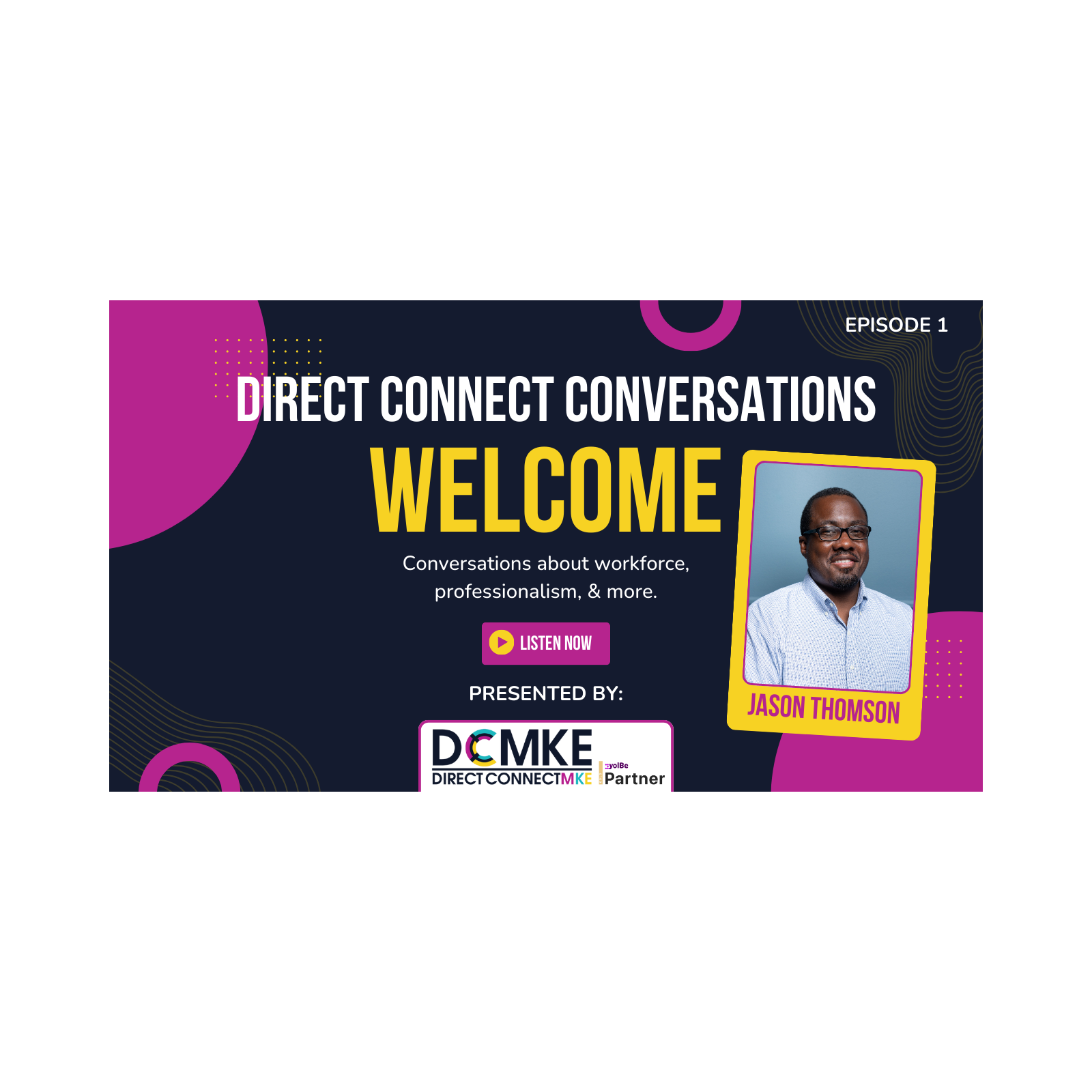
Direct Connect Conversations
by DC MKE
If you’ve ever felt stuck in your job search, unsure about your next career move, or just needed a little extra motivation, you’ll want to tune into the brand new podcast—Direct Connect Conversations (DCMKE).Hosted by Jason, DCMKE isn’t just another career advice show. It’s a dynamic space built with Milwaukee’s community at its heart. In the very first episode, Jason welcomes listeners and lays out the mission: tackling career challenges, building meaningful connections, and strengthening community, all right here in Milwaukee.Whether you’re looking for your first role, re-entering the workforce, or just exploring your options, this podcast is made for you. Powered by Direct Connect MKE, the podcast acts as your personal career hub—bringing you resources for jobs, training programs, mentors, and support systems that help you thrive.
-
12
DCMKE Episode 12: Pathways Forward—Bridging Milwaukee's Workforce and Community
If you’re passionate about workforce development in Milwaukee or just curious about the impact community organizations make, episode 12 of the Direct Connect Milwaukee (DCMKE) podcast is an absolute must-listen. Hosted by Jason, this episode features Frederick Nelson from Employ Milwaukee, a man who calls himself the “workforce bridge,” and rightfully so. Here’s a breakdown of all the insights and inspiration packed into this conversation.Guest Spotlight: Frederick Nelson—The Workforce BridgeFrederick Nelson has been a pivotal figure in Milwaukee’s workforce landscape for nearly 30 years. Currently at Employ Milwaukee, he works in Business Solutions, helping to connect local businesses with community members seeking employment. His role is truly that of a bridge—translating workforce needs from employers into actionable pathways for job seekers and vice versa.His journey includes stints at the State of Wisconsin's DWD Job Service, SDC’s Head Start program, and the now-legendary OIC, one of Milwaukee’s foundational workforce organizations. Frederick Nelson humbly shares that he “didn’t know exactly where [his] career was heading,” but was guided by a spirit of service and the willingness to learn.Filling the Gap: Employ Milwaukee and Fair Chance ThursdaysToday, the torch is being carried on by Employ Milwaukee and initiatives like Direct Connect and Fair Chance Thursdays. Frederick Nelson explains that Fair Chance Thursdays were created to break down barriers and give everyone—no matter their background or past mistakes—a legitimate shot at employment. The events feature employers from various sectors (construction, manufacturing, health care, and more), offer on-the-spot interviews, and, most importantly, connect job seekers directly with HR managers.Real Talk: Beyond Job PlacementThe conversation isn’t all technical tips. There’s an honest, heartfelt discussion about why so many fall through the cracks—often through lack of training, resources, and sometimes the confidence to take initiative. Frederick Nelson shares stories of job seekers who needed “more than a connection—they needed coaching, a pep talk, life advice.” He doesn’t shy away from addressing issues of perception, sharing how he helps Black men in particular adjust their approach at hiring events to “disarm” gatekeepers and show their best selves.The Future: Investment, Collaboration, Self-BeliefPerhaps the most powerful takeaway is Frederick Nelson's call for increased investment—from the government and the power players at the top—to fund training programs. But he’s also clear that change requires collaboration: all workforce agencies, government partners, and community groups need to work as one. “We’re greater together,” he says.And to job seekers, the advice is straightforward: “Don’t just take any job because you’re desperate—find out what you like, dream big, invest in yourself, and believe you can make it.”Get InvolvedWant to connect with Frederick Nelson or attend a Fair Chance Thursday? You can find his contact details directly on the Employ Milwaukee website—he’s open to phone or email outreach.Final ThoughtsThis episode of DCMKE is packed with lived experience, practical advice, and hope for Milwaukee’s future. It’s a reminder that real progress—for a city, a community, or an individual—starts with a bridge, a connection, and the willingness to lean in and lift together.
-
11
DCMKE Episode 11: Voices of Youth – Building Futures
Welcome back to Direct Connect Milwaukee, where we spotlight the movers and shakers making a real difference in our city. In this inspiring episode, “Voices of Youth,” host Speaker A sits down with Ms. Angelia Gatson of Northcott Neighborhood House–a local champion for youth employment and empowerment.Ms. Gatson, the lead employment specialist at Northcott, gives listeners an inside look into the Arborist Landscape and Design and Construction-based training programs. These initiatives aren’t just about teaching hard skills like handling tools or earning certifications; they dig deeper, tackling crucial “soft skills” such as punctuality, accountability, communication, and maintaining professionalism. The ultimate goal? To equip young adults not only to land jobs but, just as importantly, to keep them.Throughout the conversation, Ms. Gatson shares eye-opening stories of the triumphs and struggles she’s seen in her five years guiding youth through career pathways. She candidly highlights the challenges many face—especially around “adulting” and accepting responsibility—and offers practical, compassionate approaches to help them grow. It's not just about clocking in; it's about showing up, learning from mistakes, and letting go of fear. Her wisdom is clear: “Getting a job is just half the battle, but keeping it is the biggest battle.”Listeners hear how technology fits into the picture, with Ms. Gatson revealing that while many young people are fluent with smartphones, computers and essential workplace apps are often a hurdle. She stresses the need for patience, faith, trust, and meaningful support as youth navigate these new environments.We also get to celebrate the wins–Ms. Gatson recounts success stories of participants who turned challenges into lasting careers, bought cars, homes, and even inspired their friends to join the programs. Recognition, she notes, is a powerful motivator, fueling both accomplishment and positive peer pressure.Whether it’s learning how to craft a professional voicemail greeting, showing up for your full shift, or mastering teamwork and leadership, Ms. Gatson’s mentorship goes beyond Northcott and into the broader community. Her passion for empowering Milwaukee’s youth is contagious—and her practical advice, like keeping your phone number updated and your voicemail professional, are gems for anyone starting out.This episode is a must-listen for anyone invested in Milwaukee’s future, especially those eager to support or join youth development efforts. If you’d like to learn more or connect with Ms. Gatson, Northcott Neighborhood House is waiting to welcome you.Tune in for insight, wisdom, and hope–because every young person deserves a seat at the table, and a path to a brighter tomorrow.Listen to this episode for:Real stories of youth overcoming adversityPractical advice for entering the workforceAn inside look at Northcott’s job training programsHow mentorship and community support can change livesIf you’re inspired to learn more, reach out to Northcott Neighborhood House at 414-372-3770
-
10
DCMKE Episode 10: The Power of Peer Referrals and Connection in Workforce Development
If you’re looking for inspiration and practical advice on career advancement, networking, and workforce development, Episode 10 of the Direct Connect Milwaukee (DCMKE) podcast is a must-listen. Hosted by Jason, this episode features a deep dive with Jeff McAllister, Business Solutions Manager at Employ Milwaukee—a key figure in the region’s workforce ecosystem.Meet the Guest: Jeff McAllister of Employ MilwaukeeThe episode kicks off with Jeff McAllister sharing his career journey, which began in government and community relations, starting with his days working at the Capitol in Madison. He’s worn many hats, from roles at the Opportunities Industrialization Center (OIC) of Greater Milwaukee, a once-dominant workforce organization, to his work at WIDA with first-time homebuyer programs. How Peer Referrals Shape CareersOne of the central themes of the episode is the power of peer referrals and networking. Jeff McAllister emphasizes how nearly every transition in his career was powered by referrals and strong professional connections. He recounts moving from job to job because people vouched for him, highlighting the importance of personal reputation and proactive networking.For listeners who are introverted or find networking daunting, Jeff McAllister offers practical encouragement: Start small, attend events with friends for comfort, introduce yourself, and join conversations that pique your interest.Helping Job Seekers Make ConnectionsAt Employ Milwaukee, the team puts networking into action by hosting hiring events and actively encouraging attendees to connect with employers. Jeff McAllister and his staff don’t let job seekers stand alone at events—they’ll gently nudge people toward employer tables, provide advice, and ensure that everyone gets a chance to make valuable contacts. It’s hands-on support that goes beyond posting jobs online or offering resume tips.Referrals vs. Cold Applications: What Works Best?Perhaps unsurprisingly, Jeff McAllister strongly believes that referrals are much more effective than cold calling or submitting applications to faceless portals. A personal recommendation boosts your credibility and often gets your foot in the door faster—sometimes skipping steps in the hiring process.Navigating the Digital Shift and AIAs the digital age and AI continue to reshape the hiring landscape, Jeff McAllister acknowledges that technology will intermingle with human connection. However, he maintains that peer referrals and in-person networking can’t be replaced by automation. Learning the tech is necessary, but nothing can fully supplant the value of human relationships and authentic interactions.Top Programs at Employ MilwaukeeFor employers, Employ Milwaukee offers robust programs like On-the-Job Training (OJT) and Incumbent Worker Training, both of which can offset training costs and upskill employees. For job seekers, grants and programs like Serve MKE in hospitality can cover training and certifications, pairing candidates with employers waiting to hire.Anyone interested in these programs can visit the Employ Milwaukee website, which offers user-friendly access to resources, programs, and connections to local job centers. In summary: DCMKE Episode 10 is packed with wisdom on career growth, networking, and supporting your peers. If you’re ready to take the next step—whether for yourself or someone else—don’t wait: Reach out, get connected, explore Employ Milwaukee’s programs, and remember that genuine relationships are still the heart of the workforce.Listen to the full episode for more insights and actionable advice!
-
9
DCMKE Episode 9: "Knowledge is Power"
Welcome back to DCMKE, where we connect Milwaukee communities through candid and insightful conversations. In Episode 9, titled "Knowledge is Power," we explore the deep and powerful relationship between education and workforce development with special guest, Dr. Corey L. Thompson.Family, Foundations, and Finding a CallingRight from the opening moments, listeners are welcomed into a personal and heartfelt conversation between Speaker A and his older brother, Dr. Corey L. Thompson (Speaker B). Their shared memories set a warm and intimate tone: stories of parent-teacher conferences, their father’s famous legal pad, and their mother’s lifelong commitment to education. Dr. Thompson shares how his mother and father set high expectations and instilled a lifelong respect for learning in their children.From Business Major to Life-Changing EducatorDr. Thompson didn’t always know he’d become an educator. He started out as a business major, but it was witnessing his mother’s selfless acts—helping a student escape an abusive relationship, for example—that revealed to him the transformational impact teachers can have. These vivid, real-life experiences shifted his path from business to the classroom.A Career Dedicated to Student SuccessHis journey has spanned more than three decades—teaching in elementary, middle, and high schools, serving as a principal, and now working in higher education. Along the way, Dr. Thompson has worn many hats: teacher, coach, mentor, and nonprofit co-founder. One of his proudest accomplishments was co-founding Imagine Action, a nonprofit that provided travel and educational opportunities for Milwaukee’s youth, opening up worlds they never thought possible.Parent Involvement and Community PartnershipsA recurring theme is the crucial role families play in their children’s education. Parental accountability, collaboration with schools, and community support are essential to student success. Dr. Thompson highlights innovative school models—including Rocketship Schools and Tenor High School’s partnership with MATC—that actively seek creative ways to bring families and the workforce into the educational fold.Shaping and Supporting the Next GenerationDr. Thompson’s inspiring stories of mentors, influential teachers like Miss Thelma Bradford, and authors who shaped his thinking (from Stephen Covey’s Seven Habits of Highly Effective People to Paulo Freire’s Pedagogy of the Oppressed) remind us that education’s greatest power is in changing lives and communities.Now at Carroll University, Dr. Thompson supports first-generation college students, helping to open doors and guide them through challenges he knows firsthand. He lives by the motto: “To whom much is given, much is expected,” committing himself to ensuring every student—regardless of background—has the opportunity and support to succeed.Final ThoughtsEpisode 9 is more than an interview—it’s a call to action for educators, families, and community leaders. It’s a reminder that education changes lives, and when schools, families, and communities come together, the possibilities are endless.If you’re interested in connecting with Dr. Thompson, he welcomes your questions at [email protected] for listening to the DCMKE podcast. Don’t forget to subscribe and share this episode with anyone passionate about building stronger communities through education!
-
8
DCMKE Episode 8: Getting Hired – A Job Seeker’s First Break
Welcome to Direct Connect Milwaukee’s (DCMKE) Episode 8, where we dive deep into the realities of searching for a job and getting that coveted first break. This episode features the candid and powerful story of James Morris, a Milwaukee native with more than 40 years of lived experience in the workforce, whose journey spans triumphs, and transformations.Meet James Morris James grew up in Milwaukee, attended Dominican High School, and spent four decades working across industries—from counseling and administration to manual labor and job development. His journey, as he shares, is “unique unto him,” but he hopes it will serve as both inspiration and caution for job seekers at any stage.A Tale of Two Chapters James chronicles his employment history in two striking parts: “BC (Before Cocaine)” and “During/After Cocaine.” Early in his career, he was one of the few Black men in Wisconsin with alcohol and drug counseling certification, making him highly sought-after. He served in clinical roles at New Beginning Clinic, Sinai Samaritan Hospital, Gateway in Illinois, and later moved into administration with Thurgood Marshall House and CYD (Career Youth Development), where mentorship and community engagement profoundly shaped his worldview.Finding Renewal and Purpose Grace and perseverance brought James back into roles of leadership. He became a team leader for American Express Travel Insurance, gained multiple professional licenses, and eventually landed at the Job Center in Green Bay. There, he worked for Forward Service Corporation—helping people connect with employment, and piloting a groundbreaking program for parents in arrears with child support.James found that relating to clients on a deeper level—understanding their lived experiences, including addiction, homelessness, and unhealthy relationships—was the gateway to building hope and confidence. He emphasizes the importance of psychosocial assessment: “I believe that we as humans intrinsically have this desire to be seen, heard, and understood.” By creating genuine intimacy and trust, he helped clients navigate not only job placement but also healing and growth.Navigating Modern Challenges James touches on the hurdles faced by people of color in the workplace—the “assumption of competence,” microaggressions, and the struggle to establish self-value in environments often dominated by unfamiliar service models. He reveals how true follow-through, not just follow-up, is essential: walking alongside people as they tackle deeply rooted barriers, rather than treating their symptoms.DCMKE’s Role & Reflections After a difficult period filled with family loss and personal challenges, James turned to Direct Connect Milwaukee for support. He credits DCMKE—and specifically his point-person, Leah Moreland—for helping him reformat his resume, refine his job searching methods, and regain momentum. This personalized support was pivotal as he navigated a drastically transformed digital career landscape and applied for jobs in real-time.Advice for Job Seekers James’s wisdom is clear: “You have to put in the work.” From building a consistent employment history to developing character, he reminds listeners that gifts can open doors, but character keeps you there. He advocates for self-care, intentional relationship-building, and genuine alignment before jumping into new roles. “Half of a woman and half of a man doesn’t make a whole,” he notes, encouraging listeners to invest in themselves before giving to others.Closing Thoughts This episode is a testament to resilience, self-reflection, and the power of community in the job search journey. As DCMKE continues its mission, James’s story stands as both a mirror and a lighthouse, reminding us that true employment success encompasses not just work, but wholeness.
-
7
DCMKE Episode 7: Turning Passion Into Paychecks: Lessons from Chad Roper
Have you ever wondered what it really takes to transform your passion into a sustainable career? In the latest episode of DCMKE, host Jason sits down with the multi-talented Chad Roper—music industry executive, educator, and founder of Amplifier—for a candid, wisdom-filled conversation you’ll want to replay again and again.Meet Chad Roper: From Math Teacher to Grammy-Nominated ProducerThe episode kicks off with Chad Roper sharing his Milwaukee roots and humble beginnings at Rufus King High School, leading all the way to attending Florida A&M University. What’s remarkable is his path—pivoting from being a star athlete and a high school math teacher to becoming a prominent songwriter and producer, working with the likes of Rihanna, John Legend, and Backstreet Boys.But it doesn’t stop there. Chad Roper takes us into his journey of founding Amplifier, a Milwaukee-based community that connects local writers, producers, and artists with top-notch industry professionals. Discipline, Consistency, and ‘Success Has Receipts’What’s the secret sauce to turning a passion into a paycheck? According to Chad Roper: discipline and consistency.“You have to be consistent at anything you do,” Chad Roper stresses. He likens it to the discipline needed for maintaining healthy eating habits: “If you can discipline your eating, you can discipline everything else in your life.” His lessons—rooted in wisdom from his grandfather—translate directly to artistic and professional pursuits. Excuses may make today easier, but discipline makes tomorrow easier.The Power of Community and Strategic NetworkingThe episode dives into why strong networks and mentorship are vital. Chad Roper gets real about the importance of building relationships that aren't just transactional. “Some of the biggest things in my life happened when I did things not for money,” he shares.Rethinking Wealth, Financial Literacy, and Legacy BuildingOne of the most powerful segments in the episode centers around reimagining wealth and financial literacy. Chad Roper believes we need to talk openly with young people and our communities about assets, credit, and investment—from saving and the stock market to understanding that “net worth isn’t just cash in the bank. It’s everything working for you.”He’s raising his own son differently—teaching him about investing, how money works, and how to spot winning opportunities early. “The goal is to make sure our kids are sustained—not for them to have the pressure of pulling us up,” Chad Roper explains, challenging a norm too common in many communities of color.Find Your Passion—and CommitThe podcast wraps up with a call every creative and entrepreneur needs to hear: Commit to your passion and be honest about your talents. Diversify your skills, be persistent, and don’t fear failure. “Everyone has an appointment they can’t reschedule—it’s the day they die. Don’t take your dreams to the graveyard,” Chad Roper says.Every topic—networking, generational wealth, personal integrity, and the power of consistent action—was covered with openness and actionable advice.Connect with Chad Roper: Instagram, TikTok, Facebook: @ChadRoper Amplifier Community Podcast: Search “Amplifier Community Connection” on YouTube Nonprofit and more: DreamsNeverExpire.orgWhether you’re an artist, entrepreneur, or just looking for motivation—this episode of DCMKE is packed with empowering lessons for anyone ready to turn their passion into a paycheck. Don’t miss it!
-
6
DCMKE Episode 6: Overcoming the odds
If you're on the lookout for real stories of transformation and hope, the latest episode of the DCMKE podcast is a must-listen. In Episode 6, fittingly titled "Overcoming the Odds," host Jason sits down with leaders from two of Milwaukee's most impactful reentry organizations — Project Return and Partners in Hope.What’s This Episode About?Jason kicks off the conversation by welcoming three dedicated community leaders: Andre Brown of Project Return, Frank Pinniger of Partners in Hope (Community Warehouse), and Franklin Coleman, the Job & Career Navigator at Community Warehouse.Together, they peel back the curtain on what it really means to support people returning home from incarceration — and challenge many stigmas about reentry in Milwaukee.Meet the Guests and Their MissionsAndre Brown, Project Return: Andre Brown shares about Project Return’s 46-year legacy helping formerly incarcerated individuals establish a new, meaningful life. Their focus? Livelihood resources: employment, housing, clothing, and behavioral support. What sets Andre apart is that he’s walked the walk — once a returning citizen himself, he brings lived experience and humility to his work.Frank Pinniger & Franklin Coleman, Partners in Hope (Community Warehouse): Frank Pinniger, a returning citizen after 26 years of incarceration, now leads Partners in Hope. Their faith-based nonprofit provides everything from ID recovery and housing to food pantry services, and supports people for a lifetime. Franklin Coleman navigates job opportunities for members, emphasizing the importance of second chances — he's even paired up as a mentee with a lieutenant of the Milwaukee Police Department!Breaking Down BarriersA recurring theme throughout the episode is barriers — both personal and systemic. Imagine coming home after decades away, only to find you can’t navigate a smartphone or even figure out the bus routes. Frank Pinniger recounts the emotional and practical hurdles he faced, from the overwhelming feeling of freedom to struggling with simple technology.Andre Brown and Franklin Coleman echo these sentiments, emphasizing that reentry services have to offer more than just job leads; psychological support, mentorship, and family-like networks make all the difference.Hope, Second Chances, and Changing the NarrativePerhaps the most powerful takeaway is the unity and optimism these leaders exude. They are proof that with the right support, people can – and do – change. The episode is brimming with stories of people becoming managers, leaders, and mentors after returning from prison, and shaking hands with those who once represented the other side of the law.The guests are adamant: Milwaukee has real treasures when it comes to social services. And even those who make mistakes are always welcomed back into the fold, without judgment.How to Get Help or Get InvolvedIt’s inspiring to hear Andre Brown and Frank Pinniger share their contact information, inviting anyone who needs resources or wants to help to reach out:Project Return: 1004 N. 10th Street, 2nd Floor; Call 414-374-8029 or email [email protected] in Hope (Community Warehouse): 324 W. North Avenue; Call 414-331-8483
-
5
DCMKE Episode 5: The Bridge Between – Inside Milwaukee’s Job Centers
Welcome back, everyone! If you’re a fan of community-driven conversations on workforce development or just curious about how job centers are changing lives in Milwaukee, episode 5 of the DCMKE podcast is an absolute must-listen. I’m excited to give you the inside scoop on this inspiring episode, featuring host Jason and guests Ric Ybarra from Maximus and Adi Bonetti from UMOS.Meet Milwaukee’s Workforce ChampionsThe episode opens with Jason welcoming Ric Ybarra and Adi Bonetti—two leaders whose organizations are at the heart of Milwaukee’s workforce development scene.Ric Ybarra : Senior Manager at Maximus serving the Milwaukee market for over two decades. His experience spans workforce services, education, and connecting communities to employment pathways.Adi Bonetti : Employment Services Supervisor at UMOS, with 29 years under his belt. He oversees employment programs, GED and ESL classes, and specializes in helping individuals, including reentry customers, reclaim their futures.North & South: The Job Centers That Power MilwaukeeWhat makes this conversation powerful is how Ric Ybarra and Adi Bonetti represent Milwaukee’s north and south side job centers—two hubs strategically placed to maximize community reach. Both discuss how these centers are more than just places to find a job; they're pillars in the workforce ecosystem. Clients access:Free public services: Resume help, job applications, and digital resourcesEducation and upskilling: Partnerships with community colleges, technical training, and GED/ESL coursesSpecialized support: Veterans services, Department of Vocational Rehabilitation, youth programming, apprenticeships, and moreStability and mentorship: Case managers and job coaches address barriers—be it food insecurity, housing, or childcare—to help people move from crisis to career.What Happens When You Walk Into a Job Center?The guests walk listeners through the typical experience at both locations. Whether someone has a clear goal or needs help figuring out what they need, staff are ready. They provide:Reception with staff speaking multiple languagesImmediate connection to the right resources (employment, emergency services, or training programs)Supportive, barrier-free access—whether you’re a single parent, new to the country, or changing careers after decades in one industryUpcoming Events and How to Get ConnectedThe episode highlights ongoing events, including job fairs (running through early fall), a major annual workforce summit at MATC, youth-focused panels, and industry-specific resource fairs. The advice: Check the Job Center of Wisconsin calendar for updated events and visit your local center to plug into the network.Advice for Job Seekers and Career ChangersThe wisdom from Ric Ybarra and Adi Bonetti can’t be overstated: Don’t try to do it alone. There’s a misconception that finding a job is simply about sending resumes, but Milwaukee’s job centers focus on holistic support, mentorship, and strategy—making it easier to compete in a crowded job market and make career pivots, even after decades in one field.
-
4
DCMKE Episode 4: Teach digital tools that improve job seeking
On the latest episode of DCMKE, host Jason sits down with Mark Collins, Talent Placement Specialist at iCstars, to unpack how digital tools and intentional community engagement are transforming the Milwaukee job search.About iCstars: Bridging Opportunity Gaps in TechMark introduces iCstars as a career readiness program with deep roots in Chicago and growing impact in Milwaukee. Created in response to seeing talented individuals struggle to access opportunities, iCstars is all about comprehensive skill-building—offering a blend of web development fundamentals, Microsoft 365 tools, and exposure to real-life corporate environments. But it goes beyond the technical; mentorship and community connections sit at the heart of their approach.From Candidates to “Talent”: What Makes iCstars DifferentThe word “internship” more aptly describes iCstars than “classroom.” As Mark clarifies, participants aren’t just students—they’re paid interns, receiving stipends to cover basic expenses while digging into a rigorous, 14-week Monday-to-Friday schedule. This isn’t easy, hence their popular “Wellness Wednesdays,” encouraging participants to pause, recharge, and avoid burnout.Who Can Apply—and What’s ExpectedEligibility is 18 and up, with the focus strongly on those who haven’t traditionally had access to tech opportunities—think people without college degrees, or those seeking a second chance. Mark emphasizes that hunger, humility, and resilience are more important than formal education. The selection process is thorough, involving info sessions and panel interviews to ensure every cohort member is truly ready to commit.Connecting Talent to Industry: Placement SuccessA highlight of the program is its strong placement rate. Mark proudly notes that 70–80% of iCstars participants find jobs within 90 days of finishing, thanks in large part to supportive local corporate partners like Northwestern Mutual, Molson Coors, and GE Healthcare.Certifications, Continuing Support, and the Power of CommunityWhile formal certifications aren’t part of the initial curriculum, iCstars recently launched post-program upskilling options such as the CompTIA Tech Plus certificate, empowering alumni to continue advancing. Support from iCstars doesn’t stop at job placement—ongoing mentorship and connections are always on offer.Navigating AI & Avoiding Digital BurnoutAs the discussion shifts to the future of tech and AI, Mark stresses the necessity for everyone to adapt: “Jump on board and find out however you can use it with whatever you're already doing.” But he also cautions that critical thinking, human connection, and intentionality are what truly set candidates apart in a tech-driven world. His tips for managing AI? Treat it as a tool, not a replacement—even use it to boost creativity or revise documents, but always fact-check and bring your own voice.Mark also advocates for intentional breaks from screens—whether through phone tracking apps or scheduled downtime like iCstars’ Wellness Wednesdays—emphasizing that real success means balancing the digital and human elements of work.Final Takeaways: Anyone Can Own Their Career JourneyMark’s core message is clear: “You can take ownership over the next steps in your career, no matter where you're at.” With transformative processes, encouragement, and a belief in transferable skills—even those earned outside of tech—iCstars aims to help individuals embrace their potential and find their place in Milwaukee’s shifting employment landscape.If you’re interested in learning more, applying, or attending their upcoming workforce development event, head to icstars.org.
-
3
DCMKE Episode 3: From the City for the City – Community Leaders on Opportunity
If you’re looking for a fresh perspective on city employment and community impact, the latest episode of DCMKE is a must-listen. Episode 3, titled From the City for the City: Community Leaders on Opportunity, offers a behind-the-scenes look at how Milwaukee’s Department of Employee Relations (DER) is actively working to recruit, empower, and support talent from across the city.Meet the Voices of City EmploymentHost Jason is joined by two dynamic guests:Karleen Cortés: Marketing and Communications Officer at DERKwabana Marcus J. Collins: the city’s Diversity RecruiterBoth bring unique stories and impressive commitment to their roles, blending experience on the ground with a real passion for Milwaukee’s future.Breaking Down Barriers and Building BridgesRight from the jump, Karleen Cortés shares her journey, moving to Milwaukee after Hurricane Maria and integrating her family into the community. She describes her commitment to giving back and making city employment accessible and approachable for everyone. Then Kwabana Marcus J. Collins steps in, bringing over 20 years of community-focused work to the conversation. He talks about what it actually means to recruit for a diverse and thriving city workforce, how he avoids favoritism in hiring, and the importance of equity in every step of the process.Markruitment: Where Marketing Meets RecruitmentThrough teamwork, Karleen Cortés and Kwabana Marcus J. Collins blend marketing and recruitment into what they call “markruitment.” The idea? It’s not enough just to have job openings; you need to make sure the news reaches the right people. Tools for Milwaukeeans: Social Media, E-Notify, and Direct ConnectOne major highlight of the episode is how the team uses tech to break down barriers. They shout out their social media channels and explain the importance of making the department relatable, not “stuffy.”They also discuss the Direct Connect Milwaukee initiative, originally conceived as a “Twitter for jobs” but now powered by ChatGPT to help match people to the right opportunities quickly and efficiently.Job Access for All — Second Chances and Real GrowthKwabana Marcus J. Collins makes it clear that the city is a second-chance employer. People with criminal records often ask if they can apply, and the answer is yes! He shares powerful stories of employees who started as entry-level workers and moved up to running entire teams.The duo is also candid about the value of soft skills and personal uniqueness. They encourage job seekers not to disqualify themselves or lead with past mistakes—instead, highlight your strengths, your journey, and what makes you unique.Going Beyond Jobs — A Culture of OpportunityThis episode is full of practical tips but also a sense of mission. Milwaukee’s city government is described as a “melting pot” and, in Kwabana Marcus J. Collins's words, a “salad bowl”—diversity in every sense. With paid holidays, internal growth opportunities, support for younger generations through internships, and Employee Resource Groups for every background and interest, you get the feeling this is about more than just filling positions. It’s about building community and legacy.Ready to Get Involved?Listeners are encouraged to:Visit milwaukee.gov/jobsFollow City of Milwaukee DER on social mediaSign up for job alerts via E-Notify
-
2
DCMKE Episode 2: Behind the Desk – What Employers Really Want
If you’re searching for real-world advice about job hunting, hiring practices, and the hospitality industry, the latest episode of the DCMKE podcast is a must-listen. This time, host Jason welcomes Laura, HR leader at Saz’s Hospitality Group in Milwaukee, and returning guest Randy McCarthy, for a dynamic and honest conversation.Meet the SpeakersLaura: HR professional at Saz’s Hospitality Group, a staple in the Milwaukee food and event scene.Randy McCarthy: HR expert with years of experience and a knack for memorable workplace stories.Jason: The episode’s lively and thoughtful host.Key Takeaways from the EpisodeThe Value of Soft SkillsOne of the biggest themes in the episode is the importance of soft skills in the workplace. Both Laura and Randy McCarthy agree that while technical skills can be taught, things like communication, adaptability, a positive attitude, and professionalism are crucial—especially in guest-facing industries like hospitality. Laura summed it up best: “We can teach you skills. What we need is the personality, the appearance, the attitude, all of those components.”Common Mistakes in InterviewsThe episode dives deep into job interview do’s and don’ts, from the HR side of the desk. Top things NOT to do? Overconfidence, lack of research about the company, and poor communication. Randy McCarthy shares that sometimes the biggest red flags are revealed before someone even starts: being short with staff, rolling eyes at lines, or failing to make a good first impression.How to Stand OutBoth guests offered practical tips:Research the employer and mention something specific about their company in your interview.Bring a positive attitude and show genuine interest.Follow up professionally—a thank you email or even a handwritten note goes a long way.Resume and Application MustsPresentation matters! Sloppy errors, misspelled names, and poor formatting can be instant deal-breakers. Personalize your application and make sure it’s complete—details count.The Hiring Process: Be PreparedIf you want to get hired fast, have your ID, direct deposit info, and any childcare needs settled before onboarding. Communication is key—if life happens or you run into issues, let your future employer know.Stories from the FieldThe episode wraps with some entertaining and insightful stories:Success Stories: Saz’s has multiple team members who started as teens and now hold director roles. Longevity and internal growth are big points of pride.Hiring Don’ts:Randy McCarthyshares a wild tale: “The one thing not to do is sexually harass the sexual harassment trainer.” Yup, don’t do that.Do You Need All the Qualifications?Don’t self-deselect! Both Laura and Randy McCarthy encourage job seekers to apply even if they don’t meet every single requirement. A strong cover letter explaining your fit can make the difference.References and ReferralsThey note that references aren’t always required for entry-level roles but can’t hurt. Referrals from employees are highly valued.
-
1
DCMKE Episode 1: Discovering Milwaukee’s Career Hub
If you’ve ever felt stuck in your job search, unsure about your next career move, or just needed a little extra motivation, you’ll want to tune into the brand new podcast—Direct Connect Conversations (DCMKE).Hosted by Jason, DCMKE isn’t just another career advice show. It’s a dynamic space built with Milwaukee’s community at its heart. In the very first episode, Jason welcomes listeners and lays out the mission: tackling career challenges, building meaningful connections, and strengthening community, all right here in Milwaukee.Whether you’re looking for your first role, re-entering the workforce, or just exploring your options, this podcast is made for you. Powered by Direct Connect MKE, the podcast acts as your personal career hub—bringing you resources for jobs, training programs, mentors, and support systems that help you thrive.What’s especially powerful about Episode 1 is its honesty. Jason doesn’t shy away from the real issues: one in four Milwaukee households don’t have Internet at home, and many residents feel overwhelmed or disconnected from opportunities. DCMKE addresses the need for practical tools, relatable stories, and actionable advice—making sure you know you’re not alone on your journey.Every other week, you can expect new episodes featuring job seekers, employers, youth leaders, and city innovators—each answering the big question: How do we build a Milwaukee where everyone has a pathway to success? You’ll get digital tips you can use today, stories you might see yourself in, and the encouragement to keep pushing forward.Before you finish listening, Jason encourages you to take action: head to directconnectmke.com and create your free profile. In just five minutes, you could connect to your next job, mentor, or opportunity. Because here in Milwaukee, we’re building the future together—not just looking for work.So, whether you’re listening while commuting, cooking, or taking some time for yourself, make sure to hit that follow button. The next episode dives into what local employers really want when hiring—trust me, you don’t want to miss it.Ready to learn, connect, and grow? Start your DCMKE journey now!
No matches for "" in this podcast's transcripts.
No topics indexed yet for this podcast.
Loading reviews...
ABOUT THIS SHOW
If you’ve ever felt stuck in your job search, unsure about your next career move, or just needed a little extra motivation, you’ll want to tune into the brand new podcast—Direct Connect Conversations (DCMKE).Hosted by Jason, DCMKE isn’t just another career advice show. It’s a dynamic space built with Milwaukee’s community at its heart. In the very first episode, Jason welcomes listeners and lays out the mission: tackling career challenges, building meaningful connections, and strengthening community, all right here in Milwaukee.Whether you’re looking for your first role, re-entering the workforce, or just exploring your options, this podcast is made for you. Powered by Direct Connect MKE, the podcast acts as your personal career hub—bringing you resources for jobs, training programs, mentors, and support systems that help you thrive.
HOSTED BY
DC MKE
CATEGORIES
Loading similar podcasts...
URL copied to clipboard!