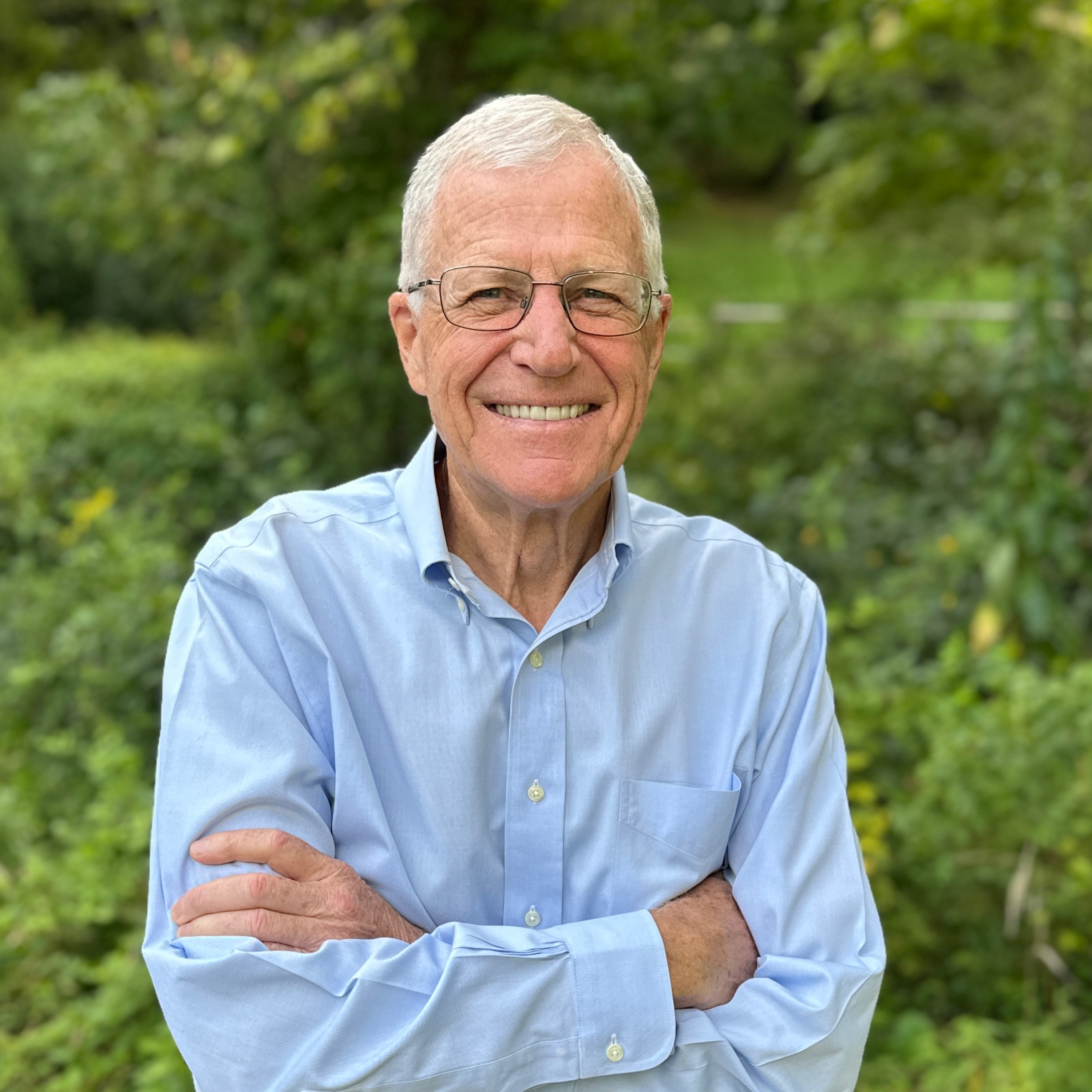
PODCAST · education
Dr Tisdall Unfiltered
by Dr. Philip Tisdall
Dr Tisdall Unfiltered is a candid podcast about how doctors actually learn, think, and reason. Drawing on decades of clinical experience, Dr. Philip Tisdall breaks down medicine through applied reasoning and pathophysiology—not memorization. This show explores anxiety in training, why traditional medical education often fails learners, and how to organize medical knowledge so it actually sticks. No dogma. No fluff. Just clear thinking in real medicine.
-
17
Why Medical Students Struggle: Clinical Reasoning vs Memorization (with Dr. Nancy Selfridge & Dr. Eric Neilson)
In this episode of Dr. Tisdall Unfiltered, I sit down with Dr. Nancy Selfridge and Dr. Eric Neilson to have an honest conversation about what’s really happening in medical education—and why so many capable students struggle when it comes time to apply what they’ve learned.Together, Dr. Selfridge, Dr. Neilson and I worked to build and implement a new approach to teaching medicine—one that moves beyond memorization and focuses on clinical reasoning, structure-function relationships, and how physicians actually think in practice.In this discussion, we break down what happens when students encounter board-style exams for the first time, why “knowing the material” often isn’t enough, and how small-group, patient-centered learning reveals the real gaps in understanding. We also explore how remediation, tutoring, and teaching others can transform struggling students into some of the strongest clinical thinkers—and why the future of medical education depends on training both better learners and better teachers.If you’re a medical student, pre-med, or educator, this episode will challenge how you think about learning medicine—and give you a clearer framework for what actually matters.Be sure to follow Dr. Tisdall Unfiltered for more in-depth conversations on medical education, clinical reasoning, and how to truly think like a doctor.Clinical Pathophysiology (Edition 2) is now available for purchase! For the complete textbook, students should purchase both Volume 1 and Volume 2: https://www.amazon.com/dp/B0GY6JSBX3?binding=paperback&ref=dbs_m_mng_rwt_sft_tpbk_tkin&qid=1776937676&sr=8-1Watch the full video episode on YouTube: https://youtu.be/owK2izhSwLQFollow me on social @drphiliptisdall
-
16
The Student Who Couldn’t Visualize: Rethinking How We Learn Medicine
In this episode of Dr Tisdall Unfiltered, I explore one of the most important insights I’ve had in decades of teaching medicine: there is no single “right” way to learn clinical reasoning. I’m joined in conversation with my producer and collaborator, Ali Tisdall, as we unpack a powerful real-world example that challenges traditional medical education.I share the story of a former student with aphantasia—a condition where she could not form mental images—who was unable to use the “picture with a story” method I typically teach. Instead of falling behind, she developed her own system by translating every concept into structured, step-by-step algorithms using if/then logic. What emerged was a completely different, yet equally effective, pathway to mastering pathophysiology, differential diagnosis, and patient-centered thinking.This episode goes far beyond study tips. We break down how medical knowledge should actually be organized—from chief complaint to differential diagnosis, to pathophysiology, to natural history—and why memorization without structure consistently fails in clinical settings. I also discuss the role of real-time teaching, small group learning, and why understanding how to think matters far more than simply knowing facts.If you’re a medical student, pre-med, or clinician looking to improve your diagnostic reasoning and retention, this conversation will fundamentally change how you approach learning medicine.Follow the podcast for more expert interviews and in-depth discussions on how to think like a doctor.Clinical Pathophysiology (Edition 2) is now available for purchase! For the complete textbook, students should purchase both Volume 1 and Volume 2 by clicking here.Watch full video episode on YouTube: youtube.com/@drphiliptisdall
-
15
Where Diagnosis Begins: Rethinking Clinical Reasoning with Dr. Eric Nielson
In this episode of Dr. Tisdall Unfiltered, I sit down with Dr. Eric Nielson—an experienced medical educator and simulation specialist I’ve worked closely with over the years—to explore a fundamental shift in how medicine should be learned and practiced. Together, we break down why true clinical reasoning doesn’t start with memorization or isolated facts, but with understanding organ system failure and the pathophysiology that drives it. From heart failure to renal dysfunction, we discuss how thinking in terms of failure states allows clinicians to build meaningful differential diagnoses, connect basic science to patient care, and ultimately become better doctors. This conversation is especially relevant for medical students preparing for USMLE or COMLEX exams, as well as anyone looking to move beyond rote learning and develop a deeper, more practical understanding of medicine.We also reflect on the evolution of medical education, the limitations of traditional teaching methods, and how repeated teaching and real-world application refine the way physicians think. Dr. Nielson brings a unique perspective from his work in simulation labs, where clinical reasoning must be applied in real time, reinforcing the importance of structure, systems, and story in medical decision-making.If you’re serious about improving your diagnostic thinking and want to understand how experienced clinicians approach complex cases, this episode will give you a clear framework to start building from.Follow the podcast to stay up to date with more expert interviews and deep dives into clinical reasoning, pathophysiology, and medical education.Clinical Pathophysiology (Edition 2) is now available for purchase! For the complete textbook, students should purchase both Volume 1 and Volume 2 by clicking here.Watch the full video episode on YouTube: https://youtu.be/XUs59Kxr7LUFollow me on social @drphiliptisdall
-
14
Why Medical Students Struggle With Clinical Reasoning | Dr. Nancy Selfridge on Learning to Think Like a Doctor
In this episode of Dr. Tisdall Unfiltered, I sit down with returning guest Dr. Nancy Selfridge for a thoughtful discussion about how physicians actually learn to think clinically. Too often in medical education, students are pushed toward memorization of facts and algorithms rather than developing the deeper reasoning skills required to diagnose and treat real patients. In this conversation, we explore the difference between memorizing information and understanding the underlying pathophysiology that drives disease, and why that distinction matters for developing sound clinical judgment.Dr. Nancy Selfridge is a physician and medical educator who has spent years working with students and trainees as they transition from classroom learning into real clinical practice. Her experience both in patient care and in medical education gives her a unique perspective on the challenges students face as they attempt to move beyond textbook knowledge and begin reasoning through complex clinical problems. In our discussion, we talk about the environments that best support the development of clinical thinking, how mentorship shapes the way young physicians approach diagnosis, and why understanding mechanisms of disease remains central to good medicine.Throughout the episode, we reflect on the realities of modern medical training, the pressures placed on students to master enormous volumes of information, and the importance of cultivating a framework for thinking through patient problems systematically. Our conversation touches on clinical reasoning, differential diagnosis, pathophysiology, medical education reform, and the transition from student to physician—topics that are essential for anyone interested in how doctors actually learn to practice medicine.If you are a medical student, resident, educator, or practicing physician interested in improving the way medicine is taught and learned, this episode offers an honest and practical look at the intellectual foundations of clinical medicine.Follow Dr. Tisdall Unfiltered to stay up to date with future episodes featuring conversations with physicians, educators, and medical professionals about clinical reasoning, medical education, and the art of thinking like a doctor.Clinical Pathophysiology (Edition 2) is now available for purchase! For the complete textbook, students should purchase both Volume 1 and Volume 2 by clicking here.Watch the full video episode on YouTube:https://youtu.be/XwMA58Rz3esFollow me on social:@drphiliptisdall
-
13
Why Pathoma & Robbins Aren’t Enough: Rethinking How We Learn Pathology in Medical School
In this episode of Dr. Tisdall Unfiltered, I sit down for a candid conversation about one of the biggest problems in medical education today: the way pathology is taught—and the way students are studying it. I discuss why relying solely on popular resources like Pathoma and Robbins can leave students memorizing facts without truly developing clinical reasoning, and why that disconnect shows up on COMLEX, USMLE, and in real patient care.As a physician and medical educator, I’ve spent years teaching pathophysiology through a clinical reasoning framework that starts with anatomy, chief complaint, and mechanism—not buzzwords. In this interview, I explain why memorizing endless tumor subtypes isn’t the same as understanding disease, how passive learning tools can quietly undermine your progress, and what it actually means to “think like a doctor.” We also explore the difference between subject-based learning and patient-centered reasoning, why free resources aren’t always cost-effective, and how structured, MD-led small group teaching changes outcomes.If you’re a medical student preparing for COMLEX or USMLE, a pre-med trying to understand how doctors think, or a practicing clinician reflecting on how medicine is taught, this episode will challenge you to rethink your study strategy and your mental framework for disease.Clinical Pathophysiology (Edition 2) is now available for purchase! For the complete textbook, students should purchase both Volume 1 and Volume 2 by clicking here.Watch the full video episode on YouTube: https://youtu.be/swT67OThANIFollow me on social @drphiliptisdallIf you found this conversation helpful, follow Dr. Tisdall Unfiltered on Spotify and Apple Podcasts so you don’t miss future expert interviews and deep dives into clinical reasoning, medical education reform, and how to truly think like a physician.
-
12
How to Use My Textbook to Think Like a Doctor | Chief Complaints & Clinical Reasoning
In this solo episode of Dr Tisdall Unfiltered, I explain exactly how to use my textbook the way it was designed to be used — not as a passive reading exercise, but as a structured system for developing real clinical reasoning. I walk through why medical students struggle when they learn anatomy and physiology in isolation, why everything must begin with the chief complaint, and how to build a usable differential diagnosis from structure and function. Using congestive heart failure as an example, I demonstrate how to think through a case the way a physician does, rather than memorizing disconnected facts for exams.I also explain why Appendix A is foundational to the entire framework, how the 80/20 rule applies to clinical medicine, and why students often feel lost when transitioning from classroom knowledge to patient care. If you are preparing for USMLE, COMLEX, shelf exams, or simply want to organize medicine in a way that is clinically usable, this episode will show you how to approach studying differently.My goal is simple: to teach you how to think, not what to memorize.Follow Dr Tisdall Unfiltered for more in-depth discussions on clinical reasoning, pathophysiology, and how to train your mind to function like a physician.Clinical Pathophysiology (Edition 2) is now available for purchase! For the complete textbook, students should purchase both Volume 1 and Volume 2 by clicking here.Watch the full video episode on YouTube: https://youtu.be/KSn3FXxA4G8 Follow me on social @drphiliptisdall
-
11
How Medical Education Lost Its Way — And How Doctors Should Actually Learn
In this episode of Dr Tisdall Unfiltered, I sit down for an in-depth conversation about what modern medical education gets wrong—and what it should be doing instead. This is a thoughtful discussion on why content overload isn’t the real problem in medicine, how clinical reasoning has been displaced by rote memorization, and why speed, pattern recognition, and storytelling are essential to thinking like a doctor. Drawing on decades of experience as a hospital-based pathologist and medical educator, I explain why understanding pathophysiology matters more than chasing isolated facts, how exams distort learning priorities, and what students can do to build durable medical judgment that actually holds up at the bedside. This episode is for medical students, residents, and educators who feel overwhelmed by the current system and are looking for a clearer, more grounded way to learn and teach medicine. Follow the podcast for more expert interviews and honest conversations about medical education, clinical reasoning, and the practice of medicine.Clinical Pathophysiology (Edition 2) is now available for purchase! For the complete textbook, students should purchase both Volume 1 and Volume 2 by clicking here.Watch the full video episode on YouTube:https://youtu.be/cpm1PE4dQowFollow me on social: @drphiliptisdall
-
10
What You Don’t Have to Know for Medical Exams
In this episode, I unpack one of the most damaging myths in medical education: the idea that success on exams requires memorizing everything. I’m Dr. Philip Tisdall, a medical educator with decades of experience as a practicing pathologist and teaching students how to think clinically rather than chase isolated facts. In this conversation, I explain what medical exams are actually testing, why excessive memorization fuels anxiety, and how focusing on mechanisms, patterns, and clinical relevance leads to better performance and deeper understanding. Using real examples, including how questions around Epstein–Barr virus are constructed, I walk through how students can study more efficiently, build confidence, and trust the fairness of well-designed exams. If you’re a medical student, pre-med, or educator looking for a more effective and sustainable approach to exam prep, this episode will challenge how you think about learning medicine.🎧 Follow the podcast for more expert conversations on medical education, clinical reasoning, and exam strategy.Clinical Pathophysiology (Edition 2) is now available for purchase! For the complete textbook, students should purchase both Volume 1 and Volume 2 by clicking here.▶️ Watch the full video episode on YouTube:https://youtu.be/3B3EypdKpcU📲 Follow me on social: @drphiliptisdall
-
9
Why Anxiety Breaks Medical Exam Thinking (And How to Fix It)
In this episode of Dr. Tisdall Unfiltered, I sit down for a candid conversation about one of the most misunderstood problems in medical education: anxiety. Not anxiety as an emotion, but anxiety as a cognitive failure that disrupts clinical reasoning, blocks pattern recognition, and causes students to freeze during exams. I explain why traditional coping rituals often make things worse, how panic hijacks working memory, and what it actually takes to restore clear thinking under pressure. This episode is especially relevant for medical students preparing for Step 1, Step 2, COMLEX, or clinical exams who feel like they know the material but can’t access it when it matters.I’m Dr. Philip Tisdall — physician, medical educator, and author of the Clinical Pathophysiology Medical Companion series. My work focuses on teaching students how to think clinically from first principles rather than relying on memorization or test-taking tricks.If you want more expert discussions on medical education, clinical reasoning, and exam performance, make sure to follow the podcast so you don’t miss future episodes.Clinical Pathophysiology (Edition 2) is now available for purchase! For the complete textbook, students should purchase both Volume 1 and Volume 2 by clicking here.Watch the full video episode on YouTube:https://youtu.be/38XzGXnKKckFollow me on social @drphiliptisdall
-
8
Why Memorization Fails in Medical Training — and How the CPC Method Changes Everything
In this episode of Dr Tisdall Unfiltered, I sit down for a solo podcast to unpack one of the biggest problems in modern medical education: the false belief that memorization leads to mastery. I explore why today’s medical students feel overwhelmed, anxious, and frustrated despite studying harder than ever. We walk through how the Clinical Pathologic Correlation (CPC) method reframes learning around real patient presentations, physiology, and mechanisms—so knowledge actually sticks under pressure. I explain why starting with symptoms instead of isolated facts fundamentally changes how the brain organizes information, improves exam performance, and builds true clinical reasoning. If you’re preparing for USMLE or COMLEX, teaching medicine, or trying to understand how doctors really think, this conversation will give you a clearer, more durable framework for learning medicine.👉 Follow the podcast to stay up to date with future episodes and expert conversations on medical thinking, education, and clinical reasoning.Clinical Pathophysiology (Edition 2) is now available for purchase! For the complete textbook, students should purchase both Volume 1 and Volume 2 by clicking here.Watch on YouTube: https://youtu.be/3tdqJOtpmL0Follow me on socials: @drphiliptisdall
-
7
Why Learning Medicine Hurts (And Why That’s a Good Thing)
In this episode of Dr Tisdall Unfiltered, I sit down for a candid conversation about one of the most misunderstood parts of medical education: why learning medicine feels so uncomfortable. Many students assume that anxiety, embarrassment, or frustration means they’re doing something wrong. In reality, those feelings are often signs that real learning is happening.I break down why learning physically and mentally “hurts,” how repeated exposure to not knowing creates anxiety, and why students are rarely taught what to expect during the learning process. We talk about the difference between memorization and understanding, why repetition matters more than confidence, and how structure transforms confusion into clarity over time. This episode is especially relevant for medical students who feel overwhelmed, behind, or discouraged despite working hard.This conversation is part of an ongoing effort to be honest about how medical knowledge is actually built — and why discomfort is not a failure, but a necessary step toward mastery.Follow the podcast to stay up to date with more expert discussions and deep dives into how medicine should be learned, understood, and practiced.Clinical Pathophysiology (Edition 2) is now available for purchase! For the complete textbook, students should purchase both Volume 1 and Volume 2 by clicking here.Watch the full video episode on YouTube:https://youtu.be/PNrMGCl-IOwFollow me on social @drphiliptisdall
-
6
Why Medical Testing Fails—and What Real Mastery in Medicine Looks Like
In this episode of Dr Tisdall Unfiltered, I take a direct look at one of the most persistent problems in modern medical education: how we test future physicians. I break down the three types of testing commonly used in medicine—motivational testing, mastery testing, and ranking—and explain why only mastery-based assessment actually correlates with safe, competent patient care. We discuss why multiple-choice exams and numerical grades fail to measure true understanding, how compliance-driven systems reward memorization rather than clinical reasoning, and why medicine should be evaluated on outcomes instead of time served. Drawing on my experience teaching and practicing medicine in both Canada and the United States, I argue for an outcomes-based approach that prioritizes competence, accountability, and real clinical thinking. This episode is for medical students, residents, educators, and practicing physicians who want a clearer framework for what mastery in medicine should actually mean.Follow the podcast to stay up to date with more expert discussions, long-form teaching, and interviews focused on how doctors think, learn, and practice medicine.Clinical Pathophysiology (Edition 2) is now available for purchase! For the complete textbook, students should purchase both Volume 1 and Volume 2 by clicking here.Watch the full video episode on YouTube:https://youtu.be/rl4zYd5NJkg Follow me on social: @drphiliptisdall
-
5
Why Medical Education Struggles to Teach Clinical Thinking | Dr Tisdall Unfiltered
In this episode of Dr Tisdall Unfiltered, I sit down for a candid conversation about the structural problems facing modern medical education—and why teaching clinical thinking at scale remains one of the system’s greatest challenges. Rather than focusing on study tactics or exam tricks, this discussion examines how medical students are trained, why memorization has crowded out judgment, and what actually improves clinical performance when facts alone are no longer enough.I draw on decades of experience as a clinician and medical educator to explain how understanding symptoms, structure and function, and pathophysiology must come before algorithms and pattern recognition. I also address the question of scalability: how effective, high-intensity teaching works in small groups—and what it would take to extend that approach to thousands of future physicians without losing rigor or depth. This episode is part of an ongoing series of unfiltered conversations about the realities, incentives, and limitations of medical training today.Follow the podcast for more expert conversations on medical education, clinical reasoning, and how doctors are trained to think.Clinical Pathophysiology (Edition 2) is now available for purchase! For the complete textbook, students should purchase both Volume 1 and Volume 2 by clicking here.Watch the full video episode on YouTube:https://youtu.be/Z9ATHvxB2wwFollow me on social: @drphiliptisdall
-
4
How Medical Students Really Learn: A Deep Conversation with Dr. Nancy Selfridge
In this episode, I’m joined by Nancy Selfridge, a physician, educator, and longtime leader in medical education, for an in-depth discussion on how medical students actually learn—and why so many struggle despite working hard. Drawing from decades of experience in both clinical practice and academic medicine, Dr. Selfridge shares insights into standards, assessment, student culture, and the critical gap between what faculty expect and what learners experience.We explore what happens when teaching is truly patient-centered, why popularity is often mistaken for effectiveness in education, and how outcomes—not opinions—ultimately determine whether an approach works. This conversation also examines the role of discipline, focus, communication, and accountability in developing real clinical judgment, as well as why strong foundations matter far more than short-term comfort. If you’re a medical student, resident, educator, or lifelong learner looking to understand how to think more clearly and learn more efficiently, this episode provides a framework grounded in experience, results, and evidence.Follow the podcast for more expert conversations on medical education, clinical reasoning, and mastering medicine through clarity and structure.Watch the full video episode on YouTube: https://youtu.be/-IJrJ91TnUIClinical Pathophysiology (Edition 2) is now available for purchase! For the complete textbook, students should purchase both Volume 1 and Volume 2 by clicking here.Follow me on social: @drphiliptisdall
-
3
How to Rise in Medicine Without a Perfect Start | Dr. Tisdall Unfiltered
In this interview-style episode of the Dr. Tisdall Unfiltered, I sit down with Dr. Anthony Colón, a board-certified plastic surgeon whose career path challenges one of the most persistent myths in medicine: that you must start at the “right” school, with the “right” grades, or the “right” story to succeed.Dr. Colón began his medical training at a Caribbean medical school and went on to complete general surgery residency, plastic surgery training, and fellowship—ultimately landing the career he set out to achieve. In this conversation, we unpack a critical but often unspoken truth in medical education: prestige in medicine is not fixed—it is earned through performance over time.This episode explores:How medical students can work their way up in prestige regardless of where they startWhy consistent top-third performance matters more than pedigreeThe role of resilience, behavioral discipline, and mentorship in long-term successWhat medical students misunderstand about “elite” careers in medicineWhy perseverance—not perfection—is the real differentiatorFor medical students and trainees who feel discouraged by early setbacks, imperfect grades, or non-traditional paths, this episode offers a clear, grounded framework for thinking about upward mobility in medicine—and proof that it is possible.Guest:Dr. Anthony Colón is a board-certified plastic surgeon with a background in general surgery, plastic surgery residency, and fellowship training. His career reflects what sustained effort, strategic mentorship, and long-term commitment can achieve in modern medical training.Clinical Pathophysiology (Edition 2) is now available for purchase! For the complete textbook, students should purchase both Volume 1 and Volume 2 by clicking here.🎥 Watch the full video episode on YouTube: https://youtu.be/kMT-fQPuDm4📲 Follow me on social: @drphiliptisdall👉 Follow Dr. Tisdall Unfiltered for more in-depth conversations on medical education, clinical thinking, career development, and what it really takes to build a meaningful career in medicine.
We're indexing this podcast's transcripts for the first time — this can take a minute or two. We'll show results as soon as they're ready.
No matches for "" in this podcast's transcripts.
No topics indexed yet for this podcast.
Loading reviews...
ABOUT THIS SHOW
Dr Tisdall Unfiltered is a candid podcast about how doctors actually learn, think, and reason. Drawing on decades of clinical experience, Dr. Philip Tisdall breaks down medicine through applied reasoning and pathophysiology—not memorization. This show explores anxiety in training, why traditional medical education often fails learners, and how to organize medical knowledge so it actually sticks. No dogma. No fluff. Just clear thinking in real medicine.
HOSTED BY
Dr. Philip Tisdall
CATEGORIES
Loading similar podcasts...