
PODCAST · arts
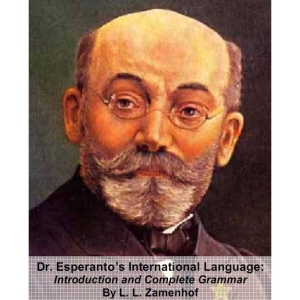
Dr. Esperanto’s International Language, Introduction and Complete Grammar by L. L. Zamenhof (1859 - 1917)
by LibriVox
In July 1887, Esperanto made its debut as a 40-page pamphlet from Warsaw, published in Russian, Polish, French and German: all written by a Polish eye-doctor under the pen-name of Dr. Esperanto (“one who hopes”). Ludovic Lazarus Zamenhof (1859-1917) had a gift for languages, and a calling to help foster world amity: by a neutral “Internacia Lingvo” that anyone anywhere could readily use as a second language: neither forsaking a mother tongue, nor imposing it. In 1889 Zamenhof published an English translation by Richard H. Geoghegan, a young Irish linguist. All five are respectively considered the “First Book”. This classic sets forth Esperanto pretty much as we know it today (except that we no longer use internal apostrophes for composite words). Its original repertoire of 900 root words has grown tenfold in the past century, but you can still almost make do with the vocabulary herein. -- Summary by Gene Keyes
-
12
-
11
-
10
-
9
-
8
-
7
-
6
-
5
-
4
-
3
-
2
-
1
No matches for "" in this podcast's transcripts.
No topics indexed yet for this podcast.
Loading reviews...
ABOUT THIS SHOW
In July 1887, Esperanto made its debut as a 40-page pamphlet from Warsaw, published in Russian, Polish, French and German: all written by a Polish eye-doctor under the pen-name of Dr. Esperanto (“one who hopes”). Ludovic Lazarus Zamenhof (1859-1917) had a gift for languages, and a calling to help foster world amity: by a neutral “Internacia Lingvo” that anyone anywhere could readily use as a second language: neither forsaking a mother tongue, nor imposing it. In 1889 Zamenhof published an English translation by Richard H. Geoghegan, a young Irish linguist. All five are respectively considered the “First Book”. This classic sets forth Esperanto pretty much as we know it today (except that we no longer use internal apostrophes for composite words). Its original repertoire of 900 root words has grown tenfold in the past century, but you can still almost make do with the vocabulary herein. -- Summary by Gene Keyes
HOSTED BY
LibriVox
CATEGORIES
Loading similar podcasts...
URL copied to clipboard!