
PODCAST · business
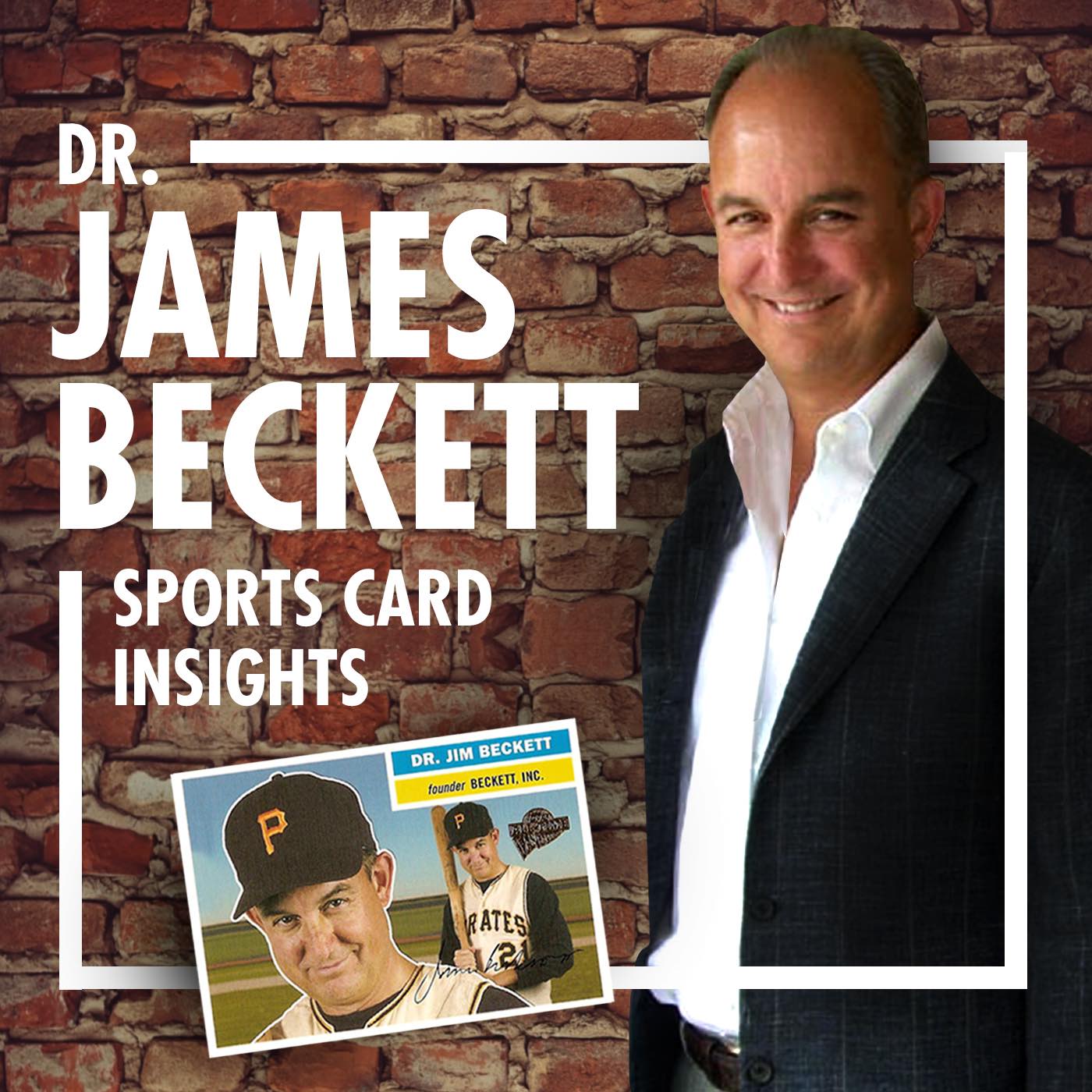
Dr. James Beckett: Sports Card Insights
by Dr. James Beckett
Opinions on Prices: Dr. James Beckett, coming out of retirement, stories, serialized, encyclopedic, covering sports cards, based on his six decades of intensive experience. Shorter format podcasts addressing players and issues.
-
1000
1590 - Basketball Card Hall of Fame Ballot 2026
Dr. Beckett discusses his Basketball Card Hall of Fame Ballot (2026), thanks organizers Ray and Tony, explains his voting approach, and announces his four vintage votes (1961-62 Fleer Jerry West, 1961-62 Fleer Oscar Robertson, 1970-71 Topps Pistol Pete Maravich, and 1967-68 Topps Test Wilt) and four modern votes (1992-93 Stadium Club Beam Team Shaquille O'Neal, 1997-98 Metal Universe Jordan Green/Red PMG, 1997-98 Upper Deck Jordan Game Jersey #/23, and 2008-09 Topps Chrome Kobe Bryant with LeBron guarding), while directing viewers to thesportscardhalloffame.com to vote. 00:59 Vintage and Modern Classes 03:25 How to Vote Online 04:15 Vintage Ballot Criteria 06:50 Fleer Memories and West 08:43 Grail Cards and Tall Boys 11:31 Stars and Fleer Rookies 13:23 Shaq and 90s Inserts 14:35 PMG and Hobby Love 15:54 Jersey Card and Kobe
-
999
1589 - Are We Creating Collectors ... or Players?
Dr. Beckett explores what it really means to be a “collector” versus a “player” in the sports card ecosystem, arguing that many new participants are drawn more to the action: buying, selling, trading, breaking, ripping, repacking, and tracking comps, rather than to long-term accumulation. He discusses industry growth goals like “10Xing,” referencing Fanatics’ push to expand the addressable market across a broader sports commerce ecosystem, and notes Panini’s past inroads while Fanatics lowers barriers by leveraging existing fan customers. Dr. Beckett frames participation as a funnel from spectator to player to collector, emphasizing that not everyone has the “collecting gene,” but collectors remain essential as end users who provide a final resting place for cards. He advocates for a healthy balance of players and collectors, highlights how liquidity and network effects have changed shows and pricing, and notes content creation can support both better “play” as well as collector formation. 00:50 Collectors Versus Players? 00:58 Fanatics And Market Growth 02:52 Action Driven Hobby 04:55 Video Games And Golf 05:53 Cards As Products 06:46 Need End User Collectors 07:13 Being A Hybrid 08:59 Liquidity And Network Effects 11:31 From Player To Collector 12:17 Junk Wax Lessons 14:02 Voices Across Spectrum 15:22 Industry Versus Hobby
-
998
1588 - Small Reveals
Dr. Beckett marks the 25th anniversary of 9/11 with brief reflections on perspective and gratitude to those who served, then shifts to a lighter topic: the fun of “reveals” in collecting. He shares opening two Upper Deck products sent to him: Premier (one pack of six cards, including autographs and memorabilia) and Clear Cut (one encased autograph), and then compares the extended suspense of multi-card packs to the one-and-done experience. Dr. Beckett discusses how reveals happen through mail days, grading submissions, dollar box finds, and group breaks, emphasizing he prefers many small dollar-box reveals over a single expensive hit. He critiques random-team breaks that can leave buyers with no cards, arguing he wants to always get something, and praises Upper Deck’s strong role in hockey and the hobby. 00:18 9/11 Reflection 03:29 Why Hockey and Upper Deck 06:04 Premier vs Clear Cut Reveal 07:50 Mail Day Risks and Grading 09:01 Dollar Box Joy 09:44 Breaks and Vicarious Hits 10:21 Random Team Math and Fine Print 13:01 Getting Nothing Feels Like Gambling
-
997
1587 - Dueling Questions with BA Murry, Part 2
Dr. Beckett hosts a wide-ranging “dueling questions” conversation with longtime friend and former colleague B.A. Murry, discussing early National show memories and table costs, regrets about selling too soon and not buying more, and Murry’s niche of curated obscure/oddball items for star players rather than post-2000 inventory. They compare old-school pricing confidence versus today’s reliance on comps, the role of want lists in proving collector intent, and how scarcity knowledge came from what advanced collectors repeatedly needed. They recount non-sports material once being hard to sell, the impact of licensing changes and eBay on sourcing, and Murry’s preference to sell to end collectors rather than flippers. Dr. Beckett also reflects on selling his company years ago, scaling back travel, health lessons, and how the hobby and the National foster friendships and therapeutic enjoyment. 00:41 Regrets and Early Nationals 01:32 Finding a Dealer Niche 03:13 eBay and Pricing Without Comps 06:50 Non Sports Wax Box Lessons 08:46 No Flipping Long Term Mindset 09:56 Want Lists and Scarcity Signals 11:12 John Rumirez and Master Sets 13:45 Life After Selling the Company 14:52 Health Perspective and Daily eBay 16:47 Independence and Hobby Therapy 17:48 National Show Community Wrap Up
-
996
1586 - The LCS Spectrum
Dr. Beckett discusses “The LCS Spectrum,” arguing that local card shops can succeed in many different ways, from old-school vintage-heavy stores to modern, high-end shops focused on new product, breaking, events, and social media. He proposes an idea for a directory or app that profiles shops with verified answers so travelers and customers know what a store offers, and so manufacturers like Fanatics, Panini, Upper Deck, and others could use consistent criteria for direct accounts and allocations. Using his former Dallas shop First Base as an example, he outlines categories for evaluating an LCS, including business sustainability, market/location, product mix, physical presentation, repeat business, creating collectors, people development, hobby citizenship, reach beyond local geography, and a distinctive “claim to fame.” 00:23 The LCS Spectrum Idea 02:10 Old School vs Modern Shops 03:30 Why Categorize Shops 04:10 Dealers and Hobby Economics 05:52 1 Real Business Basics 06:48 2 Location and Market 07:46 3 Product Mix Inventory 09:08 4 Store Presentation 09:54 5 Repeat Business 10:11 6 Creating Collectors 11:40 7 People Development 12:30 8 Hobby Citizenship 12:55 9 Reach and Celebrity 13:50 10 Claim to Fame 14:33 Modern Requirements and Allocation
-
995
1585 - Grading Company Dilemmas
Dr. Beckett discusses current grading company dilemmas, noting PSA and BGS pauses and SGC’s sharp basic-rate increase, and asks why PSA graded fewer cards in August despite attacking its backlog. He argues output varies with submission mix because higher-tier cards take longer and require greater scrutiny, and the true scarce resource is trained, credible grading judgment—not plastic, shipping, imaging, or even raw headcount. Beckett explains why double shifts risk burnout, why scaling slows production as senior graders train new hires, and why PSA’s $80 floor functions as demand control enabled by pricing power and resale premiums. He comments on CGC’s strength in TCG, TAG’s human-review bottlenecks despite tech, the limits of AI, the subjectivity of eye appeal metrics, the rise of pre-grading, changing perceptions of raw cards during pauses, and why PSA’s registry/pop report network effects are hard to match. 00:39 Why PSA Output Dropped 01:43 Training Limits Capacity 02:32 Burnout and Shift Myths 04:39 PSA Pricing Power Explained 07:40 BGS Pause and Standards 09:00 SGC Price Hike Strategy 11:21 TAG Tech and AI Limits 13:00 Eye Appeal and iAppeal Debate 17:02 New Grading Entrants Ahead 18:45 Pay and Industry Moats
-
994
1584 - Dueling Questions with BA Murry
Dr. Beckett welcomes longtime friend and former colleague B.A. Murry for a wide-ranging conversation covering their decades in the sports card hobby. They discuss Murry’s distinction as one of the “three amigos” who have set up at every National, Beckett’s attendance at every National, and memories of the earliest shows in Los Angeles and the original promoters. Murry recounts early mail-order buying from Sam Rosen/Card Collectors Company, inexpensive complete sets like 1948 Bowman and 1951 Topps Redbacks, ordering 1957 Topps as issued, and an early regret of giving away 1954 cards. They reflect on the shift from set-building and want lists to modern high-dollar “lottery” ripping, debate what counts as vintage, and share 1970s–80s hobby stories including St. Louis gatherings, auctions, and using the first annual guide. 00:41 National Show Regulars 01:12 Origins of the National 02:30 Mail Order Hobby Beginnings 05:41 Early Selling and Regrets 07:25 OG Perspective on Today 08:43 Want Lists and Set Building 09:32 Adult Hobby Takes Off 12:08 Collector Mindset and Roots 14:37 Buying Trips and Vintage Lines 17:52 Late Night Auctions Stories
-
993
1583 - Push Backs 2.0
Dr. Beckett returns with a “Pushback 2.0” episode responding to discussions from Jeremy Lee’s Sports Card Live, offering added context from his experience. He argues grading isn’t haphazard contrasting PSA’s whole-grade approach with BGS subgrades and pristine/black label concepts. He traces modern grading standards back to early-1970s word-based definitions he helped synthesize, noting evolving interpretations around issues like pinholes and qualifiers. Beckett addresses card manipulation and restoration, distinguishing minor cleaning from more severe practices like bathing to alter size and trimming. He also discusses risks for financially sophisticated but hobby-inexperienced “new money,” warns against overreliance on low population reports, defends a disciplined 401(k) borrowing example, and agrees modern prices and production are too high and could face correction. 00:58 Pushback on Grading 05:30 Origins of Standards 06:57 Pinholes and Damage 09:03 Card Doctoring Debate 12:01 New Money vs Veterans 14:24 Low Pop Misreads 15:57 401k Discipline Story 17:27 Prices and Overproduction
-
992
1582 - Out-Takes from Hobby Hotline 082226
Dr. Beckett and Hobby Hotline co-hosts Rich Klein and John Newman enjoy an unscripted chat-driven discussion. They examine market “pumping,” focusing on rising Star Wars card prices ahead of the franchise’s 50th anniversary, and how first appearances and recognizable stars can drive a pecking order in value. The panel compares this to pricing dynamics like NFL quarterback contracts and debates voice-actor autographs. They discuss T206 set collecting, Wagner rarity, past sale prices, and why multiple Wagners hitting auction blocks can signal equilibrium or a potential market peak, referencing the 1980 surge in ’52 Topps Mantles. They also consider whether a Yordan Álvarez Triple Crown would move the hobby, and how modern baseball trends depress batting-average value. 00:46 Hobby Hype and Pumping 01:43 Star Wars Anniversary Buzz 03:53 First Appearances and Autographs 04:41 T206 Wagner Market Talk 05:54 Why More Wagners Appear 10:35 Yordan Alvarez Triple Crown 12:49 Modern Hitting and Moneyball 16:04 Pitching Changes and Metrics
-
991
1581 - My 7-year-old Hypothetical Self
Dr. Beckett hypothetically and creatively explores whether age seven is really the ideal time to start collecting sports cards, reflecting on how his own strongest collecting years were ages 10–12 despite getting a first card at seven in 1956. Using an artificial ChatGPT voice to simulate a conversation with his seven-year-old self, he discusses why kids like cards (pictures, familiar player names), what they understand about stats and prices, and how a child might choose quantity over “better” cards. They talk through card-show logistics, attention span, budgeting ($10 vs. $100), safety and fairness when selling or trading, preferences for shiny designs, and the importance of not pushing kids too hard while encouraging fun, care of cards, and trying the hobby together as a family activity. 01:47 Meet Seven Year Old Me 02:30 Recognizing Players 03:19 Stats and Value 04:31 Buying and Selling 06:26 Surviving Card Shows 08:08 Growing as Collector 09:10 Allowance and Budgeting 12:30 Picking Cards Your Way 13:52 Soccer and Shiny Designs 16:12 Trading and Peer Pressure 18:10 If You Quit Collecting 20:00 Family Hobby Philosophy
-
990
1580 - Rich Klein, O'GOAT or GOTE?
Dr. Beckett and Rich Klein discuss whether Pokémon has long-term staying power, arguing it has “legs” because its static characters avoid scandals, but questioning how nostalgia, generational cycles, and the lack of era-based debate like sports GOAT conversations affect TCG durability. They compare vintage appeal in older cards to modern Pokémon’s always-mint look, note Fanatics’ interest as a positive signal, and weigh what “long-term hold” means versus coins and stamps. Beckett shares stories about card-flipping contests and introduces ideas like O'GOAT and GOTE to reduce rancor in athlete comparisons. They apply “five types of wealth” (financial, knowledge/mental, time, physical, social) to the hobby, mention show scheduling conflicts, evaluate Alexis Ohanian’s NIL card business model with ONIT as challenging due to printing balance and demand, propose an all-Super Bowl-starters autograph concept, and touch on niche collecting like “goofy names” and players with few cards. 00:35 Pokemon Hype and Nostalgia 02:02 Long Term Hold Debate 03:52 Card Flipping Memories 04:36 GOAT Talk Across Eras 07:10 Wealth Types in the Hobby 10:30 Social Connections at Shows 11:39 Show Scheduling Frustrations 12:17 NIL Cards Business Mode
-
989
1579 - Rich Klein, Job Searchability
Dr. Beckett and Rich Klein discuss the need for a better way to connect employers and candidates in the sports card industry, weighing an Indeed-style job aggregator against the hobby’s historically successful word-of-mouth, relationship-based hiring. They reference openings like Beckett cataloging roles, internal postings at COMC, and CGC hiring graders and verification specialists with bonuses and benefits, while noting potential conflicts of interest such as employee submission programs at grading companies. They argue that strong culture, cross-training, and trusted references helped Beckett hire and promote passionate entry-level talent, but today growth in the hobby requires far more employees. They also note challenges recruiting when entrepreneurial collectors can earn more independently, and why benefits and steady pay matter as people age. 00:35 Need a Hobby Job Board 02:42 Hiring Entry Level Talent 04:13 Culture and Internal Growth 05:02 Aggregators and LinkedIn Limits 06:52 AI Pitfalls and Networking 08:42 Trustworthy Store Staffing 10:28 Big Company Hiring and Cross Training 11:10 Grading Jobs and Conflicts 12:27 Fanatics Warehouse Security 13:43 High Potential Hobby Hires 14:21 10X Hobby Needs Workers 14:44 Why Young Talent Won't Apply 15:51 Paychecks and Benefits Matter
-
988
1578 - Rich Klein, LCS or DCS?
Dr. Beckett and Rich Klein discuss the recent very crowded National convention and how the nearby Dallas Card Show better fits Rich's collecting lanes. They compare the Dallas show’s layout and focus with the more modern, Pokémon-heavy NTX show and talk about how show organizers fill extra tables. The conversation shifts to hobby media, with Dr. Beckett describing how he filters content creators by category and prefers clear episode topics. They also debate card-show and shop “truth in packaging,” wishing for simple category and percentage breakdowns (vintage, wax, bargain boxes, TCG). Rich argues local shops can survive without direct wax allocation if they diversify, while both describe the rise of destination card shops with distinct specialties and stronger digital presence, noting Fanatics has improved accessibility through affordable retail-style boxes. 01:02 Dallas Show Advantages 02:21 Following Hobby Content 04:25 NTX Show Vibes 05:34 TCG Overflow and Focus 06:30 Show Tech and Categories 07:34 Modern Card Shop Models 10:24 Local vs Destination Shops 14:47 Fanatics and Hobby Growth
-
987
1577 - Tribute: Tommy John
Dr. Beckett records an episode after learning that pitcher Tommy John has passed away, honoring John’s unusual and inspiring career and arguing he deserves the Hall of Fame for his on-field accomplishments, not just the surgery that bears his name. Beckett cites John’s 26 seasons, 288 wins, 3.34 ERA, pitching effectively until age 46, four All-Star selections, and two second-place Cy Young finishes, comparing his candidacy to contemporaries Fergie Jenkins and Jim Kaat. He recounts John’s 1974 elbow ligament tear and Dr. Frank Jobe’s pioneering operation, noting John missed a season, then returned to pitch 14 more years and win more games after surgery than before, emphasizing the grueling rehab and the hope it gave later athletes. Beckett also discusses limited hobby impact despite John’s recognizability and rookie card details. 01:41 Hall of Fame Case 03:03 Tommy John Surgery Origins 03:58 Rehab And Comeback 06:12 Pitching Style And Value 07:14 Collector Market Impact 09:34 Legacy Of Hope
-
986
1576 - Tribute: Don Nelson
Dr. Beckett pays tribute to Don Nelson, reflecting on his NBA playing career with the Celtics (14 seasons, five championships) and his Hall of Fame coaching legacy built on innovation, experimentation, and position-less, mismatch-focused basketball. Beckett shares a personal story of playing 18 holes of golf with Nelson more than 20 years ago and discusses Nellie’s influence through concepts like the point forward, roster construction, and entertaining, high-scoring teams, connecting it to Dallas perspectives, the Mavericks’ current roster, and players such as Dirk Nowitzki, Steve Nash, Luka Doncic, and Cooper Flagg. He also offers hobby insights on Nelson’s cards, including his 1969–70 Topps “tall boy” rookie card, limited overall card demand, and the typical drop in interest for coaching-era cards versus playing-year issues. 00:30 Innovator Legacy 01:40 Golf With Nellie 02:12 Player Roots 02:59 Coaching Greatness 04:03 Hall Fame Context 05:36 Point Forward Ideas 08:32 Mavs Roster Echoes 10:32 Card Market Takeaways 12:21 Retirement Reflections
-
985
1575 - Recap: Podcast Episodes 1551-1574
Dr. Beckett recaps episodes 1551–1574, highlighting Father’s Day two-part interviews with Greg Miller (Midlife Cards) and his father Michael, Cage Lawyer and son Ian, and Ben Bush with sons Ryan and Sterling. He revisits a tribute to Jack Smalling, outtakes from Hobby Hotline with Adam Palmer, Rich Klein and Tony, and conversations with Darren Ostrom about how hobby “virality” evolved (including “reverse virality” in the junk wax era) and the challenges of publishing a hobby-history book, suggesting motivators like greed, exclusivity, fear, and love. He discusses advising a friend on safely buying a $30,000 card at the West Coast show, Ramblings on labeling mistakes, AI, dynamic pricing, and why family trips like Disney World drive him to reduce his collection. He notes major show weekends, praises David’s Leaf research and the FrankenWagner eye-appeal/grade debate, covers three episodes on hobby hiring, interviews Brian Gray, and closes with National recap reflections and appreciation for hobby OG's like Mike Berkus. 01:55 Remembering Jack Smalling 03:11 Virality and Hobby History 04:07 Publishing a Hobby Book 05:11 Big Money Card Buying 06:35 National vs Disney World 07:56 More Hotline Outtakes 08:27 Weekend of Mega Shows 09:18 Leaf Set Research 10:08 Eye Appeal vs Grading 10:41 Hiring in the Hobby 12:32 Brian Gray Three Parter 13:17 National Recap and Closing
-
984
1574 - Brian Gray, On Never Selling Grails
Dr. Beckett talks with Brian Gray about the need for execution over ideation, and urges collectors to be selective about whose content they trust, valuing original thinkers with real industry experience over frequent, polished “rehash.” Gray discusses calling out fraud, the lack of organized consumer pushback, and how market influence is driven more by big breakers and high-end buyers than most regular collectors. They deiscuss repacks, arguing they can improve liquidity and often offer better expected value, while warning that eliminating them could hurt the market. Gray credits Michael Rubin and Fanatics for massively expanding publicity and the hobby’s addressable market, with more athlete involvement. They emphasize doing homework, building a “mosaic” of information, being bold, accumulating quietly, and focusing on iconic grails (never sell grails) and avoid being the underbidder on them. 00:40 Execution Over Ideas 00:56 Who to Trust in Media 03:36 Repacks and Liquidity 04:45 Why Consumers Never Organize 06:30 Fanatics and 10X Hobby 08:44 Do Your Homework and Be Bold 10:20 Find Your Niche and Accumulate 11:27 Never Sell Grails 12:50 Auctions and Setting Comps 14:11 Wealth, Risk, and Conviction
-
983
1573 - Brian Gray, On Arbitrage
Dr. Beckett interviews Brian Gray recorded before the National. Gray describes enjoying a lean, nimble operation with three (family) employees, streaming for fun, and the thrill of hobby arbitrage and “wheeling and dealing” rather than running a large company, noting his next venture won’t have him as CEO. They discuss semi-retirement, choosing when to work, and still having impact as a “voice of reason.” Gray shares how his daughter leads AI efforts at a trading card company and how AI is improving checklist generation, social trend tracking, and enabled Leaf Reimagined concepts. They also warn about AI’s limits in grading and research, missing physical cues like smell/feel, owner bias, misinformation/SEO manipulation, and the need for sources, good prompts, and critical thinking. 00:40 Streaming and Staying Lean 01:25 Arbitrage and Hustle Mindset 03:17 Semi Retired Life Choices 04:29 AI in Trading Cards 06:29 AI Limits in Grading 10:47 Misinformation and SEO Traps 14:14 Bias Narratives and Homework 16:24 How to Think, Not What to Think 17:18 Building a Mosaic of Voices
-
982
1572 - National Recap Chicago 2026
Dr. Beckett recaps his week at the 2026 National Sports Collectors Convention in Chicago, describing the event as maximally crowded, the biggest National ever, with long lines and high energy. He details his buying-focused approach centered on dollar boxes, especially with the Singles Club, noting which days and times produced the best finds and how dealer markdowns shaped his strategy. Beckett shares highlights including a YouTube content creator gathering, meetings (notably with COMC’s Tim Getsch), traditional hobby dinners, and Jeremy Lee’s well-produced Shark Tank presentation where Dr. Beckett gave brief remarks paying tribute to deceased National co-founder Mike Berkus. He discusses skipping trade nights, signing autographs without charging, losing his voice from the crowd, travel/packing tactics, and returning home tired but enthusiastic about next year’s National and the hobby’s continued momentum. 01:48 Staying Fueled and Ready 02:28 Wednesday Arrival Plan 02:51 Singles Club Routine 05:52 Best Times to Buy 06:53 YouTube Creator Meetup 08:07 Friday Meetings and OG Dinner 09:48 Saturday Shark Tank Event 12:04 Sunday Deals and Awkward Checkout 13:15 Autographs and Show Observations 15:05 Packing and Card Plans
-
981
1571 - Brian Gray, On Liquidity
Dr. Beckett talks with Brian Gray about high-volume card buying at the National, including last year’s long sell-to-him lines driven by many $1,000–$20,000 transactions and $3.1M spent in cash, and this year’s plan to use QR-coded five-minute appointment windows due to booth location constraints. Gray explains how modern buying revolves around fresh comps and repack/reseller demand, why many non-grail cards become less liquid at the National despite big crowds, and how grail cards can still command immediate “green cash.” He details safer cash handling via Brinks and the Fed, risks of theft, what happens if cash runs out mid-show, and notes his Whatnot streaming, consulting for two card companies, and a forthcoming major new venture. 00:41 National Buying Lines 02:44 Liquidity and Comps 03:33 Repackers Drive Demand 05:02 Regional Shows vs National 06:13 Buying Without Comps 07:43 Selling Strategy at Nationals 10:59 Grails vs Mid Cards 12:48 Cash Logistics and Security 15:12 Brinks Fees and Margins 16:11 WhatNot and Next Venture
-
980
1570 - Hobby Hiring: Platform/Portal?
Dr. Beckett argues that as the sports card hobby has grown into a larger industry, it needs a more organized “clearinghouse” to connect employers with qualified talent across full-time, part-time, remote, seasonal, and contract roles. He cites fragmented hiring, word-of-mouth recruiting, and scattered job listings (including Brett McGrath’s, Stacking Slabs, excellent hobby jobs coverage) as reasons a thorough, centralized, data-driven platform could help match candidates by hobby expertise, skills, and willingness to relocate. Beckett discusses potential features like structured applications, reference verification, keeping listings fresh, and in-person networking events at major shows, while noting the challenge of building a viable business model where employers, sponsors, or major companies support the costs. He shares past hiring experiences, mentions current job examples, and previews the National. 00:00 Why Hobby Needs Hiring Hub 04:04 Broad Roles Beyond Full Time 06:07 Business Model and Seasonal Work 07:11 Candidate Profiles and Data 08:27 References Feedback and Testing 11:15 Events and Monetization Hurdles 13:49 Integrity Verification and Staleness 15:25 Shark Tank Wrap and National
-
979
1569 - Hobby Hiring: Finding Jobs
Dr. Beckett discusses how job seekers can use the National as the best place to connect with most major hobby companies, compared with smaller shows, and urges “free agents” to present themselves as problem solvers with a clear, direct elevator pitch and a digital resume. He advises candidates to research the full hobby ecosystem (manufacturers, grading/authentication, auctions, platforms, content, comps, supplies, distributors, TCGs) and be transparent about potential conflicts of interest from buying/selling or live-streaming. Beckett encourages looking beyond obvious roles, not pushing leadership too early, and considering grading, especially TCGs and modern cards, as a growth path, including practicing to improve and retaking grading tests or starting in pre-grading. He emphasizes courteous booth outreach, targeted company lists, follow-up, and defining success as making connections and securing interviews. 00:21 Why the National Matters 01:22 Pitch Yourself Clearly 02:30 Conflicts and Side Hustles 03:42 Know the Hobby Ecosystem 04:54 Look Beyond Obvious Roles 05:51 TCGs as Career Growth 07:35 Grading Path and Practice 10:52 Working the Show Smart
-
978
1568 - Hobby Hiring: Finding Talent
Dr. Beckett discusses hiring in the sports card hobby after a young friend asked for help, focusing on what hobby companies actually need beyond job titles. He emphasizes identifying the business problem or growth opportunity first, separating teachable skills from foundational traits like work ethic and integrity, and valuing contributors who can grow rather than demanding a “finished product,” especially for non-senior roles. Beckett highlights the importance of hobby knowledge (including TCG/Pokémon), versatility for smaller companies, and broader job postings to cast a wider net. He outlines effective recruiting channels such as word of mouth, customers, vendors, family referrals, paid interns, and employee bounties, encourages promoting from within when possible, and prefers face-to-face hiring, often at the National, where companies can recruit strong long-term contributors. 01:48 Hire for Challenges/Opportunities 02:42 Teachable vs Traits 06:23 Versatility Wins 08:07 Where to Find Talent 09:43 Culture and Promotion 10:53 Interviewing at National 13:09 Make Great Offers
-
977
1567 - FrankenWagner: New Rules for Eye Appeal?
Dr. Beckett discusses the buzz around Keith Olbermann’s T206 “Restored Die-Cut Wagner” being sold via Love of the Game (auction closing August 8), explaining how the card was historically altered and later skillfully rebuilt using authentic card material, raising debate over restoration vs. deceptive alteration and how graders should categorize such pieces. He argues the sale could be an inflection point in hobby “rules,” with newer, wealthier collectors valuing eye appeal, story, and provenance over strict originality—similar to shifts seen with Star Jordan vs. Fleer and BGS 9.5 vs. PSA 10 preferences. Beckett predicts the Wagner could exceed $2 million, notes prediction markets like Polymarket/Kalshi and their potential influence, and frames the episode as a broader discussion about changing guardrails in collecting. 00:43 Auction Buzz and Pedigree 01:47 How the Wagner Was Restored 03:19 Alteration vs Restoration Rules 04:48 Restoration History and Conservators 05:40 Why Restorers Stay Anonymous 07:04 The Wagner Club and New Money 08:35 Eye Appeal Changes Hobby Rules 11:19 Prediction Markets and Price Calls
-
976
1566 - 1948-49 Leaf Baseball, with David, Cardboredom.com
Dr. Beckett interviews David from Card Boredom about his 24-page deep-dive research (free at Cardboredom.com) on 1949 Leaf Baseball, focusing on 28 true graphic-stage variations clearly caused by a plate change rather than printing defects. They discuss why price guides and grading companies have been slow to update nomenclature or fully recognize the variations, including the ripple effects of changing the long-accepted “1948 Leaf” date and resulting rookie-card implications. Beckett argues the 1948 copyrights suggest 1948 artwork even if the set was not commercially available until spring 1949, and recommends a “48-49 Leaf” compromise. 02:00 Why Guides Resist Change 02:57 Real Variation Types 04:59 Copyright Date Debate 06:38 Plate Damage Theory 07:50 David's Research Motivation 10:12 Data and Sampling Limits 16:11 Naming and Rookie Fallout 20:36 Raw Cards Hidden Supply
-
975
1565 - Weekend Update: Hobby Edition
Dr. Beckett recaps the biggest non-National show weekend in hobby history, with three major events running simultaneously—Fanatics Fest, the Dallas Card Show, and the West Coast Card Show, without the cannibalization some feared. He argues there’s enough cards, dealers, money, and interest to support all three and says the combined attendance may be unprecedented outside the National. Beckett shares observations from Dallas, including venue strengths and constraints (space, fire marshal limits, congested aisles, weak cell service), promoter Kyle’s challenges with growth and dealer management, and the value of adding fresh dealers. He details his own high-volume dollar-box buying approach, reviewing purchases afterward to refine what to target, and comments on media credentials, integrity for content creators, and how these events signal a robust hobby heading into the National. 00:25 Three Mega Shows 02:42 Dallas Show Limits 04:11 Improving Without Growing 06:10 Navigating Huge Floors 10:25 Reviewing The Haul 12:43 Show Logistics And Cash 13:47 Media Pass Ethics
-
974
1564 - Out-Takes from Hobby Hotline 071126
Dr. Beckett and this week's Hobby Hotline crew (Adam Palmer and Tony TJ is Online) discuss news that Michael Jordan has extended his exclusive legacy partnership with Upper Deck, including Goodwin Champions redemptions for signed 1986 Fleer basketball wax packs and an eBay-auctioned 1-of-1 signed 1986 Fleer box with 10% of proceeds going to the Boys and Girls Clubs Foundation. They debate opening versus keeping the packs sealed, note old pack “searchability,” and compare the concept to Topps’ Mickey Mantle nostalgia redemption. They also cover Topps/Fanatics testing pre-ordered Topps Chrome Update mega boxes sold without shrink wrap, focusing on tamper concerns, scams, pricing, and whether it helps collectors buy at retail. The episode closes with thoughts on the collector tension between buying singles and unopened product and why boxes must be opened for singles to exist. 01:07 Jordan and Upper Deck Deal 01:18 Signed Fleer Pack Redemptions 03:07 Open or Keep Sealed 04:27 Nostalgia Redemption Trend 05:33 Why Partner Matters 08:24 Jordan Market Heat 09:44 Topps No Shrink Wrap Test 11:41 Tampering and Trust Issues 12:50 Pricing and Scalper Impact 15:25 Singles Versus Sealed Debate
-
973
1563 - The National vs. Disney World
Dr. Beckett compares going to Disney World with attending The National sports card show, drawing on trips to Disneyland and Disney World from the 1960s to the 1990s and his long history of attending The National, including taking his family in 1990. With an extended-family Disney World trip planned for early next year, he discusses shared challenges like long days on your feet, routing, and dislike of lines, and contrasts how Disney is typically more expensive while The National involves spending on items with tradeable value. He notes differences in solitude, age-appropriate activities, and family logistics, and suggests The National could learn from Disney’s crowd flow, cleanliness, signage, and food options. He concludes neither is “better,” emphasizing being fully present wherever you are and encouraging people to attend both if possible. 00:23 Disney vs The National 01:40 Trips and Family Plans 02:25 Lines and Fast Passes 03:57 Cost Comparison 04:43 All In on the Destination 06:49 Routing and Park Strategy 08:17 Social Dynamics and Community 10:50 Free Agent vs Family Focus 11:43 Physical Demands and Gear 12:58 What Shows Can Learn 14:28 Be Present and Enjoy
-
972
1562 - Ramblings 8.0
Dr. Beckett rambles and discusses how grading companies like PSA and BGS can make occasional labeling mistakes, noting the scale issue when volumes are high, and compares it to an Amazon shipping error that benefited him, suggesting AI checks could reduce such problems. He reflects on dynamic pricing and “surveillance” or predictive pricing, the value of curiosity over a know-it-all approach when negotiating, and his preference for buying seen cards over packs, including thoughts on repacks, branding, and Fanatics removing outer box wrap to deter reselling. He also reads an educator’s email about using basketball cards to teach life skills and honors his parents’ legacy founding Cornerstone Crossroads Academy. 00:30 Facebook Marketplace Card Lot 03:32 Grading Mistakes and PSA 04:44 Amazon AirTags Mixup 05:52 AI Checks and Pricing 09:09 Buying Seen vs Unseen 10:02 Repack Boxes and Breaks 11:44 Education and Hobby Impact
-
971
1561 - Big Card Transaction Wisdom
Dr. Beckett discusses advice for a collector flying to this weekend's West Coast Burbank card show who wants to buy an expensive card and is considering bringing $30,000 in cash. He weighs show buying versus auctions, explains why cash is often preferred at shows, and reviews alternatives like wires, credit cards (often with a 3% fee), checks (requiring strong trust/vouching), and digital payments with limits. Beckett emphasizes security and discretion, planning ahead with the bank, understanding cash-withdrawal documentation over $10,000, and being prepared for airport screening. He recommends documenting any big deal (seller identity, card/grade details, photos) to reduce risk, warns about brokered transactions and a high-profile Tom Brady deal that went wrong, and concludes that cash can be reasonable for $30,000 if handled carefully. 01:16 Payment Options Overview 02:24 Cash Logistics and Risks 03:47 Trust and Verification 05:43 Show Deal Mechanics 06:51 Wires Cards and Checks 08:47 Getting Cash and Flying 11:54 Documentation and Safety Tips 13:33 Broker Deal Gone Wrong 15:25 Best Plan for 30K
-
970
1560 - Publishing Challenges, with Darin Ostrom
Dr. Beckett and Darin Ostrom discuss how to get Darin’s deeply researched history of 1990s sports cards published when his YouTube viewership is limited and traditional publishers want authors with large followings. They explore obstacles like fragmented digital audiences, declining print publishing, lack of wholesale distribution, and the need for a clear “hook” that drives virality beyond an educational or nostalgia angle. Possible paths include self-publishing via Amazon with shorter serialized volumes, pre-ordering through card shops to reduce risk, and partnerships or sponsorships with companies like Collectors/Beckett Media, PSA/SMR, or Fanatics by fitting content into existing magazines as multi-part articles. They also note competition from free content and AI, and suggest stronger concepts like registries or “100 iconic ’90s cards” lists to motivate buyers. 00:27 YouTube Chapters to Book 01:36 Why Publishers Pass 03:53 Self Publishing Lessons 05:26 Digital Serialization Strategy 06:57 Preorders and Card Shop Marketing 09:32 Sponsors and Magazine Serialization 14:02 Competing With Free and AI 16:12 Finding the Viral Hook 19:05 Reframing for Collectors 20:14 Audience Spectrum and Examples
-
969
1559 - Virality in the Past
Dr. Beckett previews an upcoming conversation with Darren Ostrom (the Sports Card Professor) about publishing a hobby book and reflects on how “virality” has evolved in sports card collecting. Beckett contrasts earlier eras when buzz spread slowly by word of mouth, mail, and limited shows and was driven by scarce discoveries and hard-to-find cards regardless of condition, with today’s influencer- and price-driven demand where availability and social proof fuel hype. He discusses examples such as the 1983 Topps Traded Darryl Strawberry XRC, Fernando Valenzuela, tough and popular vintage targets like the 1963 Topps Rose rookie, 1967 Topps Brooks Robinson, 1952 Topps Mantle, and the continuing hunt for cards like T206 Wagner and 1933 Goudey Lajoie. He emphasizes a low-supply buying philosophy and thanks episode sponsors. 02:29 What Went Viral Then 03:50 Strawberry and Fernando Mania 04:59 Discoveries and Tough Cards 06:28 Rare Card Showdown Story 07:57 Vintage Icons and Short Prints 09:04 Price Driven Virality Today 09:35 Low Supply Buying Strategy 11:17 Reverse Virality Junk Wax 11:27 FB Marketplace Collection Pass
-
968
1558 - Out-Takes from Hobby Hotline 061326
Dr. Beckett shares out-takes from Hobby Hotline and his co-hosts Adam Palmer and Rich Klein. Rich describes going with the flow at shows and finding bargains like a Riley Greene Heritage All-Star variation and short-printed Hall of Famers, plus selectively buying specific base rookies. They note live selling platforms have reduced the quality and quantity of dollar-box deals as sellers and buyers move faster. Rich cites the macro strategy of selling into up markets and buying into down markets. The group also addresses hobby negativity, valuing specific, experience-based criticism over anonymous rants. 02:25 Ugly Cards and Low Demand 02:55 Rich Finds Hidden Variations 06:50 House Full of Cards Story 07:53 Live Selling Changes Boxes 14:00 Value Box Speed and Competition 16:49 Constructive Criticism Example
-
967
1557 - Tribute: Jack Smalling, Baseball Address List
Dr. Beckett dedicates the episode to hobby giant Jack Smalling, who died last week at age 85. Beckett reflects on his friendship with Smalling beginning in the 1970s Midwest show circuit and credits him as foundational to the through-the-mail autograph hobby through his exhaustive baseball autograph address list, built to be encyclopedic, inclusive, and constantly updated with debut years, addresses, and death dates. He describes Smalling’s ties to publisher/distributor Denny Eckes and later bookstore distribution via Edgewater Books, notes Smalling’s career as a teacher, coach, and insurance professional, and shares obituary highlights including Jack's 1964 single off Satchel Paige and national recognition in 1988 as a top autograph expert. Beckett discusses how collectors used the lists, the ethical pitfalls of misuse, Smalling selling his collection through Heritage, and offers condolences and thanks to Ben Bram for the notice. 00:20 Tribute to Jack Smalling 01:31 Book Trading and Denny Eckes 02:20 Obituary Highlights and Parallels 05:18 How TTM Autographs Worked 07:43 Publishing Connections and Edgewater 08:57 Cataloging Mindset and Accuracy 09:32 Heritage Sale and Ethics 10:44 Using the List to Value Autographs 11:41 Personal TTM Routine and Changes
-
966
1556 - Father/Sons: Ben Bush and Sons Ryan and Sterling, Part 2
Dr. Beckett interviews Waco dealers Ben Bush and sons Ryan and Sterling, sharing how their family built a fast-turn, buy-right/sell-right card business. They discuss learning basics like comps, triaging and organizing inventory as a team, adapting to each show’s changing demand, and growing through live streaming and Whatnot while managing growth carefully to avoid failure. Ben describes their “do unto others” approach as rooted in faith, aiming to treat people well, avoid making negotiations personal, and being ready for meaningful conversations with customers. Dr. Beckett also addresses potential impacts of a future MLB labor stoppage on the baseball card market, and why the DFW area is a national hub for the hobby. 01:36 Learning the Card Business 03:56 Future Plans and Growth 05:32 Faith and Family Values 09:59 Proud of the Boys 12:07 Baseball Strike Impact 13:46 DFW Card Industry Hub
-
965
1555 - Father/Sons: Ben Bush and sons Ryan and Sterling
Dr. Beckett interviews the Bush family of Waco: dad Ben and sons Ryan and Sterling about running a family sports card business built around Whatnot and frequent card-show buying. Ben explains they have seven children, with five family members involved: Ryan and Sterling run the Whatnot shows, Ben moderates, their sister handles shipping, and their mother manages administration. Their first show setting up was in Dallas in September 2022, and eventually shifted full time as their Whatnot channel grew. They emphasize high-volume low-end sales, disciplined buying with checks and balances, and a respectful, no-yelling hosting style rooted in the golden rule. 01:40 From Concrete to Cards 03:09 Whatnot Growth Story 04:45 Family Workflow 06:15 Buying vs Selling at Shows 07:29 Work Ethic and Going Full Time 10:44 Low End Cards Strategy 14:09 Customer Respect on Whatnot 15:57 Golden Rule Closing
-
964
1554 - Father/Son: Cage Lawyer and son Ian, Part 2
Dr. James Beckett welcomes Cage Lawyer and his 13-year-old son, Ian (who really wants to go to this year's National). They discuss hobby friendships, how Ian and his dad differ in what they collect (sports vs Pokémon) and risk tolerance, and the fun and financial lessons around breaking versus other uses for money. Beckett explains why he started Beckett to provide card accurate values and protect collectors, reflects on how fast comps move today, and shares hopes that more collectors, especially kids, will keep the hobby thriving. 03:55 Hobby Friends and Community 05:59 Breaking Cards and Money Lessons 07:05 Sports Betting vs Card Risk 08:28 Replying to DMs and Building Brand 09:33 How Beckett Started 11:35 Then vs Now Hobby Speed 15:06 Preserving OG Vintage Knowledge
-
963
1553 - Father/Son: Cage Lawyer and son Ian
Dr. Beckett hosts a father-son episode with Cage Lawyer and his 13-year-old son Ian (“Cage Lawyer Jr.”) discussing their hobby experiences and what cards teach about life. They share stories of Cage being recognized at shows and even at an airport, Ian’s interest in becoming an investor, and how negotiating and handling rejection at card tables builds confidence and sales skills. They compare modern vs. vintage preferences, with Ian leaning modern and Cage crediting Ian for expanding his collecting into soccer, F1, and Pokémon, sometimes ahead of the curve. They emphasize the hobby as a unique father-son bond, generational knowledge exchange, and the value of preparation using comps. The conversation also highlights “dollar box” treasure hunting, building fair dollar boxes, and helping younger collectors get positive show experiences. 03:04 Hobby Skills and Negotiation 03:51 Selling Lessons and Rejection 06:22 Contrarian Strategy and Budget 09:57 The Best Father Son Hobby 14:11 Card Wall and Research Mindset 17:50 Dollar Boxes at Shows
-
962
1552 - Father/Son: Graig Miller, Mid-Life, and father Michael, Part 2
Dr. Beckett welcomes Graig Miller (Mid-Life Cards) and his dad, Michael, discussing why they collect, the appeal of old “artifacts” cards, and the imagined journey of items like an 1888 N76 Thomas Edison. They contrast collecting “lanes,” with Michael focused and Graig boundary-pushing, and explain why value matters less to them because they built collections with “hobby money” through buying, grading, selling, and trading. Greg shares what his daughters learn from the hobby about preservation and respect for tangible items amid disposable culture. They discuss Pokémon’s boom, relevance risks for all collectibles, and handling criticism by staying accessible and focusing on constructive feedback. They close with parenting advice emphasizing fairness, consistency, trust, and being present. 00:36 Collecting as Artifacts 02:19 Finding Your Lane 03:31 Hobby Money Strategies 05:11 Kids and Life Lessons 07:57 Pokemon Boom Debate 10:33 Handling Criticism 15:02 Fatherhood Advice
-
961
1551 - Father/Son: Graig Miller, Mid-Life, and his father Michael
Dr. Beckett welcomes Graig Miller (Mid-Life Sports Cards) and his father Michael. They discuss Graig’s new book, Midlife Card Çollecting Stories, and the growth of his YouTube channel and podcast into a network. Michael describes Graig as naturally shy and reflects on how they both approach teaching and coaching, emphasizing meaningful communication over performance. They compare collecting styles: Michael’s narrow focus on rebuilding and grading his childhood 1959–1960 Topps sets and gradually moving earlier, versus Greg’s eclectic interests including 100+ year-old cards and vintage golf cards. Michael explains returning to the hobby through taking his kids to 1980s card shows and later reconnecting with Graig after losing his wife. They highlight the special value of a reclaimed childhood card with Michael's name, the actual card from his childhood, and discuss collecting driven by passion, personal goals, and community rather than competition or card value. 00:43 Graig’s Hobby Journey 02:51 Teaching and Coaching Style 05:54 Collecting Focus Differences 10:08 Reclaiming a Childhood Card 12:07 Hobby as Side Gig 15:40 Golf and Healthy Competition
-
960
1550 - Recap: Podcast Episodes 1526-1549
Dr. Beckett recaps episodes 1526–1549 and revisits key themes: defining cash grabs, GOAT's, iconic cards, and then hobby pushbacks on eye appeal, grading consistency, and market manipulation. Dr. Beckett summarizes trips to the Toronto Sports Expo and the Watters Creek show, as well as episodes on lifelong reading/learning and probability/statistics, and the start of his annual father/son episodes with Jeremy Lee and his father Harvey. 00:27 Cash Grabs Debate 02:21 GOAT Meaning Unpacked 03:37 What Makes Cards Iconic 06:14 Ramblings With Rich 06:27 Toronto Show Recap 06:57 BB Card Hall of Fame Voting 07:56 Learning and Hobby Skills 10:56 Oh YAAS Advisory Update 12:07 Show Safety and Hobby Hotline 13:06 Fixing Grading Ideas
-
959
1549 - Father/Son: Jeremy Lee and his father Harvey, Part 2
Dr. Beckett hosts a Father’s Day podcast with Jeremy Lee of Sports Cards Live and his father, Harvey, discussing Jeremy’s record-setting purchase of a 1914 Cracker Jack Shoeless Joe Jackson card, why it felt emotional but was later validated by other buyers, and the role of due diligence, intuition, and luck. They explore common beginner mistakes, especially collecting in isolation, and emphasize learning through community, podcasts, and longitudinal, multi-variable thinking. Jeremy explains he has no remorse consolidating over 330 cards to fund the grail, and frames mistakes as “tuition,” noting his book Pops and Comps aims to reduce costly errors. Dr. Beckett advises beginners to “wait” before big buys and to buy with “weight” by acquiring larger lots to spread risk, while also addressing impulsivity, market volatility, risk tolerance, and hobby addiction support via Collectors MD. 00:30 Shoeless Joe Record Buy 01:27 Trusting Your Gut 02:22 Beginner Mistakes 03:47 Long Term Thinking 04:48 Consolidation No Regrets 05:24 Mistakes as Tuition 07:27 Wait and Weight Rule 08:49 Rookies and Risk Balance 10:55 Action Now vs Patience 11:38 Addiction and Self Control 12:58 Hobby Spectrum Types
-
958
1548 - Father/Son: Jeremy Lee, Sports Cards Live, and his father Harvey
Dr. Beckett welcomes guests Jeremy Lee (Sport Cards Live) and his father, Harvey. They reflect on sharing the hobby at events like the Toronto Sports Expo, emphasizing community, diplomacy, and how Jeremy’s approach mirrors Harvey’s service mindset. Harvey describes supporting Jeremy’s shift from accountancy into the hobby despite initial trepidation, while Jeremy explains his growth from content creator to publisher and collaborator came from impulsive ideas rather than a master plan. They compare being Canadian versus American in medicine and the hobby, highlighting technology’s global reach and currency impacts. The conversation closes with insights on market hype vs. long-term value, pricing signals, and common buyer mistakes driven by emotion, bias, and risk tolerance. 01:16 Hobby Time with Dad 02:17 Rotary and Community Lessons 04:52 Apple and the Tree 05:43 Pops and Comps 08:58 Building Without a Plan 12:38 Canada and a Global Hobby 16:05 Value vs Hype 16:44 Pricing and Market Signals 17:59 Buyer Mistakes and Bias
-
957
1547 - Steak Grilling and Grading
Dr. Beckett compares grilling and steak grading to sports card grading, noting that both rely on labels and subjective “eye appeal” but can still disappoint. He explains how chefs and buyers judge ingredients by sight, how steaks are graded (prime/choice) yet may not taste like their grade, and how it’s hard to “return the evidence” after eating. Comparing a cheaper USDA prime New York strip from Tom Thumb versus his usual Central Market purchase, he felt the steak tasted about a full grade lower despite looking similar. Beckett discusses trust in grading within limits, consistency, batch rhythm, pricing differences by venue, and parallels to card alteration and the need for truthful labeling, concluding that grading matters but isn’t perfect and that collectors gravitate to trusted graders. 00:44 Foodie Grilling Mindset 00:57 Steak Grading Meets Cards 01:58 Sending Back Mistakes 02:48 Bargain Prime Experiment 06:23 Subjective Value and Trust 08:53 How Graders Get Rhythms 10:12 Mint to Black Label Steaks 10:50 Alterations and Disclosure
-
956
1546 - More on Fixing Grading
Dr. Beckett gives more on “fixing grading,” stressing he isn’t attacking grading companies but wants better customer service, clearer communication, and faster answers amid major backlogs. He argues the industry’s constraint isn’t simply hiring, since many of the best “graders” are successful dealers who won’t work for grading firms. Therefore companies must develop talent through training, including grading academies, while preserving distinct company standards (and not loosening them). He proposes separate grading lanes (TCG, modern, vintage) with faster lane-specific training, separate submission batches, and incentives like loyalty points and referral rewards. He discusses eye appeal as a “plus” concept, surge pricing and tier closures, the economics of grading fees, and predicts increased raw-card activity and pre-screening at shows like the National. He categorically rejects the idea grading is a scam and calls for improvements that accelerate hobby growth. 00:40 Why Grading Needs Better Service 00:58 Finding and Training Great Graders 02:32 Grading Academy and Standards 05:04 Specialized Lanes to Clear Backlogs 06:11 Batch Submissions and Loyalty Points 09:27 Eye Appeal as a Plus System 10:52 Surge Pricing and Submission Economics 13:11 National Show and Raw Card Reviews
-
955
1545 - Fixing Grading
Dr. Beckett discusses how grading backlogs, especially at PSA, hurt the hobby’s liquidity and confidence more than pricing, noting long waits, submission shutdowns, and the impact on modern product timing. He reviews the current landscape (BGS improving, SGC positioned for vintage, CGC strong in TCG) and proposes “segmentation” with separate queues, pricing, and training lanes for TCG, modern, and vintage, arguing authenticity/alteration detection is the top priority. Beckett suggests operational fixes such as vouchers for customers willing to accept slower service, incentives for bulk/multiplicity submissions to speed grading, and loyalty points that can provide queue advantages while penalizing bad-faith submissions. He also highlights registries and pop reports as key infrastructure and suggests pre-screeners could offer labeled, non-binding raw grade estimates to avoid long grading limbo. 02:06 Backlogs and Hobby Impact 03:14 Separate Queues by Category 05:04 Training Lanes and Authenticity 08:04 Pricing and Voucher Ideas 09:53 BCCG Story and Bulk Efficiency 13:01 Queue Perks and Loyalty Points 14:31 Eye Appeal and Submitter Notes 15:50 Pre-Graders and Raw Reviews
-
954
1544 - Hobby Dinner Convo: Clickbait Negativity
Dr. Beckett shares the final segment of his long roundtable (outdoor) hobby dinner conversation from the Watters Creek Show, and apologizes for the poor audio. The group discusses how many key cards remain ungraded, suggesting vintage may be split among graded, ungraded-but-gradable, and missing cards, with many raw cards internationally. Conversation covers overrun production, factory finds, sheets/strips, and how handling affected Star cards. They also discuss distrust and clickbait around big hobby companies, the value of in-person interactions, and how economic downturns or a potential baseball labor dispute could impact the hobby, with experienced buyers seeing opportunity in price drops. 01:08 International Raw Card Supply 03:49 Iconic Cards and Alterations 04:48 Overruns and Factory Finds 08:21 Tracking Down Star Origins 09:42 Building Star Sets Today 10:36 PSA 10 Odds and Pop Talk 12:05 Big Brands and Distrust 14:26 Clickbait and Hobby Negativity 16:32 In Person Fixes Misconceptions 17:01 Down Economy Opportunity 18:06 Strikes and Industry Risk
-
953
1543 - Out-Takes from Hobby Hotline 052326
Dr. Beckett, along with co-hosts John Newman and Brody the Kid on a recent Saturday morning episode of Hobby Hotline, discuss hobby safety after a report of a dealer being a registered sex offender, arguing promoters with national brands should require applications and permission for background checks as a business safeguard and deterrent, while also urging parental supervision and kids’ personal safety awareness. Brody agrees background checks are reasonable and advises kids to limit personal information. The conversation shifts to The National, where Dr. Beckett describes how he begins preparation for the next National the day after the past National, thus immediately thereafter, treating other shows as “batting practice,” plans who to see, and previews the confusing Chicago floor layout. 00:00 Oh YaAAS Advisor Role 02:15 How They Connected 03:24 Making It Official 04:55 Show Safety Concerns 05:34 Promoter Background Checks 07:49 Kid and Parent Safety Tips 10:51 Card Shows vs Disney 11:53 Families at The National 12:38 Prepping for Nationals 14:09 Navigating Chicago Layout
-
952
1542 - Hobby Dinner Convo: Diversity and Inclusivity
Dr. James Beckett shares (very poor, apologies!) audio from a wide-ranging hobby dinner conversation at the Watters Creek Show discussing how to broaden sports card collecting across race, gender, and socioeconomic lines by “planting seeds” through outreach and welcoming environments. The group notes increased diversity and more female collectors, considers barriers like storage space, access, and rising prices, and points to entry points such as affordable retail products, low-cost packs, and Panini soccer stickers. They debate how breaks, allocations, and day-one FOMO affect affordability and wax pricing, and highlight direct-to-consumer models like Upper Deck ePack and on-demand platforms such as Whatnot. The conversation also contrasts the magic of blind pack opening with deterministic buying, touches on complete sets as a low-cost onramp for kids, and mentions growing athlete participation in collecting. 00:33 Growing a Diverse Collector Base 03:19 Meritocracy and Inclusion 03:41 Global Hobby Seed Planting 05:48 Prices and Entry Barriers 07:31 Stickers and Cheap Entry 08:40 Breaks and Staircase Strategy 10:26 Breaker Economics and FOMO 13:09 ePack and On Demand Buying 13:59 Is Convenience Killing Magic 15:39 Complete Sets and Kid Collecting
-
951
1541 - Ramblings 7.0
Dr. Beckett rambles about Vegas trends, his new Oh YAAS advisory role, PSA’s counterfeit report, concerns about game-worn relics, and gives a rain-soaked review of Upper Deck O-Pee-Chee Platinum Hockey. 00:54 Vegas Trends and Hobby Pricing 03:48 Formall Advising Oh YAAS 05:07 PSA Counterfeit Report 06:11 Relic Cards Debate 08:14 Soaked Delivery and OPC Platinum 10:25 Box Breakdown and Collation
We're indexing this podcast's transcripts for the first time — this can take a minute or two. We'll show results as soon as they're ready.
No matches for "" in this podcast's transcripts.
No topics indexed yet for this podcast.
Loading reviews...
ABOUT THIS SHOW
Opinions on Prices: Dr. James Beckett, coming out of retirement, stories, serialized, encyclopedic, covering sports cards, based on his six decades of intensive experience. Shorter format podcasts addressing players and issues.
HOSTED BY
Dr. James Beckett
Loading similar podcasts...
Frequently Asked Questions
How many episodes does Dr. James Beckett: Sports Card Insights have?
Dr. James Beckett: Sports Card Insights currently has 50 episodes available on PodParley. New episodes are automatically indexed when they're published to the podcast feed.
What is Dr. James Beckett: Sports Card Insights about?
Opinions on Prices: Dr. James Beckett, coming out of retirement, stories, serialized, encyclopedic, covering sports cards, based on his six decades of intensive experience. Shorter format podcasts addressing players and issues.
How often does Dr. James Beckett: Sports Card Insights release new episodes?
Dr. James Beckett: Sports Card Insights has 50 episodes. Check the episode list to see recent publication dates and frequency.
Where can I listen to Dr. James Beckett: Sports Card Insights?
You can listen to Dr. James Beckett: Sports Card Insights on PodParley by clicking any episode. We provide an embedded audio player for direct listening, and you can also subscribe via your preferred podcast app using the RSS feed.
Who hosts Dr. James Beckett: Sports Card Insights?
Dr. James Beckett: Sports Card Insights is created and hosted by Dr. James Beckett.
URL copied to clipboard!