
PODCAST · health
Empower Hour
by Empower Hour
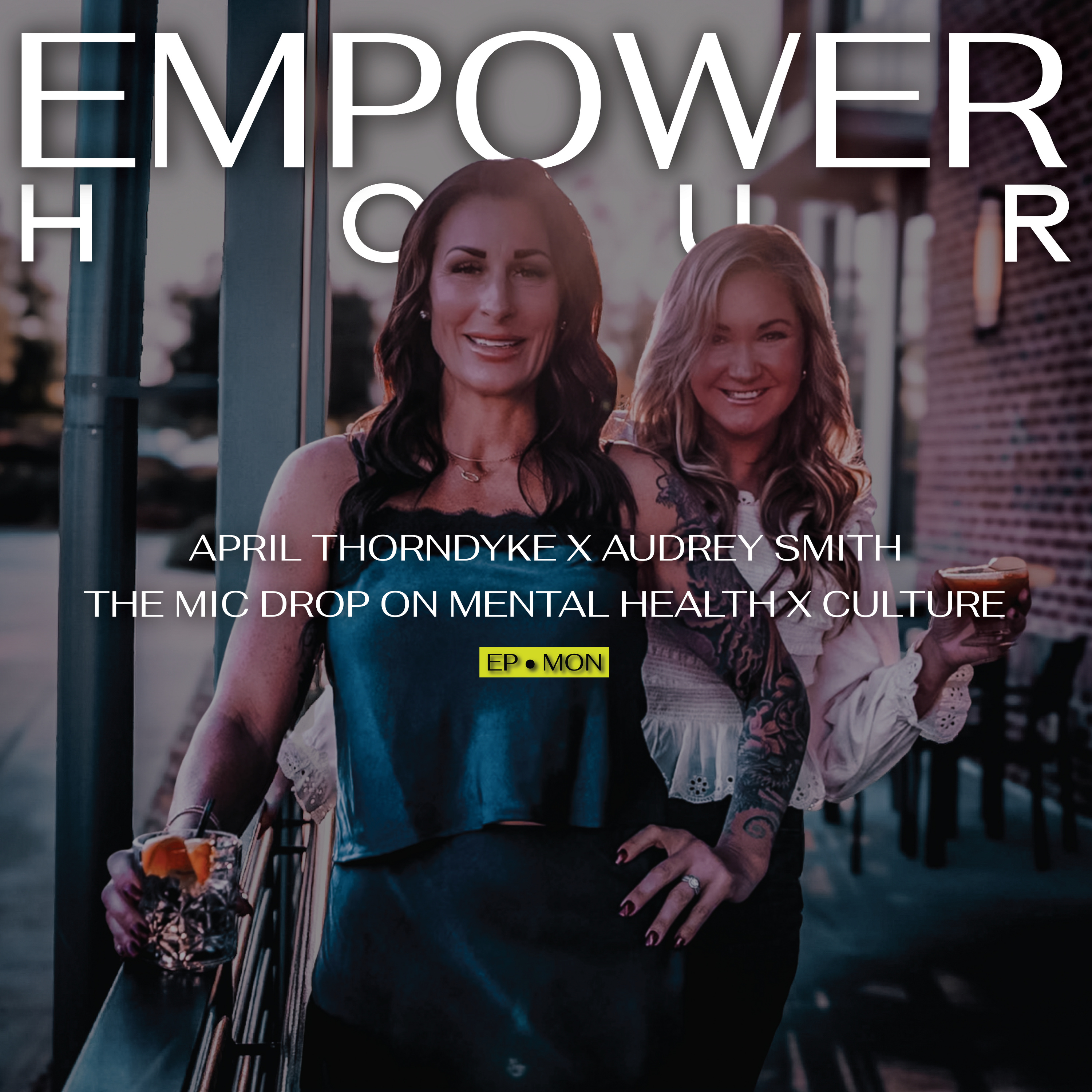
Empower Hour is your weekly dose of real talk, practical wisdom, and hope-filled conversations—hosted by therapist April and her friend Audrey, a down-to-earth cultural observer with a heart for truth. Together, they unpack life’s challenges with compassion, clarity, and a little humor too. Whether you’re navigating stress, relationships, parenting, or just trying to make sense of the chaos around you, you’ll leave every episode feeling seen, equipped, and empowered. No fluff. No preachiness. Just honest insights and encouragement you can actually use.
-
25
How to Raise Resilient Kids in Therapy-Speak Culture
Jess Gambill, LCSW and one of Empower Counseling’s Idaho counselors, is back on Empower Hour for a conversation that so many parents need right now.In this episode, April and Jess talk about the way words like trauma, triggered, abuse, and toxic have become everyday language, especially for kids and teens. While it is a good thing that this generation is more aware of mental health, there is also a growing problem: not every uncomfortable, upsetting, or disappointing experience is trauma.Jess shares from both her professional experience and her personal experience as a mom of twin boys, including what it feels like when a child calls a consequence “abuse” or threatens CPS because their phone was taken away. April and Jess talk honestly about how hard those moments can be for parents, why anger is a normal reaction, and how parents can respond with both empathy and clarity.This conversation is not about dismissing real trauma. It is about helping kids understand the difference between true abuse, traumatic experiences, big emotions, normal consequences, and everyday discomfort. When kids learn the difference, they become more emotionally intelligent, more resilient, and better prepared for real life. April and Jess discuss:What “big T trauma” actually meansWhy social media has changed the way kids talk about mental healthHow words like “triggered” and “abusive” can become shutdown phrasesWhy parents often feel stuck when they do not want to invalidate their child, but also know the label is not accurateThe difference between validating a child’s feelings and validating the wrong labelHow to respond when a child says, “You’re abusing me” over a normal consequenceWhy taking a pause can be better than reacting in angerHow asking “Walk me through how we got here” can help kids take ownershipWhy parents should be willing to ask, “What could I do better?”How uncomfortable moments can build resilience instead of fragilityWhy kids need accurate language so they can recognize real abuse when it happens
-
24
8 Truths That Might Change Your Life This Week
This episode is a little different…and one you’ll probably feel.No guest today. Just us diving into the hard truths people don’t always want to hear… but probably need to.We’re talking about:Why you might not actually be overwhelmed…just overcommittedHow your thoughts are shaping your reality (more than you think)The truth about motivation…and why waiting on it is holding you backWhy guilt doesn’t always mean you’re doing something wrongWhen to stop over-processing and just let things goThe difference between being liked vs. being respectedAnd why healing doesn’t always feel peacefulIf something hits, don’t just nod along. Do something with it this week.We’d love to hear what stood out to you! Message us or leave a review… it helps us reach more people and keep these conversations going.
-
23
The Communication Mistake Most People Don’t Know They’re Making
This week we sat down with Megan McCaleb, improv trainer, comedian, and award-winning author of Not My Plan — Sucking it in Until I Had to Push it Out. Megan teaches applied improv and humor to help people improve communication, handle conflict, manage anxiety, and become more confident in everyday life.In this episode, we talk about the powerful improv concept of “Yes, And,” suspending judgment, learning to stay present in hard moments, and how improv is being used with first responders, corporate teams, and everyday people to build connection and emotional resilience. If you’ve ever struggled with anxiety, pressure, communication, or fear of judgment, this episode will give you simple, practical tools you can start using immediately.
-
22
Train Your Body Without Abandoning Your Mind | Carlie Young
In this episode of Empower Hour, April and Audrey welcome Carlie Young, a holistic wellness mentor, Reiki Master Teacher, human design guide, and IFBB Figure Pro. Carlie is the founder of Heart and Core Training Studio in Boise, Idaho, where she blends strength training, nervous system regulation, and energy work to help women reconnect with their bodies and build sustainable wellness.The conversation explores the powerful mind–body connection, how trauma and burnout can show up in the body, and why movement, breathwork, and nervous system regulation are essential for healing. Carlie also shares insights about fascia, emotional release through movement, and how keeping small commitments to yourself can rebuild trust with your body.Carlie gives listeners a preview of Human Design, an energetic blueprint that helps people understand how they are uniquely wired to interact with the world.Learn more about Carlie:HeartandCoreTraining.comInstagram: @CarlieYoungFit | @heartandcoretraining
-
21
Mental Health & EMS: What First Responders Wish You Knew
Content Note:This episode contains discussion of suicide, self-harm, and mental health crises in the context of EMS work. Listener discretion is advised.In this episode of Empower Hour, April is joined by a special guest: her husband, Jeremy Thorndyke, a firefighter-paramedic with decades of experience in emergency services. Jeremy shares what it’s really like responding to emergencies and why mental health calls are becoming a growing part of EMS work. Together, April, Audrey, and Jeremy discuss the gap between mental health needs and the training EMS providers receive. Jeremy shares real stories from the field that highlight how misunderstandings around mental health can lead to unnecessary hospitalizations, broken trust in the system, and missed opportunities to help people in crisis.They also explore the difference between self-harm and suicidal intent, why specialized mobile crisis units can make a difference, and how first responders themselves are often carrying heavy emotional burdens from the work they do.This conversation offers an honest look at the challenges EMS professionals face and why better education, resources, and collaboration between mental health professionals and first responders are so important.If you or someone you know is struggling, remember that help is available. The 988 Suicide & Crisis Lifeline is available nationwide for anyone needing support.
-
20
Postpartum After Surrogacy: What No One Talks About
Postpartum is already misunderstood.But postpartum after surrogacy? Almost no one is talking about it.In this deeply personal and clinically informed episode, April shares her lived experience as a four-time gestational carrier who carried six babies for other families. She opens up about what really happens after the baby is born, the emotional complexity that follows, and why postpartum support for gestational carriers matters just as much as it does for biological mothers.This conversation is not anti-surrogacy. It is pro-honesty.Whether you are considering becoming a gestational carrier, know someone who has, or simply want to understand the psychological layers of postpartum more deeply, this episode brings compassion, clarity, and clinical insight to a topic that deserves more attention.Why traditional surrogacy is rarely practiced todayWhat “gestational carrier” really meansWhy language matters in this journeyIt is rarely about money aloneThe personality traits often seen clinicallyAltruism, competence, emotional regulation, and secure attachmentWhy psychological screening mattersWe also discuss how organizations like the American Society for Reproductive Medicine set standards for evaluation to ensure emotional readiness and ethical integrity in the process.April walks us through what happens in a psychological evaluation for gestational carriers:Attachment historyTrauma historySupport systemsMotivationAbility to set boundariesEmotional insight and resilienceThis process is not about passing or failing. It is about preparation, protection, and emotional clarity.After birth, the body does not know the baby is not coming home.We break down:The rapid estrogen and progesterone dropOxytocin shiftsLactation changesSleep deprivationThe emotional whiplash that can followGestational carriers may feel:Pride and grief at the same timeRelief and sadness simultaneouslyLoss of pregnancy, routine, or even relationship with intended parentsAnd often, once the baby is born, the attention disappears. Support fades. Life is expected to resume as normal.But postpartum is not just a moment. It can last 12 months or longer. Sometimes the deepest grief is not about the baby. It is about:Missing the pregnancyMissing the bond with intended parentsMissing the shared experienceThis emotional layer is rarely acknowledged, yet profoundly real. April encourages gestational carriers to plan not just for birth, but for recovery:Create a postpartum wellness planTake recovery time seriouslyConsider therapy supportPrepare an “elevator pitch” for curious questionsIdentify real, tangible supportPlan something meaningful for yourself after deliveryPostpartum deserves intention. Not just endurance.One word to describe postpartum as a carrier: Beautifully complicatedMost misunderstood part of surrogacy: Why women choose to do itAdvice to future carriers: You will love every minute of itCoffee or nap during recovery: NapSurrogacy is becoming more common. But postpartum mental health, especially for gestational carriers, remains overlooked .This episode brings empathy, expertise, and lived experience into a space that deserves thoughtful care.If this episode resonated with you:Share it with someone who needs to hear itLeave a reviewReach out to Empower Counseling for supportYou are not meant to navigate postpartum alone.And the things no one talks about?We will.
-
19
Beyond the Crime: What It Actually Takes to Change
Guest: Becca McKinneyRehabilitation is one of those words that makes people uncomfortable.When someone commits a crime, especially a serious one, can they actually change? Or do we just say that because it sounds compassionate?In this powerful episode, Becca McKinney joins us again to unpack the psychology behind real change. We move beyond politics and punishment and dive into the human brain, trauma, accountability, addiction, and what it truly takes for someone to rebuild their life.This conversation is honest, nuanced, and deeply compassionate.In This Episode We Discuss:• The biggest myths surrounding rehabilitation• Why change is layered and not a simple “12-step formula”• The difference between shame and true accountability• How trauma reshapes the brain and impacts decision-making• Why environment matters more than we think• The role therapy actually plays in transformation• Why willingness is the key ingredient in change• What prisons get wrong about rehabilitation• How other countries approach incarceration differently• What families can do to support someone reentering society• Signs that someone is truly rebuilding their life• Why consistency matters more than intensity• The grief that comes with leaving an old life behind• Why rebuilding feels boring… and why that’s actually part of healingWe also have one of our favorite rapid-fire segments at the end where we tackle questions like:• Nature vs nurture in criminal behavior• Remorse vs behavior• Is forgiveness necessary for healing?• Can trust be rebuilt after serious harm?• What’s more dangerous: untreated trauma or untreated pride?This episode reminds us that understanding does not equal excusing. But curiosity is always more powerful than condemnation.If you’ve ever wrestled with questions about justice, second chances, trauma, or accountability, this one is for you.You are not alone.⸻Connect with Becca:Follow Becca on TikTok: @wifemomandtherapist⸻If this episode encouraged you or challenged your thinking, please leave a review and share it with someone who needs a more compassionate lens on change. It helps this little show grow more than you know.
-
18
AI, Humanity, and the Cost We Aren't Talking About
In this episode of Empower Hour, April and Audrey sit down with a powerful new voice, Tavia Calhoun. As a college student, part of Gen Z, and a deeply thoughtful observer of culture, Tavia has been ringing the alarm bells on artificial intelligence and what it may be quietly costing us as humans.This is not an anti-technology conversation. It’s an intentional one.Together, we explore how AI is shaping education, mental health, creativity, work, and even our natural resources, often without people realizing the full impact. Tavia brings a refreshing and grounded perspective, challenging the assumption that faster and easier always means better.In this episode, we discuss: • The environmental cost of AI, including how massive data centers drain local water supplies • Why AI can be helpful but also dangerous in mental health spaces, especially without human judgment or reality-checking • The growing concern around AI replacing critical thinking in education, not just supporting it • How reliance on AI can erode confidence, creativity, and authentic voice • The ethical issues of AI entering art, music, and creative industries without transparency • Why boundaries, awareness, and intention matter more than total rejection • The difference between technology that supports development and technology that replaces itTavia also shares what it’s been like to be encouraged by a college professor to use AI for coursework, raising important questions about what learning is supposed to cultivate in the first place.At its core, this episode is about something simple and vital:Human connection, discernment, and responsibility still matter.Technology isn’t going away, but how we choose to engage with it will shape the future of our work, our creativity, our mental health, and our humanity.If this episode resonated with you, we would love to hear your thoughts. Reach out to us on Instagram, TikTok, Facebook, or through our website and join the conversation.
-
17
Holding Women Through Postpartum and Grief
In this powerful and deeply affirming episode of Empower Hour, April and Audrey welcome Tasha Cofer, a certified postpartum and bereavement doula, grief and life coach, and host of the Holding Women Through Grief podcast.Tasha brings wisdom, honesty, and tenderness to a conversation many women desperately need but rarely hear spoken aloud. Together, they explore the realities of postpartum life, grief in all its forms, and the vital importance of support, advocacy, and permission to heal at your own pace.💛 What You’ll Hear in This EpisodeWhat a Postpartum & Bereavement Doula Really DoesTasha explains the difference between birth doulas and postpartum doulas, and how bereavement doulas specifically support women through miscarriage, stillbirth, infant loss, and other forms of grief. Unlike traditional therapy settings, her work often begins in the home or even at the hospital, meeting women exactly where they are.Grief Is More Than Loss of a PersonGrief can come from miscarriage or infant loss, but it can also come from unmet expectations, traumatic births, NICU stays, breastfeeding struggles, body changes, or the loss of identity and independence after becoming a parent.Postpartum Depression vs. GriefTasha breaks down how grief, mourning, depression, and anxiety can overlap, and how to recognize when someone may need additional mental health support beyond grief care.The Pressure to “Bounce Back”The episode confronts the harmful societal expectations placed on postpartum women. Tasha shares why rest, not performance, is essential and why social media often adds pressure instead of support.Boundaries, Advocacy, and Saying the Hard ThingsFrom hospital rooms to family visits, women are often unsure how to speak up. Tasha explains how doulas can help advocate when women aren’t ready or able to do so themselves and why it’s okay to let someone else be the “bad guy.”Three Essential Postpartum Needs • Rest (not just sleep) • Self-care (beyond basic hygiene) • Connection and communityTrusting Yourself as a ParentTasha emphasizes the importance of trusting your instincts, asking questions, slowing providers down when needed, and avoiding the overwhelm of Google and social media rabbit holes.Honoring Loss and Creating Meaningful RemembranceFrom candles and prayer to memory bears and keepsakes, Tasha shares many ways families can honor babies and experiences they’ve lost, with no pressure to grieve “the right way.”What Loved Ones Should (and Shouldn’t) SayTasha introduces the powerful concept of WAIT: Why Am I Talking? and explains why silence, presence, and practical help often speak louder than words.Rapid Fire Wisdom • Every postpartum parent needs more grace • It’s time to ask for help when functioning and connection feel impossible • The smallest acts of care, like meals and chores, can make the biggest difference⸻📍 How to Find Tasha CoferTasha shares several ways to connect with her and her work: • Email: [email protected] • Podcast: Holding Women Through Grief (available on all major podcast platforms)
-
16
Therapy Myths Debunked: The Unfiltered Therapist Edition
In this honest, funny, and deeply validating episode of Empower Hour, April Thorndyke sits down with Jess Gambill, an LCSW at Empower Counseling’s Boise location, to tackle some of the most common myths people believe about therapy.This is not the polished, clinical version of therapy talk. This is the real, human, sometimes spicy truth about what therapy actually is, what it is not, and why so many misconceptions keep people from getting the support they deserve.Together, April and Jess break down the beliefs that create fear, shame, or unrealistic expectations around therapy and replace them with clarity, compassion, and common sense.⸻✨ What You’ll Hear in This Episode• Why therapists do not have their lives perfectly together• The truth about “therapy is just talking” and why that misses the point• Why therapists don’t tell you what to do (even when they want to)• Whether there’s a “right” way to act, talk, or show emotion in therapy• Why crying in therapy is not weakness, but progress• The myth that therapists have all the answers• Why one session (or a few) can’t magically fix everything• What it really means when therapy takes longer than expected• Whether therapists ever get emotional about their clients’ stories• Why therapy can’t fix your partner• The harmful belief that therapy is only for “broken” people⸻💬 Key Takeaways• Therapy is a relationship between two humans, not a hierarchy• Progress is not linear and cannot be rushed• The goal of therapy is insight, regulation, and growth, not perfection• You are allowed to give feedback, change therapists, and advocate for yourself• Therapy is for growth, maintenance, and support, not just crisisAs Jess beautifully puts it in this episode: “Broken crayons still color.”⸻👩⚕️ About Today’s GuestJess Gambill, LCSW is a Licensed Clinical Social Worker at Empower Counseling’s Boise location. She also serves as a Director of an Outpatient Group Therapy Program and specializes in bariatric assessments and telehealth counseling. Jess is known for her grounded, real-world approach and her ability to create safe, human therapeutic spaces.
-
15
Part 2 | You’re Not Broken, You’re Grieving
In this powerful continuation of our grief and loss conversation, Susan Boswell returns to Empower Hour to help listeners better understand what actually helps when grief feels overwhelming. This episode moves beyond platitudes and dives into practical, compassionate tools for coping, setting boundaries, and supporting both yourself and others through loss.April and Susan talk honestly about why grief is not something you “move on” from, but something you learn to walk with. They explore the importance of giving yourself permission to rest, release expectations, and adjust traditions that no longer serve you in this season. Grief is not linear, and there is no right timeline. Wherever you are is allowed.This episode also unpacks boundaries in grief. From protecting your time and space to learning how to say no without guilt, Susan explains why boundaries are not about pushing people away, but about caring for yourself when your emotional capacity is limited. You will also hear thoughtful guidance on how to identify what kind of support you actually need, even when you do not yet have the words for it.April and Susan discuss support systems and why support may not come from the people you expect. They talk about when professional support may be helpful, how community and faith can play a role in healing, and how to recognize when grief is impacting daily functioning.The conversation closes with practical guidance for those supporting someone who is grieving. What to say. What not to say. And why sometimes the most loving thing you can do is simply sit with someone and acknowledge that this really does hurt.This episode is for anyone grieving a person, a relationship, a season of life, or an identity they once held. You are not weak. You are not behind. You are human.In this episode, we discuss:Why grief is not something you fix or rushGiving yourself permission to change expectations and traditionsSetting boundaries around time, space, and emotional energyHow to identify what kind of support you needWhen professional support may be helpfulHow to support someone who is grieving with compassion and presenceWhat grief looks like in the body and why awareness mattersIf this episode resonated with you, consider sharing it with someone who may need it. Grief is something we all carry, and no one should have to carry it alone.
-
14
Teaching That Sticks: Creative Learning, Aging, and the Future of Social Work Education with Dr. Jill Chonody
What makes learning truly stick? In this episode of Empower Hour, April sits down with Dr. Jill Chonody, PhD, MSW, LCSW, Professor of Social Work at Boise State University, to explore what it looks like to engage students beyond lectures, slides, and rote memorization. From creative classroom activities and experiential learning to AI tools, podcasts, and empathy-building exercises, this conversation dives deep into how education shapes the next generation of social workers.Dr. Chonody shares the inspiration behind her newest book, Teaching Activities for Social Work, a collaborative handbook featuring creative pedagogical tools from educators across the globe. Together, April and Jill discuss why social work education must balance challenge with support, how meaningful learning experiences prepare students for real-world complexity, and why empathy, curiosity, and critical thinking matter now more than ever.This episode is a must-listen for educators, students, clinicians, and anyone passionate about learning that lasts.What You’ll Hear in This Episode:Why student engagement matters more than ever in today’s classroomsHow creative and experiential learning builds real clinical skillsUsing AI ethically and effectively as a teaching and practice toolBuilding empathy through storytelling and immersive activitiesTeaching social work in online and asynchronous environmentsThe importance of challenge, curiosity, and human connection in educationDr. Chonody’s global research on aging and ageismAbout Our Guest:Dr. Jill Chonody, PhD, MSW, LCSW is a Professor in the School of Social Work at Boise State University and a nationally and internationally recognized scholar. Her research focuses on aging, ageism, social justice, and innovative teaching practices. She has authored and co-authored over 80 peer-reviewed publications, presented her work around the world, and written multiple books, including her newest contribution, Teaching Activities for Social Work: Creative Pedagogies to Engage Students. Dr. Chonody has also served as a Fulbright Specialist, working with universities internationally to strengthen teaching and learning practices Why This Episode Matters:Education shapes practice. The way social workers are taught directly impacts how they show up for clients, communities, and systems. This conversation offers a hopeful, practical look at how learning environments can foster confidence, compassion, and competence in a rapidly changing world.Connect With Empower Hour:If this episode resonated with you, be sure to follow Empower Hour, leave a review, and share this conversation with someone who cares about education, mental health, or social impact.
-
13
You're Not Broken–You're Grieving
Grief is something we all experience, yet so many people feel confused or ashamed when they are in it. In this episode of Empower Hour, April sits down with Empower therapist Susan Boswell, LMSW, for an honest and grounding conversation about grief, loss, and why the holidays can make everything feel heavier.Susan helps break the myth that grief only applies to death. Loss can come from relationships, health changes, infertility, military moves, pets, dementia, addiction, identity shifts, and unrealized futures. Grief is complex, personal, and often misunderstood.Together, they discuss why the stages of grief are not linear, how emotions like anger, guilt, anxiety, and loneliness are normal, and why you can feel lonely even when surrounded by people. They also explore anticipatory grief, ambiguous loss, and the pressure many people feel to “show up” during the holidays when they are already emotionally exhausted.This episode is a reminder that there is no timeline for grief, no right way to feel, and no need to rush healing.You are not broken. You are grieving.
-
12
Training Your Brain Toward Gratitude
In this heartfelt and practical episode of Empower Hour, April and Audrey dive into the real meaning of gratitude and what it looks like to practice it when life feels overwhelming.Gratitude is often presented as something we should already be good at, yet many of us struggle with it, especially during seasons of grief, stress, or emotional exhaustion. April gently reminds listeners that this struggle does not mean anything is wrong with them. It simply means they are human. Our nervous systems are wired for survival, and when we are in survival mode, gratitude does not come naturally.Throughout the conversation, April explains the science behind gratitude and how it literally retrains the brain by building new neural pathways. When practiced consistently, gratitude shifts our focus from what is missing to what is already present, leading to healthier emotional patterns, more peaceful states of mind, and greater awareness of the people and experiences that support us.Audrey shares deeply personal stories, including walking through fear while awaiting medical answers for her son and how gratitude reshaped her perspective during that season. The discussion highlights how gratitude does not deny pain or hardship. Instead, it creates space for meaning, comfort, perspective, and emotional healing even in the midst of uncertainty.Listeners will learn simple, realistic gratitude practices that do not require perfection or hours of journaling. These include:Writing down just one to five things daily.Practicing gratitude verbally during daily routines like driving or cooking.Reflecting on meaningful memories that bring positive emotional connection.Acknowledging even basic necessities such as shelter, food, safety, and rest.Ending the day by focusing on positive inputs to support emotional wellness.April also shares how gratitude helps clarify boundaries. When we identify what brings us peace, support, and safety, we gain clearer awareness of what we want to protect emotionally and relationally. Gratitude becomes not only a mindset shift but also a tool for healthier relationship patterns and self-compassion.The episode closes with encouraging reminders that gratitude is a practice, not a personality trait. There is no “right way” to do it, no quota to meet, and no timeline to follow. Even small steps count. One thought of thankfulness, one grounding breath, or one meaningful conversation is a powerful beginning.If gratitude feels out of reach right now, you are not failing. Your nervous system is doing its job. Start where you are. That is enough.
-
11
The Loneliest Generation of Kids
Guest: Becca McKinney, TherapistTwo recent losses of 11-year-olds to suicide have shaken communities and left parents asking hard questions. What is happening with kids today? Why are anxiety, depression, and loneliness rising so fast? And what can parents and communities actually do to help?In this heavy but hope-filled episode, Audrey and April are joined by beloved guest and child therapist Becca McKinney, who works in private practice and nonprofit settings with children and families in Alabama. Together, they unpack what’s fueling the current youth mental health crisis and offer practical, grounded ways to move toward healing and connection.In this conversation, we discuss:• The powerful role loneliness plays in childhood anxiety and depression• How COVID disrupted social and emotional development• Social media’s impact on comparison, isolation, and emotional regulation• Why connection and “bids for connection” from kids matter more than we realize• The difference between permissive, authoritarian, and authoritative parenting• Why kids need both boundaries and emotional validation• How over-fixing or rescuing can unintentionally weaken resilience• The importance of modeling healthy emotional expression for our children• What Dialectical Behavior Therapy (DBT) teaches kids about mindfulness, distress tolerance, and emotional regulation• Misunderstandings around diagnosing kids and how labels should empower, not limit• ADHD, trauma overlap, and challenges within the school system• Why parent involvement is essential in child therapy and healing• The truth about school counselors vs. licensed therapists• What teachers are seeing and why schools need more mental health partnerships• The protective power of routines like shared meals or intentional daily connection• Simple strategies parents can implement today to strengthen emotional safety at homeRapid-Fire Parent & Teen Takeaways:• Teens need to hear: “You are seen, you are heard, you are believed, and you are not alone.”• One of the strongest protective tools for kids is consistent connection• Breathing skills like Cake Breathing help regulate the nervous system• Play is not optional. It is essential for development and healthy attachment• Boundaries keep kids emotionally safe when paired with compassionThis episode brings clarity, validation, and actionable wisdom to an issue that touches so many families. If you have a child, teen, work with youth, or simply want to better understand what kids today are facing, this is a must-listen.Guest TikTok:Follow Becca here for parenting and mental health insightsTikTok Username: wifemomandtherapist
-
10
When a Married Person Catches Feelings
In today’s episode, April and Audrey dive into the messy, honest, real side of marriage.What happens when a married person develops a spark or crush on someone else? Why does it happen, and what does it mean for the relationship? This conversation unpacks temptation, emotional drift, boundaries, and the practical ways couples can stay connected without shame or fear.⸻What We Talk About1. The Reality of Attraction• Why it’s normal to notice other people and feel a spark• Why attraction alone is not betrayal• How work environments create natural connection• Why shame makes this harder instead of healthier2. The Truth About Boundaries• Boundaries as guardrails that keep you safe, not restrictions• How to set simple, everyday boundaries without making things weird• Examples of wise boundaries with coworkers, phones, texting, or time alone at work• Why boundaries protect freedom and peace of mind3. Should You Tell Your Spouse About a Crush?• When transparency is wise• When it causes unnecessary hurt• How past trust issues or infidelity change the conversation• What to share with your spouse that is actually helpful4. Emotional Drift in Marriage• Why even loving couples slowly drift apart• How distance grows quietly through routine, stress, kids, deployment, or exhaustion• The truth that love and emotional closeness are not the same• Why this drift is reversible with intention5. Feeling Alive Again• Why people feel “alive” around someone new• How to put that energy back into your marriage• How to rebuild closeness with small daily habits• Why the spark of early dating is biological and fades for everyone6. Practical Ways to Reconnect• Bringing back the tiny things you used to do for each other• Flirting again• Sticky notes, breakfast, thoughtful texts• Going on real dates and treating them like you did in the beginning• Shared activities that build closeness, not pressure7. Are Most Affairs Emotional Escapes?• How unmet emotional needs can create vulnerability• When harmless connection becomes attachment• Why some people fall without even realizing they drifted• How to protect your marriage without paranoia8. What Boundaries Really Look Like• Emotional boundaries• Time boundaries• Phone boundaries• Personal grounding habits• How to check where your life feels chaotic or drained, and set guardrails there9. Feelings Aren’t Fatal• Why emotions come in waves and pass• April’s “ride the wave” technique• Learning to sit with feelings so they don’t control you• Why self-awareness creates freedom10. Trust Check-Ins• What a trust check-in actually is• How some couples already do it without realizing• How to make it a natural rhythm• How a therapist can help you build this without fear👍🏼♥️👍🏼If this episode encouraged you, please leave us a like, share, or review so it can reach even more people.You can send us your questions on TikTok, Instagram, Facebook, or our website. We love hearing from you and sharing this space with you.
-
9
How to Handle Toxic Family Dynamics — Holiday Edition
The holidays can bring joy, but they can also stir up anxiety, old wounds, and the dread of dealing with toxic or unpredictable behaviors. In today’s episode, April and Audrey walk through a practical, grace-filled guide to help you prepare, protect your peace, and support your kids.Below are April’s main tips from the episode.⸻Tip 1: Plan AheadPrime your mindset before you ever walk through the door. Your thoughts set the tone. Instead of thinking “I hope this goes well,” shift to statements that give you the power.• Choose intentional language• Practice positive self-talk• Decide ahead of time what success looks like for you• Prepare a calming phrase or mantra for tough momentsExample:“There will be good moments for me today, and I’ll focus on those.”⸻Tip 2: Check Your Emotional CapacityBefore the holiday season hits, ask yourself:• What season of life am I in?• Am I emotionally drained or stretched thin?• What can I realistically handle?You don’t have to attend every event. You’re allowed to protect your energy. Give yourself grace if you simply cannot show up the same way you have in previous years.⸻Tip 3: Set Boundaries as Maintenance, Not PunishmentBoundaries are like guardrails. You hope you won’t need them, but they’re there to keep you safe.A few reminders:• Boundaries are for your peace• Guilt will show up, but that doesn’t mean your boundary is wrong• You can acknowledge someone without answering intrusive questions• Prepare for the comments you already know are comingExample:“When are you going to have kids?”Reply with: “I’m really enjoying my life right now.”You answered kindly… without actually answering.⸻Tip 4: Protect Your Kids ThoughtfullyYou can’t shield kids from every awkward or unkind moment, but you can prepare them.• Explain certain relatives’ behaviors with age-appropriate context• Teach them: “It’s not okay for anyone to talk to you like that”• Decide which comments require intervention and which don’t• Prep ahead for family members who may use harmful language about bodies, weight, or appearance• Role-model healthy boundariesYour kids learn how to handle difficult people by watching how you handle them.⸻Tip 5: Choose Your Battles and Your SeatStrategic placement matters.• Sit near the people who feel safe• Stay within eyesight of an ally• Avoid corners where you could get “stuck” in a conversation• Give yourself permission to take breaks and step awayNot every comment needs a confrontation. Wisdom is knowing the difference.⸻Tip 6: Have an Exit PlanThis is emotional safety, not drama.• Identify your “escape hatch” ahead of time• Create a neutral excuse you can use anytime• Ask a trusted family member to “tap you out” if you look overwhelmedExamples:“I need to run to the bathroom real quick.”“The kids are getting tired. I think we’re going to slip out.”Simple and effective.⸻Tip 7: Prepare for Old Family RolesEvery family has patterns. When you walk back into your childhood home, it’s easy to slide right into an old identity.• Are you the peacekeeper?• The mediator?• The one who absorbs everyone else’s emotions?Reflect on last year’s gatherings:• What role did you fall into?• Did it drain you?• What boundary or script would help you choose a different role this year?Write out your scripts and practice them before you go. Priming your brain makes it easier to use those skills in the moment.⸻Tip 8: Post-Event RecoveryYou’re allowed to decompress afterward.• Vent to your spouse, best friend, or therapist• Set a limit on venting so you don’t sink into rumination• Give yourself a small ritual after tough gatherings• Celebrate what you did well• Reflect on what you want to change next timeIf today’s episode encouraged you, we’d love for you to follow the show and leave a quick review. It helps other families find Empower Hour, and you never know who might need these tools this holiday season.
-
8
The Heart of Postpartum: Healing, Support, and the Beauty of Birth with Doula Jamie Scearcy
Our favorite doula is back! In this heartfelt follow-up episode, April sits down again with Jamie Scearcy, a Boise-based doula and birth advocate, to continue an open and honest conversation about the realities of birth, postpartum, and the sacred work of supporting new families.Together, they explore what real postpartum care looks like—beyond the hospital stay. Jamie shares how she helps new parents navigate sleepless nights, shifting roles, and emotional healing while offering gentle, practical support in their homes. The conversation moves deeper into topics like birth trauma, grief, and loss, the importance of affirming new moms, and how our culture’s view of birth and death has changed over generations.From managing baby blues to setting healthy boundaries with visitors, this episode is a must-listen for anyone preparing for birth or walking with someone through those early days of parenthood.⸻Key Topics:What postpartum doula care really involves (and why it matters)Why sleep is a mom’s #1 line of defense for mental healthSetting healthy boundaries and expectations for family visitorsRecognizing and processing birth trauma with compassionHow partners can stay connected through exhaustion and changeThe sacred side of grief, loss, and bereavement supportHow our culture lost (and can rediscover) a more holistic view of birth⸻Guest:Jamie Scearcy — Doula, birth advocate, and photographer in Boise, Idaho, who offers both birth and postpartum support for families. Jamie brings deep empathy, practical help, and a belief that families deserve to be cared for through every part of the journey.⸻Call to Action:If today’s episode encouraged or helped you, please rate, review, and share Empower Hour so more parents can find the support they need.🎧 New episodes every Monday on Spotify, Apple Podcasts, and Amazon Music!
-
7
Finding Strength in Birth: With Doula Jamie Scearcy
In this heartfelt first half of our two-part series, April and Audrey sit down with DONA trained doula, Jamie Scearcy, to talk about what real support looks like during pregnancy and birth. Jamie opens up about her own experiences as a military spouse, how her challenging first birth led her to discover doula work, and why education and emotional support can completely transform a birth experience.Together, they unpack how military families face unique challenges, how doulas help couples feel seen and confident, and why “the pause” during labor might be one of the most powerful advocacy tools of all.This episode is full of warmth, wisdom, and empowerment for every expectant mom, partner, or professional who wants to understand birth as more than a medical event—it’s an opportunity for strength, connection, and healing.⸻Key Takeaways• Doulas change everything. A doula’s presence can shift birth from fear and uncertainty to empowerment and peace.• Military families need extra support. Frequent moves, deployments, and distance from loved ones make the role of a doula even more vital.• The power of the pause. Creating a moment for parents to breathe and decide what they want during labor builds confidence and choice.• Partners matter. Doulas don’t replace dads or partners—they help them step in with confidence and compassion.• Birth is a mirror. It reveals strength we didn’t know we had, setting the tone for how we’ll approach motherhood.⸻Favorite Quotes“You are so much stronger than you even know. Birth will take you to a place you didn’t know you could get through.” – Jamie Scearcy“Sometimes just pausing gives a mom the chance to say, ‘No, I don’t want that,’ or ‘Let me think about it.’ That moment of choice is everything.” – Jamie Scearcy“Birth is the foundation for empowerment—it’s the first reminder that you can do hard things.” – April Thorndyke⸻Listen & SubscribeNew episodes of Empower Hour release every Monday on Spotify, Apple Podcasts, and Amazon Music.Don’t forget to follow, rate, and review—it helps other listeners find the show and join our growing community.⸻Connect with Our GuestJamie Scearcy DONA Trained Doula | Military Spouse | EducatorCheck out her Facebook, Nurturing Birth Doula and Photography, here! ⸻Closing EncouragementTo every parent, parent-to-be, and caregiver listening:You are strong. You are capable. You are worthy of support.We’re cheering you on as you write your own empowered story.Stay tuned for Part 2, where we’ll explore the emotional and mental sides of birth, postpartum healing, and the cultural expectations surrounding motherhood.
-
6
Beyond “Breast Is Best”: Real Talk on Postpartum, Breastfeeding, and Mental Health
Guest: Candace Green, IBCLC, PMH-CHost: April Thorndyke with co-host Audrey Smith🔊 Episode SummaryThis week, April and Audrey sit down with Candace Green, an International Board Certified Lactation Consultant and Perinatal Mental Health Specialist from Augusta, Georgia.Candace shares her personal breastfeeding story, the emotional challenges new moms face, and how her faith drives her mission to support mothers through postpartum recovery and feeding struggles.Together, the trio dives into what happens when “breast is best” becomes a pressure instead of a choice, the role of trauma in breastfeeding, and how compassion and understanding can change the entire postpartum experience.⸻💬 Favorite Quotes“Breastfeeding is not all or nothing. Combo feeding is breastfeeding. Pumping is breastfeeding.” — Candace Green“We are so much more than just the role of mother. Before we were mothers, we were women.” — April Thorndyke“Nipple pain has no nine-to-five hours. The pressure’s off — you’re supported no matter what.” — Candace Green⸻👩⚕️ About Our GuestCandace Green is an International Board Certified Lactation Consultant and Perinatal Mental Health Specialist serving Georgia and South Carolina. Through her practice, My Mama Mentor, she provides trauma-informed, compassionate lactation and postpartum care.Candace combines clinical knowledge with deep empathy — helping women navigate feeding challenges, trauma, and mental health through a lens of faith and hope.⸻🔗 Connect with Candace🌐 https://www.mymamamentor.com📱 Facebook (https://www.facebook.com/mymama/mentor/)📸 Instagram: @mymamamentor (https://www.instagram.com/mymamamentor)🎵 TikTok: @MyMamaMentor (https://www.tiktok.com/@mymamamentor)⸻🎙️ Connect👉 Listen to past episodes and learn more about Empower Counseling at https://www.empowercounselingservice.com👉 TikTok: @empower.counseling 👉 Instagram: @empowercounselingpllc👉 Facebook: @Empower Counseling PLLC🪶 Resources Mentioned • Postpartum Support International (https://www.postpartum.net) • Hands On Physio with Dr. Abby Laycock (Pelvic Floor Therapy) • Blue Cross Blue Shield coverage for lactation services (verify preventive codes)⸻💛 Final TakeawayMotherhood isn’t all or nothing. You can love your baby, care for yourself, and still be figuring it out. You’re doing better than you think.
-
5
When Self-Criticism Becomes Your Default
Why is it so hard to be kind to ourselves? In this episode, April Thorndyke, therapist and founder of Empower Counseling, and Audrey Smith, co-host and creative director, unpack what it really means to practice self-compassion. You’ll learn the three parts of self-compassion — self-kindness, common humanity, and mindfulness — and how to apply them in everyday life.From childhood patterns to gender expectations and the myth of perfection, this is one of the most practical and heartfelt conversations yet.💡 Key TakeawaysSelf-compassion has three essential parts:Self-kindness — speaking to yourself the way you’d speak to a friend.Common humanity — remembering that everyone struggles and you’re not alone.Mindfulness — staying present and non-judgmental in the moment.You don’t have to “earn” compassion — you deserve it because you’re human.“You’re not broken; you’re uncovering yourself.”Mindfulness isn’t just meditation — it’s about awareness. Try mindful eating, walking, or breathing.Responding is different from reacting: pause, breathe, and STOP (Stop, Take a step back, Observe, Proceed mindfully).Language matters: replace “I am broken” with “I am learning,” and “I can’t” with “I’m growing.”Self-compassion in daily life looks like rest, realistic routines, boundaries, and being kind to your own inner dialogue.⸻🧠 Mentioned in This EpisodeDr. Kristin Neff — Researcher and pioneer in self-compassion.Guided meditations and exercises available on her site:https://self-compassion.orgDialectical Behavior Therapy (DBT) — concepts like radical acceptance and STOP skill.Learn more: NAMI on DBT (https://www.nami.org/About-Mental-Illness/Treatments/Dialectical-Behavior-Therapy-(DBT))Heidi Powell — fitness and mindset coach who coined “perfectly imperfect.”Heidi Powell Official Site: https://www.heidipowell.net⸻🪞 Practice This WeekWrite down three negative thoughts you tell yourself.Reframe each one as you would for a close friend.Choose one daily habit (walk, shower, drive) and practice mindful awareness — no judgment, no distraction.Ask yourself each night: “Did I speak to myself like someone I love today?”⸻💬 Favorite Quotes“You’re not broken. You don’t need to be fixed. You’re uncovering who you already are.”“If I’m in the moment and judge myself, I go right back to the opposite of self-compassion.”“Self-compassion is not a weakness — it’s everything.”⸻🐾 Behind the MicBonus co-hosts this week: April’s Boston Terriers and a couple of rescue pups who insisted on sharing their thoughts during mindfulness practice.⸻🎙️ Connect👉 Listen to past episodes and learn more about Empower Counseling at https://www.empowercounselingservice.com👉 TikTok: @empower.counseling 👉 Instagram: @empowercounselingpllc👉 Facebook: @Empower Counseling PLLC👉 Share your thoughts with us: What’s one way you’re showing yourself compassion this week?
-
4
Listen to Your Gut: What Your Body’s Been Trying to Tell You”
Hosted by: April ThorndykeGuest: Dasha Hardin, Registered DietitianWhat if your gut could talk to your brain? Turns out—it does. In this episode, therapist and Empower Counseling founder April Thorndyke sits down with Registered Dietitian Dasha Hardin to explore the fascinating gut-brain connection. From bloating and mood swings to stress and serotonin, Dasha explains how what happens in your digestive system directly influences your mental and emotional wellbeing.Listeners will walk away with a clear understanding of what “gut health” really means, the red flags to look for, and small realistic ways to nourish both body and mind—without falling into the trap of health obsession.⸻What You’ll LearnThe gut-brain connection: Why your digestive system is often called your “second brain.”The science behind gut health: How nerves, hormones, and neurotransmitters link your gut and mood.Early warning signs: Bloating, fatigue, brain fog, anxiety, irregular bowel movements, and more.Stress and digestion: Why eating on the go or under pressure can actually slow your digestion.Simple resets: How deep breathing and mindful eating can signal safety to your body and improve gut function.Body image and emotional health: How chronic gut issues affect confidence, relationships, and social life.Real self-care: Why joy, laughter, and connection are powerful medicine for your gut.⸻Rapid-Fire with Dasha☕ Coffee or Kombucha? Coffee—no guilt!🍎 Go-to gut-friendly snack: Fruits and veggies (“throw an apple in your purse!”)🚫 Food trend to ditch: The carnivore diet (“I just want to know how they’re pooping.”)🌍 Dream trip: A foodie tour over a yoga retreat💧 Gut-health wisdom: “Drink your water and just worry about yourself.”🍫 Comfort food: Anything chocolate😬 Gut check moment: “When my kids do something wild that could get them killed.”⸻Connect with Dasha HardinInstagram: @wellnessisbroad (https://www.instagram.com/wellnessisbroad)Facebook: Broad Wellness Group (https://www.facebook.com/share/19FsoVcnBJ/?mibextid=wwXIfr)Website: https://broadwellnessgroup.com⸻Key TakeawayYour gut health is a reflection of how you treat your whole self—physically, emotionally, and mentally. Slow down, breathe before meals, drink your water, and find joy in the small things. True wellness starts when you listen to your body.Connect with Empower HourInstagram: @empowercounselingpllchttps://www.instagram.com/empowercounselingpllc/Facebook: Empower Counseling PLLC https://www.facebook.com/EmpowerCounselingPLLCTikTok: empower.counseling https://www.tiktok.com/@empower.counselingWebsite: https://www.empowercounselingservice.com
-
3
Living Authentically: Aligning with Your True Values
In this heartfelt and empowering episode, April and Audrey dive into what it really means to live authentically — beyond trends, approval, and social pressure. From childhood conditioning to social media comparison, they explore how our values shape our choices, self-esteem, and connection with others. Together, they break down practical tools for discovering your core values, setting boundaries, and practicing self-awareness.You’ll hear real, unfiltered stories, plus thoughtful insight from therapy and everyday life.⸻🧠 Key Topics• What it means to live authentically– “When you trade your authenticity for approval, you end up with neither.” — Brené Brown (source (https://brenebrown.com))– How authenticity ties directly to your core values• Discovering your values– April’s favorite Values Exercise from Brené Brown’s free list (https://brenebrown.com/resources/living-into-our-values/)– Defining what each value means to you– How to tell if a “value” is truly yours or just learned from approval, culture, or family• Living for approval vs. living with purpose– The social media trap of comparison and perfection– How to pause and ask: “Am I doing this for approval, or because it’s authentic to me?”• From self-awareness to self-acceptance– The difference between intrinsic and extrinsic happiness– Journaling (or sticky notes!) as a tool for authentic reflection– “The paper doesn’t need your approval.”• Radical acceptance– From Dialectical Behavioral Therapy (DBT): accepting reality without condoning it– You can’t change the past — but you can choose peace in the present moment• Boundaries and courage– Boundaries as tools for peace, not punishment– “Practice it till it’s permanent.” (A listener favorite quote shared by a veteran from April’s VA group)• The importance of connection and belonging– Authentic parenting in a digital age– The link between loneliness and suicide risk– Why authenticity in one person creates a ripple effect for others⸻💡 Practical Tools & Takeaways 1. Do the Values Exercise • Download Brené Brown’s Values List: Click Here! • Circle your top 15 → narrow down to 2–5 core values • Define what each value means in your own life 2. Journal or reflect freely • Use sticky notes, your phone, or voice memos — the goal is awareness, not perfection. 3. Act it till you become it → Practice it till it’s permanent • Authentic living takes time, repetition, and grace. 4. Radical Acceptance Reminder • “Pain is inevitable. Suffering is optional.” • You don’t have to like what happened to accept that it did.⸻🧭 Challenge of the Week✨ Notice one moment where you hide your true self. Then ask: “What would authenticity look like instead?”Do this with no judgment — no editing, no approval needed.⸻🕊️ Mentioned & Recommended Resources • Brené Brown’s work: Website + Values List: Click Here! • Jay Shetty Podcast: On living your purpose: Click Here! • Simon Sinek: Start With Why: Click Here! • Maslow’s Hierarchy of Needs: Click Here! • Dialectical Behavioral Therapy (DBT) Overview | Psychology Today: Click Here! ⸻💛 Connect with Empower CounselingLearn more about therapy and counseling services at: https://www.empowercounselingservice.comFollow on social media:TikTok: https://www.tiktok.com/@empower.counseling Instagram: https://www.instagram.com/empowercounselingpllc/Facebook: https://www.facebook.com/EmpowerCounselingPLLC
-
2
Burnout 101: Spot It, Stop It, Survive It
Burnout isn’t just “being tired.” It’s emotional, physical, and mental exhaustion caused by prolonged or excessive stress. In this episode, April and Audrey dig deep into what burnout actually looks like, how to recognize the signs, and how to begin moving toward healing.From the “honeymoon phase” of overdrive, to chronic stress, to full-on burnout and even habitual burnout, they break down the stages and share their own personal stories of pushing past the edge. If you’ve ever felt stuck, overwhelmed, or running on fumes—you are not alone.Key Topics Covered • What burnout is (and isn’t): Understanding emotional exhaustion, depersonalization, and reduced effectiveness. • Red flags: Why snapping at loved ones or losing interest in hobbies can be hidden signals of burnout. • The phases of burnout: From honeymoon energy → onset → chronic stress → burnout → habitual burnout. • Practical coping tools: • Building self-awareness before walking in the door after work • Using sensory grounding (music, scents, fresh air) • Post-it notes and visualization as daily resets • Taking realistic, baby-step changes instead of “all or nothing”What We Promised to Share • Maslach Burnout Inventory (MBI): A widely used, evidence-based tool to help you measure where you are with burnout. You can find free versions online—just search for Maslach Burnout Inventory. Answering the questions can give you clarity about whether what you’re experiencing is stress or burnout. • Practical Takeaway: Choose one small step to try this week (like taking a short walk, calling a friend, or even one hike). Simple, consistent steps matter more than dramatic, unsustainable ones.Why This MattersBurnout impacts more than just your productivity—it affects your family, your relationships, and even your sense of self-worth. April and Audrey talk openly about real-life moments of snapping, shutting down, or feeling like a failure, and how those moments became signals to stop, notice, and reset.You’ll also hear why communication with loved ones is vital, how introverts and extroverts recharge differently, and why social support is one of the strongest antidotes to burnout.Rapid-Fire Insights • Coffee or nap? → Coffee. • Hustle culture: friend or enemy? → Enemy. • Is burnout more common today? → Yes, especially in a “work till you drop” culture. • Social media: help or hurt? → Both. It depends on whether it inspires or drains you. • Burnout from work or relationships? → Work, for most people.Final EncouragementIf you’ve ever felt like you’re running on empty, you’re not alone—and you don’t have to stay there. Burnout doesn’t have to define you. With small, mindful steps and the right support, you can find clarity, calm, and restoration again.⸻Connect with us: TikTok | Instagram | Facebook | Website💬 Have a topic you’d love for us to cover? Send us your ideas—we’d love to hear from you!👉 If today’s episode helped you breathe a little easier, please like, subscribe, and share it with a friend who needs this too.
-
1
“Is Therapy Always the Answer?”
Welcome to the very first episode of The Empower Hour! Hosts April (therapist & practice owner) and Audrey (neighbor, friend, and social media creative) open the door to honest, down-to-earth conversations about mental health, women’s health, and the messy realities of life.⸻What You’ll Hear in This Episode • Why this podcast exists – April shares her passion for making therapy tools accessible beyond the counseling room. • Women’s health & the mind-body connection – From vaginismus to perimenopause, the hosts unpack struggles that are too often overlooked and misunderstood. • Is therapy always the answer? – Breaking down the stigma, the importance of “fit,” and why therapy is more about building tools and safety than fixing your circumstances. • Hot take: Cutting off toxic family members – Using a real Reddit post, April explains boundaries, radical acceptance, and protecting your peace when relationships are complicated. • Rapid-fire fun – April shares the job she’d want if she weren’t a therapist, a trend she secretly enjoyed, and her all-time favorite song.⸻Key Takeaways • Therapy isn’t about someone else changing your life—it’s about learning new ways to face your circumstances. • Women’s health deserves better research, better conversations, and better support. • If a family member won’t change, you may need to focus on acceptance, boundaries, and protecting your own energy. • Tough conversations feel easier when you prepare and practice.⸻Connect With UsWe hope you feel like you’re sitting down with two real, goofy friends who want to leave you with encouragement and practical tools. If you enjoyed this first episode, please follow the podcast and leave a quick review—it helps more people find encouragement and real talk just like this.TikTokFacebookInstagram Website
No matches for "" in this podcast's transcripts.
No topics indexed yet for this podcast.
Loading reviews...
ABOUT THIS SHOW
Empower Hour is your weekly dose of real talk, practical wisdom, and hope-filled conversations—hosted by therapist April and her friend Audrey, a down-to-earth cultural observer with a heart for truth. Together, they unpack life’s challenges with compassion, clarity, and a little humor too. Whether you’re navigating stress, relationships, parenting, or just trying to make sense of the chaos around you, you’ll leave every episode feeling seen, equipped, and empowered. No fluff. No preachiness. Just honest insights and encouragement you can actually use.
HOSTED BY
Empower Hour
Loading similar podcasts...
URL copied to clipboard!