
PODCAST · history
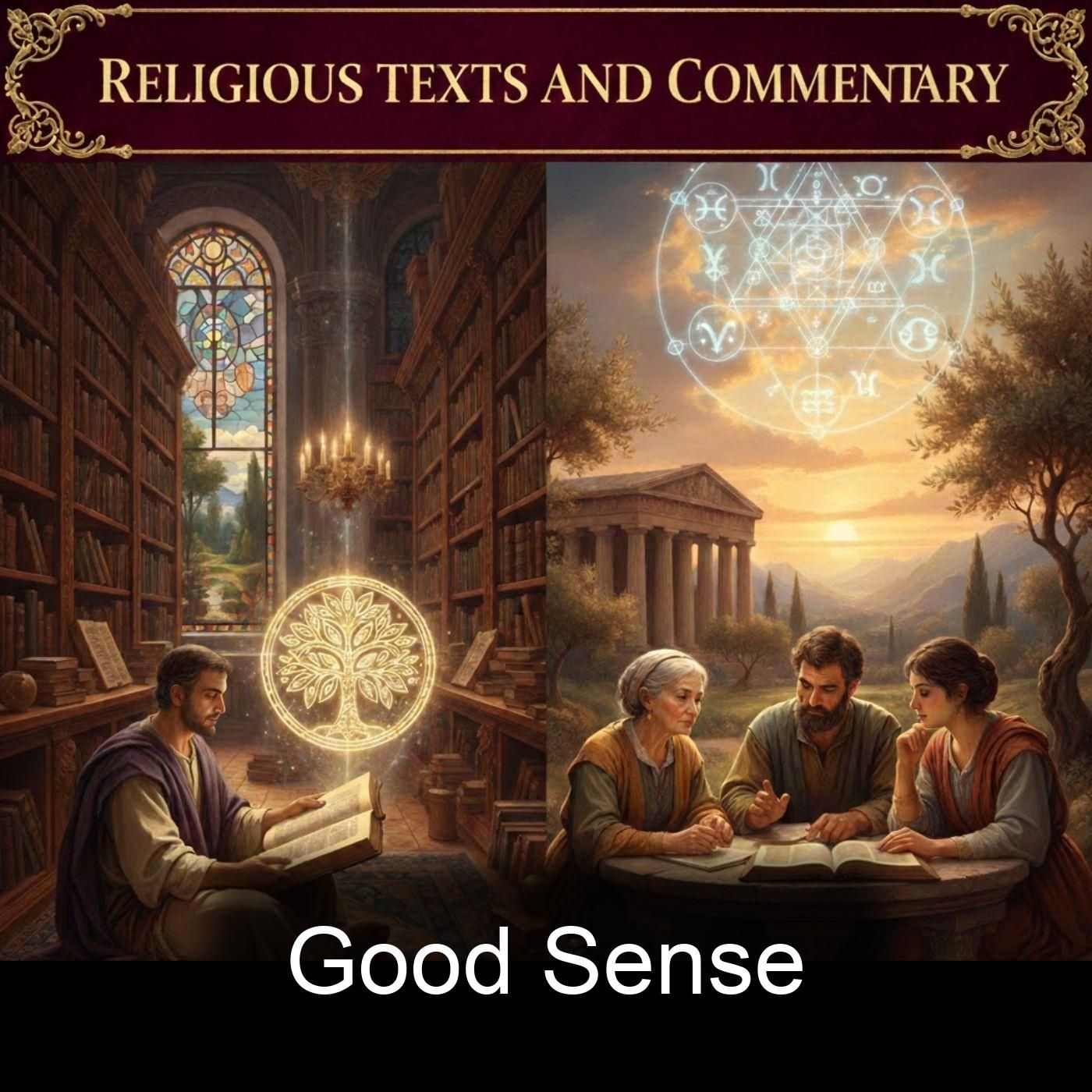
Good Sense
by Paul Henri Thiry, Baron d'Holbach
In 1770, Baron DHolbach unveiled his groundbreaking work, Systeme de la Nature, which was long misattributed to M. de Mirabaud. This influential text on Atheistical Philosophy ignited considerable debate, leading to the Barons release of an insightful abridgment in 1772. Stripped of arbitrary notions and characterized by its clarity, accessibility, and precision, this edition is designed for the everyday reader. This version is based on an undated English translation of Le Bon Sens, published around 1900, with no credit given to the translator. (Summary from editors preface)
-
21
021 - Section 20
In 1770, Baron DHolbach unveiled his groundbreaking work, Systeme de la Nature, which was long misattributed to M. de Mirabaud. This influential text on Atheistical Philosophy ignited considerable debate, leading to the Barons release of an insightful abridgment in 1772. Stripped of arbitrary notions and characterized by its clarity, accessibility, and precision, this edition is designed for the everyday reader. This version is based on an undated English translation of Le Bon Sens, published around 1900, with no credit given to the translator. (Summary from editors preface)
-
20
020 - Section 19
In 1770, Baron DHolbach unveiled his groundbreaking work, Systeme de la Nature, which was long misattributed to M. de Mirabaud. This influential text on Atheistical Philosophy ignited considerable debate, leading to the Barons release of an insightful abridgment in 1772. Stripped of arbitrary notions and characterized by its clarity, accessibility, and precision, this edition is designed for the everyday reader. This version is based on an undated English translation of Le Bon Sens, published around 1900, with no credit given to the translator. (Summary from editors preface)
-
19
019 - Section 18
In 1770, Baron DHolbach unveiled his groundbreaking work, Systeme de la Nature, which was long misattributed to M. de Mirabaud. This influential text on Atheistical Philosophy ignited considerable debate, leading to the Barons release of an insightful abridgment in 1772. Stripped of arbitrary notions and characterized by its clarity, accessibility, and precision, this edition is designed for the everyday reader. This version is based on an undated English translation of Le Bon Sens, published around 1900, with no credit given to the translator. (Summary from editors preface)
-
18
018 - Section 17
In 1770, Baron DHolbach unveiled his groundbreaking work, Systeme de la Nature, which was long misattributed to M. de Mirabaud. This influential text on Atheistical Philosophy ignited considerable debate, leading to the Barons release of an insightful abridgment in 1772. Stripped of arbitrary notions and characterized by its clarity, accessibility, and precision, this edition is designed for the everyday reader. This version is based on an undated English translation of Le Bon Sens, published around 1900, with no credit given to the translator. (Summary from editors preface)
-
17
017 - Section 16
In 1770, Baron DHolbach unveiled his groundbreaking work, Systeme de la Nature, which was long misattributed to M. de Mirabaud. This influential text on Atheistical Philosophy ignited considerable debate, leading to the Barons release of an insightful abridgment in 1772. Stripped of arbitrary notions and characterized by its clarity, accessibility, and precision, this edition is designed for the everyday reader. This version is based on an undated English translation of Le Bon Sens, published around 1900, with no credit given to the translator. (Summary from editors preface)
-
16
016 - Section 15
In 1770, Baron DHolbach unveiled his groundbreaking work, Systeme de la Nature, which was long misattributed to M. de Mirabaud. This influential text on Atheistical Philosophy ignited considerable debate, leading to the Barons release of an insightful abridgment in 1772. Stripped of arbitrary notions and characterized by its clarity, accessibility, and precision, this edition is designed for the everyday reader. This version is based on an undated English translation of Le Bon Sens, published around 1900, with no credit given to the translator. (Summary from editors preface)
-
15
015 - Section 14
In 1770, Baron DHolbach unveiled his groundbreaking work, Systeme de la Nature, which was long misattributed to M. de Mirabaud. This influential text on Atheistical Philosophy ignited considerable debate, leading to the Barons release of an insightful abridgment in 1772. Stripped of arbitrary notions and characterized by its clarity, accessibility, and precision, this edition is designed for the everyday reader. This version is based on an undated English translation of Le Bon Sens, published around 1900, with no credit given to the translator. (Summary from editors preface)
-
14
014 - Section 13
In 1770, Baron DHolbach unveiled his groundbreaking work, Systeme de la Nature, which was long misattributed to M. de Mirabaud. This influential text on Atheistical Philosophy ignited considerable debate, leading to the Barons release of an insightful abridgment in 1772. Stripped of arbitrary notions and characterized by its clarity, accessibility, and precision, this edition is designed for the everyday reader. This version is based on an undated English translation of Le Bon Sens, published around 1900, with no credit given to the translator. (Summary from editors preface)
-
13
013 - Section 12
In 1770, Baron DHolbach unveiled his groundbreaking work, Systeme de la Nature, which was long misattributed to M. de Mirabaud. This influential text on Atheistical Philosophy ignited considerable debate, leading to the Barons release of an insightful abridgment in 1772. Stripped of arbitrary notions and characterized by its clarity, accessibility, and precision, this edition is designed for the everyday reader. This version is based on an undated English translation of Le Bon Sens, published around 1900, with no credit given to the translator. (Summary from editors preface)
-
12
012 - Section 11
In 1770, Baron DHolbach unveiled his groundbreaking work, Systeme de la Nature, which was long misattributed to M. de Mirabaud. This influential text on Atheistical Philosophy ignited considerable debate, leading to the Barons release of an insightful abridgment in 1772. Stripped of arbitrary notions and characterized by its clarity, accessibility, and precision, this edition is designed for the everyday reader. This version is based on an undated English translation of Le Bon Sens, published around 1900, with no credit given to the translator. (Summary from editors preface)
-
11
011 - Section 10
In 1770, Baron DHolbach unveiled his groundbreaking work, Systeme de la Nature, which was long misattributed to M. de Mirabaud. This influential text on Atheistical Philosophy ignited considerable debate, leading to the Barons release of an insightful abridgment in 1772. Stripped of arbitrary notions and characterized by its clarity, accessibility, and precision, this edition is designed for the everyday reader. This version is based on an undated English translation of Le Bon Sens, published around 1900, with no credit given to the translator. (Summary from editors preface)
-
10
010 - Section 9
In 1770, Baron DHolbach unveiled his groundbreaking work, Systeme de la Nature, which was long misattributed to M. de Mirabaud. This influential text on Atheistical Philosophy ignited considerable debate, leading to the Barons release of an insightful abridgment in 1772. Stripped of arbitrary notions and characterized by its clarity, accessibility, and precision, this edition is designed for the everyday reader. This version is based on an undated English translation of Le Bon Sens, published around 1900, with no credit given to the translator. (Summary from editors preface)
-
9
009 - Section 8
In 1770, Baron DHolbach unveiled his groundbreaking work, Systeme de la Nature, which was long misattributed to M. de Mirabaud. This influential text on Atheistical Philosophy ignited considerable debate, leading to the Barons release of an insightful abridgment in 1772. Stripped of arbitrary notions and characterized by its clarity, accessibility, and precision, this edition is designed for the everyday reader. This version is based on an undated English translation of Le Bon Sens, published around 1900, with no credit given to the translator. (Summary from editors preface)
-
8
008 - Section 7
In 1770, Baron DHolbach unveiled his groundbreaking work, Systeme de la Nature, which was long misattributed to M. de Mirabaud. This influential text on Atheistical Philosophy ignited considerable debate, leading to the Barons release of an insightful abridgment in 1772. Stripped of arbitrary notions and characterized by its clarity, accessibility, and precision, this edition is designed for the everyday reader. This version is based on an undated English translation of Le Bon Sens, published around 1900, with no credit given to the translator. (Summary from editors preface)
-
7
007 - Section 6
In 1770, Baron DHolbach unveiled his groundbreaking work, Systeme de la Nature, which was long misattributed to M. de Mirabaud. This influential text on Atheistical Philosophy ignited considerable debate, leading to the Barons release of an insightful abridgment in 1772. Stripped of arbitrary notions and characterized by its clarity, accessibility, and precision, this edition is designed for the everyday reader. This version is based on an undated English translation of Le Bon Sens, published around 1900, with no credit given to the translator. (Summary from editors preface)
-
6
006 - Section 5
In 1770, Baron DHolbach unveiled his groundbreaking work, Systeme de la Nature, which was long misattributed to M. de Mirabaud. This influential text on Atheistical Philosophy ignited considerable debate, leading to the Barons release of an insightful abridgment in 1772. Stripped of arbitrary notions and characterized by its clarity, accessibility, and precision, this edition is designed for the everyday reader. This version is based on an undated English translation of Le Bon Sens, published around 1900, with no credit given to the translator. (Summary from editors preface)
-
5
005 - Section 4
In 1770, Baron DHolbach unveiled his groundbreaking work, Systeme de la Nature, which was long misattributed to M. de Mirabaud. This influential text on Atheistical Philosophy ignited considerable debate, leading to the Barons release of an insightful abridgment in 1772. Stripped of arbitrary notions and characterized by its clarity, accessibility, and precision, this edition is designed for the everyday reader. This version is based on an undated English translation of Le Bon Sens, published around 1900, with no credit given to the translator. (Summary from editors preface)
-
4
004 - Section 3
In 1770, Baron DHolbach unveiled his groundbreaking work, Systeme de la Nature, which was long misattributed to M. de Mirabaud. This influential text on Atheistical Philosophy ignited considerable debate, leading to the Barons release of an insightful abridgment in 1772. Stripped of arbitrary notions and characterized by its clarity, accessibility, and precision, this edition is designed for the everyday reader. This version is based on an undated English translation of Le Bon Sens, published around 1900, with no credit given to the translator. (Summary from editors preface)
-
3
003 - Section 2
In 1770, Baron DHolbach unveiled his groundbreaking work, Systeme de la Nature, which was long misattributed to M. de Mirabaud. This influential text on Atheistical Philosophy ignited considerable debate, leading to the Barons release of an insightful abridgment in 1772. Stripped of arbitrary notions and characterized by its clarity, accessibility, and precision, this edition is designed for the everyday reader. This version is based on an undated English translation of Le Bon Sens, published around 1900, with no credit given to the translator. (Summary from editors preface)
-
2
002 - Section 1
In 1770, Baron DHolbach unveiled his groundbreaking work, Systeme de la Nature, which was long misattributed to M. de Mirabaud. This influential text on Atheistical Philosophy ignited considerable debate, leading to the Barons release of an insightful abridgment in 1772. Stripped of arbitrary notions and characterized by its clarity, accessibility, and precision, this edition is designed for the everyday reader. This version is based on an undated English translation of Le Bon Sens, published around 1900, with no credit given to the translator. (Summary from editors preface)
-
1
001 - Section 0
In 1770, Baron DHolbach unveiled his groundbreaking work, Systeme de la Nature, which was long misattributed to M. de Mirabaud. This influential text on Atheistical Philosophy ignited considerable debate, leading to the Barons release of an insightful abridgment in 1772. Stripped of arbitrary notions and characterized by its clarity, accessibility, and precision, this edition is designed for the everyday reader. This version is based on an undated English translation of Le Bon Sens, published around 1900, with no credit given to the translator. (Summary from editors preface)
We're indexing this podcast's transcripts for the first time — this can take a minute or two. We'll show results as soon as they're ready.
No matches for "" in this podcast's transcripts.
No topics indexed yet for this podcast.
Loading reviews...
ABOUT THIS SHOW
In 1770, Baron DHolbach unveiled his groundbreaking work, Systeme de la Nature, which was long misattributed to M. de Mirabaud. This influential text on Atheistical Philosophy ignited considerable debate, leading to the Barons release of an insightful abridgment in 1772. Stripped of arbitrary notions and characterized by its clarity, accessibility, and precision, this edition is designed for the everyday reader. This version is based on an undated English translation of Le Bon Sens, published around 1900, with no credit given to the translator. (Summary from editors preface)
HOSTED BY
Paul Henri Thiry, Baron d'Holbach
Loading similar podcasts...
Frequently Asked Questions
How many episodes does Good Sense have?
Good Sense currently has 21 episodes available on PodParley. New episodes are automatically indexed when they're published to the podcast feed.
What is Good Sense about?
In 1770, Baron DHolbach unveiled his groundbreaking work, Systeme de la Nature, which was long misattributed to M. de Mirabaud. This influential text on Atheistical Philosophy ignited considerable debate, leading to the Barons release of an insightful abridgment in 1772. Stripped of arbitrary...
How often does Good Sense release new episodes?
Good Sense has 21 episodes. Check the episode list to see recent publication dates and frequency.
Where can I listen to Good Sense?
You can listen to Good Sense on PodParley by clicking any episode. We provide an embedded audio player for direct listening, and you can also subscribe via your preferred podcast app using the RSS feed.
Who hosts Good Sense?
Good Sense is created and hosted by Paul Henri Thiry, Baron d'Holbach.
URL copied to clipboard!