
PODCAST · education
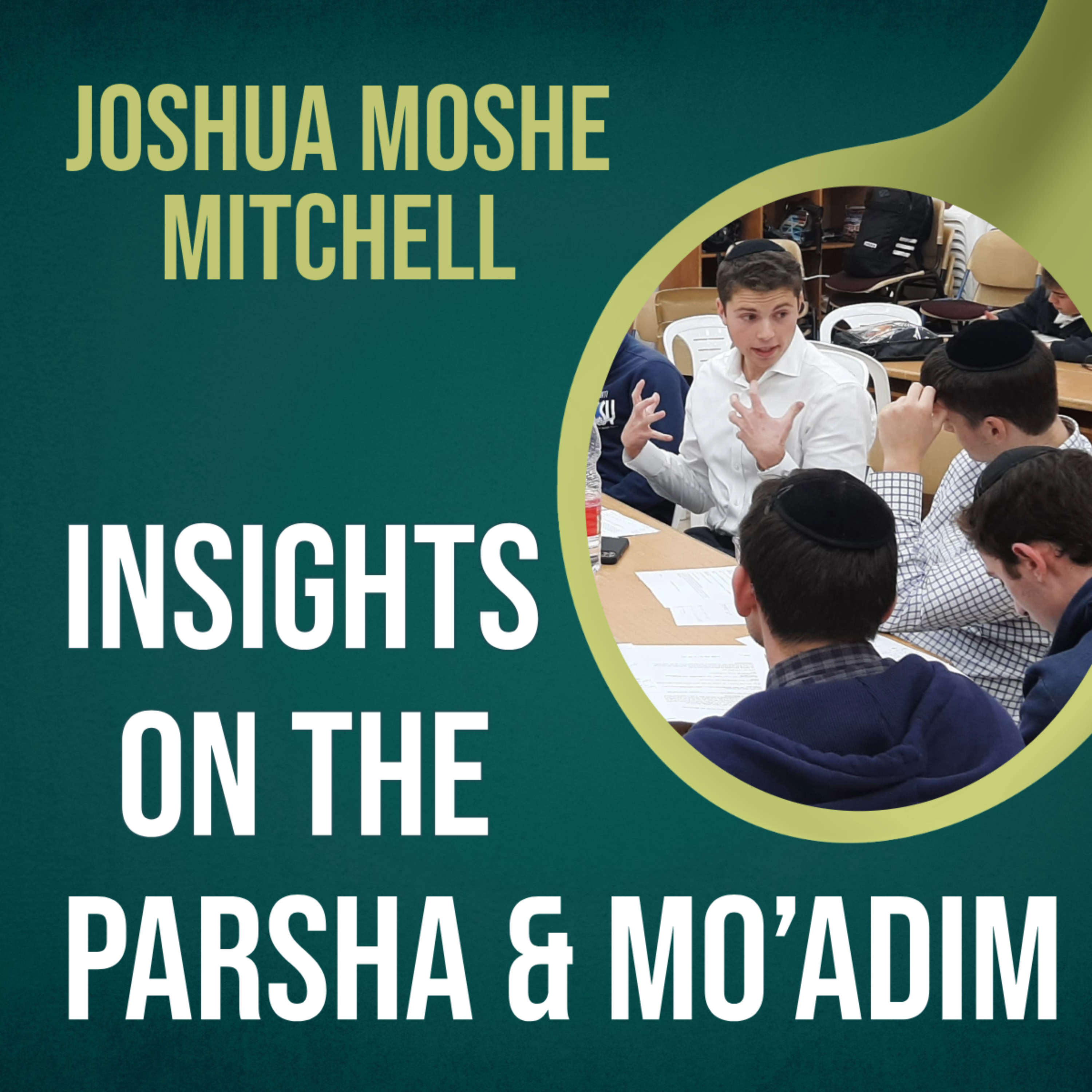
Insights on the Parsha & Mo'adim - From Joshua Moshe Mitchell
by יהושע משה בן שלום
Trying to find the אמת in the Torah and Chaggim
-
27
Parshat Korach 5786 - "ויקח קרח"
This week we read פרשת קרח, which records the first structured rebellion against משה. The Parsha opens with אבירם ,דתן ,קרח, and the 250 נשיא העדה, princes of the assembly, gathering before משה and אהרן. Their claim is simple: “כל־העדה כלם קדשים ובתוכם ה׳ - the entire community is holy and HaShem dwells amongst them”. If so, why should משה and אהרן stand above everyone else? משה responds by setting up a test to determine whom HaShem has chosen. In the process, דתן and אבירם refuse to join, און disappears from the narrative, leaving it just to the נשיאים and קרח, who manages to rally all of עם ישראל to watch what will unfold. Ultimately, they fail, and HaShem makes clear their wickedness in a miraculous way, where the earth swallows דתן ,קרח and אבירם, and a fire burns the princes. Yet coming out of this story, the reader is left wondering: How did this happen? What is the worldview of קרח, and where did he go wrong? Furthermore, how was he able to convince אבירם ,דתן ,און, the נשיאים, and even, if only for a small moment, the entire nation?Recorded in Yeshivat Sha'alvim
-
26
Parshat Shelach 5786 - "במספר הימים אשר־תרתם את־הארץ"
This week parsha is פרשת שלח, where משה sends the מרגלים to scout out ארץ כנען - a mission which lasts for 40 days. However, upon their return, the spies attempt to rally עם ישראל against entering ארץ כנען, claiming that its inhabitants are too strong to be defeated. Their report sparks an uprising amongst the nation, who even begin to plan a return to Egypt. In response, HaShem declares that this generation will not enter ארץ כנען, and that בני ישראל will wander in the מדבר for 40 years, “במספר הימים אשר־תרתם את־הארץ - according to the number of days that you spied the land”. This naturally raises 2 questions: Why should the punishment correspond to the number of days that the spies scouted ארץ כנען, and what exactly is this penalty’s purpose?
-
25
Parshat Beha’alotecha 5786 - "האספסף אשר בקרבו"
This week’s Parsha, פרשת בהעלותך is filled with excitement. The opening half of the פרשה describes עם ישראל preparing for the journey into ארץ ישראל. The לוים are inaugurated into their roles, משה invites יתרו to join them in their conquest, and HaShem details the order of the trumpets which will guide ישראל in their takeover of the promised land. The nation finally packs up and, for the first time since being reorganized, moves forward. But in פרק יא, there is a sudden shift in tone. Two episodes of complaints are made, and the momentum comes to a halt. First, the scene of the “complainers”, upon whom HaShem’s anger is kindled, resulting in the burning of their portion of the camp. Next comes the demand for meat, initiated by the ערב רב and spread to כלל ישראל, which elicits one of the most severe reactions from משה in the Torah, and introduces the first hints that this generation might not be fit to enter ארץ ישראל. However, this transition is deeply puzzling. Only one week ago, in פרשת נשא, we saw the greatness of עם ישראל, as they expressed unity in love of HaShem through each שבט’s קרבנות. How did they decline so quickly? Furthermore, the complaints themselves are difficult to understand. The Torah doesn’t go into depth about the sin of the “complainers”, and the nation’s earlier cry for food had previously been answered graciously. What, then, about these complaints warranted such harsh responses, and why did the Torah put them next to each other?Recorded in Yeshivat Sha'alvim
-
24
Shavuot 5786 - "שבעה שבעת תספר־לך"
This Thursday night, we celebrate שבועות, a חג best known as being זמן מתן תורתנו. It is also one of the שלוש רגלים, one of three festivals of the year where all the men of עם ישראל were commanded to ascend to the בית המקדש to celebrate. However, when comparing שבועות to the other רגלים it seems to be alike only in the obligation of ascent. While the other רגלים each have their own unique מצוות tied to the day, the מצוות of שבועות are largely those of a standard יום טוב. But, perhaps, the most striking of all is the difference in length: פסח and סוכות are both celebrated over the course of 7 days, with both יום טוב and חול המועד, what we consider ‘standard’ for a רגל. Yet, שבועות does not follow this structure; instead, it is a one-day יום טוב with nothing to follow. But why? Why is שבועות so different from the other רגלים, and what does this tell us about the purpose of the חג as a whole?
-
23
Parshat Bemidbar 5786 - " שאו את־ראש כל־עדת בני־ישראל"
This week we begin a new book of the Torah, ספר במדבר, starting, of course, with פרשת במדבר. We begin this פרשה with HaShem commanding Moshe to count the Jewish people, where the Torah states: “שאו את־ראש כל־עדת בני־ישראל למשפחתם לבית אבתם במספר שמות כל־זכר לגלגלתם - lift up the heads of all of the congregation of the children of Yisrael according to their families, by their father’s house, count the names of every male by their heads”. The rest of the Parsha details this poll - how only men aged 20-60 qualify, who will assist Moshe in tallying each שבט, the total amount of people per שבט, and finally the specifics of counting the לוים and their broader role within כלל ישראל. However, this command only raises questions: For what purpose was עם ישראל counted here? What is the meaning of the phrase שאו את־ראש - that their heads shall be raised? And even if it had a practical significance at the time, why is this count included in the Torah, an eternal book relevant to every generation?
-
22
Parshat Behar–Bechukotai 5786 - "וזכרתי את־בריתי יעקוב"
This Shabbat we read פרשת בהר-בחוקותי, the final parsha in ספר ויקרא. Most memorable is the portion in בחוקותי which describes the ברכות and קללות that will befall on עם ישראל if they don’t heed the commandments of HaShem. At the conclusion of the curses, the Torah relates their intended impact on כלל ישראל - to humble their hearts, and to lead them to confess their sins. HaShem then states: “וזכרתי את־בריתי יעקוב ואף את־בריתי יצחק ואף את־בריתי אברהם אזכר והארץ אזכר - and I will remember My covenant with Ya’akov, and also My covenant with Yitzchak, and also My covenant with Avraham I will remember, and the land I will remember”. This verse is particularly striking. Why does HaShem mention each covenant individually instead of just referring to one covenant made with all of the אבות? Why is יעקב’s name spelled with an extra ‘ו’? And why are the אבות listed in reverse order?Recorded in Yeshivat Sha'alvim
-
21
Parshat Emor 5786 - "מועדי ה׳ אשר־תקראו אתם"
This Shabbat we read פרשת אמור, a Parsha in which the ספר החינך counts 63 מצוות being given. 46% of these relate to the מועדים, the festivals of HaShem. They are first commanded in the fourth aliyah, where HaShem states: “דבר אל־בני ישראל ואמרת אלהם מועדי ה׳ אשר־תקראו אתם מקראי קדש אלה הם מועדי - speak to the children of Yisrael and say to them: the festivals of HaShem, which you shall proclaim as holy gatherings, these are My festivals”. The Torah first mentions שבת, calling it a מקרא קודש (holy gathering), before continuing: “אלה מועדי ה׳ מקראי קדש אשר־תקראו אתם במועדם - these are the festivals of HaShem, the holy gatherings, which you shall proclaim in their designated time”. It then proceeds to list what we know as our מועדים: Pesach, Shavuot, Rosh Hashanah, Yom Kippur, Sukkot, and Shemini Atzeret. However, this section raises many questions: What is the תורה’s intent with שבת - it seems to be linked, at least partially, to these days, included together with the מועדים, yet it is ultimately excluded from the list itself? What does it mean to proclaim a חג a מקרא קודש? And lastly, what is a מועד, what does this term mean in context of the festivals, and what are these days really about? Recorded in Yeshivat Sha'alvim
-
20
Parshat Acharei Mot–Kedoshim 5786 - "כי־הדם הוא בנפש יכפר"
Following last week’s double parsha, we are met with another this week - פרשת אחרי מות-קדושים. In אחרי מות, HaShem prohibits the consumption of blood, stating that He will “Set His face against” the transgressor, and that they shall be cut off from עם ישראל. The Torah explains the reason behind this restriction, stating: “כי נפש הבשר בדם הוא ואני נתתיו לכם על־המזבח לכפר על־נפשתיכם כי־הדם הוא בנפש יכפר - for the soul of the flesh is in the blood, and I have given it to you on the Mizbe’ach to attone for all your souls; for it is the blood that makes attonement for the soul”. It then outlines the proper procedure when hunting: one must pour out the blood of the wild animal and cover it with dust. Finally, to conclude the discourse on this איסור, the Torah reiterates the relationship between blood and soul. This passage is very difficult, and only raises questions: Why does one need to cover the blood in dust? Why does the Torah state both the connection to the soul and מזבח as reasons for this prohibition? How is the blood connected to the soul, and why is this sin warrant כרת, a punishment more severe than the rest of כשרות?
-
19
Parshat Tazria-Metzora 5786 - "נגע צרעת"
This week’s Parsha is פרשת תזריע-מצורע, the second double פרשה of the year. Large portions of these פרשיות are dedicated to צרעת, a white lesion-like affliction on the body. This condition is described at the beginning of תזריע where the Torah states: “אדם כי־יהיה בעור־בשרו שאת או־ספחת או בהרת והיה בעור־בשרו לנגע צרעת והובא אל־אהרן הכהן או אל־אחד מבניו הכהנים - when a man has in the skin of his flesh a se’et, or a sapachat or a baheret and it will be in the skin of his flesh plague of tzara‘at, he shall go to Aharon the Kohen or to one from his sons, the Kohanim.” The Torah here introduces three different forms of צרעת, and goes into detail on the process of affirming the authenticity of this affliction. It then describes cases of uncertainty and what one should do with a positive and negative diagnosis. However, one can easily walk away from this פרשה and still wonder, what is צרעת about, really? Is it an ancient disease or a divine sign? What causes it? Why are there 3 different forms of it? And, today, in a time without this affliction, how is it, and its lessons still relevant?
-
18
Parshat Shemini 5786 - "ויקצף על־אלעזר ועל־איתמר"
This שבת we read פרשת שמיני, the third פרשה in ספר ויקרא. This Parsha is most well known for the death of נדב and אביהוא, two sons of אהרן, who offered an uncommanded קטורת before HaShem, and as a result, were consumed by a fire from G-d. Despite this, אהרן and his remaining sons are not allowed to mourn them publicly; instead, they must continue the work in the משכן. As a part of that, משה commands them to eat the קרבנות in the מקום קודש, in the holy place. However, משה finds that instead of eating the קרבן, they burned it. The תורה relates his reaction, stating: “ויקצף על־אלעזר ועל־איתמר בני אהרן הנותרם - And he (Moshe) became angry with Elazar and Itmar, the remaining sons of Aharon”. Moshe then inquires why they didn’t eat the חטאת, for it was given to atone for all of כלל ישראל, and all the proper conditions were in it to be eaten. אהרן responds, asking that after all the things that have befallen him, would it really be proper in the eyes of HaShem to eat it? The תורה concludes that Moshe listened, and אהרן’s words were good in his eyes. Understanding this passage is incredibly difficult. What is the argument really about between אהרן and משה, and what connection does it have to נדב and אביהוא? Moreover, how are we to understand Moshe’s anger, what caused it, and how is it possible for him to experience it, for is it really the way of a צדיק to be angry?
-
17
Peasch 5786 - "הרי אני כבן שבעים שנה"
This Wednesday night, we partake in the most unique night of the year, ליל הסדר. There, we read the הגדה, highlighted by מגיד. In רבי אלעזר בן עזריה ,מגיד states: “הרי אני כבן שבעים שנה ולא זכיתי שתאמר יציאת מצרים בלילות עד שדרשה בן זומא - I am like a 70 year old, and I haven’t merited to prove that one must speak the exodus from Egypt at night until I heard the Drasha of Ben Zuma.” This statement is very confusing. Why does he say that he is only ‘like’ a 70-year-old? What is the relevance of this proclamation to recounting the Exodus at night? And if it’s just referring to his age and wisdom, how then can we understand such a צדיק boasting about himself?Recorded in Yerushalayim
-
16
Parshat Tzav 5786 - "אש תמיד"
This week’s Parsha is פרשת צו, the second Parsha in ספר ויקרא, where the כהנים are commanded more about the עבודה in the מקדש. Within this פרשה, the Torah states one striking statute about the Mizbeach: “אש תמיד תוקד על־המזבח לא תכבה - A continuous fire shall burn on the altar, it shall not be extinguished.” This פסוק is perplexing and raises several questions: Firstly, what exactly is this אש תמיד, and what work is required from the כהנים regarding it? Why must the fire continue to burn even when there is no other קרבן or עבודה taking place? And why is such a fire needed when there are already other continuous lights in the מקדש? Recorded in Ramot
-
15
Parshat Vayikra 5786 - "ריח־ניחוח"
This שבת we read פרשת ויקרא, the opening Parsha of the third ספר in the חמשה חומשי תורה. Commonly referred to as תורת כהנים, much of ספר ויקרא details the עבודה of the מקדש, partically the קרבנות sacrificed there. Many קרבנות are simply referred to as an אשה לה׳ - a fire to G-d, but a select few are given the designation of an אשה ריח-ניחוח לה׳ - a pleasant-smelling fire to HaShem. In our Parsha, this term appears nine times - associated with the שלמים ,מנחה, עולה, and personal חטאת offerings. But, why - why isn’t this term universal to all קרבנות? Why do only some merit being called a ריח-ניחוח? And what does ריח-ניחוח truly mean? Can it really just be a pleasant aroma? If not, then what does it represent, and how is it achieved? Recorded in Yeshivat Sha'alvim
-
14
Parshat Vayakhel-Pekudei 5786 - "ואש תהיה לילה"
This week’s Parsha is ויקהל-פקודי, the final פרשה in ספר שמות. At the end of the ספר, after the משכן is fully assembled, the Torah states: “ויכס הענן את־אהל מועד וכבוד ה׳ מלא את־המשכן - and the cloud covered the Tent of Meeting, and the glory of HaShem filled the Mishkan.” As a result of this כבוד, Moshe was unable to enter the אהל מועד. The תורה then describes the ענני הכבוד, illustrating that it would lead בני ישראל throughout the מדבר. Finally, ספר שמות concludes stating: “כי ענן יהוה על־המשכן יומם ואש תהיה לילה בו לעיני כל־בית־ישראל בכל־מסעיהם - for the cloud of HaShem was on the Mishkan by day, and fire by night, in the eyes of all of the house of Israel, in all of their journeys.” This ending is striking and raises many questions. Firstly, what does it mean that the כבוד ה׳ filled the משכן, and why is this something that prevents משה רבינו, someone who spoke to HaShem face to face, from entering the אהל מועד? Furthermore, why must the Torah state that the cloud was over the משכן by day and the fire by night - what is the significance of this? And finally, how do these passages contribute to and conclude ספר שמות as a whole?
-
13
Purim 5786 - "על־שם הפור"
On Monday night, we will begin Purim, a חג that, at least at first glance, seems to commemorate the events and miracles that took place 2400 years ago in שושן. Unlike חנוכה, this חג has a ספר in מגלת אסתר :תנ”ך. There, we are given the reasoning behind the name ‘פורים’. The פסוק states: “על־כן קראו לימים האלה פורים על־שם הפור על־כן על־כל־דברי האגרת הזאת ומה־ראו על־ככה ומה הגיע אליהם - Therefore, they called these days Purim after the name Pur, therefore because of the words of this letter and what they had seen concerning this, and what had befallen them.” The naming of פורים is puzzling, and leaves us with many questions: Why is the holiday named after a פור rather than the downfall of המן, reversal of אחשורוש’s decree, or the heroism of מרדכי and אסתר? How does this name capture the message of פורים as a whole? What exactly is this message that the פור represents, and if פורים is just a זכרון, how is it relevant to us today?
-
12
Parshat Tetzaveh 5786 - "אל־כל־חכמי־לב"
In this week’s Parsha, פרשת תצוה, the Torah goes more in depth on the משכן, specifically focusing on the appointment of אהרן and the כהנים. One of the essentials for their service is, of course, their בגדים (clothing) - as it’s how they are presented to HaShem and the rest of the world. Therefore, HaShem commands that only very specific individuals be permitted to make this clothing, as the Torah states: “ואתה תדבר אל־כל־חכמי־לב אשר מלאתיו רוח חכמה ועשו את־בגדי אהרן לקדשו לכהנו־לי - and you (משה) shall speak to all the wise-hearted people - whom I (ה׳) have filled with the spirit of wisdom, and they shall make Aharon’s clothing, to sanctify him to serve Me as a Kohen.” This verse does more than simply describe who will make the garments; it emphasizes that these individuals must be חכמי לב, filled with wisdom granted by HaShem. But what does it mean to be called a חכם לב? And why does the תורה need to state that HaShem gave them this wisdom - isn’t it obvious!? Furthermore, looking later in ספר שמות we find that these חכמי לב not only make the בגדי כהונה, but also constructed the entire משכן. But why them? What makes these people uniquely fitting to build the משכן?
-
11
Parshat Terumah 5786 - "ועשו לי מקדש"
This Shabbat, we will read פרשת תרומה, where HaShem commands בני ישראל in building the משכן, and its fixtures. However, before G-d mandates the creation of every vessel, He instructs us to build a מקדש for Him. As the תורה states: “ועשו לי מקדש ושכנתי בתוכם - And make Me a Mikdash, and I will dwell amongst them.” This פסוק is quite perplexing. Firstly, what does it mean to build a מקדש? If this is solely a reference to the משכן, then why use a different term? What does this specific language teach us? Moreover, the implication from this פסוק is that עם ישראל can only receive the שכינה (Divine Presence) when they assemble a מקדש for G-d. But, why is this so - why does the שכינה only rest after the מקדש’s construction?Recorded in Yeshivat Sha'alvim
-
10
Parshat Mishpatim 5786 - "לה׳ לבדו"
This week’s Parsha is פרשת משפטים, where, following מתן תורה, the Torah turns to legal matters and lays out a multitude of prohibitions. In the midst of these laws, the Torah states: “זבח לאלהים יחרם בלתי לה׳ לבדו - One who sacrifices to gods shall be destroyed - to HaShem alone!” This verse is incredibly difficult. We were already commanded regarding the איסור of עבודה זרה; in fact, it’s the second commandment in the עשרה דברות! Why, then, does HaShem repeat it here - what is He adding? Furthermore, the Torah later states that the punishment for this עבירה is סקילה. If so, why does this פסוק use the term יחרם, rather than language more consistent with other עבירות punishable by stoning? Lastly, the ending of the פסוק seems superfluous: לה׳ לבדו - To HaShem alone, is already evident! Why, then, does the Torah include these two words - what do they come to teach?
-
9
Parshat Yitro 5786 - "אלקי אבי בעזרי"
This week’s Parsha is פרשת יתרו, highlighted by the descent of G-d onto הר סינו and the giving of the 10 commandments. But, before יתרו ,מתן תורה comes to the מחנה ישראל (Camp of Yisrael) bringing Moshe’s wife צפורה and their two sons. The Torah then records their names, stating: שם האחד גרשם כי אמר גר הייתי בארץ נכריה - the name of one was Gershom - because he said: I was a stranger in a foreign land.” Immediately after the תורה introduces Eliezer: “ושם האחד אליעזר כי־אלקי אבי בעזרי ויצלני מחרב פרעה - the name of one was Eliezer - ‘because the G-d of my father was my help, and saved me from the sword of Pharaoh.’” This passage raises several questions: Why does the Torah explain the reasoning behind their names - why can’t we simply state גרשם and אליעזר? Why is this explanation mentioned specifically here - before מתן תורה? And why does the Torah use the phrase שם האחד twice, instead of the ordinary שם האחד ושם השני?Recorded in Yeshivat Sha'alvim
-
8
Parshat Beshalach 5786 - "הילך בתורתי אם־לא"
This week’s Parsha is פרשת בשלח, which includes the splitting of ים סוף and בני ישראל’s song of praise to HaShem (אז ישיר). In the aftermath of these events, בני ישראל, now famished, demand food - even claiming that without it, יציאת מצרים would have been pointless. HaShem responds to their request, stating: “הנני ממטיר לכם לחם מן־השמים ויצא העם ולקטו דבר־יום ביומו למען אנסנו הילך בתורתי אם־לא - Behold, I will rain down bread from heaven for you, and the nation shall go out and gather it every day, for the sake of My test: whether they will walk in the ways of My Torah or not.” The תורה describes this sustenance as “דק מחספס דק ככפר על־הארץ - thin, flaky, fine like frost on the ground.” Being completely foreign to them, בני ישראל coined it מן, and HaShem later commands for a portion of this מן to be kept as a memorial forever. This entire section on מן is frankly bewildering. How is מן the ultimate test of whether בני ישראל will keep the Torah - how does מן represent the תורה at all? Moreover, what exactly is מן - what are its qualities, and what does it mean that it came from heaven? Lastly, why does HaShem command some of it be kept forever - what purpose does this serve?Recorded in Yeshivat Sha'alvim
-
7
Parshat Bo 5786 "קדש לי"
This week’s Parsha is פרשת בא, where we read of בני ישראל’s exodus from מצרים. After the Jews are freed, HaShem tells Moshe that בני ישראל need to sanctify their בכורים (firstborns), stating: “קדש־לי כל־בכור פטר כל־רחם בבני ישראל באדם ובבהמה לי הוא - Sanctify Me all the firstborn, opener of the womb amongst Bne’i Yisrael, man and animal, they are Mine.” HaShem then pauses and speaks about the format of the חג of פסח. Afterwards, He returns to the topic of the בכורים - establishing the obligation of redeeming them. This commandment is greatly puzzling: What does it mean that בכורים will be sanctified - what is this קדושה of theirs? Why is this required of the בכורים specifically? And if they are going to be redeemed anyway, how are we to understand the very existence of this מצווה?Recorded in Yeshivat Sha'alvim
-
6
Parshat Va’era 5786 - "נתתיך אלקים"
This week we read פרשת וארא, the Parsha where HaShem begins to inflict the plagues on Egypt. The פרשה opens with HaShem instructing משה to speak to Pharaoh, to command him to release עם ישראל. However, after seeing that בני ישראל didn’t listen to him earlier, Moshe responds: “הן בני־ישראל לא־שמעו אלי ואיך ישמעני פרעה ואני ערל שפתים - and behold, Bne’i Yisrael hasn’t listened to me, how would Pharaoh listen to me - me of uncircumsied lips”. After this, the Aliyah ends, and HaShem states to Moshe: “נתתיך אלקים לפרעה ואהרן אחיך יהיה נביאך - you will be G-d to Pharaoh, and אהרן, your brother, will be your Prophet.” This interaction is incredibly puzzling, raising many questions: What does משה’s statement mean, especially stating that he has ערל שפתים? How can Moshe be G-d? And why is this only to Pharaoh?Recorded in Yeshivat Sha'alvim
-
5
Parshat Shemot 5786 - "אהי-ה אשר אהי-ה"
This week we will read פרשת שמות, the very first פרשה in ספר שמות. In this Parsha, we are told of עם ישראל’s great persecution by the מצרים, which leads them to cry out to HaShem. As HaShem hears their cry, he begins to manifest his plan for their salvation, starting by speaking to משה. Here, when informed that HaShem will bring בני ישראל out of מצרים to ארץ כנען, Moshe replies that they won’t believe him - they will ask what His Name is, and he won’t know what to say. HaShem responds “אהי-ה אשר אהי-ה ויאמר כה תאמר לבני ישראל אהי-ה שלחני אליכם - Eha-yeh Asher Eha-yeh (I will be what I will be), and you (Moshe) will say to Bnei Yisrael, Eha-yeh sent me to you.” He continues: “כה־תאמר אל־בני ישראל ה׳ אלקי אבתיכם אלקי אברהם אלקי יצחק ואלקי יעקב שלחני אליכם זה־שמי לעלם וזה זכרי לדר דר - You (Moshe) shall say to Bnei Yisrael: ‘HaShem, the G-d of your fathers, the G-d of Avraham, the G-d of Yitzchak, and the G-d of Ya’akov has sent me to you’ - this shall be My Name forever, and My remembrance from generation to generation.” HaShem seems to give Moshe proof to בני ישראל’s upcoming claim that he’s a נביא שקר (a false prophet); later on, however, HaShem bestows נסים (miracles) for Moshe to perform to prove his validity. This raises the question - how do we understand this answer of HaShem - would he really give a verification so lackluster? Moreover, the statement itself is incredibly difficult - we have never seen this Name before! What does it even mean?Recorded in Yeshivat Sha'alvim
-
4
Parshat Vayechi 5786 - "כאפרים וכמנשה"
This week’s Parsha is פרשת ויחי, the very last פרשה of ספר בראשית. In this יעקב ,פרשה grows ill and blesses all the שבטים before his death. When יוסף hears of his father’s health, he comes to him, bringing his two children, מנשה and אפרים. Yosef places his sons before Ya’akov, מנשה on his (יעקב’s) right, and אפרים on his left. However, instead of following the natural order, יעקב crosses his hands, putting his right hand on אפרים and his left on מנשה. Seeing this יוסף attempts to switch his father’s hands back, informing him that his right hand is on his youngest son (אפרים), rather than מנשה. In response, יעקב simply replies “ידעתי בני ידעתי גם־הוא יהיה־לעם וגם־הוא יגדל ואולם אחיו הקטן יגדל ממנו וזרעו יהיה מלא־הגוים - I know my son, I know, he (Menashe) will also become a nation, and he will also be great, but the younger brother shall be greater than him, and his children will fill nations.” יעקב then gives the children a ברכה, stating: “בך יברך ישראל לאמר ישמך אלקים כאפרים וכמנשה - By you, Israel shall bless, saying: (May) G-d make you like Ephraim and Manashe.” This passage raises many questions: By what virtue is אפרים greater than מנשה? What does it mean that אפרים’s children will be מלא גוים? Why do we (עם ישראל) bless ourselves through them? And why does יעקב choose to cross his hands? Recorded in Yeshivat Sha'alvim
-
3
Parshat Vayigash 5786 - "כמה ימי שני חייך"
This week’s Parsha is פרשת ויגש, where all of יוסף’s family goes down to מצרים. Here, יוסף introduces יעקב to פרעה, with the תורה stating: “ויבא יוסף את־יעקב אביו ויעמדהו לפני פרעה ויברך יעקב את־פרעה - and Yosef brought Ya’akov his father, and stood him before Pharaoh, and Ya’akov blessed Pharaoh.” After this, פרעה asks Ya’akov: “כמה ימי שני חייך - How many are the days of the years of your life?” יעקב replies: “ימי שני מגורי שלשים ומאת שנה מעט ורעים היו ימי שני חיי ולא השיגו את־ימי שני חיי אבתי בימי מגוריהם - The days of my years I’ve dwelled are 130 years, little and bad are the days of the years of my life, and they haven’t reached the days of the years of my fathers, in their days of dwelling.” After his answer, יעקב then blesses פרעה a second time and leaves. This entire interaction seems incredibly puzzling as why is פרעה so interested in יעקב’s age? How do we understand יעקב’s bizarre response? And why did יעקב bless Pharaoh twice?!Recorded in Yeshivat Sha'alvim
-
2
Parshat Miketz 5786 – "למה תתראו"
This week, we read פרשת מקץ, a פרשה focused largly on יוסף. In this פרשה, Yosef interprets Pharaoh’s dreams, stating that there will be 7 years of abundance, followed by 7 years of famine. Because of his knowledge, פרעה puts יוסף in charge of the preparation for the famine, where he imposes large crop taxes, in order to store food for the future. As a result of his new authority, יוסף’s social status skyrockets, from being פוטיפר’s lowly slave to becoming the second most powerful person in all of Egypt. No display of his power is greater than when the famine begins, where Pharaoh commands the Egyptians to do all that יוסף says - as if יוסף is king. This famine then spread throughout the entire world, causing everyone to go to מצרים to buy food. Afterwards, תורה informs us of יעקב’s seeing this, stating: “וירא יעקב כי יש־שבר במצרים ויאמר יעקב לבניו למה תתראו - and Ya’akov saw that Egypt had grain, and he said to his children, why do you look at one another?” יעקב then commands the brothers to go down to Egypt, where they listen immediately with the Torah illustrating: “וירדו אחי־יוסף עשרה לשבר בר ממצרים - And 10 of יוסף’s brothers went down to Egypt to buy grain.” However, these פסוקים raise three questions: firstly, the תורה first refers to the שבטים (tribes) as בני יעקב (children of Ya’akov), but later calls them the אחי-יוסף (Yosef’s brothers) - why this change? Additionally, יעקב asks the brothers, למה תתראו - why do you look at each other - a very confusing and seemingly out of place question; what is the meaning of it? Lastly, the שבטים have no response to יעקב’s question; instead are just silent and leave to מצרים - why don’t they respond? Recorded in Ramot
-
1
Chanukah 5786 - "כסוכה"
This Sunday night, we will begin Chanukah - a חג that has no mention in all of תנ”ך. But, we do find it discussed in a few דפים of גמרא שבת. There we see a מחלוקת between בית הלל and בית שמאי. בית שמאי states that we should light 8 candles of חנוכה on the first night and go down one each night - to mirror the structure of the קרבנות on סוכות, while בית הלל states that we should light one candle on the first day and add one each day - as we don’t go down in קדושה, only up. This מחלוקת triggers a few questions: Why are we comparing חנוכה to סוכות? What is the קדושה of חנוכה? And what is חנוכה all about as a whole? Recorded in Yeshivat Sha'alvim
We're indexing this podcast's transcripts for the first time — this can take a minute or two. We'll show results as soon as they're ready.
No matches for "" in this podcast's transcripts.
No topics indexed yet for this podcast.
Loading reviews...
ABOUT THIS SHOW
Trying to find the אמת in the Torah and Chaggim
HOSTED BY
יהושע משה בן שלום
CATEGORIES
Loading similar podcasts...
Frequently Asked Questions
How many episodes does Insights on the Parsha & Mo'adim - From Joshua Moshe Mitchell have?
Insights on the Parsha & Mo'adim - From Joshua Moshe Mitchell currently has 27 episodes available on PodParley. New episodes are automatically indexed when they're published to the podcast feed.
What is Insights on the Parsha & Mo'adim - From Joshua Moshe Mitchell about?
Trying to find the אמת in the Torah and Chaggim
How often does Insights on the Parsha & Mo'adim - From Joshua Moshe Mitchell release new episodes?
Insights on the Parsha & Mo'adim - From Joshua Moshe Mitchell has 27 episodes. Check the episode list to see recent publication dates and frequency.
Where can I listen to Insights on the Parsha & Mo'adim - From Joshua Moshe Mitchell?
You can listen to Insights on the Parsha & Mo'adim - From Joshua Moshe Mitchell on PodParley by clicking any episode. We provide an embedded audio player for direct listening, and you can also subscribe via your preferred podcast app using the RSS feed.
Who hosts Insights on the Parsha & Mo'adim - From Joshua Moshe Mitchell?
Insights on the Parsha & Mo'adim - From Joshua Moshe Mitchell is created and hosted by יהושע משה בן שלום.
URL copied to clipboard!