
PODCAST · arts
Last Days of Pompeii
by Edward Bulwer-Lytton
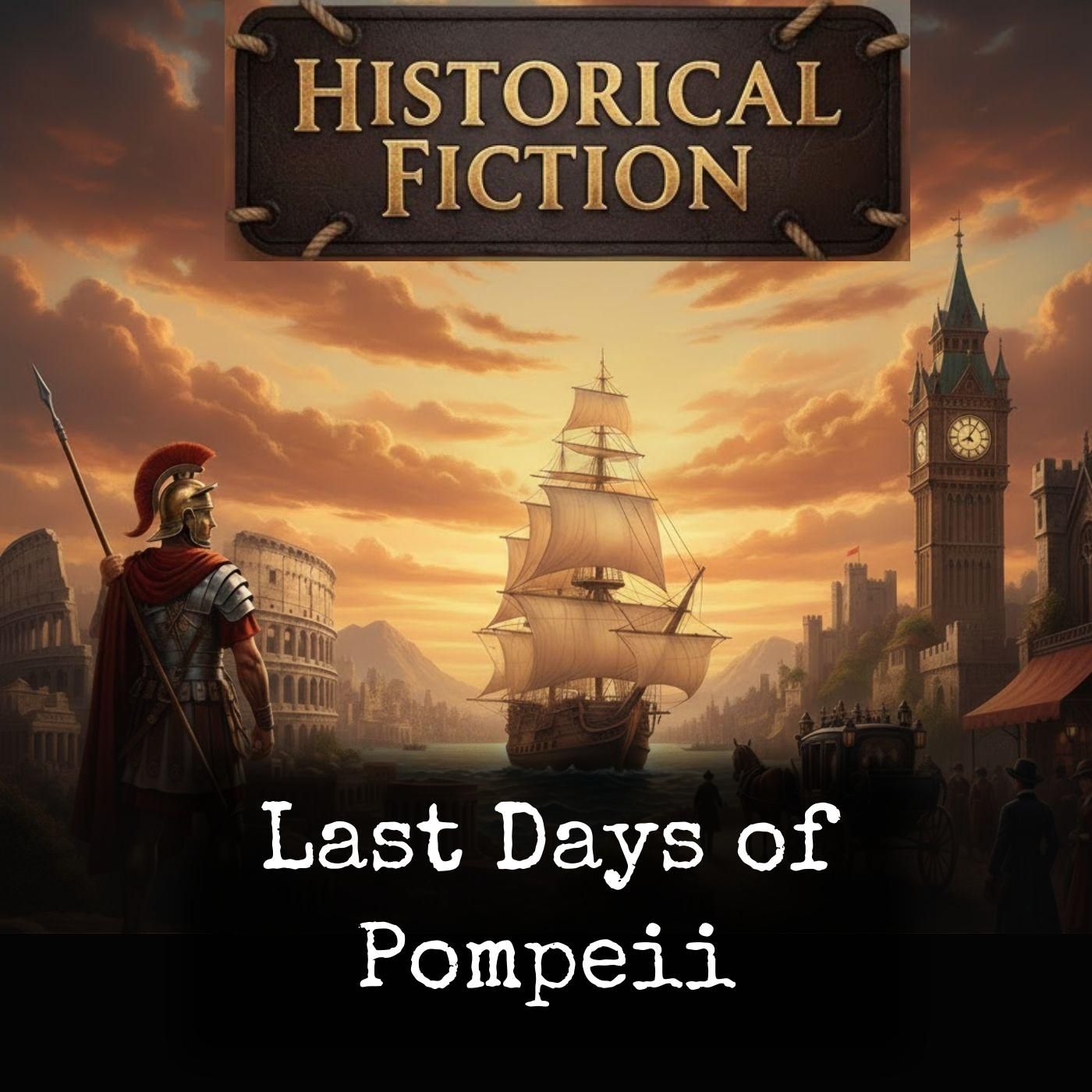
Last Days of Pompeii is a captivating novel by Edward Bulwer-Lytton, penned in 1834. Once a bestseller, this literary gem has faded into obscurity, yet it vividly depicts the catastrophic destruction of Pompeii following the eruption of Mount Vesuvius in 79 AD. Through its rich characters, the novel explores the contrasts between the opulent lifestyle of first-century Rome and the ancient cultures that preceded it, as well as the emerging societal trends. The protagonist, Glaucus, embodies the Greek spirit overshadowed by Roman dominance, while his rival, Arbaces, symbolizes the enduring legacy of Egypt. Additionally, Olinthus represents the budding Christian faith, portrayed with both admiration and critical insight. (Summary from Wikipedia)
-
56
056 - Book 5 Chapter The Last
Last Days of Pompeii is a captivating novel by Edward Bulwer-Lytton, penned in 1834. Once a bestseller, this literary gem has faded into obscurity, yet it vividly depicts the catastrophic destruction of Pompeii following the eruption of Mount Vesuvius in 79 AD. Through its rich characters, the novel explores the contrasts between the opulent lifestyle of first-century Rome and the ancient cultures that preceded it, as well as the emerging societal trends. The protagonist, Glaucus, embodies the Greek spirit overshadowed by Roman dominance, while his rival, Arbaces, symbolizes the enduring legacy of Egypt. Additionally, Olinthus represents the budding Christian faith, portrayed with both admiration and critical insight. (Summary from Wikipedia)
-
55
055 - Book 5 Chapter X
Last Days of Pompeii is a captivating novel by Edward Bulwer-Lytton, penned in 1834. Once a bestseller, this literary gem has faded into obscurity, yet it vividly depicts the catastrophic destruction of Pompeii following the eruption of Mount Vesuvius in 79 AD. Through its rich characters, the novel explores the contrasts between the opulent lifestyle of first-century Rome and the ancient cultures that preceded it, as well as the emerging societal trends. The protagonist, Glaucus, embodies the Greek spirit overshadowed by Roman dominance, while his rival, Arbaces, symbolizes the enduring legacy of Egypt. Additionally, Olinthus represents the budding Christian faith, portrayed with both admiration and critical insight. (Summary from Wikipedia)
-
54
054 - Book 5 Chapter IX
Last Days of Pompeii is a captivating novel by Edward Bulwer-Lytton, penned in 1834. Once a bestseller, this literary gem has faded into obscurity, yet it vividly depicts the catastrophic destruction of Pompeii following the eruption of Mount Vesuvius in 79 AD. Through its rich characters, the novel explores the contrasts between the opulent lifestyle of first-century Rome and the ancient cultures that preceded it, as well as the emerging societal trends. The protagonist, Glaucus, embodies the Greek spirit overshadowed by Roman dominance, while his rival, Arbaces, symbolizes the enduring legacy of Egypt. Additionally, Olinthus represents the budding Christian faith, portrayed with both admiration and critical insight. (Summary from Wikipedia)
-
53
053 - Book 5 Chapter VIII
Last Days of Pompeii is a captivating novel by Edward Bulwer-Lytton, penned in 1834. Once a bestseller, this literary gem has faded into obscurity, yet it vividly depicts the catastrophic destruction of Pompeii following the eruption of Mount Vesuvius in 79 AD. Through its rich characters, the novel explores the contrasts between the opulent lifestyle of first-century Rome and the ancient cultures that preceded it, as well as the emerging societal trends. The protagonist, Glaucus, embodies the Greek spirit overshadowed by Roman dominance, while his rival, Arbaces, symbolizes the enduring legacy of Egypt. Additionally, Olinthus represents the budding Christian faith, portrayed with both admiration and critical insight. (Summary from Wikipedia)
-
52
052 - Book 5 Chapter VII
Last Days of Pompeii is a captivating novel by Edward Bulwer-Lytton, penned in 1834. Once a bestseller, this literary gem has faded into obscurity, yet it vividly depicts the catastrophic destruction of Pompeii following the eruption of Mount Vesuvius in 79 AD. Through its rich characters, the novel explores the contrasts between the opulent lifestyle of first-century Rome and the ancient cultures that preceded it, as well as the emerging societal trends. The protagonist, Glaucus, embodies the Greek spirit overshadowed by Roman dominance, while his rival, Arbaces, symbolizes the enduring legacy of Egypt. Additionally, Olinthus represents the budding Christian faith, portrayed with both admiration and critical insight. (Summary from Wikipedia)
-
51
051 - Book 5 Chapter VI
Last Days of Pompeii is a captivating novel by Edward Bulwer-Lytton, penned in 1834. Once a bestseller, this literary gem has faded into obscurity, yet it vividly depicts the catastrophic destruction of Pompeii following the eruption of Mount Vesuvius in 79 AD. Through its rich characters, the novel explores the contrasts between the opulent lifestyle of first-century Rome and the ancient cultures that preceded it, as well as the emerging societal trends. The protagonist, Glaucus, embodies the Greek spirit overshadowed by Roman dominance, while his rival, Arbaces, symbolizes the enduring legacy of Egypt. Additionally, Olinthus represents the budding Christian faith, portrayed with both admiration and critical insight. (Summary from Wikipedia)
-
50
050 - Book 5 Chapter V
Last Days of Pompeii is a captivating novel by Edward Bulwer-Lytton, penned in 1834. Once a bestseller, this literary gem has faded into obscurity, yet it vividly depicts the catastrophic destruction of Pompeii following the eruption of Mount Vesuvius in 79 AD. Through its rich characters, the novel explores the contrasts between the opulent lifestyle of first-century Rome and the ancient cultures that preceded it, as well as the emerging societal trends. The protagonist, Glaucus, embodies the Greek spirit overshadowed by Roman dominance, while his rival, Arbaces, symbolizes the enduring legacy of Egypt. Additionally, Olinthus represents the budding Christian faith, portrayed with both admiration and critical insight. (Summary from Wikipedia)
-
49
049 - Book 5 Chapter IV
Last Days of Pompeii is a captivating novel by Edward Bulwer-Lytton, penned in 1834. Once a bestseller, this literary gem has faded into obscurity, yet it vividly depicts the catastrophic destruction of Pompeii following the eruption of Mount Vesuvius in 79 AD. Through its rich characters, the novel explores the contrasts between the opulent lifestyle of first-century Rome and the ancient cultures that preceded it, as well as the emerging societal trends. The protagonist, Glaucus, embodies the Greek spirit overshadowed by Roman dominance, while his rival, Arbaces, symbolizes the enduring legacy of Egypt. Additionally, Olinthus represents the budding Christian faith, portrayed with both admiration and critical insight. (Summary from Wikipedia)
-
48
048 - Book 5 Chapter III
Last Days of Pompeii is a captivating novel by Edward Bulwer-Lytton, penned in 1834. Once a bestseller, this literary gem has faded into obscurity, yet it vividly depicts the catastrophic destruction of Pompeii following the eruption of Mount Vesuvius in 79 AD. Through its rich characters, the novel explores the contrasts between the opulent lifestyle of first-century Rome and the ancient cultures that preceded it, as well as the emerging societal trends. The protagonist, Glaucus, embodies the Greek spirit overshadowed by Roman dominance, while his rival, Arbaces, symbolizes the enduring legacy of Egypt. Additionally, Olinthus represents the budding Christian faith, portrayed with both admiration and critical insight. (Summary from Wikipedia)
-
47
047 - Book 5 Chapter II
Last Days of Pompeii is a captivating novel by Edward Bulwer-Lytton, penned in 1834. Once a bestseller, this literary gem has faded into obscurity, yet it vividly depicts the catastrophic destruction of Pompeii following the eruption of Mount Vesuvius in 79 AD. Through its rich characters, the novel explores the contrasts between the opulent lifestyle of first-century Rome and the ancient cultures that preceded it, as well as the emerging societal trends. The protagonist, Glaucus, embodies the Greek spirit overshadowed by Roman dominance, while his rival, Arbaces, symbolizes the enduring legacy of Egypt. Additionally, Olinthus represents the budding Christian faith, portrayed with both admiration and critical insight. (Summary from Wikipedia)
-
46
046 - Book 5 Chapter I
Last Days of Pompeii is a captivating novel by Edward Bulwer-Lytton, penned in 1834. Once a bestseller, this literary gem has faded into obscurity, yet it vividly depicts the catastrophic destruction of Pompeii following the eruption of Mount Vesuvius in 79 AD. Through its rich characters, the novel explores the contrasts between the opulent lifestyle of first-century Rome and the ancient cultures that preceded it, as well as the emerging societal trends. The protagonist, Glaucus, embodies the Greek spirit overshadowed by Roman dominance, while his rival, Arbaces, symbolizes the enduring legacy of Egypt. Additionally, Olinthus represents the budding Christian faith, portrayed with both admiration and critical insight. (Summary from Wikipedia)
-
45
045 - Book 4 Chapter XVII
Last Days of Pompeii is a captivating novel by Edward Bulwer-Lytton, penned in 1834. Once a bestseller, this literary gem has faded into obscurity, yet it vividly depicts the catastrophic destruction of Pompeii following the eruption of Mount Vesuvius in 79 AD. Through its rich characters, the novel explores the contrasts between the opulent lifestyle of first-century Rome and the ancient cultures that preceded it, as well as the emerging societal trends. The protagonist, Glaucus, embodies the Greek spirit overshadowed by Roman dominance, while his rival, Arbaces, symbolizes the enduring legacy of Egypt. Additionally, Olinthus represents the budding Christian faith, portrayed with both admiration and critical insight. (Summary from Wikipedia)
-
44
044 - Book 4 Chapter XVI
Last Days of Pompeii is a captivating novel by Edward Bulwer-Lytton, penned in 1834. Once a bestseller, this literary gem has faded into obscurity, yet it vividly depicts the catastrophic destruction of Pompeii following the eruption of Mount Vesuvius in 79 AD. Through its rich characters, the novel explores the contrasts between the opulent lifestyle of first-century Rome and the ancient cultures that preceded it, as well as the emerging societal trends. The protagonist, Glaucus, embodies the Greek spirit overshadowed by Roman dominance, while his rival, Arbaces, symbolizes the enduring legacy of Egypt. Additionally, Olinthus represents the budding Christian faith, portrayed with both admiration and critical insight. (Summary from Wikipedia)
-
43
043 - Book 4 Chapter XV
Last Days of Pompeii is a captivating novel by Edward Bulwer-Lytton, penned in 1834. Once a bestseller, this literary gem has faded into obscurity, yet it vividly depicts the catastrophic destruction of Pompeii following the eruption of Mount Vesuvius in 79 AD. Through its rich characters, the novel explores the contrasts between the opulent lifestyle of first-century Rome and the ancient cultures that preceded it, as well as the emerging societal trends. The protagonist, Glaucus, embodies the Greek spirit overshadowed by Roman dominance, while his rival, Arbaces, symbolizes the enduring legacy of Egypt. Additionally, Olinthus represents the budding Christian faith, portrayed with both admiration and critical insight. (Summary from Wikipedia)
-
42
042 - Book 4 Chapter XIV
Last Days of Pompeii is a captivating novel by Edward Bulwer-Lytton, penned in 1834. Once a bestseller, this literary gem has faded into obscurity, yet it vividly depicts the catastrophic destruction of Pompeii following the eruption of Mount Vesuvius in 79 AD. Through its rich characters, the novel explores the contrasts between the opulent lifestyle of first-century Rome and the ancient cultures that preceded it, as well as the emerging societal trends. The protagonist, Glaucus, embodies the Greek spirit overshadowed by Roman dominance, while his rival, Arbaces, symbolizes the enduring legacy of Egypt. Additionally, Olinthus represents the budding Christian faith, portrayed with both admiration and critical insight. (Summary from Wikipedia)
-
41
041 - Book 4 Chapter XIII
Last Days of Pompeii is a captivating novel by Edward Bulwer-Lytton, penned in 1834. Once a bestseller, this literary gem has faded into obscurity, yet it vividly depicts the catastrophic destruction of Pompeii following the eruption of Mount Vesuvius in 79 AD. Through its rich characters, the novel explores the contrasts between the opulent lifestyle of first-century Rome and the ancient cultures that preceded it, as well as the emerging societal trends. The protagonist, Glaucus, embodies the Greek spirit overshadowed by Roman dominance, while his rival, Arbaces, symbolizes the enduring legacy of Egypt. Additionally, Olinthus represents the budding Christian faith, portrayed with both admiration and critical insight. (Summary from Wikipedia)
-
40
040 - Book 4 Chapter XII
Last Days of Pompeii is a captivating novel by Edward Bulwer-Lytton, penned in 1834. Once a bestseller, this literary gem has faded into obscurity, yet it vividly depicts the catastrophic destruction of Pompeii following the eruption of Mount Vesuvius in 79 AD. Through its rich characters, the novel explores the contrasts between the opulent lifestyle of first-century Rome and the ancient cultures that preceded it, as well as the emerging societal trends. The protagonist, Glaucus, embodies the Greek spirit overshadowed by Roman dominance, while his rival, Arbaces, symbolizes the enduring legacy of Egypt. Additionally, Olinthus represents the budding Christian faith, portrayed with both admiration and critical insight. (Summary from Wikipedia)
-
39
039 - Book 4 Chapter XI
Last Days of Pompeii is a captivating novel by Edward Bulwer-Lytton, penned in 1834. Once a bestseller, this literary gem has faded into obscurity, yet it vividly depicts the catastrophic destruction of Pompeii following the eruption of Mount Vesuvius in 79 AD. Through its rich characters, the novel explores the contrasts between the opulent lifestyle of first-century Rome and the ancient cultures that preceded it, as well as the emerging societal trends. The protagonist, Glaucus, embodies the Greek spirit overshadowed by Roman dominance, while his rival, Arbaces, symbolizes the enduring legacy of Egypt. Additionally, Olinthus represents the budding Christian faith, portrayed with both admiration and critical insight. (Summary from Wikipedia)
-
38
038 - Book 4 Chapter X
Last Days of Pompeii is a captivating novel by Edward Bulwer-Lytton, penned in 1834. Once a bestseller, this literary gem has faded into obscurity, yet it vividly depicts the catastrophic destruction of Pompeii following the eruption of Mount Vesuvius in 79 AD. Through its rich characters, the novel explores the contrasts between the opulent lifestyle of first-century Rome and the ancient cultures that preceded it, as well as the emerging societal trends. The protagonist, Glaucus, embodies the Greek spirit overshadowed by Roman dominance, while his rival, Arbaces, symbolizes the enduring legacy of Egypt. Additionally, Olinthus represents the budding Christian faith, portrayed with both admiration and critical insight. (Summary from Wikipedia)
-
37
037 - Book 4 Chapter IX
Last Days of Pompeii is a captivating novel by Edward Bulwer-Lytton, penned in 1834. Once a bestseller, this literary gem has faded into obscurity, yet it vividly depicts the catastrophic destruction of Pompeii following the eruption of Mount Vesuvius in 79 AD. Through its rich characters, the novel explores the contrasts between the opulent lifestyle of first-century Rome and the ancient cultures that preceded it, as well as the emerging societal trends. The protagonist, Glaucus, embodies the Greek spirit overshadowed by Roman dominance, while his rival, Arbaces, symbolizes the enduring legacy of Egypt. Additionally, Olinthus represents the budding Christian faith, portrayed with both admiration and critical insight. (Summary from Wikipedia)
-
36
036 - Book 4 Chapter VIII
Last Days of Pompeii is a captivating novel by Edward Bulwer-Lytton, penned in 1834. Once a bestseller, this literary gem has faded into obscurity, yet it vividly depicts the catastrophic destruction of Pompeii following the eruption of Mount Vesuvius in 79 AD. Through its rich characters, the novel explores the contrasts between the opulent lifestyle of first-century Rome and the ancient cultures that preceded it, as well as the emerging societal trends. The protagonist, Glaucus, embodies the Greek spirit overshadowed by Roman dominance, while his rival, Arbaces, symbolizes the enduring legacy of Egypt. Additionally, Olinthus represents the budding Christian faith, portrayed with both admiration and critical insight. (Summary from Wikipedia)
-
35
035 - Book 4 Chapter VII
Last Days of Pompeii is a captivating novel by Edward Bulwer-Lytton, penned in 1834. Once a bestseller, this literary gem has faded into obscurity, yet it vividly depicts the catastrophic destruction of Pompeii following the eruption of Mount Vesuvius in 79 AD. Through its rich characters, the novel explores the contrasts between the opulent lifestyle of first-century Rome and the ancient cultures that preceded it, as well as the emerging societal trends. The protagonist, Glaucus, embodies the Greek spirit overshadowed by Roman dominance, while his rival, Arbaces, symbolizes the enduring legacy of Egypt. Additionally, Olinthus represents the budding Christian faith, portrayed with both admiration and critical insight. (Summary from Wikipedia)
-
34
034 - Book 4 Chapter VI
Last Days of Pompeii is a captivating novel by Edward Bulwer-Lytton, penned in 1834. Once a bestseller, this literary gem has faded into obscurity, yet it vividly depicts the catastrophic destruction of Pompeii following the eruption of Mount Vesuvius in 79 AD. Through its rich characters, the novel explores the contrasts between the opulent lifestyle of first-century Rome and the ancient cultures that preceded it, as well as the emerging societal trends. The protagonist, Glaucus, embodies the Greek spirit overshadowed by Roman dominance, while his rival, Arbaces, symbolizes the enduring legacy of Egypt. Additionally, Olinthus represents the budding Christian faith, portrayed with both admiration and critical insight. (Summary from Wikipedia)
-
33
033 - Book 4 Chapter V
Last Days of Pompeii is a captivating novel by Edward Bulwer-Lytton, penned in 1834. Once a bestseller, this literary gem has faded into obscurity, yet it vividly depicts the catastrophic destruction of Pompeii following the eruption of Mount Vesuvius in 79 AD. Through its rich characters, the novel explores the contrasts between the opulent lifestyle of first-century Rome and the ancient cultures that preceded it, as well as the emerging societal trends. The protagonist, Glaucus, embodies the Greek spirit overshadowed by Roman dominance, while his rival, Arbaces, symbolizes the enduring legacy of Egypt. Additionally, Olinthus represents the budding Christian faith, portrayed with both admiration and critical insight. (Summary from Wikipedia)
-
32
032 - Book 4 Chapter IV
Last Days of Pompeii is a captivating novel by Edward Bulwer-Lytton, penned in 1834. Once a bestseller, this literary gem has faded into obscurity, yet it vividly depicts the catastrophic destruction of Pompeii following the eruption of Mount Vesuvius in 79 AD. Through its rich characters, the novel explores the contrasts between the opulent lifestyle of first-century Rome and the ancient cultures that preceded it, as well as the emerging societal trends. The protagonist, Glaucus, embodies the Greek spirit overshadowed by Roman dominance, while his rival, Arbaces, symbolizes the enduring legacy of Egypt. Additionally, Olinthus represents the budding Christian faith, portrayed with both admiration and critical insight. (Summary from Wikipedia)
-
31
031 - Book 4 Chapter III
Last Days of Pompeii is a captivating novel by Edward Bulwer-Lytton, penned in 1834. Once a bestseller, this literary gem has faded into obscurity, yet it vividly depicts the catastrophic destruction of Pompeii following the eruption of Mount Vesuvius in 79 AD. Through its rich characters, the novel explores the contrasts between the opulent lifestyle of first-century Rome and the ancient cultures that preceded it, as well as the emerging societal trends. The protagonist, Glaucus, embodies the Greek spirit overshadowed by Roman dominance, while his rival, Arbaces, symbolizes the enduring legacy of Egypt. Additionally, Olinthus represents the budding Christian faith, portrayed with both admiration and critical insight. (Summary from Wikipedia)
-
30
030 - Book 4 Chapter II
Last Days of Pompeii is a captivating novel by Edward Bulwer-Lytton, penned in 1834. Once a bestseller, this literary gem has faded into obscurity, yet it vividly depicts the catastrophic destruction of Pompeii following the eruption of Mount Vesuvius in 79 AD. Through its rich characters, the novel explores the contrasts between the opulent lifestyle of first-century Rome and the ancient cultures that preceded it, as well as the emerging societal trends. The protagonist, Glaucus, embodies the Greek spirit overshadowed by Roman dominance, while his rival, Arbaces, symbolizes the enduring legacy of Egypt. Additionally, Olinthus represents the budding Christian faith, portrayed with both admiration and critical insight. (Summary from Wikipedia)
-
29
029 - Book 4 Chapter I
Last Days of Pompeii is a captivating novel by Edward Bulwer-Lytton, penned in 1834. Once a bestseller, this literary gem has faded into obscurity, yet it vividly depicts the catastrophic destruction of Pompeii following the eruption of Mount Vesuvius in 79 AD. Through its rich characters, the novel explores the contrasts between the opulent lifestyle of first-century Rome and the ancient cultures that preceded it, as well as the emerging societal trends. The protagonist, Glaucus, embodies the Greek spirit overshadowed by Roman dominance, while his rival, Arbaces, symbolizes the enduring legacy of Egypt. Additionally, Olinthus represents the budding Christian faith, portrayed with both admiration and critical insight. (Summary from Wikipedia)
-
28
028 - Book 3 Chapter XI
Last Days of Pompeii is a captivating novel by Edward Bulwer-Lytton, penned in 1834. Once a bestseller, this literary gem has faded into obscurity, yet it vividly depicts the catastrophic destruction of Pompeii following the eruption of Mount Vesuvius in 79 AD. Through its rich characters, the novel explores the contrasts between the opulent lifestyle of first-century Rome and the ancient cultures that preceded it, as well as the emerging societal trends. The protagonist, Glaucus, embodies the Greek spirit overshadowed by Roman dominance, while his rival, Arbaces, symbolizes the enduring legacy of Egypt. Additionally, Olinthus represents the budding Christian faith, portrayed with both admiration and critical insight. (Summary from Wikipedia)
-
27
027 - Book 3 Chapter X
Last Days of Pompeii is a captivating novel by Edward Bulwer-Lytton, penned in 1834. Once a bestseller, this literary gem has faded into obscurity, yet it vividly depicts the catastrophic destruction of Pompeii following the eruption of Mount Vesuvius in 79 AD. Through its rich characters, the novel explores the contrasts between the opulent lifestyle of first-century Rome and the ancient cultures that preceded it, as well as the emerging societal trends. The protagonist, Glaucus, embodies the Greek spirit overshadowed by Roman dominance, while his rival, Arbaces, symbolizes the enduring legacy of Egypt. Additionally, Olinthus represents the budding Christian faith, portrayed with both admiration and critical insight. (Summary from Wikipedia)
-
26
026 - Book 3 Chapter IX
Last Days of Pompeii is a captivating novel by Edward Bulwer-Lytton, penned in 1834. Once a bestseller, this literary gem has faded into obscurity, yet it vividly depicts the catastrophic destruction of Pompeii following the eruption of Mount Vesuvius in 79 AD. Through its rich characters, the novel explores the contrasts between the opulent lifestyle of first-century Rome and the ancient cultures that preceded it, as well as the emerging societal trends. The protagonist, Glaucus, embodies the Greek spirit overshadowed by Roman dominance, while his rival, Arbaces, symbolizes the enduring legacy of Egypt. Additionally, Olinthus represents the budding Christian faith, portrayed with both admiration and critical insight. (Summary from Wikipedia)
-
25
025 - Book 3 Chapter VIII
Last Days of Pompeii is a captivating novel by Edward Bulwer-Lytton, penned in 1834. Once a bestseller, this literary gem has faded into obscurity, yet it vividly depicts the catastrophic destruction of Pompeii following the eruption of Mount Vesuvius in 79 AD. Through its rich characters, the novel explores the contrasts between the opulent lifestyle of first-century Rome and the ancient cultures that preceded it, as well as the emerging societal trends. The protagonist, Glaucus, embodies the Greek spirit overshadowed by Roman dominance, while his rival, Arbaces, symbolizes the enduring legacy of Egypt. Additionally, Olinthus represents the budding Christian faith, portrayed with both admiration and critical insight. (Summary from Wikipedia)
-
24
024 - Book 3 Chapter VII
Last Days of Pompeii is a captivating novel by Edward Bulwer-Lytton, penned in 1834. Once a bestseller, this literary gem has faded into obscurity, yet it vividly depicts the catastrophic destruction of Pompeii following the eruption of Mount Vesuvius in 79 AD. Through its rich characters, the novel explores the contrasts between the opulent lifestyle of first-century Rome and the ancient cultures that preceded it, as well as the emerging societal trends. The protagonist, Glaucus, embodies the Greek spirit overshadowed by Roman dominance, while his rival, Arbaces, symbolizes the enduring legacy of Egypt. Additionally, Olinthus represents the budding Christian faith, portrayed with both admiration and critical insight. (Summary from Wikipedia)
-
23
023 - Book 3 Chapter VI
Last Days of Pompeii is a captivating novel by Edward Bulwer-Lytton, penned in 1834. Once a bestseller, this literary gem has faded into obscurity, yet it vividly depicts the catastrophic destruction of Pompeii following the eruption of Mount Vesuvius in 79 AD. Through its rich characters, the novel explores the contrasts between the opulent lifestyle of first-century Rome and the ancient cultures that preceded it, as well as the emerging societal trends. The protagonist, Glaucus, embodies the Greek spirit overshadowed by Roman dominance, while his rival, Arbaces, symbolizes the enduring legacy of Egypt. Additionally, Olinthus represents the budding Christian faith, portrayed with both admiration and critical insight. (Summary from Wikipedia)
-
22
022 - Book 3 Chapter V
Last Days of Pompeii is a captivating novel by Edward Bulwer-Lytton, penned in 1834. Once a bestseller, this literary gem has faded into obscurity, yet it vividly depicts the catastrophic destruction of Pompeii following the eruption of Mount Vesuvius in 79 AD. Through its rich characters, the novel explores the contrasts between the opulent lifestyle of first-century Rome and the ancient cultures that preceded it, as well as the emerging societal trends. The protagonist, Glaucus, embodies the Greek spirit overshadowed by Roman dominance, while his rival, Arbaces, symbolizes the enduring legacy of Egypt. Additionally, Olinthus represents the budding Christian faith, portrayed with both admiration and critical insight. (Summary from Wikipedia)
-
21
021 - Book 3 Chapter IV
Last Days of Pompeii is a captivating novel by Edward Bulwer-Lytton, penned in 1834. Once a bestseller, this literary gem has faded into obscurity, yet it vividly depicts the catastrophic destruction of Pompeii following the eruption of Mount Vesuvius in 79 AD. Through its rich characters, the novel explores the contrasts between the opulent lifestyle of first-century Rome and the ancient cultures that preceded it, as well as the emerging societal trends. The protagonist, Glaucus, embodies the Greek spirit overshadowed by Roman dominance, while his rival, Arbaces, symbolizes the enduring legacy of Egypt. Additionally, Olinthus represents the budding Christian faith, portrayed with both admiration and critical insight. (Summary from Wikipedia)
-
20
020 - Book 3 Chapter III
Last Days of Pompeii is a captivating novel by Edward Bulwer-Lytton, penned in 1834. Once a bestseller, this literary gem has faded into obscurity, yet it vividly depicts the catastrophic destruction of Pompeii following the eruption of Mount Vesuvius in 79 AD. Through its rich characters, the novel explores the contrasts between the opulent lifestyle of first-century Rome and the ancient cultures that preceded it, as well as the emerging societal trends. The protagonist, Glaucus, embodies the Greek spirit overshadowed by Roman dominance, while his rival, Arbaces, symbolizes the enduring legacy of Egypt. Additionally, Olinthus represents the budding Christian faith, portrayed with both admiration and critical insight. (Summary from Wikipedia)
-
19
019 - Book 3 Chapter II
Last Days of Pompeii is a captivating novel by Edward Bulwer-Lytton, penned in 1834. Once a bestseller, this literary gem has faded into obscurity, yet it vividly depicts the catastrophic destruction of Pompeii following the eruption of Mount Vesuvius in 79 AD. Through its rich characters, the novel explores the contrasts between the opulent lifestyle of first-century Rome and the ancient cultures that preceded it, as well as the emerging societal trends. The protagonist, Glaucus, embodies the Greek spirit overshadowed by Roman dominance, while his rival, Arbaces, symbolizes the enduring legacy of Egypt. Additionally, Olinthus represents the budding Christian faith, portrayed with both admiration and critical insight. (Summary from Wikipedia)
-
18
018 - Book 3 Chapter I
Last Days of Pompeii is a captivating novel by Edward Bulwer-Lytton, penned in 1834. Once a bestseller, this literary gem has faded into obscurity, yet it vividly depicts the catastrophic destruction of Pompeii following the eruption of Mount Vesuvius in 79 AD. Through its rich characters, the novel explores the contrasts between the opulent lifestyle of first-century Rome and the ancient cultures that preceded it, as well as the emerging societal trends. The protagonist, Glaucus, embodies the Greek spirit overshadowed by Roman dominance, while his rival, Arbaces, symbolizes the enduring legacy of Egypt. Additionally, Olinthus represents the budding Christian faith, portrayed with both admiration and critical insight. (Summary from Wikipedia)
-
17
017 - Book 2 Chapter IX
Last Days of Pompeii is a captivating novel by Edward Bulwer-Lytton, penned in 1834. Once a bestseller, this literary gem has faded into obscurity, yet it vividly depicts the catastrophic destruction of Pompeii following the eruption of Mount Vesuvius in 79 AD. Through its rich characters, the novel explores the contrasts between the opulent lifestyle of first-century Rome and the ancient cultures that preceded it, as well as the emerging societal trends. The protagonist, Glaucus, embodies the Greek spirit overshadowed by Roman dominance, while his rival, Arbaces, symbolizes the enduring legacy of Egypt. Additionally, Olinthus represents the budding Christian faith, portrayed with both admiration and critical insight. (Summary from Wikipedia)
-
16
016 - Book 2 Chapter VIII
Last Days of Pompeii is a captivating novel by Edward Bulwer-Lytton, penned in 1834. Once a bestseller, this literary gem has faded into obscurity, yet it vividly depicts the catastrophic destruction of Pompeii following the eruption of Mount Vesuvius in 79 AD. Through its rich characters, the novel explores the contrasts between the opulent lifestyle of first-century Rome and the ancient cultures that preceded it, as well as the emerging societal trends. The protagonist, Glaucus, embodies the Greek spirit overshadowed by Roman dominance, while his rival, Arbaces, symbolizes the enduring legacy of Egypt. Additionally, Olinthus represents the budding Christian faith, portrayed with both admiration and critical insight. (Summary from Wikipedia)
-
15
015 - Book 2 Chapter VII
Last Days of Pompeii is a captivating novel by Edward Bulwer-Lytton, penned in 1834. Once a bestseller, this literary gem has faded into obscurity, yet it vividly depicts the catastrophic destruction of Pompeii following the eruption of Mount Vesuvius in 79 AD. Through its rich characters, the novel explores the contrasts between the opulent lifestyle of first-century Rome and the ancient cultures that preceded it, as well as the emerging societal trends. The protagonist, Glaucus, embodies the Greek spirit overshadowed by Roman dominance, while his rival, Arbaces, symbolizes the enduring legacy of Egypt. Additionally, Olinthus represents the budding Christian faith, portrayed with both admiration and critical insight. (Summary from Wikipedia)
-
14
014 - Book 2 Chapter VI
Last Days of Pompeii is a captivating novel by Edward Bulwer-Lytton, penned in 1834. Once a bestseller, this literary gem has faded into obscurity, yet it vividly depicts the catastrophic destruction of Pompeii following the eruption of Mount Vesuvius in 79 AD. Through its rich characters, the novel explores the contrasts between the opulent lifestyle of first-century Rome and the ancient cultures that preceded it, as well as the emerging societal trends. The protagonist, Glaucus, embodies the Greek spirit overshadowed by Roman dominance, while his rival, Arbaces, symbolizes the enduring legacy of Egypt. Additionally, Olinthus represents the budding Christian faith, portrayed with both admiration and critical insight. (Summary from Wikipedia)
-
13
013 - Book 2 Chapter V
Last Days of Pompeii is a captivating novel by Edward Bulwer-Lytton, penned in 1834. Once a bestseller, this literary gem has faded into obscurity, yet it vividly depicts the catastrophic destruction of Pompeii following the eruption of Mount Vesuvius in 79 AD. Through its rich characters, the novel explores the contrasts between the opulent lifestyle of first-century Rome and the ancient cultures that preceded it, as well as the emerging societal trends. The protagonist, Glaucus, embodies the Greek spirit overshadowed by Roman dominance, while his rival, Arbaces, symbolizes the enduring legacy of Egypt. Additionally, Olinthus represents the budding Christian faith, portrayed with both admiration and critical insight. (Summary from Wikipedia)
-
12
012 - Book 2 Chapter IV
Last Days of Pompeii is a captivating novel by Edward Bulwer-Lytton, penned in 1834. Once a bestseller, this literary gem has faded into obscurity, yet it vividly depicts the catastrophic destruction of Pompeii following the eruption of Mount Vesuvius in 79 AD. Through its rich characters, the novel explores the contrasts between the opulent lifestyle of first-century Rome and the ancient cultures that preceded it, as well as the emerging societal trends. The protagonist, Glaucus, embodies the Greek spirit overshadowed by Roman dominance, while his rival, Arbaces, symbolizes the enduring legacy of Egypt. Additionally, Olinthus represents the budding Christian faith, portrayed with both admiration and critical insight. (Summary from Wikipedia)
-
11
011 - Book 2 Chapter III
Last Days of Pompeii is a captivating novel by Edward Bulwer-Lytton, penned in 1834. Once a bestseller, this literary gem has faded into obscurity, yet it vividly depicts the catastrophic destruction of Pompeii following the eruption of Mount Vesuvius in 79 AD. Through its rich characters, the novel explores the contrasts between the opulent lifestyle of first-century Rome and the ancient cultures that preceded it, as well as the emerging societal trends. The protagonist, Glaucus, embodies the Greek spirit overshadowed by Roman dominance, while his rival, Arbaces, symbolizes the enduring legacy of Egypt. Additionally, Olinthus represents the budding Christian faith, portrayed with both admiration and critical insight. (Summary from Wikipedia)
-
10
010 - Book 2 Chapter II
Last Days of Pompeii is a captivating novel by Edward Bulwer-Lytton, penned in 1834. Once a bestseller, this literary gem has faded into obscurity, yet it vividly depicts the catastrophic destruction of Pompeii following the eruption of Mount Vesuvius in 79 AD. Through its rich characters, the novel explores the contrasts between the opulent lifestyle of first-century Rome and the ancient cultures that preceded it, as well as the emerging societal trends. The protagonist, Glaucus, embodies the Greek spirit overshadowed by Roman dominance, while his rival, Arbaces, symbolizes the enduring legacy of Egypt. Additionally, Olinthus represents the budding Christian faith, portrayed with both admiration and critical insight. (Summary from Wikipedia)
-
9
009 - Book 2 Chapter I
Last Days of Pompeii is a captivating novel by Edward Bulwer-Lytton, penned in 1834. Once a bestseller, this literary gem has faded into obscurity, yet it vividly depicts the catastrophic destruction of Pompeii following the eruption of Mount Vesuvius in 79 AD. Through its rich characters, the novel explores the contrasts between the opulent lifestyle of first-century Rome and the ancient cultures that preceded it, as well as the emerging societal trends. The protagonist, Glaucus, embodies the Greek spirit overshadowed by Roman dominance, while his rival, Arbaces, symbolizes the enduring legacy of Egypt. Additionally, Olinthus represents the budding Christian faith, portrayed with both admiration and critical insight. (Summary from Wikipedia)
-
8
008 - Book 1 Chapter VIII
Last Days of Pompeii is a captivating novel by Edward Bulwer-Lytton, penned in 1834. Once a bestseller, this literary gem has faded into obscurity, yet it vividly depicts the catastrophic destruction of Pompeii following the eruption of Mount Vesuvius in 79 AD. Through its rich characters, the novel explores the contrasts between the opulent lifestyle of first-century Rome and the ancient cultures that preceded it, as well as the emerging societal trends. The protagonist, Glaucus, embodies the Greek spirit overshadowed by Roman dominance, while his rival, Arbaces, symbolizes the enduring legacy of Egypt. Additionally, Olinthus represents the budding Christian faith, portrayed with both admiration and critical insight. (Summary from Wikipedia)
-
7
007 - Book 1 Chapter VII
Last Days of Pompeii is a captivating novel by Edward Bulwer-Lytton, penned in 1834. Once a bestseller, this literary gem has faded into obscurity, yet it vividly depicts the catastrophic destruction of Pompeii following the eruption of Mount Vesuvius in 79 AD. Through its rich characters, the novel explores the contrasts between the opulent lifestyle of first-century Rome and the ancient cultures that preceded it, as well as the emerging societal trends. The protagonist, Glaucus, embodies the Greek spirit overshadowed by Roman dominance, while his rival, Arbaces, symbolizes the enduring legacy of Egypt. Additionally, Olinthus represents the budding Christian faith, portrayed with both admiration and critical insight. (Summary from Wikipedia)
We're indexing this podcast's transcripts for the first time — this can take a minute or two. We'll show results as soon as they're ready.
No matches for "" in this podcast's transcripts.
No topics indexed yet for this podcast.
Loading reviews...
ABOUT THIS SHOW
Last Days of Pompeii is a captivating novel by Edward Bulwer-Lytton, penned in 1834. Once a bestseller, this literary gem has faded into obscurity, yet it vividly depicts the catastrophic destruction of Pompeii following the eruption of Mount Vesuvius in 79 AD. Through its rich characters, the novel explores the contrasts between the opulent lifestyle of first-century Rome and the ancient cultures that preceded it, as well as the emerging societal trends. The protagonist, Glaucus, embodies the Greek spirit overshadowed by Roman dominance, while his rival, Arbaces, symbolizes the enduring legacy of Egypt. Additionally, Olinthus represents the budding Christian faith, portrayed with both admiration and critical insight. (Summary from Wikipedia)
HOSTED BY
Edward Bulwer-Lytton
Loading similar podcasts...
Frequently Asked Questions
How many episodes does Last Days of Pompeii have?
Last Days of Pompeii currently has 50 episodes available on PodParley. New episodes are automatically indexed when they're published to the podcast feed.
What is Last Days of Pompeii about?
Last Days of Pompeii is a captivating novel by Edward Bulwer-Lytton, penned in 1834. Once a bestseller, this literary gem has faded into obscurity, yet it vividly depicts the catastrophic destruction of Pompeii following the eruption of Mount Vesuvius in 79 AD. Through its rich characters, the...
How often does Last Days of Pompeii release new episodes?
Last Days of Pompeii has 50 episodes. Check the episode list to see recent publication dates and frequency.
Where can I listen to Last Days of Pompeii?
You can listen to Last Days of Pompeii on PodParley by clicking any episode. We provide an embedded audio player for direct listening, and you can also subscribe via your preferred podcast app using the RSS feed.
Who hosts Last Days of Pompeii?
Last Days of Pompeii is created and hosted by Edward Bulwer-Lytton.
URL copied to clipboard!