
PODCAST · arts
Leviathan (Books I and II) by Thomas Hobbes (1588 - 1679)
by LibriVox
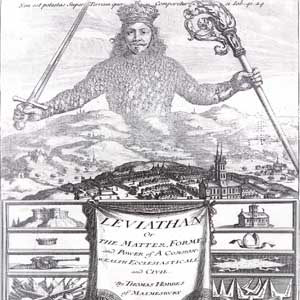
Leviathan, or The Matter, Forme and Power of a Common Wealth Ecclesiasticall and Civil, commonly called Leviathan, is a book written in 1651 by Thomas Hobbes. It is titled after the biblical Leviathan. The book concerns the structure of society (as represented figuratively by the frontispiece, showing the state giant made up of individuals), as is evidenced by the full title. In the book, Thomas Hobbes argues for a social contract and rule by a sovereign. Influenced by the English Civil War, Hobbes wrote that chaos or civil war - situations identified with a state of nature and the famous motto Bellum omnium contra omnes ("the war of all against all") - could only be averted by strong central government. He thus denied any right of rebellion toward the social contract. However, Hobbes did discuss the possible dissolution of the State. Since the social contract was made to institute a state that would provide for the "peace and defense" of the people, the contract would become void as s
-
32
-
31
-
30
-
29
-
28
-
27
-
26
-
25
-
24
-
23
-
22
-
21
-
20
-
19
-
18
-
17
-
16
-
15
-
14
-
13
-
12
-
11
-
10
-
9
-
8
-
7
-
6
-
5
-
4
-
3
-
2
-
1
We're indexing this podcast's transcripts for the first time — this can take a minute or two. We'll show results as soon as they're ready.
No matches for "" in this podcast's transcripts.
No topics indexed yet for this podcast.
Loading reviews...
ABOUT THIS SHOW
Leviathan, or The Matter, Forme and Power of a Common Wealth Ecclesiasticall and Civil, commonly called Leviathan, is a book written in 1651 by Thomas Hobbes. It is titled after the biblical Leviathan. The book concerns the structure of society (as represented figuratively by the frontispiece, showing the state giant made up of individuals), as is evidenced by the full title. In the book, Thomas Hobbes argues for a social contract and rule by a sovereign. Influenced by the English Civil War, Hobbes wrote that chaos or civil war - situations identified with a state of nature and the famous motto Bellum omnium contra omnes ("the war of all against all") - could only be averted by strong central government. He thus denied any right of rebellion toward the social contract. However, Hobbes did discuss the possible dissolution of the State. Since the social contract was made to institute a state that would provide for the "peace and defense" of the people, the contract would become void as s
HOSTED BY
LibriVox
CATEGORIES
Loading similar podcasts...
Frequently Asked Questions
How many episodes does Leviathan (Books I and II) by Thomas Hobbes (1588 - 1679) have?
Leviathan (Books I and II) by Thomas Hobbes (1588 - 1679) currently has 32 episodes available on PodParley. New episodes are automatically indexed when they're published to the podcast feed.
What is Leviathan (Books I and II) by Thomas Hobbes (1588 - 1679) about?
Leviathan, or The Matter, Forme and Power of a Common Wealth Ecclesiasticall and Civil, commonly called Leviathan, is a book written in 1651 by Thomas Hobbes. It is titled after the biblical Leviathan. The book concerns the structure of society (as represented figuratively by the frontispiece,...
How often does Leviathan (Books I and II) by Thomas Hobbes (1588 - 1679) release new episodes?
Leviathan (Books I and II) by Thomas Hobbes (1588 - 1679) has 32 episodes. Check the episode list to see recent publication dates and frequency.
Where can I listen to Leviathan (Books I and II) by Thomas Hobbes (1588 - 1679)?
You can listen to Leviathan (Books I and II) by Thomas Hobbes (1588 - 1679) on PodParley by clicking any episode. We provide an embedded audio player for direct listening, and you can also subscribe via your preferred podcast app using the RSS feed.
Who hosts Leviathan (Books I and II) by Thomas Hobbes (1588 - 1679)?
Leviathan (Books I and II) by Thomas Hobbes (1588 - 1679) is created and hosted by LibriVox.
URL copied to clipboard!