
PODCAST · business
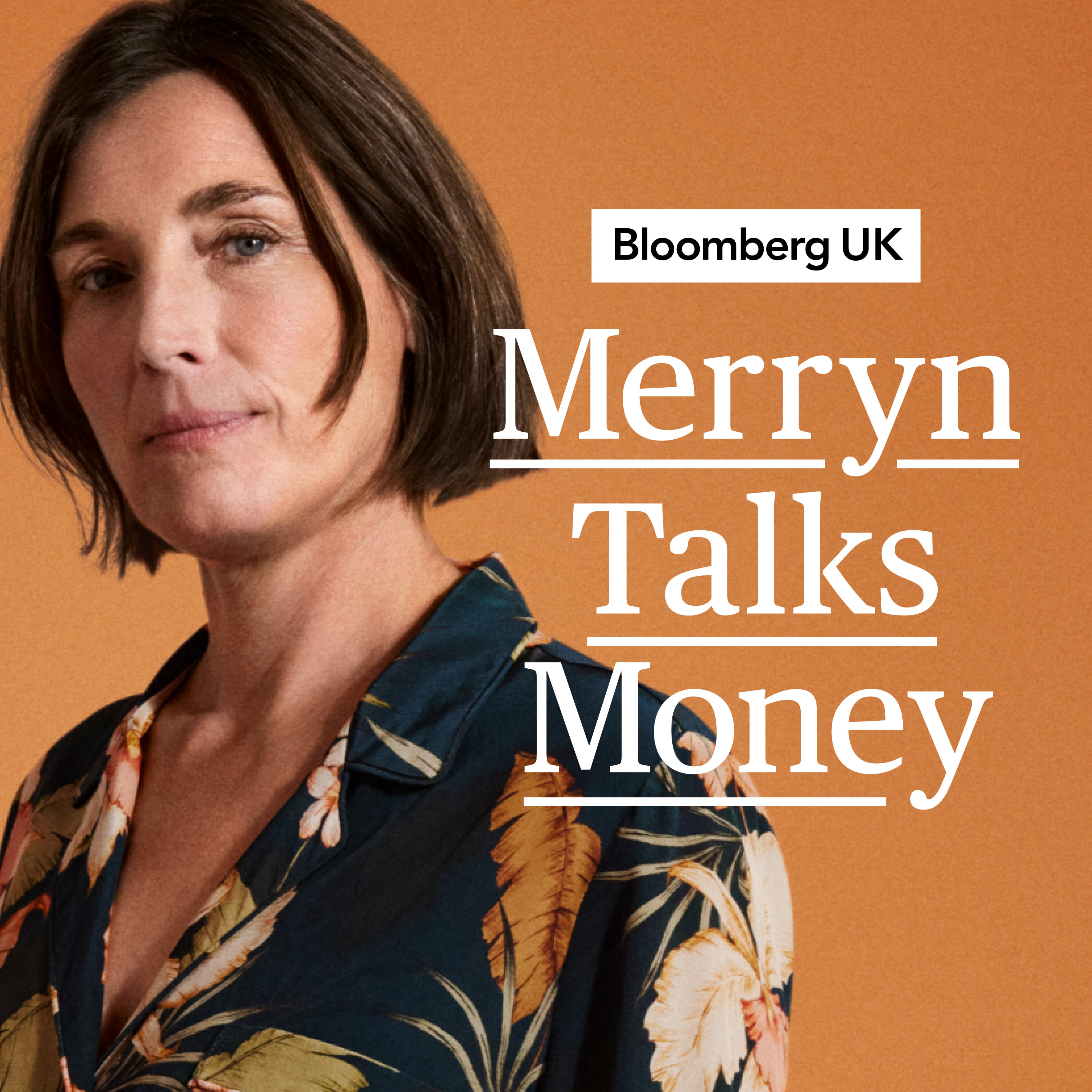
Merryn Talks Money
by Bloomberg
Merryn Talks Money with Bloomberg senior columnist Merryn Somerset Webb is your key to understanding how markets work – and how you can make them work for you. Every episode features a relaxed but in-depth conversation with a fund manager, a strategist, a Bloomberg expert or just someone Merryn finds particularly interesting in any given week. Listen in for the kind of insights and explanations everyone can use to help them make better saving and investing choices.
-
357
Live From Fringe: What Adam Smith Can Teach Us About Debt and Power
In this episode of Merryn Talks Money, host Merryn Somerset Webb is joined live at the Edinburgh Festival Fringe by Bloomberg Opinion columnist Adrian Wooldridge, former British ambassador Nick Hopton and Orbis Investment Management Chairman Alec Cutler to ask what Adam Smith can teach us about today's rapidly changing economic order. The panel considers rising government debt, the growing relationship between states and powerful companies, and whether the AI investment boom could follow the same pattern as previous market bubbles. They also discuss what it all means for investors, from the impact on gold and government bonds to the implications for energy stocks and, specifically for the UK, the future of the North Sea.See omnystudio.com/listener for privacy information.
-
356
Live From Fringe: What Adam Smith Would Say of Bond Market Turmoil
Host Merryn Somerset Webb is joined by Interactive Investor CEO Richard Wilson, Anna MacDonald, investment strategy director at Hargreaves Lansdown, and Russell Napier, financial historian and Keeper of the the Library of Mistakes for the second installment of panel discussions at Panmure House during the 2026 Edinburgh Festival Fringe.The panel discussed the state of global bond markets, how policymakers seem incapable of thinking about second-order consequences and the fiscal constraints facing the UK government.Original Music Composed by Mint SherbetsSee omnystudio.com/listener for privacy information.
-
355
Live from Fringe: What Adam Smith Can Teach Investors About AI and Investing
In this episode of Merryn Talks Money, host Merryn Somerset Webb is joined by Bloomberg senior reporter John Stepek, Schroders Head of Strategic Research Duncan Lamont and Nelsons Chairman and Creative Scotland Chair Robert Wilson for a special roundtable recorded at Panmure House during the Edinburgh Festival Fringe. Marking 250 years since the publication of The Wealth of Nations, they ask what Adam Smith can teach the world about artificial intelligence, government intervention and investing.The panel discusses whether policymakers interfere too much in markets, why holding too much cash can be a risk in itself and whether investors should worry about buying stocks at record highs. They also explore what the rise of AI could mean for jobs, trust and the relationships that hold societies together.Original Music Composed by Mint SherbetsSee omnystudio.com/listener for privacy information.
-
354
Markets Wrap: Predictions Meet AI Skepticism
Hosts Merryn Somerset Webb and John Stepek discuss the latest Nvidia news in which the company predicted its sales could rise by around 70% in the next fiscal year, beating analysts' expectations. Despite the positive outlook, Nvidia's share-price bump was relatively muted, suggesting investors are becoming more skeptical about artificial intelligence valuations and the financing of the technology boom.See omnystudio.com/listener for privacy information.
-
353
What Happens When Quantum Computing Actually Works?
Merryn Somerset Webb talks to Daniel Doll-Steinberg, Co-Founder & Partner at EdenBase, an investment firm that invests in quantum computing, about why the next great technological leap may arrive sooner than investors expect. They explore how quantum could transform drug discovery, finance and encryption. They also look at how investors can get meaningful exposure to the quantum boom, what “Q-Day” really means for Bitcoin, and why understanding philosophy goes hand-in-hand with understanding quantum. See omnystudio.com/listener for privacy information.
-
352
Markets Wrap: Higher Yields, Higher Gold
Hosts Merryn Somerset Webb and John Stepek are both back from their holidays and this week unpack the surge in global bond yields and how governments might respond. They also look at a study which suggested that Small Language Models (SLM) could make today’s vast AI data-centre buildout unnecessary, posing a substantial risk to hyperscalers and investors.https://arxiv.org/abs/2511.07885See omnystudio.com/listener for privacy information.
-
351
What it Takes to Build a Stagflation-proof Portfolio
Joining Merryn Somerset Webb for this week's episode is Duncan Lamont, Head of Strategic Research at Schroders. Lamont explains how investors can protect their portfolios against stagflation, and how to avoid being too exposed to the AI trade. He also explains why all-time highs might not actually be a sell signal for investors - and how AI-driven job losses might affect US stocks.https://www.schroders.com/en-us/us/institutional/insights/adapting-asset-allocation-to-the-risk-of-stagflation/ See omnystudio.com/listener for privacy information.
-
350
What's Eating Away at Inheritance Money Re-Run
At a Bloomberg.com subscriber event earlier this year, Merryn Somerset Webb and John Stepek spoke with Paula Steele, director at John Lamb Hill Oldridge, about how to pass on an inheritance efficiently — minimise tax, manage the succession process, and avoid unintended effects on beneficiaries’ motivation.This is a re-run of that conversation which first aired March 17th, 2026. See omnystudio.com/listener for privacy information.
-
349
The Capital Cycle Is Turning
What is "capital-cycle" investing and why does it matter for your portfolio? Luke Bridgeman, Senior Partner and Portfolio Manager at Hosking Partners joins Merryn Somerset Webb for a discussion on why supply, not demand, is the key to finding the best investment opportunities. The pair also discuss investing in Japan, energy markets, and why the shipping industry might be easier to break into than you think.See omnystudio.com/listener for privacy information.
-
348
Markets Wrap: Gold Rallies, AI Briefly Blows Up and the UK Market Still Needs Saving
It's been a tumultuous few weeks for markets, and yet nothing much has changed. Join Merryn Somerset Webb and John Stepek as they discuss why an AI hedge fund implosion and US intervention in the Japanese yen appear to have merely strengthened market optimism. Meanwhile, the FTSE 250 has hit a new record high, even as the underlying need for practical policy help to save the UK market from extinction becomes ever more urgent.See omnystudio.com/listener for privacy information.
-
347
You Are Unhappy Because You Aren't Taking Enough Risk
Have we become too risk-averse? This week John Stepek and Bloomberg Opinion columnist Allison Schrager discuss her new book, Worth the Risk, and why avoiding risk could be holding back both individuals and economies. They explore the challenges of retirement planning, whether homeownership is still a rewarding investment and what history can teach us about navigating the future of AI.See omnystudio.com/listener for privacy information.
-
346
Markets Wrap: Trouble Ahead For The AI Money Machine?
Large sections of the debt and equity markets now depend on the ongoing growth of a vast AI ecosystem that ranges from chipmakers to hyperscalers to end-consumers. Does this week's drama in the South Korean Kospi market point to a wider problem? On this week's Merryn Talks Money Markets Wrap, Author of the Money Distilled newsletter John Stepek, is joined by Bloomberg's Private Companies Managing Editor, Neil Callanan to talk through the the AI industry's growing reliance on debt, concerns about circular financing, and whether or not any crash here could spill over into the wider financial system.See omnystudio.com/listener for privacy information.
-
345
Hot Tips for Saving Money on Summer Vacation (Re-run)
On today's personal finance edition of Merryn Talks Money, we're playing an episode that first aired in July 2025 when hosts Merryn Somerset Webb and John Stepek, shared their top money-saving tips for helping you get the most out of your holiday. See omnystudio.com/listener for privacy information.
-
344
Are We Repeating the Biggest Mistake of 1873?
Pulitzer Prize-winning author Liaquat Ahamed joins Merryn Somerset Webb to discuss 1873: The First Great Depression and the Making of the Modern World, exploring how the first truly global financial crash reshaped economics, politics and society for decades to come. Together, they unpack striking parallels between the railway boom of the 1870s and today's AI investment frenzy, asking whether history is once again rhyming—and what investors should learn before the next bubble bursts.See omnystudio.com/listener for privacy information.
-
343
Markets Wrap: Inflation Means Bad News for Burnham
Even as Britain welcomed a new Prime Minister this week, renewed conflict in the Middle East threatened to remove what little breathing space he may have had, pushing up everything from oil to food prices. This week, John Stepek is joined by Bloomberg macro strategist Simon White to discuss why inflation matters so much for asset prices, what it might mean for the increasingly indebted AI companies, and what it all means for your money. Check out this week's Merryn Talks Money Markets Wrap.See omnystudio.com/listener for privacy information.
-
342
What the Next Generation Wants From Wealth Managers: Part 2
Here is the second part of our special broadcast on how the next generation of investors is changing the wealth management industry. Merryn Somerset Webb brings together Bloomberg's John Stepek, Bytetree's Charlie Morris and Jean-Damien Marie, Global Head of Investments for Barclay's Private Bank and Wealth Management. Join us in Edinburgh for Fringe Festival! https://www.edfringe.com/tickets/whats-on/the-butcher-the-brewer-the-baker-and-merryn-somerset-webbSee omnystudio.com/listener for privacy information.
-
341
Is Asia's AI Boom Creating the Next Investment Bubble?
Asia's AI-fueled market rally has created huge winners — but also growing risks. In this episode, Merryn Somerset Webb speaks with Invesco fund manager Fiona Yang about why Korea's AI boom has become increasingly volatile, where she's still finding value in China and India and why the next generation of winners may be the companies using AI rather than building it.Join us in Edinburgh for Fringe Festival! https://www.edfringe.com/tickets/whats-on/the-butcher-the-brewer-the-baker-and-merryn-somerset-webbSee omnystudio.com/listener for privacy information.
-
340
Markets Wrap: SpaceX Returns to Earth, UK Sheds More Stocks
It's been a week of turning points in markets: from Japan's shifting stance on the weak yen, to star fund manager Terry Smith revisiting his "buy and hold" strategy, to incoming British Prime Minister Andy Burnham's apparent last-minute change of heart on chancellor, to SpaceX falling below its IPO price. One thing that didn't change - the UK market keeps shedding stocks. What does it all mean for your money? Merryn and John sum up a hectic week in the Merryn Talks Money Market Wrap.https://www.edfringe.com/tickets/whats-on/the-butcher-the-brewer-the-baker-and-merryn-somerset-webbhttps://www.fundsmith.co.uk/media/lfhpxi1x/fundsmith-equity-fund-semi-annual-letter-to-shareholders-2026.pdf See omnystudio.com/listener for privacy information.
-
339
What the Next Generation Wants From Wealth Managers
In the first of a two-part special recorded live at Bloomberg's London offices, Merryn Somerset Webb brings together Bloomberg's John Stepek, Bytetree's Charlie Morris and Jean-Damien Marie, Global Head of Investments for Barclay's Private Bank and Wealth Management to discuss how the next generation of investors is changing the wealth management industry. From Bitcoin and gold to private equity, ESG and the future of the 60/40 portfolio, the panel explores what tomorrow's wealthy clients want — and whether traditional investment advice is keeping up.See omnystudio.com/listener for privacy information.
-
338
Forget the Magnificent Seven. This Is What's Next.
Sign up for our wealth management webinar. It's free! Register now to reserve your place. https://events.bloombergevents.com/event/website/a95c1380-56d6-4d12-89a1-950bdf99d55a/landingPage Anthropic, Stripe and OpenAI are some of the world's most sought-after private companies. Maggie Fanari explains to host Merryn Somerset Webb how her team invests in them and firms like them before they reach public markets. Fanari is chief executive of J.Rothschild Capital Management, which manages the 4.5 billion pound ($6 billion) RIT Capital Partners trust. She shares why she believes the next wave of artificial intelligence could create a $60 trillion opportunity, why private markets are becoming increasingly important and where she sees the biggest investment opportunities over the next decade.See omnystudio.com/listener for privacy information.
-
337
Markets Wrap: Oil Rises, Tech Falters: What Investors Need to Know
Bloomberg senior reporter John Stepek is joined by co-editor of Bloomberg’s Markets Today blog, Morwenna Coniam to discuss the ever changing status of the Iran ceasefire and the resulting impact on oil prices and bond yields. They also highlight the growing evidence that the AI trade could be falling apart and what this means for global markets.See omnystudio.com/listener for privacy information.
-
336
The UK's Shrinking REITs Sector Is Still Attracting Buyers
The number of REITs (real estate investment trusts) listed in London has shrunk dramatically over the past five years. Now the biggest REIT on the market is the subject of a bid from a US buyer. In this week's personal finance edition of Merryn Talks Your Money, Bloomberg senior reporter and author of the Money Distilled newsletter, John Stepek, is joined by Bloomberg real estate team leader Jack Sidders to discuss the health of the UK's commercial property sector, whether there is more consolidation to come, and what it might say about REIT valuations. See omnystudio.com/listener for privacy information.
-
335
The Biggest AI Investment Mistakes Investors Could Make
AI can read every earnings report, filing and research note in seconds — but can it ever replace the instincts of a seasoned investor? Merryn Somerset Webb sits down with Causeway Capital Management chief executive Sarah Ketterer to explore where AI is genuinely changing fund management and why human judgment still matters. Ketterer also shares where she is finding value in today's markets, highlighting opportunities in healthcare, enterprise software, UK equities and overlooked Chinese companies while warning investors about the risks of chasing the AI semiconductor boom.See omnystudio.com/listener for privacy information.
-
334
What Is 'Manchesterism'— And Will It Boost Britain's Economy?
Merryn Somerset Webb and John Stepek are joined by Cavendish's Roger Lee to unpack Andy Burnham's North Star of "Manchesterism" and what it could mean for the UK economy, markets, and investors. They debate whether devolving more power to the regions represents genuine economic reform or simply another version of heavy-handed state intervention, while exploring the implications for growth, government spending, fiscal policy, and the UK's increasingly fragile bond market.See omnystudio.com/listener for privacy information.
-
333
Is Vintage Jewelry the Next Great Investment?
Could vintage jewelry be one of the smartest real assets to own right now? Merryn Somerset Webb speaks with vintage jewelry expert Emma de Sybel, a former banker who is now the director of Baroque Rocks, about which gemstones, eras, and brands are holding their value—and why buying pre-owned pieces could offer both financial potential and something beautiful to wear.See omnystudio.com/listener for privacy information.
-
332
Man Group's Ed Cole: How to Adapt Your Portfolio to a Changing World
Despite agreeing that AI is likely as transformative as its proponents argue, Ed Cole, head of multi-strategy equities at Man Group, believes it’s too early to understand whether there’s a bubble. Meanwhile, the growing backlash against globalization and an effort to reshore means traditional 60/40 portfolios are at risk of becoming outdated. He says a reallocation of assets across gold, small caps and liquid alternatives could be essential to keep up with a changing macro environment. See omnystudio.com/listener for privacy information.
-
331
Markets Wrap: Gilts, Gold and AI’s Price Tag
Merryn Somerset Webb is joined by Sam Unsted, editor of Bloomberg’s Markets Today blog. Together they discuss rallying UK gilts in the wake of Prime Minister Keir Starmer’s resignation, inflation fears resulting from the artificial intelligence infrastructure boom and how narrative and sentiment look to be shaping the gold price.See omnystudio.com/listener for privacy information.
-
330
How Much Could Andy Burnham Cost You?
Can Andy Burnham keep his promises without hitting Britons in the pocket? Merryn Somerset Webb speaks with Bloomberg's Phil Aldrick about the tax hikes, spending pressures and economic realities facing Britain's likely next Prime Minister—and why there may be no painless solutions.See omnystudio.com/listener for privacy information.
-
329
Carson Block: AI Could Trigger the Next Financial Crisis
Carson Block believes investors may be underestimating the economic consequences of artificial intelligence. The Muddy Waters founder and CEO joins Merryn Somerset Webb to explain why recent advances in AI have made him rethink its impact on the labour market—and why he believes widespread displacement of knowledge workers could eventually create a major challenge for financial markets.See omnystudio.com/listener for privacy information.
-
328
Passive Investing, SpaceX and the AI Boom: Are Markets Too Concentrated?
Merryn Somerset Webb and Bloomberg Opinion columnist and senior markets editor John Authers discuss how SpaceX’s market debut has highlighted the hidden risks of passive investing, from index concentration to the growing influence of benchmark providers. They also assess new Fed Chair Kevin Warsh’s first policy signals and debate whether today’s AI boom is a bubble—and what could bring it to an end.See omnystudio.com/listener for privacy information.
-
327
The SpaceX IPO: Opportunity or Overvalued?
The SpaceX blockbuster IPO has captivated retail investors, but what happens after the initial excitement fades? Merryn Somerset Webb speaks to Hargreaves Lansdown's Anna Macdonald about the extraordinary demand for shares, the dangers of concentration risk, and what the IPO means for market democracy. See omnystudio.com/listener for privacy information.
-
326
This Hated Corner of the Stock Market Is Yielding Big Returns
Laurence Hulse, founder and lead fund manager of Onward Opportunities, explains how he launched and grew a specialist UK small-cap investment trust despite one of the toughest environments in decades for both investment trusts and British equities. He shares his "gems among the rubble" approach to uncovering overlooked companies, discusses why UK small caps remain deeply undervalued and reveals how active engagement, artificial intelligence-powered research tools and intensive company analysis have helped his fund significantly outperform its peers.See omnystudio.com/listener for privacy information.
-
325
Are Public Markets Back?
On this week's Merryn Talks Money markets wrap, Merryn Somerset Webb and John Stepek discuss gold's recent correction and debate what healthy allocation could actually look like. They also consider what upcoming bumper IPOs mean for the return of public markets and whether inheritance tax free "patriotic bonds" could help Britain fund its defence budget.See omnystudio.com/listener for privacy information.
-
324
The Rich Are Getting Richer: What Do They Want From Wealth Managers?
Who became wealthier in 2025 and what do they want from their financial advisor? Merryn Somerset Webb sits down with Capgemini's Gareth Wilson to discuss the latest World Wealth Report, the rise of robo-advisors and family offices and why traditional wealth management firms are facing growing competition. They also debate the question: Do investors want empathy from their wealth manager or simply better returns?See omnystudio.com/listener for privacy information.
-
323
SpaceX Emergency Podcast: FOMO is Not an Investment Strategy
On this special episode of the Merryn Talks Money markets wrap, hosts Merryn Somerset Webb and John Stepek discuss the SpaceX IPO. How can UK investors get access? Do the numbers add up? Why will it make life more complicated for passive investors? And what are the implications for the long queue of AI IPOs still to come, and for wider markets?See omnystudio.com/listener for privacy information.
-
322
Why Democracy Needs the Rich: John O. McGinnis on Wealth, Power and Pluralism
At a time when politicians across the West are calling for higher taxes on the wealthy, legal scholar and author John O. McGinnis offers a strikingly different view: what if democracy needs the rich? He joins Merryn Somerset Webb to discuss power, inequality, free speech and what he says is the hidden role wealth plays in keeping democratic societies healthy.See omnystudio.com/listener for privacy information.
-
321
SpaceX Fever, Bitcoin's Bad Week and How to Get the UK Investing
On this week's markets wrap, John Stepek and Sam Unsted, editor of the Markets Today blog, explore the implications of SpaceX’s anticipated $75 billion IPO, debating whether its massive size could reshape market structure, passive investing, and investor appetite for AI-related assets. They also highlight Bitcoin’s sharp decline this year and the UK’s long-running challenge of encouraging retail investors to move cash savings into investments.See omnystudio.com/listener for privacy information.
-
320
Inheritance Tax Is Catching More People — Here's How to Fight Back
Inheritance tax is catching more families than ever, and recent rule changes will only extend the net even further. In this episode, hosts Merryn Somerset Webb and John Stepek discuss the most effective ways to reduce an IHT bill with inheritance tax specialist Rob May, including a detailed look at the types of insurance available, and how much they're likely to cost you.See omnystudio.com/listener for privacy information.
-
319
Why Africa’s Population Boom Could Power Its Next Growth Era
Could Africa’s long-misunderstood population boom become its greatest economic advantage? Economist and author Joe Studwell joins host Merryn Somerset Webb to discuss his book, How Africa Works: Success and Failure on the World's Last Developmental Frontier. He argues that rising population density is already transforming the continent by creating deeper markets, boosting agricultural productivity, supporting urbanization and making manufacturing more viable. While governance, debt and commodity dependence remain risks, he sees a more diverse, locally driven growth story emerging across Africa.See omnystudio.com/listener for privacy information.
-
318
Blair Versus Starmer - Can the Government Get Out of Britain's Way?
How can Keir Starmer - or whoever leads the country next - help to turn the UK’s fortunes around? Simon French, Managing Director, Chief Economist and Head of Research at Panmure Liberum joins co-host John Stepek to discuss former UK Prime Minister Tony Blair’s 5000-word prescription for the UK economy, the growing backlash towards Net-Zero policies and why the UK is at risk of sliding towards another “Liz Truss Moment”.See omnystudio.com/listener for privacy information.
-
317
What's the Smartest Way to Save in 2026?
Hosts Merryn Somerset Webb and John Stepek take another listener question, this time around the pros and cons of ISAs, LISAs, and SIPPs. They debate the most tax-efficient method of saving depending on one's circumstances and why savers need to be aware of the withdrawal rules to avoid any nasty surprises.See omnystudio.com/listener for privacy information.
-
316
Price Controls, Britain's Struggling Jobs Market, and the SpaceX IPO
In Merryn's absence this week John Stepek and Sam Unsted, editor on the Bloomberg Markets Today live blog, discuss how weak UK economic data has actually provided some relief for gilts this week, look at the problems with both proposed and existing government price controls, and wonder whether the coming wave of mega-IPOs led by SpaceX might take some of the exuberance out of stocks.See omnystudio.com/listener for privacy information.
-
315
Your Questions Answered: Pensions, Capital Gains Tax and More
Merryn Somerset Webb and John Stepek answer listener questions on how retail investor flows, passive investing, and social media have reshaped markets, arguing that the surge in everyday investing has significantly boosted stock prices — particularly in the US. They also discuss practical personal finance challenges around pensions, capital gains tax, and passive versus active investing.See omnystudio.com/listener for privacy information.
-
314
Why Investors Should Expect Lower Returns From Here
Merryn Somerset Webb speaks to Pictet Asset Management Chief Strategist Luca Paolini about why markets remain remarkably resilient despite geopolitical turmoil, inflation fears and mounting fiscal risks. Paolini argues that the AI investment boom, strong corporate earnings and persistent US economic strength continue to support markets — but warns that the era of US exceptionalism may be fading, making diversification and lower long-term return expectations essential for investors. See omnystudio.com/listener for privacy information.
-
313
The UK Is Still Losing Cheap Stocks to Private Equity Bargain Hunters
For this week's second installment of the news round up, hosts Merryn and John discuss how cheap UK stocks are still being bought up by private equity firms; and how rising inflation could put a stop to the highly-concentrated surge in US equity markets. They also talk about changes to the Premium Bond prize rate which mean the odds of winning are set to improve and consider how governments could make wider use of lottery-style fundraising.See omnystudio.com/listener for privacy information.
-
312
Emergency Podcast: Why Britain's Political Turmoil Will End In Crisis
Why Britain Needs A Crisis To Turn The Country AroundBritain has once again been plunged into political turmoil. Despite rebellion in the ranks, Prime Minister Keir Starmer refuses to go, and it's not yet clear which - if any - of his potential challengers will lay down the gauntlet to try to take the leadership from him. And nor is it clear, given the divided nature of the Labour party, that any new Prime Minister could hold down the job until the next general election. Merryn Somerset Webb and John Stepek discuss why Britain may need a 1976-style crisis to persuade our politicians to finally get a grip. See omnystudio.com/listener for privacy information.
-
311
The Smartest Move You’re Not Making on Your Mortgage
Mortgage rates have jumped sharply—and fast—leaving buyers and homeowners scrambling to decide what to do next. Merryn Somerset Webb and John Stepek sit down with mortgage expert Anthony Emmerson, director at Trinity Financial, to unpack what’s really driving the market, whether now is still a good time to buy, and the surprisingly simple strategy that could save you thousands when remortgaging.See omnystudio.com/listener for privacy information.
-
310
What If AI’s Biggest Impact Isn’t Jobs, But Minds?
What if AI isn’t coming for your job — but for your mind? In this episode of Merryn Talks Money, Merryn Somerset Webb speaks to Tom Slater, manager of Scottish Mortgage Investment Trust and partner at Baillie Gifford about his provocative paper, “AI Isn’t Coming for Your Job. It’s Coming for Your Mind,” and why the real risk may be a world that looks more productive while quietly losing the judgement, learning and expertise that make progress possible. They also discuss what that means for the future workforce and smart investing. Check out Tom Slater’s paper here: https://www.bailliegifford.com/en/global/all-users/insights/ic-article/2026-q1-ai-isn-t-coming-for-your-job-it-s-coming-for-your-mind-10061431/Sign up for the Merryn Talks Money newsletter: https://www.bloomberg.com/account/newsletters/merryn-talks-moneySign up for the Money Distilled newsletter https://www.bloomberg.com/account/newsletters/money-distilledSee omnystudio.com/listener for privacy information.
-
309
Melt-Up or Mirage? Markets Ignore Everything but Earnings
Markets are ripping higher on blockbuster earnings and AI euphoria—but on this week's markets wrap, hosts Merryn Somerset Webb and John Stepek aren’t buying the calm. From contrarian magazine covers to a looming of IPO supply, they ask whether this melt-up is masking the seeds of the next downturn.See omnystudio.com/listener for privacy information.
-
308
Free Booze to Real Power: Why Shareholder Perks Matter
What if owning a single share could get you discounted wine, cheaper holidays—or even a stronger voice in corporate decisions? Merryn Somerset Webb and John Stepek explore the forgotten world of shareholder perks, arguing they’re not just fun freebies but a powerful way to reconnect investors with the companies they own.See omnystudio.com/listener for privacy information.
We're indexing this podcast's transcripts for the first time — this can take a minute or two. We'll show results as soon as they're ready.
No matches for "" in this podcast's transcripts.
No topics indexed yet for this podcast.
Loading reviews...
ABOUT THIS SHOW
Merryn Talks Money with Bloomberg senior columnist Merryn Somerset Webb is your key to understanding how markets work – and how you can make them work for you. Every episode features a relaxed but in-depth conversation with a fund manager, a strategist, a Bloomberg expert or just someone Merryn finds particularly interesting in any given week. Listen in for the kind of insights and explanations everyone can use to help them make better saving and investing choices.
HOSTED BY
Bloomberg
Loading similar podcasts...
Frequently Asked Questions
How many episodes does Merryn Talks Money have?
Merryn Talks Money currently has 50 episodes available on PodParley. New episodes are automatically indexed when they're published to the podcast feed.
What is Merryn Talks Money about?
Merryn Talks Money with Bloomberg senior columnist Merryn Somerset Webb is your key to understanding how markets work – and how you can make them work for you. Every episode features a relaxed but in-depth conversation with a fund manager, a strategist, a Bloomberg expert or just someone Merryn...
How often does Merryn Talks Money release new episodes?
Merryn Talks Money has 50 episodes. Check the episode list to see recent publication dates and frequency.
Where can I listen to Merryn Talks Money?
You can listen to Merryn Talks Money on PodParley by clicking any episode. We provide an embedded audio player for direct listening, and you can also subscribe via your preferred podcast app using the RSS feed.
Who hosts Merryn Talks Money?
Merryn Talks Money is created and hosted by Bloomberg.
URL copied to clipboard!