
PODCAST · arts
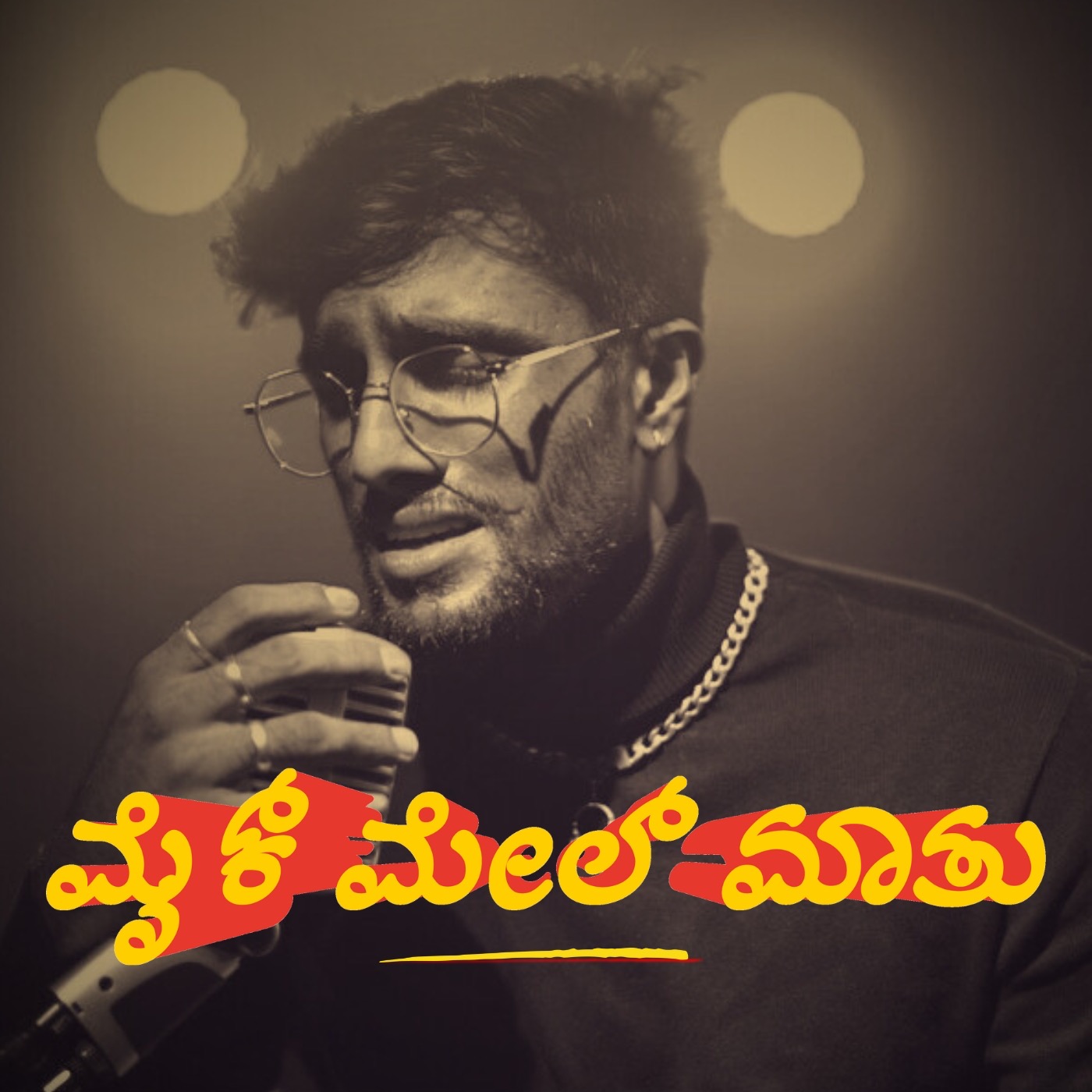
Mic Mel Maathu
by Rahul Rao
This podcast is about Kannada Book Summaries, Stories, Poem, Chit Chats, etc."When we find the courage to use our voice, it has the power to positively inspire or change the lives of others”
-
6
Keladi Chennamma
After Somashekhara Nayaka's death in 1677, Chennamma efficiently handled the administration of the Keladi Nayaka dynasty. During her reign of 25 years, she repelled the advance of the Mughal Army led by Aurangzeb from her military base in the kingdom of Keladi located in Sagara, Karnataka, India. She adopted Basavappa Nayaka, one of her close relatives who succeeded as Hiriya Basappa Nayaka. She also rendered a trade agreement with the Portuguese involving commodities like pepper and rice. Channagiri is named after her.
-
5
Tribhuvanamalla Vikrama
Vikramaditya VI (r. 1076 – 1126 CE) became the Western Chalukya King after deposing his elder brother Someshvara II, a political move he made by gaining the support of Chalukya vassals during the Chola invasion of Chalukya territory.Vikramaditya's reign is marked with the abolishment of the Saka era and the start of the Chalukya-Vikrama era. He was the greatest of the Western Chalukya kings and had the longest reign in the dynasty. He earned the title Permadideva and Tribhuvanamalla (lit "lord of three worlds").He had several queens who ably assisted him in administration. One of his queens, Chandala Devi, a princess from the Shilahara ruling family of Karad was called Abhinava Saraswati for her skills as an artist. Queen Kethala Devi administered the Siruguppa region and Savala Devi was in charge of an Agrahara in Naregal.According to the historian Kamath, Vikramaditya VI was a "great king who ruled over South India" and he finds a "pride of place in Karnataka history". More inscriptions in Kannada are attributed to Vikramaditya VI than any other king prior to the Vijayanagara era.
-
4
Chalukya Vikramaditya
Vikramaditya VI (r. 1076 – 1126 CE) became the Western Chalukya King after deposing his elder brother Someshvara II, a political move he made by gaining the support of Chalukya vassals during the Chola invasion of Chalukya territory.Vikramaditya's reign is marked with the abolishment of the Saka era and the start of the Chalukya-Vikrama era. He was the greatest of the Western Chalukya kings and had the longest reign in the dynasty. He earned the title Permadideva and Tribhuvanamalla (lit "lord of three worlds").He had several queens who ably assisted him in administration. One of his queens, Chandala Devi, a princess from the Shilahara ruling family of Karad was called Abhinava Saraswati for her skills as an artist. Queen Kethala Devi administered the Siruguppa region and Savala Devi was in charge of an Agrahara in Naregal.According to the historian Kamath, Vikramaditya VI was a "great king who ruled over South India" and he finds a "pride of place in Karnataka history". More inscriptions in Kannada are attributed to Vikramaditya VI than any other king prior to the Vijayanagara era.
-
3
The "Hoy Sala " story of Sala and the tiger
Hoy Sala ” ( Strike Sala ! ) said the guru Sudatta Muni to his student, Sala when a "tiger" attacked them. The student struck the animal in one blow, and the guru was so pleased that he asked Sala to establish a kingdom - the Hoysala dynasty.The Hoysala Kingdom was a indian royal dynasty originating from the Indian subcontinent that ruled most of what is now Karnatakabetween the 10th and the 14th centuries. The capital of the Hoysalas was initially located at Belur, but was later moved to Halebidu.
-
2
The greatest Chalukyan Emperor Immadi Pulikeshi
Pulakeshi II : Pulikeshi r. c. 610–642 CE) popularly known as Immadi Pulikeshi, was the greatest Chalukyan Emperor who reigned from Vatapi (present-day Badami in Karnataka, India). During his reign, the Chalukya Empire expanded to cover most of the Deccan region in peninsular India.
-
1
Veera Mayura Sharma
This episode contains the story of “Veera Mayura Sharma”Mayurasharma or Mayuravarma (reigned 345–365 CE), a native of Talagunda (in modern Shimoga district), was the founder of the Kadamba Kingdom of Banavasi, the earliest native kingdom to rule over what is today the modern state of Karnataka, India. Before the rise of the Kadambas, the centres of power ruling the land were outside the Karnataka region; thus the Kadambas ascent to power as an independent geo-political entity, with Kannada, the language of the soil as a major regional language, is a landmark event in the history of modern Karnataka with Mayura Sharma as an important historical figure. The earliest Kannada language inscriptions are attributed to the Kadambas of Banavasi.
We're indexing this podcast's transcripts for the first time — this can take a minute or two. We'll show results as soon as they're ready.
No matches for "" in this podcast's transcripts.
No topics indexed yet for this podcast.
Loading reviews...
Loading similar podcasts...
Frequently Asked Questions
How many episodes does Mic Mel Maathu have?
Mic Mel Maathu currently has 6 episodes available on PodParley. New episodes are automatically indexed when they're published to the podcast feed.
What is Mic Mel Maathu about?
This podcast is about Kannada Book Summaries, Stories, Poem, Chit Chats, etc."When we find the courage to use our voice, it has the power to positively inspire or change the lives of others”
How often does Mic Mel Maathu release new episodes?
Mic Mel Maathu has 6 episodes. Check the episode list to see recent publication dates and frequency.
Where can I listen to Mic Mel Maathu?
You can listen to Mic Mel Maathu on PodParley by clicking any episode. We provide an embedded audio player for direct listening, and you can also subscribe via your preferred podcast app using the RSS feed.
Who hosts Mic Mel Maathu?
Mic Mel Maathu is created and hosted by Rahul Rao.
URL copied to clipboard!