PODCAST · education
Montessori Pathways
by Aradhna Dhawan
Welcome to the Montessori Pathways Podcast, the show where we explore the world of Montessori education, sharing insights, experiences, and practical tips from my twenty years in the classroom as a certified Montessori educator. I'm your host Aradhna Dhawan and I'm thrilled to have you join me on this journey.
-
58
Season 2 Episode 26: The Montessori and Creativity – Storytelling, Drama, and Self-Expression
The Role of Creativity in the Montessori Education Today, we’re diving into an exciting topic—how Montessori education nurtures creativity through storytelling, drama, and self-expression. Creativity isn’t just about artistic talent; it’s about thinking outside the box, expressing ideas, and problem-solving in unique ways.Dr. Maria Montessori believed that creativity is an essential part of human development. She wrote, 'Imagination does not become great until human beings, given the courage and the strength, use it to create.' Montessori classrooms provide the environment, materials, and freedom for children to bring their ideas to life.Unlike traditional education, where creativity is often confined to specific art or music classes, Montessori fosters creative thinking across all subjects. Whether it’s through storytelling, acting out historical events, or expressing ideas through movement, Montessori children learn to embrace their imagination.Think about a time when you felt most creative. Was it writing a story, performing, or solving a problem in an unexpected way? Creativity is everywhere, and Montessori makes sure children experience it daily.The Power of Storytelling Storytelling plays a significant role in language development, history, and cultural studies.The Great Lessons—Montessori’s signature cosmic stories—ignite curiosity and inspire children to ask big questions.Students often write and illustrate their own books, retelling what they’ve learned in their own words.How Montessori Encourages Storytelling, Drama, and Self-ExpressionCreativity in Montessori is not just encouraged—it’s woven into the learning process. Let’s explore how storytelling, drama, and self-expression come to life in Montessori classrooms.Creative writing exercises allow students to expand on historical narratives, imagine what life was like in ancient civilizations, or invent new worlds based on scientific concepts.
-
57
Season 2 Episode 25: Montessori and Community – Teaching Social Responsibility and Global Citizenship
The Role of Community in Montessori Education : Welcome back to Montessori Pathways! In today’s episode, we’re exploring an important aspect of Montessori education—building a sense of community and social responsibility. Montessori classrooms are not just places of academic learning; they are microcosms of society, where children develop a deep understanding of cooperation, responsibility, and global awareness.Dr. Maria Montessori believed that education should prepare children to be responsible and compassionate citizens of the world. She said, 'Establishing lasting peace is the work of education.' This philosophy is embedded in Montessori classrooms, where children are encouraged to think beyond themselves, contribute to their community, and understand the broader world.In traditional schools, students often follow rules because they are imposed upon them. In Montessori, children create, discuss, and uphold their own community agreements, which fosters a sense of ownership and responsibility. From the classroom environment to global citizenship, Montessori students learn that they are part of something greater than themselves.Think about a time when you felt truly connected to a community. What made that experience meaningful? Montessori education provides children with these moments from a very young age.Montessori classrooms are intentionally designed to foster a sense of belonging, empathy, and responsibility. Let’s look at some of the ways this happens.Grace and Courtesy LessonsIn Montessori, even the youngest students learn grace and courtesy—how to respect others, engage in polite conversation, and resolve conflicts peacefully. These lessons help children develop strong social skills and emotional intelligence.Children practice saying ‘please’ and ‘thank you,’ greeting others respectfully, and making eye contact.They learn how to listen actively and take turns in conversation, building foundational skills for collaboration.
-
56
Season 2 Episode 24: Building Resilience and a Growth Mindset in the Montessori Education
Dr. Maria Montessori believed that children thrive when they learn to embrace difficulties as opportunities for growth. She said, 'The greatest sign of success for a teacher is to be able to say, the children are now working as if I did not exist.' This independence and ability to face challenges head-on are hallmarks of resilience.In traditional education, failure is often seen as something negative, but in Montessori, mistakes are viewed as learning opportunities. Instead of being afraid of failure, children are encouraged to try, reflect, and improve—a concept closely aligned with psychologist Carol Dweck’s growth mindset theory, which suggests that intelligence and abilities can be developed through effort and learning.Think about a time when you faced a challenge and grew stronger because of it. What helped you overcome the difficulty? Montessori nurtures this same ability in children.Welcome back to Montessori Pathways! Today, we’re diving into an essential skill for lifelong success—resilience and the growth mindset. How do Montessori classrooms cultivate perseverance, problem-solving, and a positive attitude toward challenges?
-
55
Season 2 Episode 23 Iceberg Theory
In today’s episode, we’re diving into the Iceberg Theory of Behavior—a powerful framework that helps educators and parents understand what drives a child’s actions.At first glance, a child’s behavior might seem obvious—tantrums, refusal to follow directions, outbursts of joy, or intense focus. But according to the Iceberg Theory, what we see on the surface is just a small fraction of what’s really going on. Originally inspired by the work of psychologist Sigmund Freud and later expanded upon by child development experts, this theory suggests that a child's observable behavior is only the tip of the iceberg. Underneath lies a complex network of thoughts, emotions, unmet needs, triggers, and developmental stages that drive what we see.In a Montessori context, understanding this theory allows educators to look beyond behavior and respond with compassion, curiosity, and support rather than quick judgment or punishment.""When your child acts out or shuts down, do you pause to ask: what’s happening beneath the surface? Montessori invites us to shift from reaction to reflection."
-
54
Season 2 Episode 22 Critical Thinking and Meaningful Discussions in the Montessori Education
In today’s episode, we’re going to explore how Montessori education fosters critical thinking and meaningful discussions—skills that are essential for lifelong learning and informed decision-making.Dr. Maria Montessori believed that true education comes from curiosity, exploration, and deep understanding. She once said, 'The child is both a hope and a promise for mankind.' This promise is best fulfilled when we empower children to think critically, ask questions, and engage in meaningful dialogue.In traditional education, students are often given answers and expected to memorize information without questioning it. In Montessori, however, children learn to think for themselves. They are encouraged to challenge ideas, analyze different perspectives, and form their own conclusions through discussion and discovery. Think about the last time you had a meaningful conversation that changed your perspective. What made it impactful? Montessori classrooms create these opportunities for children every day.
-
53
Season 2 Episode 21: Montessori and Financial Literacy – Teaching Real-World Decision-Making
Today, we’re diving into a topic that’s essential for lifelong success but often overlooked in traditional education—financial literacy. How do children learn about money, budgeting, and responsible financial decision-making in Montessori education? The answer lies in real-world experiences and hands-on learning.Dr. Maria Montessori believed that children should be active participants in their environment and that education should prepare them for all aspects of life. She once said, 'The essence of independence is to be able to do something for one’s self.' Financial independence begins with early exposure to money management, decision-making, and real-world financial experiences.Unlike conventional education, where financial literacy is often taught in theoretical lessons or as an elective, Montessori integrates financial understanding into daily life. Children handle real money, participate in budgeting activities, and experience financial decision-making firsthand.
-
52
Season 2 Episode 20: Montessori and Entrepreneurship – Nurturing Future Innovators
Today’s episode is about something that may not be immediately associated with Montessori education but is deeply connected—entrepreneurship. You might be wondering, how does Montessori education prepare children to become innovative thinkers, self-starters, and entrepreneurs?Dr. Maria Montessori believed that education should prepare children for life, not just for standardized tests. She said, 'Never help a child with a task at which he feels he can succeed.' This quote embodies the entrepreneurial mindset. Montessori education encourages independence, self-motivation, and resilience—qualities that are essential for entrepreneurs.Entrepreneurship isn’t just about starting a business; it’s about problem-solving, creativity, and adaptability. Montessori students develop these skills through their self-directed learning experiences, where they are given the freedom and responsibility to make decisions, manage projects, and think critically."
-
51
Season 2 Episode 19 Leadership and Collaboration in the Montessori Classroom
Many people think of leadership as a position of power, but in Montessori, leadership is something very different. It is about service, responsibility, and inspiring others through action.Dr. Maria Montessori believed that children are naturally capable of leadership when given the right environment. She wrote, 'A child who has become master of his acts through long and repeated exercises, and who has been encouraged by the pleasant and interesting activities in which he has been engaged, is a strong and independent being.' In other words, leadership is not imposed but emerges naturally when children are empowered to take ownership of their learning and community.
-
50
Season 2 Episode 18 Creativity and Imagination in the Montessori Education
Today, we're diving into one of my favorite topics: creativity and imagination in Montessori education. These elements are essential, not just in art but across all areas of learning. Dr. Maria Montessori believed that imagination and creativity flourish when children have meaningful, real-world experiences to inspire them. She once wrote: 'Imagination does not become great until human beings, given the courage and strength, use it to create.'In many traditional classrooms, creativity might be limited to occasional art or music lessons. But in Montessori, creativity is woven into the very fabric of daily learning. Children are given the freedom and resources to explore, experiment, and express themselves. By working with hands-on materials, engaging in storytelling, and creating projects, they develop both their creative potential and problem-solving skills.""Think about the moments when you felt most creative as a child. Were you painting, building something, or perhaps imagining entire worlds through stories? Montessori education nurtures these same opportunities for discovery and creativity."
-
49
Season 2 Episode 17: Nurturing Emotional Intelligence in the Montessori Elementary Classroom
Today’s episode focuses on a crucial yet often overlooked area: emotional intelligence, or EI. We’ll explore how Montessori classrooms foster emotional growth, equipping children with the tools to understand their feelings, manage their emotions, and build meaningful relationships.Dr. Maria Montessori understood that education was not just about academics. She wrote: "Education is a natural process carried out by the child and is not acquired by listening to words but by experiences in the environment.’ In her vision, this environment must nurture both intellectual and emotional development, creating balanced individuals who are capable of empathy, collaboration, and resilience.” Emotional intelligence refers to a set of skills that include self-awareness, emotional regulation, empathy, social skills, and responsible decision-making. It’s not something children are born knowing—it’s developed through guided experiences. Research from Harvard’s Center for Emotional Development shows that children who build these skills early are better equipped to handle stress, maintain strong relationships, and succeed in academic and career settings.
-
48
Season 2 Episode 16: Outdoor Education – Learning Through Nature in Montessori
Dr. Maria Montessori believed that the natural world offers endless opportunities for learning. She once said, ‘The land is where our roots are. The children must be taught to feel and live in harmony with the Earth.’ This philosophy is at the core of outdoor education in Montessori, where children are encouraged to engage with nature as a living, breathing classroom.But why is outdoor learning so important, particularly for Elementary-aged children? Research shows that spending time in nature improves physical health, emotional well-being, and cognitive development. Exposure to natural environments can reduce stress, improve focus, and spark creativity. In Montessori education, outdoor experiences enhance not just science lessons but also social, practical, and emotional learning. Whether through gardening, exploring local ecosystems, or going on student-led field trips, children develop a deeper sense of connection to the environment and a responsibility to care for it.
-
47
Season 2 Episode 15: The Scientific Mind – Fostering Inquiry in the Montessori Classroom
Welcome back to Montessori Pathways! In today’s episode, we’re focusing on how Montessori education fosters the scientific mind. Dr. Maria Montessori believed that children are natural scientists, born with an instinct to explore and discover. She once wrote, ‘The senses, being the explorers of the world, open the way to knowledge.’ This belief is foundational to the Montessori approach to science, where students engage with the world around them through observation, hands-on experimentation, and curiosity-driven learning.Think back to when you were younger—were you ever captivated by something simple, like watching ants build a colony or wondering how rainbows form? That moment of wonder was your scientific mind at work. In Montessori classrooms, we embrace these moments as opportunities for deep inquiry. Children learn that it’s okay to ask big questions, to wonder why things happen, and to test ideas through exploration.In the traditional classroom, science is often reduced to memorizing facts or following rigid instructions during lab sessions. But in Montessori, the goal is different. We aim to develop a way of thinking that’s curious, analytical, and open to discovery. So how does Montessori cultivate this scientific mindset? Let’s explore.
-
46
Season 2 Episode 14: Exploring the Power of Imagination in the Montessori Elementary Classroom
Welcome to today’s episode, where we dive into a fascinating topic: the role of imagination in the Montessori Elementary classroom. When we think of imagination, we often associate it with storytelling or make-believe play, but in Montessori education, imagination is a powerful tool for deep learning and exploration. Dr. Maria Montessori believed that imagination is essential for intellectual development, stating: Imagination does not become great until human beings, given the courage and strength, use it to create. During the Elementary years, children transition from the sensorial learning of the Children’s House to a phase where they crave intellectual exploration. Unlike traditional education, which often separates creativity from academia, Montessori recognizes that imagination is key to understanding abstract concepts, from history to mathematics, science to geography. But how do we cultivate imagination in a meaningful way? Let’s explore.
-
45
Season 2 Episode 13: Decimals and Fractions in Harmony
Today we’re exploring the world of decimal fractions and their seamless connection with traditional fractions. In Montessori education, decimals are introduced in such a way that children see them as an extension of fractions—a natural progression rather than a new challenge.We’ll look at how tools like the Decimal Fraction Board, colored cubes, and beads help children grasp these concepts and make them part of their everyday math toolkit. Decimal fractions are introduced through materials like decimal boards, which allow children to place decimal fractions in different columns to see their value. They can experiment with adding, subtracting, and comparing fractions in a fun, interactive way.This clear visual representation helps children understand decimals as parts of a whole, much like traditional fractions.Let’s jump in!
-
44
Season 2, Episode 12: Fractions in Montessori – Understanding with Insets
Today we’re tackling a subject that might have haunted many of us during our school days—fractions. Did you dread them? Do you still have nightmares about denominators and numerators? Well, worry no more! Montessori has the simplest, most hands-on approach to learning fractions, and it’s so fun and engaging that children don’t even realize they’re working on fractions.In this episode, I’ll guide you through the magic of using Montessori Fraction Insets to introduce fractions, explore their families, and master operations like addition, subtraction, multiplication, and division—even with unlike denominators. Let’s dive in!
-
43
Season 2 Episode 11: Montessori Mathematics: From Concrete to Abstract
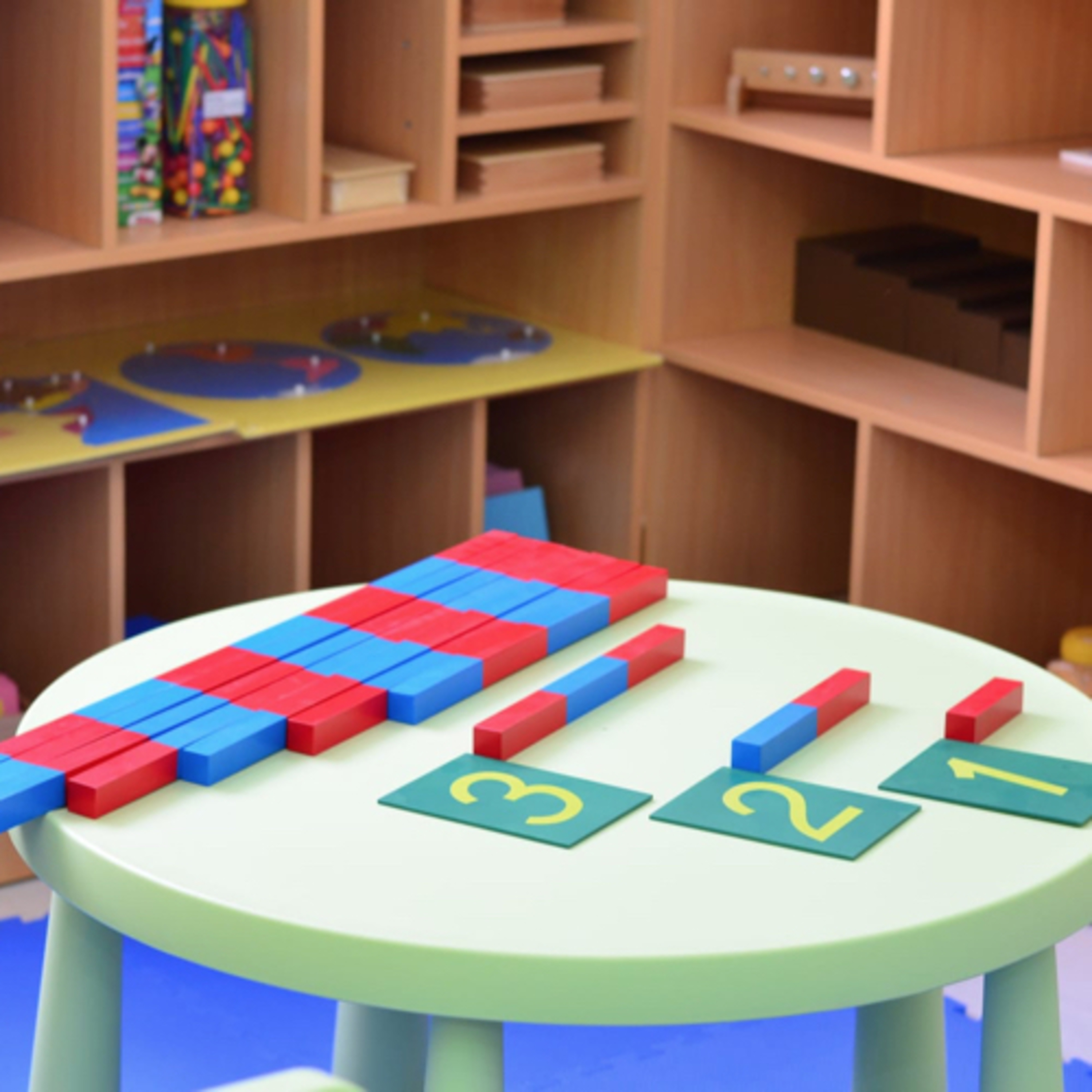
Mathematics in Montessori education follows a distinct approach, beginning with hands-on materials that help children understand abstract mathematical concepts. In the Montessori method, the journey from concrete to abstract thinking is an essential process. Today, we'll walk through how children in the Montessori Elementary classroom progress in their understanding of math—from working with physical materials to grasping more abstract concepts such as fractions and decimals. Let’s begin with the foundational principles of Montessori math.Montessori believed that children naturally have an innate sense of wonder and curiosity about numbers. Research from the American Montessori Society emphasizes that learning mathematics through concrete experiences allows children to deeply internalize mathematical concepts before moving to abstract representations. This process not only enhances their mathematical understanding but also develops their critical thinking and problem-solving skills. Studies show that children who start with concrete learning experiences tend to have a deeper and more lasting grasp of mathematical concepts.In Montessori, math is not about memorizing formulas or rote learning. It’s about understanding the "why" behind numbers, patterns, and operations. The materials used in the early years—like the Golden Beads, Number Rods, and Sandpaper Numerals—are designed to help children physically manipulate and visualize numbers, making abstract concepts much more accessible.
-
42
Season 2 Episode 10 Fostering Independence
The Importance of IndependenceIn the Elementary classroom, one of the primary goals is to develop responsible, self-sufficient individuals who are capable of making decisions, solving problems, and taking ownership of their learning. So, why is independence so important, and how does it prepare children for the real world?Studies consistently show that children who are encouraged to develop independence early on exhibit higher self-esteem, improved social-emotional skills, and greater problem-solving abilities. According to research from the Montessori Foundation, the cultivation of independence in childhood significantly contributes to long-term success in adulthood. Independence fosters resilience, and Montessori emphasizes autonomy not only for academic growth but for life skills that support critical thinking and decision-making.Independence in Montessori education goes beyond just learning how to complete tasks on their own. It’s about the ability to make informed choices, manage time effectively, set personal goals, and take responsibility for their actions. These skills are fundamental in preparing children for the future, whether they pursue higher education, enter the workforce, or simply navigate their daily lives.In the Montessori Classroom when a child in the classroom is given the choice to choose their own projects or decide how they want to structure their day. By doing so, the child learns to prioritize, manage time, and set goals. These decisions may start small in the classroom but build into lifelong skills like self-motivation and time management, critical for adulthood.
-
41
Season 2 Episode 9 The Role of Cosmic Education in the Elementary Classroom
Cosmic Education Is a foundational concept in the Montessori Elementary curriculum. Cosmic Education might sound broad or abstract, but in reality, it is about giving children a grand narrative of the world—from the creation of the universe to the evolution of life on Earth. We’ll dive into its purpose, what it entails, and how it nurtures curiosity, responsibility, and interconnected thinking."Cosmic Education serves as a framework for understanding the universe's interrelated systems. In a Montessori Elementary classroom, it begins with the 'Great Lessons,' broad stories that cover vast topics, from the beginning of the universe to the advent of human beings. These lessons set the stage for children’s individual exploration in various fields, such as biology, history, and geography.The core of Cosmic Education is to help children realize that the universe is not an isolated set of facts and concepts. Everything is interconnected—an important lesson in a world where understanding interdependence is key. Maria Montessori designed this system to cultivate a child’s natural curiosity about life, emphasizing not just intellectual understanding, but also emotional and ethical growth.
-
40
Season 2 Episode 8 The Role of the Montessori Guide in the Elementary Classroom
The Montessori guide, often referred to as a teacher in conventional settings, plays a subtle yet profoundly impactful role. Unlike traditional teachers who direct the classroom's learning path, Montessori guides act as observers, facilitators, and resources for the children. Their primary responsibility is to create and maintain an environment that encourages independent exploration.The guide prepares the environment meticulously, ensuring that materials are accessible, engaging, and appropriate for the children’s developmental stages. They observe the children to identify their interests and introduce new materials or concepts when the child shows readiness.Dr. Angeline Lillard, a professor of psychology, highlights in her research that children in Montessori environments develop higher levels of intrinsic motivation. This is because Montessori guides respect and responds to the child’s natural interests, promoting an internal drive to learn rather than external pressures or rewards.What makes this role so effective in nurturing well-rounded, self-directed learners? And how does it compare to the traditional teacher's role in conventional education?"The guide’s approach aligns with modern educational psychology, emphasizing autonomy, competence, and relatedness as critical to student motivation. By allowing children to make choices about their learning, guides tap into their intrinsic motivation, making learning a personal and enjoyable journey. Children in Montessori classrooms often exhibit enhanced critical thinking skills, creativity, and problem-solving abilities. These benefits are linked to the autonomy and responsibility they are given in their learning process, guided gently by their teachers.
-
39
Season 2 Episode 7: The Montessori "Going Out" Experience in the Elementary Classroom
Today we’re exploring a distinctive element of the Montessori Elementary curriculum: the "Going Out" experience. If you've ever wondered how Montessori education extends beyond the classroom walls and integrates real-world experiences into learning, this episode is for you. We’ll discuss the concept of "Going Out," its benefits, how it differs from Children’s House outings, the role of parents and chaperones, and the importance of planning. We’ll also touch on how multiple "Going Out" experiences can enrich the academic year, supported by research and insights from Montessori educators. So, let’s dive in and explore how "Going Out" is not just a field trip but a fundamental part of the Montessori approach to Elementary education. In the Montessori Elementary classroom, "Going Out" is more than just a break from the usual learning environment; it's an integral part of the curriculum designed to extend learning into the real world. Unlike field trips, which are typically whole-class events, "Going Out" often involves small groups of children—sometimes just two or three—venturing into the community to conduct research, explore a topic of interest, or gather resources for a classroom project. The concept is rooted in Maria Montessori’s belief that as children grow, their learning should expand beyond the classroom, connecting them to the broader world. "Going Out" helps children take responsibility for their learning, fostering independence, and initiative. Key Elements of "Going Out": It is student-initiated and often emerges from the children’s own questions or projects. Small groups of children plan, organize, and execute these outings with the guidance of their teacher. The outings are purposeful, aimed at gaining specific knowledge, skills, or materials.
-
38
Season 2 Episode 6: Research in the Montessori Elementary Classroom
Introduction : In today’s episode, we’re diving into a vital part of the Montessori Elementary curriculum: research. From learning to visit the library, crafting reports, to presenting findings to their classmates, research plays a crucial role in helping children explore topics deeply and independently. Let’s see how research in Montessori goes beyond the traditional classroom experience. Why Research? Montessori students engage in research to satisfy their natural curiosity. Research allows them to explore topics they’re passionate about, whether it’s a scientific phenomenon, a historical figure, or a cultural event. Unlike conventional classrooms where research is often structured and guided, Montessori encourages self-directed learning. Children choose topics of interest (eg red panda, hedgehogs, hamsters, arcade games, gems and stones) investigate them through books,plan to go to the library if they can't find the book at school in any of the classrooms, then they write the questions and answers based of the information collected from the book, they prepare the report and then comes hands-on experiments like making a diorama or visiting the zoo if they have selected a zoo animal, making a treat for shelter for animals, doing a fundraiser to collect the funds for shelter homes or for humane society and follow the leads wherever they take them. This independence in research not only builds knowledge but also strengthens skills like critical thinking, problem-solving, and time management. The Process of Research in Montessori: The Montessori approach to research begins with curiosity. Once a child has chosen a topic, they are encouraged to dive deep. The first step might be visiting the library to gather books or using online resources to look up information. They learn how to take notes, organize their thoughts, and summarise key points. Children are taught to look for reliable sources and consider different perspectives. Research is not about memorizing facts but about understanding how things work or why something is significant. Montessori guides help children refine their focus, pushing them to ask deeper questions and find answers themselves.
-
37
Season 2 Episode 5: The Five Great Stories in Montessori Elementary
Today’s episode is one of the most exciting parts of the Montessori Elementary curriculum—the Five Great Stories. These stories are unique to Montessori education and serve as the foundation for much of the learning that takes place in the Elementary classroom. They spark the imagination, invite curiosity, and provide a framework for exploring everything from science and history to geography and language. The Great Stories are designed to awaken children’s sense of wonder and set the stage for deep inquiry. Each story is like a gateway, opening the door to larger questions about the universe, life, and human existence. Let’s dive into these incredible narratives. What are the Five Great Stories? The Five Great Stories are a series of impressionistic stories that provide the broad context for all subjects of study in the Montessori Elementary classroom. They are not just stories in the traditional sense but cosmic tales that help children see the interconnectedness of all things. The stories are presented at the beginning of each school year to ignite the children’s curiosity. The stories are: The Story of the Universe – This story tells the grand tale of the creation of the universe, from the Big Bang to the formation of the Earth. It introduces concepts from astronomy, physics, and geology, giving children a sense of awe about the cosmos and our place within it. The Coming of Life – The second story explores the origins of life on Earth, from single-celled organisms to the vast diversity of plants and animals that have evolved over millions of years. It touches on biology, evolution, and ecosystems. The Coming of Human Beings – This story focuses on the emergence of humans, their unique abilities, and their journey through history. It sets the stage for studies in anthropology, history, and culture, highlighting how humans have shaped the world. The Story of Writing – This story traces the development of writing, from the earliest cave drawings to the complex systems of writing we use today. It introduces children to language, communication, and the evolution of human expression. The Story of Numbers – The final story tells how humans came to understand and use numbers, from ancient tally marks to modern mathematics. It connects to the study of maths and how humans have used numbers to solve problems and understand the world around them. These stories create a framework for everything that follows in the Montessori curriculum. Let’s explore how each one unfolds in the classroom.
-
36
Season 2 Episode 4: Exploring Complex Sentences: Clause Analysis in Montessori Education
If you’ve ever tried to read or write complex sentences, you know they can sometimes feel like a puzzle. But once you break them down and understand the role of each piece, they become a lot easier to handle. Today, I’m going to show you how guides use Montessori methods to help children unlock the secrets of complex sentences and clause structures. Let’s talk a bit about the Montessori materials that help children learn to identify and analyze clauses. One of the core principles of Montessori education is that learning is hands-on and concrete before moving to the abstract. And clause analysis is no different.One of the most effective materials we use is the Clause Box. The Clause Box is a tool that contains pieces with different clauses written on them. These clauses are color-coded and come with symbols to help children visually identify different types of clauses—whether they are independent, dependent, noun, adjectival, or adverbial. This helps children break down sentences into manageable pieces, making it easier for them to see how the sentence is constructed. Another material we use is arrows and charts. Children use arrows to point from the clause to the word it modifies. For example, in a sentence like "The dog that you saw yesterday was cute," the child would use an arrow to point from the clause "that you saw yesterday" to the word "dog." The chart can also be used to map out more complex sentence structures, allowing children to visualize how different parts of the sentence interact.These materials are designed to engage children actively in learning. Instead of just being told about clauses, they get to manipulate and categorize them themselves, which helps reinforce the learning and makes it more meaningful.
-
35
Season 2 Episode 3 Language Acquisition in Elementary Classroom - Grammar Boxes
The beauty of Grammar Boxes is that they help children internalize grammar by engaging them in a tactile way. Instead of just reading or listening to grammar rules, children actively work with the cards, sorting them into different categories and physically manipulating them to create sentences. It is an approach that respects Montessori's belief that children learn best through hands-on experiences. In Montessori education, we believe that children learn best when they are given the opportunity to explore concepts at their own pace. Grammar Boxes are a perfect example of this approach. They offer a concrete representation of something abstract—grammar—and allow children to internalize rules and structures in a very natural and fluid way.1. Encouraging Active Learning: The materials engage children in active learning, which is central to the Montessori method. By handling the cards, sorting them, and constructing sentences, children become active participants in their learning. This approach aligns with Montessori's belief that children learn best by doing.2. Self-correction and Independence: Like many Montessori materials, Grammar Boxes promote self-correction. When children are constructing sentences with the cards, they can immediately recognize if the structure doesn’t make sense or if they’ve placed a card in the wrong category. This promotes independence in learning and helps children develop critical thinking skills.3. A Bridge Between Concrete and Abstract: The concrete Grammar Box material helps children understand abstract concepts. The colorful cards and physical manipulation of language elements make the intangible concepts of grammar much more accessible. Children are not simply memorizing definitions; they are building understanding through hands-on activities.
-
34
Season 2 Episode 2 Language Acquisition in Elementary Classroom
The Second Plane is marked by a shift in how children approach learning. Their minds become more analytical, and they begin to ask deeper questions about the world around them. Language plays a key role in helping them navigate this new intellectual terrain. It’s no longer just about learning to read and write; it’s about mastering language as a tool for thought, communication, and expression.
-
33
Season 2 Episode 1: Language Acquisition in Elementary Montessori Classroom 6-12
Overview of Language in Montessori Montessori education views language as a fundamental aspect of a child’s intellectual and emotional development. It's not merely about mastering reading and writing skills; it's about fostering a comprehensive understanding of how language functions in first and second plane development and how it can be harnessed to communicate thoughts, feelings, and ideas effectively. The Montessori approach to language development is holistic and integrated. From the early years through Elementary, language education is designed to be an immersive and continuous process. Let’s break down how this approach unfolds: As mentioned in my previous episodes, In the Montessori philosophy, language development begins in infancy. Infants and toddlers are exposed to a rich linguistic environment, where they hear and begin to understand language through interaction with caregivers and their surroundings. Montessori classrooms for young children are filled with language-rich materials and experiences designed to support the natural acquisition of language. As children enter the Primary years (ages 3-6), they are introduced to more structured language activities. These activities include phonetic awareness using Sandpaper Letters for tactile learning of letter shapes and sounds, and the Moveable Alphabet for constructing words and sentences. This early stage focuses on building a strong foundation in phonics and spelling. When children move to the Elementary years (ages 6-12), Montessori’s approach to language becomes more advanced and explains the nuance of the language. At this stage, the focus shifts from basic literacy skills to a deeper exploration of language structure, usage, and its role in communication and expression. Language activities in the Elementary classroom include: Grammar and Syntax: Montessori introduces children to the rules and structures of language through engaging materials like grammar symbols. These symbols help children visualise and understand different parts of speech and how they fit together in sentences. Word Study: Children explore the origins, meanings, and structures of words. This includes analysing prefixes, suffixes, and root words to build a richer vocabulary and a deeper understanding of language mechanics. Sentence Analysis: This involves breaking down sentences to understand their components, such as subjects, predicates, and objects. Logical analysis helps children grasp how sentences are constructed and how different elements interact. Writing and Reading: Children engage in diverse writing exercises, from creative storytelling to formal reports. Reading activities include exploring various genres and authors, participating in book discussions, and dramatising literary works.
-
32
Episode 31: Transition from Primary to Elementary
In the Elementary Montessori Program, children experience a significant shift in their learning environment. They transition from concrete materials to Early Childhood, such as the Golden Beads for math, to more abstract concepts. This shift challenges their logical thinking and problem-solving skills.
-
31
Episode 30: Cosmic Education
Cosmic education in the Montessori approach is centered around the idea that everything in the universe is interconnected and has a purpose. It emphasizes the exploration of the natural world, the interconnectedness of all living beings, and the understanding of one’s place within the universe. Cosmic education strives to inspire children to explore, appreciate, and understand the wonders of the universe while developing their intellectual, emotional, and ethical capacities.
-
30
Episode 29: Encouraging Exploration and Discovery
The foundation of Montessori education lies in the prepared environment. So the very first attribute that i will talk about is 1. Creating an Environment for Exploration: * Child-Accessible Materials: Arrange materials on low shelves or in baskets that are easily accessible to toddlers. This allows them to independently choose activities and engage in exploration. * Open Spaces: Designate open spaces in your home where toddlers can move freely and explore. Minimize clutter and create a safe environment that encourages movement and discovery. * Nature-Inspired Elements: Incorporate natural materials, such as wooden toys, seashells, or stones, to bring elements of nature into your toddler's environment. These materials can inspire sensory exploration and provide opportunities for discovery. Research: A study published in the Journal of Early Childhood Research examined the benefits of a Montessori-inspired environment for toddlers. The research found that toddlers in Montessori environments showed higher levels of exploration, curiosity, and independence compared to those in traditional settings. The study emphasized the importance of providing a prepared environment that supports toddlers' natural inclination to explore and discover.
-
29
Episode 28: Fostering Independence in Daily Routines
In todays episode, I’ll discuss practical strategies for fostering independence in everyday activities. We'll explore various topics, including self-care skills, mealtime routines, and organizing belongings. By making small changes in your approach, you can empower your child to become more self-reliant and develop essential life skills. Let's dive in!
-
28
Episode 27: Creating a Prepared Enviornment at Home
In todays episode, we'll guide you on how to design and set up a Montessori-inspired environment in your home. I’ll explore the key elements of a prepared environment, including low shelves, child-sized furniture, and open-ended materials. Additionally, I’ll provide you with examples of easy DIY materials that you can make to enhance your child's learning experiences. Let's dive in!" 1. Key Elements of a Prepared Environment: * Low Shelves: Low shelves are essential in a Montessori-inspired environment as they enable children to access materials independently. Arrange the shelves with a variety of learning materials, such as puzzles, books, and educational toys, at the child's eye level. This empowers them to choose activities that align with their interests and promotes self-directed learning.
-
27
Episode 26: Incorporating Montessori at Home
In todays episode I will delve deeper into and explore the core principles of Montessori education and discuss how they can be applied in your home to support your child's development. I’ll dive into the role of the prepared environment, the importance of following the child, and how to encourage independence and self-discipline. There are two principles that I am discussing today are how to prepare the environment and how to encourage independence and self-discipline. Let's get started!
-
26
Episode 25: Montessori Parenting: Providing Guidance and Strategies for Parents at home
Welcome to Montessori Pathways, the podcast that guides parents on their journey of incorporating Montessori principles and practices into their homes. I'm your host, Aradhna Dhawan, a Montessori educator with years of experience. Join me as we explore the world of Montessori parenting and discover practical strategies to create a prepared environment, foster independence, and nurture your child's development. In our last episode 24, I discussed the Montessori principles and mindfulness. In this episode, I am sharing some DIY options for parents to create at home.
-
25
Episode 24: Montessori and Mindfulness
This topic is particularly interesting as mindfulness can offer numerous benefits for children's well-being, self-awareness, and focus. Mindfulness is a practice that involves paying attention to the present moment with a non-judgmental attitude. When integrated into Montessori education, mindfulness can complement the principles and methods of the Montessori approach. One of the main benefits of mindfulness for children is enhanced well-being. By practicing mindfulness, children can develop a greater sense of calmness, emotional regulation, and resilience. Mindfulness helps them become more aware of their emotions and thoughts, allowing them to respond to challenging situations with greater clarity and composure. Moreover, mindfulness can cultivate self-awareness in children. By learning to observe their thoughts, feelings, and bodily sensations, children develop a deeper understanding of themselves. This self-awareness can support their personal and social growth, as it enables them to recognize their strengths, challenges, and areas for improvement.
-
24
Episode 23: Montessori and Peaceful Conflict Resolution
Today in episode 23 we will dig deeper into peaceful conflict resolution and how Montessori education emphasizes the development of the whole child, including their social and emotional growth. Conflict resolution skills and the promotion of a peaceful learning community are integral parts of this approach.
-
23
Episode 22: Montessori and Multi-sensory Learning
One key aspect of multisensory learning in Montessori classrooms is the emphasis on concrete experiences before abstract concepts. The materials used in Montessori classrooms are designed to provide children with tangible and hands-on experiences that allow them to explore and manipulate objects. This approach aligns with the belief that children learn best when they actively engage with their environment. For example, in the Montessori math curriculum, children begin by working with concrete materials such as beads, rods, and tiles to develop a solid understanding of quantity, numeration, and mathematical operations.
-
22
Episode 21 Executive Functions Development in Montessori Education
In today's thought-provoking Episode 21, we delve into the fascinating realm of "Montessori and the Development of Executive Function Skills." Executive function skills are crucial cognitive processes that enable individuals to regulate their thoughts, actions, and emotions. These skills, including self-control, problem-solving, and decision-making, lay the foundation for success in various aspects of life. Research consistently demonstrates that Montessori education nurtures the development of executive function skills. The environment and materials in Montessori classrooms are intentionally designed to support this growth. Children are encouraged to engage in purposeful, self-directed activities that promote concentration, independence, and critical thinking.
-
21
Episode 20: Various Subjects in Montessori Curriculum
Montessori education places great emphasis on the holistic development of the child, and this includes the integration of various subjects such as art, music, foreign languages, and physical education within the curriculum. Montessori recognizes that children have different learning styles and abilities, and incorporating these subjects into the curriculum provides children with a variety of opportunities to engage in different ways of learning.
-
20
Episode 19: Montessori and Multi-sensory Learning
Multisensory learning is a crucial aspect of Montessori education and is one of the reasons why it is so effective in supporting children's learning and development. The Montessori approach emphasizes the use of hands-on, interactive materials that engage children's senses and help them to explore and understand the world around them.
-
19
Episode 18: Peace Educatio in Montessori Classroom
The Montessori approach to peace education is based on the belief that peace can be achieved through the development of the whole child, including their intellectual, emotional, and spiritual aspects. The Montessori method is rooted in the idea of creating a peaceful, respectful, and inclusive community within the classroom, where children can learn to interact with one another in a positive and peaceful way.
-
18
Episode 17: Montessori and Cultural Diveristy
Cultural diversity is an essential aspect of Montessori education, which embraces cultural differences and promotes inclusivity, cultural awareness, and global citizenship in the classroom. Research has shown that an inclusive and culturally diverse learning environment has a positive impact on children's cognitive and social development (Davidson & Philips, 2008). Therefore, it is essential to integrate cultural diversity into Montessori education to ensure that every child receives a holistic education. Montessori classrooms and materials are designed to promote cultural awareness and diversity.
-
17
Episode 16: The Role of Nature in Montessori
Nature-based experiences and outdoor education can also help children develop better sensory skills. The outdoors is a vast environment that offers rich sensory experiences that children can explore and engage in. For example, through exploring the outdoors, children can observe various colors, textures, and scents that are unique to the natural world. A study published in the Journal of Environmental Psychology found that children who regularly engage with nature have better sensory awareness and processing abilities, leading to improved attention and cognitive development (Dadvand et al., 2015).
-
16
Episode 15: Montessori Parent-Teacher Partnership
Collaborating for Success: The Importance of Parent-Teacher Partnership in Montessori Education
-
15
Episode 14: Montessori and Executive Function
-
14
Episode 13: Montessori and Diverse Education Ability
In today's episode we will be discussing the topic of “Montessori principles can be applied in diverse education settings to support the learning needs of children with various abilities and challenges”.
-
13
Episode 12; Montessori and Social-Emotional Development
We will delve into how the Montessori approach supports the social and emotional growth of children, covering important areas such as conflict resolution, empathy and building a peaceful community.
-
12
Episode 11: Montessori for Different Age Group
-
11
Episode 10: The Role of Independence in Montessori
The Role of Independence in Montessori Classroom
-
10
Episode 9: Montessori at Home
-
9
Episode 8: Cultural Studies
Cultural Studies
No matches for "" in this podcast's transcripts.
No topics indexed yet for this podcast.
Loading reviews...
ABOUT THIS SHOW
Welcome to the Montessori Pathways Podcast, the show where we explore the world of Montessori education, sharing insights, experiences, and practical tips from my twenty years in the classroom as a certified Montessori educator. I'm your host Aradhna Dhawan and I'm thrilled to have you join me on this journey.
HOSTED BY
Aradhna Dhawan
CATEGORIES
Loading similar podcasts...