
PODCAST · science
Naturally Chic Palm Leaf Plates Podcast
by Naturally Chic
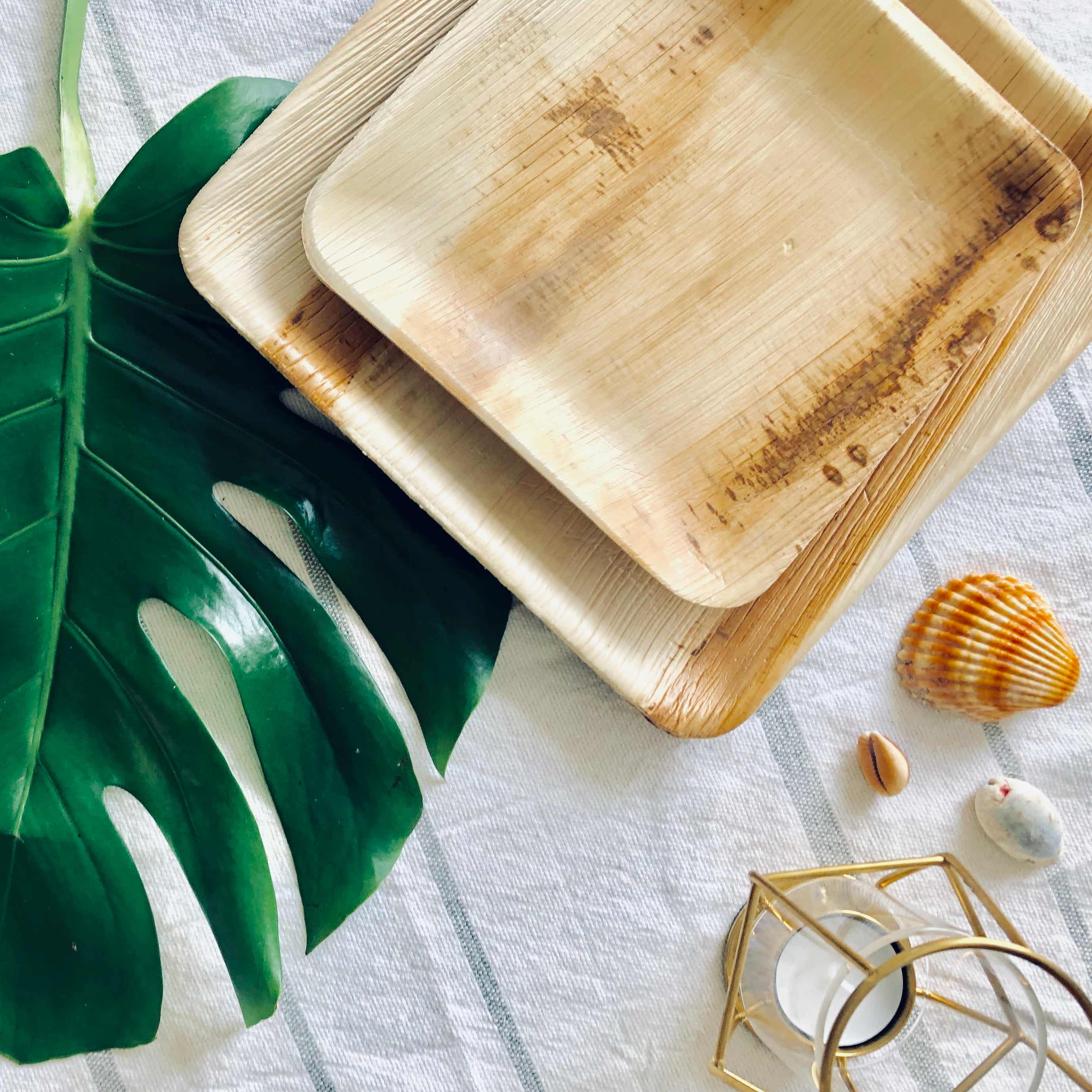
Naturally Chic: The Deep Dive into Sustainable Hosting. We go beyond the "eco-friendly" label to explore 100% natural, chemical-free, and biodegradable palm leaf dinnerware—the most durable and stylish compostable alternative to plastic. naturallychic.substack.com
-
1
The Science of Sustainable Hosting: A Deep Dive into Naturally Chic's 100% Natural Palm Leaf Plates
# The Science of Sustainable Hosting: Full TranscriptHost1 - You know the exact feeling we’re talking about here.Host2 - Oh, absolutely. The postparty crash,Host1 - right? You’ve just hosted what you consider to be a well, a truly incredible dinner party. The food was spectacular. The conversation flowed effortlessly for hours.Host2 - The wine pairings actually worked out the way you planned.Host1 - Yes. And your guests are finally heading out the door with these satisfied smiles on their faces. You close the front door, you turn the deadbolt, and you you let out this massive exhausted breath of pure satisfaction.Host2 - And then you turn around.Host1 - And then you turn around and face the grim reality of your kitchen.Host2 - It’s always waiting for you.Host1 - There it is. The dreaded towering mountain of dirty dishes. They are stacked precariously in the sink. They’re taking over the countertops. The pots have that baked-on sauce.Host2 - Oh, the sauce is the worst.Host1 - And the wine glasses are scattered literally everywhere. It’s a It’s honestly the quickest way to completely ruin that postparty high. So, you stand there and you think to yourself, “Next time I am absolutely using disposable plates.Host2 - It is the universal host’s dilemma. But the moment that thought crosses your mind, I mean, the guilt usually sets in almost immediately.Exactly. Because when we think of disposable dinner wear, we instantly picture those flimsy, soggy paper plates,the ones that can barely hold a hot dog,right? They just collapse into a V-shape the second you pick them up. Or arguably worse, those rigid single use plastic plates.They feel a bit sturdier, butbut you know deep down they are going to sit in a landfill for the next 500 to a thousand years. They will outlive your great great great grandchildren.It feels like a terrible unavoidable compromise.It really does. You either sacrifice your entire evening and probably your next morning scrubbing at the kitchen sink or you sacrifice your environmental conscience just for a bit of convenience.And frankly, you’re also sacrificing the aesthetic of your beautiful dinner table. Nobody wants to serve a beautifully plated roast on cheap white plastic,which is precisely why Today’s deep dive is so compelling. We are stepping into the shoes of lifestyle and sustainability experts today to examine a product that claims to completely bypass that entire compromise.Right? Because our mission today is to figure out if naturally chic palm leaf plates are the ultimate bestkept secret in sustainable hostingor if they’re just another clever eco wrapped up in really good greenwashing marketing.Because there is a lot of that out there.So much of it. But we’ve got a massive pile of data to get through today. We are digging deep into customer performance reviews, the actual technical manufacturing specifications.We have some incredibly detailed composting and breakdown data, too,and the ethical supply chain reports. We’re going to tear into the facts, and you are right here in the room with us to see how this all stacks up.And we shouldn’t sugarcoat the context here. For anyone who follows sustainability, the sheer volume of green products flooding the market is overwhelming.It’s amaze.And frankly, a lot of them just do not hold up to scrutiny. We already know the macrolevel disaster of single-use plastics. So, we don’t need to retread the basics of why landfills are overflowing,right? We all know plastic is bad.Exactly. What we need to look at is whether this specific alternative actually performs in the real world and whether its life cycle from the moment it is harvested to the moment it decomposes is genuinely restorative rather than destructive.Okay, let’s unpack this because the The absolute biggest stigma surrounding disposable dinner wear isn’t just the environmental guilt.It’s the performance.Practically speaking, it is usually terrible at actually being dinner wear. The paper plate stigma is very real. We have all been at a backyard barbecue where you are forced to use the double plateor the triple plate strategy.Yes. Just to give your meal some basic structural integrity so it doesn’t fold onto your shoes, paper gets notoriously soggy the second it encounters a condiment.And plastic plates have that terrifying habit of snappingright down the middle, right when you’re carrying them.It’s an engineering failure at its core. Standard disposables aren’t built to handle the varied physical stress of real food. The weight, the moisture, the heat, and the mechanical action of someone actually using a fork and knife.But looking at the physical specifications for these naturally chic palm leaf plates, the numbers are genuinely surprising. These plates are engineered to be 2 to 3 mm thick,which is substantial.To put that in perspective for you, in the world of disposable table wear that is incredibly dense. We aren’t talking about a millime of pressed paper pulp. We are talking about a substantial rigid piece of material.That 2 to 3 mm thickness is the absolute foundation of their structural rigidity. The technical reviews highlight a very relatable realworld example of this durability in action.I love this part.Right. They describe how you can load one of these palm leaf plates up with heavy proteins. Think a massive bone in steak or a full holiday meal loaded with dense, heavy side dishes like mashed potatoes and stuffing.The heavy hitters.Exactly. And you can hold that fully loaded plate entirely with just one hand, gripping it purely by the edge.That is the ultimate test. Usually, if you hold a loaded paper plate with one hand, it immediately buckles. It creates a slide right onto the floor.But these won’t buckle. They won’t fold in half, and they won’t collapse. There is a vivid scenario outlined in the testing data. Imagine a child accident accidentally dropping a plate completely loaded with heavy, dense lasagna.A total nightmare scenario.If that were a standard ceramic plate, you would have shattered dangerous shards everywhere, ruining the party and creating a hazard.And if it were a standard paper plate, you’d have a folded, soggy, catastrophic mess splattered across the floor.Exactly. But these palm leaf plates are described as possessing a wood-like durability. They are entirely shatterproof. They take the impact of the drop without breaking, cracking, or losing their physical form. love the lasagna drop test as a baseline metric, but it is not just about the pure weight or the impact resistance, is it? The real enemy of disposable dinner wear is moisture.Oh, absolutely.Anyone who has ever tried to serve anything with a heavy sauce on a bagus plate, you know those compostable plates made from sugarcane fiber knows it is a ticking time bomb.The food goes on and 10 minutes later, the bottom of the plate is sweating onto your lapand eventually the bottom just falls out entirely.What’s fascinating here is the natural biological engineering of the material itself. We’re looking at the technical performance specs of the Eureka palm leaf sheath.The sheath specifically?Yes. This sheath has a highly dense, inherently fibrous structure. It is crucial to understand that this isn’t a material that has been broken down, pulped into an oatmealike slurry, and then pressed back together like paper or bagus.It’s not a composite,right? This is the leaf’s original natural biological state. Because that dense fibrous network remains entirely intact. The plates are naturally resistant to liquids and oils.So, it essentially keeps the armor the plant naturally grew.Precisely. And the endurance testing on this is quite remarkable. The data shows that these plates can hold hot liquids. And we are talking about literally holding hot simmering soups and heavy oilbased curries.For how long?For a staggering 3 to four hours without becoming soggy or leaking through.3 to four hours. That is a mass massive paradigm shift. That means you could theoretically serve an entire multi-course dinner, leave the messy saucecoed plate sitting on the table while everyone chats and finishes their wine, and they still wouldn’t leak onto your expensive linen tablecloth.Traditional paper or molded fiber simply cannot handle hot moisture for that duration. They dissolve.They absolutely dissolve because water naturally breaks the weak hydrogen bonds holding the pulped fibers together.But the intact fibers of the palm leaf don’t suffer from that vulnerability.That up another incredible convenience factor that jumped out at me from the technical specs, the heating and reheating capabilities.This is a big one.These plates are actually microwave safe. The guidelines say you can put them in the microwave on high for up to 2 minutes,which is plenty of time for leftovers.And if that wasn’t wild enough, they are oven safe, too. You can put them in a conventional oven at 350° F, which is about 180° C, for up to 45 minutes.That is unheard of for disposables.You absolutely cannot do that with a standard paper plate without risking a literal fire in your kitchen. And you certainly wouldn’t dare do that with plastic unless you want a melted puddle.And if we connect this to the broader context of human health, the ability to heat these plates safely is a massive advantage.Oh, for sure.We know the dangers of microwaving traditional plastic disposable plates. When you subject plastic to microwave radiation and heat, the molecular structure begins to break downand that’s when things get gross.It actively releases harmful microplastics and chemical plasticizers like phthalates and bisphenols directly into the food you are about to eat. It is well doumented significant health hazard that most people ignore just for the convenience of reheating leftovers.It is terrifying when you really think about what is leeching into your lunch.It is. But because these palm leaf plates are made of 100% natural untreated organic matter, they do not leech any chemicals whatsoever when heatedbecause there’s nothing synthetic. headache in them to leech out.Exactly. You get the ultimate convenience of being able to keep food warm for a catered event or just tossing yesterday’s leftovers directly into the microwave or oven entirely avoiding the invisible chemical payload that comes with heating plastics.Okay, so they passed the durability test, the sauce test, and the heat test. But what does this all mean for the actual vibe of the dinner party?The aesthetics matter.Because let’s be honest with ourselves, part of the reason people avoid using disposables at nice upscale events is because they just look cheap. They look like a kid’s birthday party.Paper plates don’t scream elegance,but the aesthetic profile of these palm leaf plates is something completely different. Every single plate has a unique rustic wood grain and a natural satin finish.No two plates are exactly alikebecause, well, no two leaves in nature are exactly alike.That visual variation is a huge selling point for high-end hosting. It communicates authenticity.It really does. There is a fantastic customer anecdote in the performance reviews where a host reported that their guests were literally stopping in the middle of a sophisticated party to pick up their empty plates and examine them.It become an instant conversation starter,right? People noticed that they are physically beautiful and when they find out they are actually an eco-friendly leaf, it elevates the entire tone of the gathering.It adds value to the event.Plus, going back to that density and weight we talked about, they are heavy enough to physically stay put on a table. during a breezy outdoor barbecue or a high-end beach wedding.That is so practical.They aren’t going to blow away into the neighbor’s yard the second a slight gust of wind comes by, which is infuriating when you’re trying to set a nice outdoor table.That aesthetic appeal combined with the physical weight really bridges the gap between a casual backyard cookout and formal earthconscious catering. It doesn’t feel like a compromise. And there’s a small but highly notable caveat regarding their single-use designation in the technical data. Oh, right. The reusability factor.Yes. While they are fundamentally designed, manufactured, and sold as disposable single-use items, the whole point is to let you skip the dishes, their sheer durability means that under the right circumstances, they can actually have a second life,which is a nice bonus.If you are just serving dry items, say the platter of dry snacks, crackers, bread, or uncut fruit, they can easily be wiped completely clean with a damp cloth and reused for another event. It speaks volumes about the inherent quality and strength of the raw material.I love that it is not a flimsy throwaway item, even if it is technically meant to be disposed of eventually. But that begs an obvious question and we need to look closer at the science of how sturdy these things really are.The origin storyexactly. I reading through the manufacturing specs and I kept wondering how are these plates actually made? We are talking about a plate that handles steak knives and 400° ovens. Where do they actually come from?This is where the origin story sets this product apart from almost everything else on on the market. These plates are made from 100% naturally fallen husks, specifically the leaf sheath of the ureka palm tree.And just to clarify,I want to be incredibly precise about this based on the manufacturing protocols. Absolutely no trees are ever cut down to harvest this material. None.So, they aren’t logging forests to make these?Not at all. The leaves naturally dry up and fall to the ground as part of the treere’s normal continuous life cycle. The workers simply collect what the tree has already discarded onto the forest floor. That is amazing.It is the purest possible definition of upycling. They are taking a naturally occurring waste product that would otherwise just rot on the ground and transforming it into a highly functional, valuable good.It is brilliant. They are literally just gathering leaves off the ground. But obviously, you can’t just invite people over, scoop some mashed potatoes onto a dirty leaf you found in the dirt, and call it a dinner party.No. No, you cannot.There has to be an intense manufacturing process to get it to that sterile woodlike state.Precisely. And the manufacturing magic here is fascinating because it relies entirely on physical mechanics rather than chemistry.A physical process.It is a chemical-free sterilization process. Once the fallen leaves are gathered, they undergo a vigorous and thorough washing process using only pure water. High pressure washing removes any dirt, dust, or natural debris.Just water, nothing else.Once they are impeccably clean, they are placed into heavy custom-shaped industrial molds and heat pressed into their elegant shapes. But the crucial detail, the thing that really makes this work is that the temperature of those presses. The heat press operates at extreme temperatures, specifically between 180° C and 220°.Let’s pause on that because 220° C is over 420° F. That is massive industrial heat. I have to push back a little here. Doesn’t using that much industrial energy to heat these massive molds offset the environmental benefits?It’s a fair question.Are He just trading a chemical problem for a carbon emissions problem.It is an excellent critical question. But when you look at the life cycle analysis, the trade-off is heavily in favor of this method. Yes, heating the moles requires energy. However, the reason that extreme thermal energy is so vital is that it naturally sterilizes the material on contact.So, the heat is the sanitizer.Exactly. Any bacteria, microbes, or pathogens present on the leaf are instantly eradicated by the sheer heat of the press. Because they use this high heat mechanical method there is zero need for the massive sprawling chemical interventions you see in other disposable products.Ah I see. So it cuts out the entire chemical supply chain.Exactly. Think about the footprint of chemicals mining, synthesizing, transporting and applying synthetic dyes, chlorine bleaches, resins and glues requires an astronomical amount of energy and produces highly toxic runoff.Right. The chemical industry is massively pollutingby relying solely on heat and pressure. These factories use absolutely no chlorine to bleach the leaves white. They use no synthetic dyes to make them look uniform. They use no chemical bleaches, no resins to harden them, and absolutely no glues to hold the fibers together.Just heat and pressure.It is literally just a washed natural leaf compressed and sterilized by extreme heat. The carbon footprint of the heat press is a fraction of the footprint of the global chemia supply chain required for standard disposables.Here’s where it gets really interesting, especially when we talk about what is not in these plates and you just touched on it, chemicals.This is a vital point.We hear so much today about compostable products and we often assume that means safe, but the data gives us a strict 100% PFAS-free guarantee for these palm leaf plates.That is huge.For anyone who might not be deep in the weeds on chemical additives, what exactly is the hidden danger with traditional compostable plates?It is a critical, often misunderstood distinction. Many traditional compostable molded fiber bowls or those heavyduty premium paper plates rely heavily on synthetic chemical additives to achieve that liquid and grease resistance we were praising earlier.Right? Because paper normally absorbs waterto stop the hot soup from leaking through a paper plate. Manufacturers frequently coat them in PFASand PFAS are what we call forever chemicals. Right.Exactly. Per and poly floral oculle substances. They are called forever chemicals because their molecular bonds are so strong that they literally do not break down in the natural environment and more alarmingly they do not break down in the human body.They just accumulate over time.They just accumulate. Manufacturers also frequently use BPA or melamine to harden the plates. So well-intentioned consumer might buy a stack of premium paper plates thinking they are making a responsible eco-friendly choice.They think they are doing the right thing,but in reality they are actively introducing forever chemicals into the hot food they are serving their family. And then when they throw that plate into the compost or to the trash. Those forever chemicals eventually leech directly into the soil and the water table.So the compostable label is almost a Trojan horse for soil contamination in some cases.In many cases, yes, which is why the profile of the naturally shake plates is so vital. They are guaranteed 100% PFAS-free. They don’t need synthetic chemical coatings because the Eureka Palm Leaf is inherently naturally waxy and water resistant.That signature satin finish that the customers rave about, the one that makes looks so elegant,right? That isn’t a spray-on coating applied in a factory. That is quite literally just a natural wax produced by the biological leaf itself to protect the tree from heavy monsoon rains.That makes perfect sense.It is 0% added chemicals. You are eating off a clean, heated leaf.It is nature’s own waterproofing. It is amazing how much complex engineering the natural world has already done for us. If we just know how to utilize it without ruining it,we just have to borrow it.Now, as we’re looking at all these eco-friendly claims, There is a giant showdown in the sustainability world that the data tackles head on. Let’s call it the ecotruuth showdown. Palm leaf versus bamboo.Oh, this is a big debatebecause if you walk into any trendy eco store or search online for sustainable hosting, bamboo is aggressively marketed as the ultimate undefeated eco warrior material. It is everywhere.It’s the darling of the green movement.But we have a head-to-head comparison chart right here in front of us and the numbers tell a very different story. Let’s break down how they actually compare. Starting with the very first step, the harvesting process.The comparison at the harvesting stage is quite stark and it often surprises people who assume bamboo is the perfect solutionbecause bamboo grows so fast. Right.While it is absolutely true that bamboo is a remarkably fast growing grass and is certainly vastly superior to cutting down old growth timber, harvesting it still requires intense mechanical intervention.You still have to harst it.You have to physically cut down the mature stocks. This mechanical harvesting process inevitably causes agricultural disturbance to the soil, requires heavy machinery, and demands ongoing agricultural management.It is farming. It is a crop that has to be logged even if it grows back quickly.Correct. By stark contrast, as we established, palm leaf relies solely on the gathering of naturally fallen leaves.There is zero agricultural disturbance to the soilbecause you’re just picking things up.No heavy log. machinery is tearing up the forest floor to cut down the living plant. It is entirely passive harvesting.That is a massive point in favor of the palm leaf. And then we look at the actual composition of the finished product. We know palm leaf uses zero binders or glues. We just covered that it’s just pure heat and pressure locking those natural fibers together.The heat press does the work.But the comparative data points out something really troubling about bamboo disposables. To turn a hard cylindrical bamboo stock into a flat, usable disposable plate, they have to break it down and they use chemical binders or glues to hold those bamboo fibers together in the new shape.Exactly. You’re taking a natural product, pulverizing it, and then adding synthetic materials back into it to force it to act like a plate. It diminishes the purity of the product.You lose the natural benefit.Furthermore, if we look at the aesthetics and texture, bamboo products are highly processed to be smooth, perfectly uniform, and visually identical. They look heavily manufactured. look like plastic sometimes.Palm leaf because it is pressed whole maintains that unique rustic grain of the individual leaf. It visually communicates its authentic natural origin to anyone using it.But the absolute most significant difference highlighted in this comparison chart, the real knockout punch is the biodegradability and composting edge.This is where the bamboo narrative often falls apart under scrutiny.Why is that?Bamboo is incredibly tough. That’s why we use it for flooring and scaffolding. While it is technically biodegradable, Disposable bamboo plates often require the intense sustained heat and specific microbial activity of industrial commercial composting facilities to properly break down in a reasonable time frame.Meaning, if you just throw a bamboo plate in your backyard compost pile, what happens?It might sit there for years. Your backyard pile simply doesn’t reach the extreme temperatures required to break down those dense bamboo fibers and the synthetic resins binding them.Wow. Years.Palm leaf, on the other hand, is extremely fast acting and is fully truly backyard compostable.Which perfectly transitions us into the next massive chunk of our analysis, the afterlife,the final destination.We really need to do a deep dive into the composting of these plates. Because honestly, what happens after the dinner party is over and the trash bags go out is arguably more important than the party itself.It is the whole point of sustainability.We’ve skipped past the basic plastic is bad lecture because we all know it, but let’s jump straight into the timeline. If I throw a plastic plate into a landfill, we’re talking up to a thousand years for it to fully decompose.It is almost incomprehensible.Which makes the breakdown timeline for the palm leaf plate sound like absolute science fiction. Even though it’s just biology,the contrast is staggering. The data verifies that these palm leaf plates degrade naturally in standard soil in less than 60 to 90 days.2 to 3 months.We’re talking about 2 to 3 months to return completely to the earth versus a millennium for pl Fantic.And we actually have a fascinating detailed realworld customer test from the files to back this up. A client essentially ran a controlled scientific trial right in her own garden to see if the marketing matched reality,a home science experiment.She tested the plates simultaneously in two completely different home composting systems. A traditional open air barrel composting setup and a bokashi composting system.The bokashi breakdown test is particularly eliminating because it’s very specific in environment.I’ve heard of Bukashi, but how does it work exactly?For those unfamiliar with the mechanics of it, Bukashi is a specialized anorobic system, meaning it operates entirely without oxygen. It’s an airtight bucket environment that utilizes a specific brand material that has been inoculated with essential microbes, usually lactobacillus bacteria.So, it’s very controlled.Instead of letting the food rot, the bokashi system essentially pickles or fermentss the food waste. It is highly acidic and generally a much faster system. than traditional composting, taking about 3 months total to create a usable, nutrient-dense soil amendment.So, she took these incredibly sturdy lasagna holding plates and just tossed them into the pickling bucket.She did. She put the intact palm leaf plates right into her bkashi bucket alongside her food scraps. As you would expect with something this thick, when she opened the airtight bucket after the initial 8week fermentation phase, she could still clearly identify pieces of the plates mixed in with the pickled food waste.So, they survived. of the initial bucket fizz.They hadn’t vanished yet. However, the next step in Bokashi is trenching. She took that highly acidic fermented mixture of food and plate fragments and trenched it. Meaning, she buried it directly into the soil of her garden beds to let the soil microbes finish the job.And was the result?She reported that once in the soil, the pre-fermented plates broke down at the exact same rapid rate as the soft fermented food scraps. By the end of month three, the plates were 100% completely absorbed into the soil matrix. They were completely gone.That is incredible. But Bokashi is a pretty specialized setup. What happened in her traditional barrel compost, the one that most people have, which is just a pile of dirt, leaves, and scraps being turned over with oxygen.In the traditional aerobic barrel compost, she reported that she checked the breakdown progress right at the four-month mark. When she took her pitchfork and turned the compost pile over, there were absolutely no signs of the plates remaining.None at all.None. They had completely vanished. integrating seamlessly into the nutrient-rich organic matter.Okay. I have to ask you to explain the science here because earlier you said these plates are made from palm leaves that are specifically designed by nature to be tough, waxy, and resistant to moisture.Right. That is their biological purpose.In a natural forest, a thick palm leaf takes a very long time to decompose because it is acting as protective ground cover. So why do these plates disappear so incredibly fast in a standard backyard compost pile?It is a brilliant paradox. And it goes back to the manufacturing process we discussed earlier. In natural forest environment, you’re right, thick palm leaves break down quite slowly to protect the forest floor. The lignon and cellulose structures are highly resilient.So what changes?Remember the extreme 220° C heat press. That process doesn’t just shape the leaf. It fundamentally structurally alters the leaf at a microscopic level. The intense thermal energy and pressure begin to crack and weaken the leaf’s initial rigid biological defenses.So the manufacturing process essentially pre-chews itin a manner of speaking. Yes. It fractures the dense cellular walls.Then when you use the plate, you are introducing moisture, heat and microbial activity from the leftover food, the sauces, the oils, the proteosition right there.When you combine that heat altered, fractured structure with the biological catalyst of food waste in a compost bin, it creates the absolute perfect storm to drastically accelerate their decomposition.That is This is wild.The very process that makes them safe, sterile, and rigid enough to eat off of actually primes them to be rapidly consumed by soil microbes the moment they hit the compost pile.That is just brilliant. The design practically guarantees its own destruction, but only when you’re finished with it. Okay, so we’ve clearly established the baseline facts. They are impressively durable. They are 100% chemical free and PFAS free. They structurally outperform heavily processed bamboo. And they practically vanish into your garden soil in a matter of months.It is strong resume,but there is a massive elephant in the room that we absolutely have to address. It is one of the most common visceral concerns customers have when they hear the name of this product and our data tackles it head-on.It is a crucial concern and it stems from a very valid place of environmental anxiety.Right? People hear palm leaf and they instantly react. Wait, isn’t palm oil actively destroying the rainforests? If I buy these palm leaf plates, am I personally contributing to the the destruction of the rainforest.If we connect this to the bigger picture of global agriculture and deforestation, it is incredibly easy to see why consumers are confused and frankly angry. The terminology is unfortunately very similar.They both use the word palm.But we must categorically separate these two industries entirely because while they share the word palm, they share absolutely nothing else. The palm oil industry is a massive, ecologically devastating multi-billion dollar enterprise. Palm oil is harvested from a completely different botanical variety of palm tree, specifically the oil palm organis.And those aren’t grown in the same places, right?Correct. These vast industrial oil palm plantations are located predominantly in Southeast Asia, specifically in Malaysia and Indonesia. The harvesting of palm oil is one of the primary global drivers of mass deforestation.It’s terrible.Corporations actively clearcut and burn ancient, incredibly biodiverse rainforest to plant monotonous sprawling rows. of this single highly lucrative cash crop.And the data we have on the sheer devastation caused by that clear cutting is absolutely heartbreaking. It specifically highlights the population collapse of the orangutan, which is native to those exact Southeast Asian rainforests.The numbers are grim.The numbers are staggering. In 1990, the wild orangutan population was estimated at a relatively healthy 315,000. Today, due almost entirely to their natural habitats being relentlessly bulldozed, and burned for palm oil plantations. That number has plummeted to just 50,000.That is an 84% drop.It is an absolute undeniable ecological tragedy.It truly is one of the most pressing conservation crises of our time. But here is the critical fundamental distinction we have to make clear. Naturally, cheeks palm leaf plates are sourced from the Eureka palm tree, Araka Katachu.No, totally different tree.This tree is grown in entirely different geographic regions predominantly in India, completely separate from the Indonesian and Malaysian oil palm plantations.So, it’s a completely different tree in a completely different country.Exactly. And the agricultural model is entirely different. As we established earlier, no trees are ever cut down for these plates. No ancient rainforests are being cleared to make room for ora palm plantationsbecause they just collect the fallen leaves.And absolutely no orangutans, flora or fauna are harmed or displaced by their production because orangutans don’t even live where these leaves are gathered. The palm leaf industry is a sustainable passive non-destructive enterprise that purely utilizes waste from existing trees, whereas the palm oil industry relies on violent land clearing and habitat destruction.Okay, that is a huge relief. So, we definitively aren’t hurting orangutans or rainforests by using these plates. But the information we have doesn’t just clear the plates name, it actually goes a step further and provides some incredibly practical consumer action tips for you, the listener, to help avoid the real culprit palm oil in your everyday life.Because it is everywhere.Because if you start looking. Palm oil is hiding absolutely everywhere.It is ubiquitous in modern consumer goods, which is why avoiding it takes conscious effort.The tips say you have to start reading your labels religiously. Palm oil is notoriously disguised under highly innocent sounding generic names.They don’t want you to know it’s there.You will see it listed as vegetable oil, which sounds fine, or vegetable glycerin or even laurel sulfate when you look at the ingredients in your cosmetics, shampoos, and soaps.The documentation offers a really excellent quick rule of thumb regarding nutritional labels for food. Palm oil is naturally a highly saturated fat, which is why food companies love it.It makes things last longer on the shelf.It makes processed foods incredibly shelf stable so they can sit in a warehouse for months. So, if you’re looking at a nutrition label and the saturated fat content makes up more than 40% of the total fat content, it is highly likely that the product contains palm oil, even if it just says vegetable oil in the ingredients. That is a great hack. Over 40% saturated fat, put it back on the shelf.Yes. They also recommend explicitly looking for clearly labeled single ingredient oils when you are shopping. If you need oil, buy 100% sunflower oil, 100% corn oil, olive oil, or coconut oil. If it doesn’t specify the exact plant, be suspicious.And the data doesn’t pull any punches when it comes to calling out the big corporate giants either. They explicitly advise avoiding prepackaged snack foods from massive global conglomerates like Nestle and Unilver,the big players.They point out a staggering statistic that should really make everyone pause. 50% of all prepackaged snack foods on supermarket shelves contain palm oil. Half of the snack aisle is contributing to this.It is a systemic issue.But on a positive note, they also give a massive shout out to the UK supermarket chain Iceland.Yes, their corporate initiative was highly commendable.Iceland made global headlines a few years ago. for making a bold, uncompromising corporate decision to completely ban all products containing palm oil from their entire own brand range. They just flat out refuse to use it anymore.They drew a line in the sand.It is a powerful reminder that consumer choices combined with actual corporate responsibility can force immediate systemic change.Which leads us perfectly into the final and perhaps most profound section of the data we’re reviewing today. Beyond the plate, we are moving past the physical product. and looking at ethical sourcing and global stewardship.Yes. Because a philosophy that we hold deeply and that is explicitly stated throughout this analysis is that a product simply isn’t truly sustainable if the people manufacturing it are not treated with absolute dignity and respect.Human rights are part of sustainability.You cannot have a supposedly green or eco-friendly product that is manufactured in a sweat shop under terrible labor conditions. The human exploitation completely negates the environmental purpose. True sustainability has to include human sustainability.I couldn’t agree more. And to ensure this holistic sustainability, naturally, Chic employs an incredibly strict vetting process for their entire supply chain.They aren’t just taking someone’s word for it.They operate with full transparency, stating that they exclusively partner with manufacturing facilities in India that rigorously adhere to the M40 BSEI standards.For those who might not know, what does BSEI actually entail?More BSEI stands for the business social compliance initiative.This isn’t just a loose generic promise of we treat people well. This is a rigorous, demanding, internationally recognized framework for supply chain ethics.So, it has real teeth.It strictly guarantees that the facilities provide fair living wages. It upholds fundamental workers rights, including the right to organize. It mandates the maintenance of safe, heavily scrutinized, and hygienic working environments.And how do they prove it?Crucially, to prevent any greenwashing or false claims, these facilities are subjected to regular unpredictable independent third-party audits to definitively verify that these ethical conditions are actively being met year after year.So, they are held highly accountable. But what really stood out to me is that they don’t just stop at basic check the box compliance. They actively intentionally try to uplift the communities they operate in.It is about creating value.One of the most inspiring details in the reports is their intense focus on women’s empowerment through what they call their inclusive employment. model.The sociological impact of this model cannot be overstated.They intentionally set up these manufacturing clusters in deep rural areas of India. These are regions where formal economic opportunities especially for women are traditionally scarce, culturally restricted or simply non-existent.It is a targeted intervention.By bringing these stable, well-paying manufacturing jobs directly into these rural communities, they are specifically targeting and recruiting women for employment.And the The ripple effect of that is enormous. Fostering deep financial independence allows these women to contribute significantly to their households income,which changes the dynamic.When women control capital in rural environments, data consistently shows that it is reinvested into the family’s health and education. It naturally drives greater gender equality and shifts cultural power dynamics in regions that are often entirely overlooked or exploited by massive global supply chains.But the holistic support systems they have built around this employment model are truly remarkable. They recognize a fundamental truth. You cannot simply offer a woman a job and completely ignore the realities of her family life.The barriers to entry are high.So they have instituted a comprehensive family first workplace environment. And the most impactful element of this, the thing that really made me realize how serious they are is that the manufacturing facilities provide an on-site cre or fully staffed childcare facility.This is an absolute gamecher for labor participation.Can you imagine the difference that makes allowing working parents, particularly mothers, to perform their roles with absolute peace of mind? They don’t have to choose between earning a vital living and making sure their kids are safe.It removes that impossible choice.They know their young children are not only safe from harm, but are right nearby in a nurturing, professionally supervised environment while they work.It removes the largest structural barrier to female employment globally. And the support infrastructure goes even further than childare. The compensation packages for the workers don’t just include their financial wages. They actively distribute nutritious food supplements to promote the overall long-term health and well-being of the employees and their families.And they don’t even stop at the factory doors. The documentation outlines extensive ongoing community outreach programs.Right. The medical camps,the manufacturing partners organize regular medical camps. These camps bring essential professional health care services, routine medical checkups, and health education not just to the factory employees but to the entire surrounding rural communitieswhich is huge.These are people who might otherwise have to travel days at great expense just to see a doctor.It is the absolute epitome of a regenerative sustainable business model. Think about the entire life cycle we’ve just mapped out. They are utilizing a natural discarded waste product from the local environment.Taking what the earth gives,they are processing it cleanly using only heat and water. And in doing so, they are injecting vital economic lifeblood, health care, and infrastructure into the very community that gathers it. It is a completely closed loop system of positive impact both ecologically and socially.So, what does this all mean for you, the person standing in your kitchen right now, dreading the post dinner party cleanup?We have taken you on quite a massive journey today.We really covered some ground.We started with the heavyduty, leakproof, lasagna dropping practicality of hosting a flawless, beautiful event without spending hours doing dishes. We journeyed through the 220° C chemical-free, completely Pasfree sterilization process that makes these plates incredibly safe for your family to eat off of.The science of sturdy.We explored the fascinating microbiology of how they vanish into your backyard compost in a matter of weeks, completely outperforming supposedly green bamboo alternatives. We thoroughly debunked the palm oil myth, ensuring that absolutely no rainforests or orangutans are harmed for your table. waresetting the record straight.And finally, we saw how simply choosing this specific plate helps directly empower rural women in India with vital financial independence, safe child care, and essential healthcare.When you lay all the evidence out systematically like that, it is a highly compelling synthesis of the data. It genuinely feels like the evidence points to this being the ultimate bestkept secret in sustainable hosting.It really does.You’re getting the sheer convenience of a disposable paper plate. the elegant aesthetic of natural wood and the hyper minimal environmental footprint of a fallen leaf.It’s the rare product that actually lives up to the hype. But as we always strive to look at the entirely holistic picture of global sustainability, reviewing all this data has brought a final highly complex detail to the forefront.Yes, this raises an important question and it’s one that requires us to look at the broader consequences of our global push for sustainability.The hidden consequence.Earlier we discussed the catastrophic environmental impact of the palm oil industry in Southeast Asia. We talked about how crucial it is to avoid palm oil in our snack foods and cosmetics to help save the remaining rainforests and protect the 50,000 wild oranging left on Earth from extinction.Right.But hidden deep within the facts of the environmental reports we review today is a brief, incredibly sobering mention of a massive new global trend. Recently, palm oil is being heavily and extensively utilized as a bofuel.Wait a Bofuel like to power vehicles and machinery.Exactly. It is being heralded in various industrial and political sectors around the world as a green renewable alternative to traditional fossil fuels.Oh wow.But this leaves us with a profound terrifying paradox to consider. As the world desperately urgently rushes to find renewable energy sources to power our cars, our supply chains, and our industries to fight climate change. How much of this so-called eco-friendly bofuel is actually just shifting the vector of destruction?That is a staggering thought,are we simply moving the carbon emissions from our car tail pipes directly into the diesel engines of the bulldozers that are leveling the habitats of the last remaining orangutans?It’s trading one disaster for another.Are we in our desperate, well-intentioned attempt to save the earth from the ravages of climate change, actively destroying its most vital, ancient, and biodiverse ecosystems to do it?That is a remarkably heavy essential thought to leave lingering in the air. It is a stark reminder that green is a highly complicated word and we always always have to look at the entire chain of consequences behind the solutions we champion. We want to thank you so much for joining us on this deep dive today. We hope you walk away not just with a brilliant practical solution for your next dinner party, but with a renewed sharpened drive to keep questioning your footprint, to read your labels a little closer, and to always, always stay curious. Until next time. This is a public episode. If you would like to discuss this with other subscribers or get access to bonus episodes, visit naturallychic.substack.com
We're indexing this podcast's transcripts for the first time — this can take a minute or two. We'll show results as soon as they're ready.
No matches for "" in this podcast's transcripts.
No topics indexed yet for this podcast.
Loading reviews...
ABOUT THIS SHOW
Naturally Chic: The Deep Dive into Sustainable Hosting. We go beyond the "eco-friendly" label to explore 100% natural, chemical-free, and biodegradable palm leaf dinnerware—the most durable and stylish compostable alternative to plastic. naturallychic.substack.com
HOSTED BY
Naturally Chic
Loading similar podcasts...
Frequently Asked Questions
How many episodes does Naturally Chic Palm Leaf Plates Podcast have?
Naturally Chic Palm Leaf Plates Podcast currently has 1 episodes available on PodParley. New episodes are automatically indexed when they're published to the podcast feed.
What is Naturally Chic Palm Leaf Plates Podcast about?
Naturally Chic: The Deep Dive into Sustainable Hosting. We go beyond the "eco-friendly" label to explore 100% natural, chemical-free, and biodegradable palm leaf dinnerware—the most durable and stylish compostable alternative to plastic. naturallychic.substack.com
How often does Naturally Chic Palm Leaf Plates Podcast release new episodes?
Naturally Chic Palm Leaf Plates Podcast has 1 episodes. Check the episode list to see recent publication dates and frequency.
Where can I listen to Naturally Chic Palm Leaf Plates Podcast?
You can listen to Naturally Chic Palm Leaf Plates Podcast on PodParley by clicking any episode. We provide an embedded audio player for direct listening, and you can also subscribe via your preferred podcast app using the RSS feed.
Who hosts Naturally Chic Palm Leaf Plates Podcast?
Naturally Chic Palm Leaf Plates Podcast is created and hosted by Naturally Chic.
URL copied to clipboard!