
PODCAST · history
Nothing of Importance
by John Bernard Pye Adams
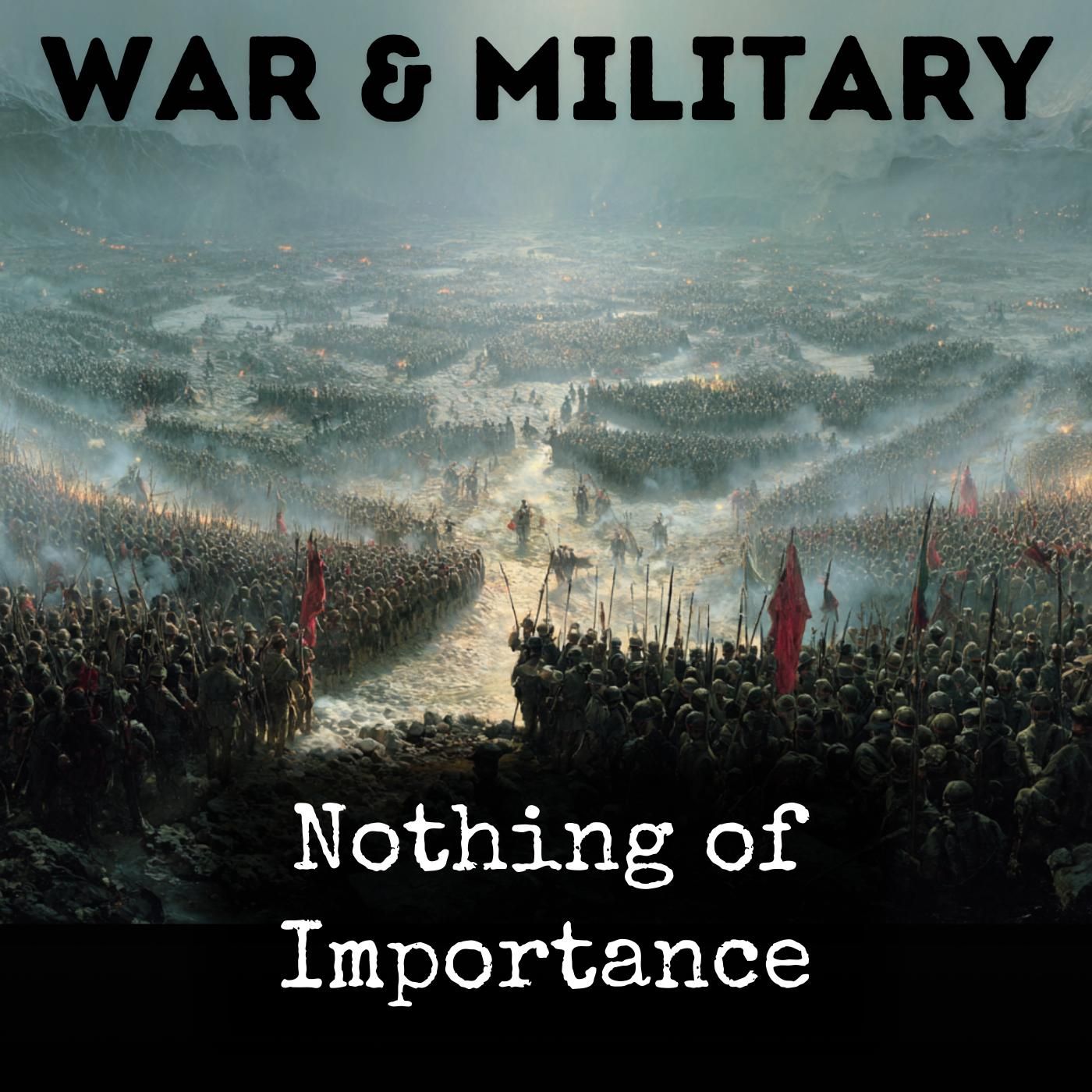
In the harrowing landscape of France during the Great War, Bernard Adams, a dedicated officer of a Welsh battalion, took it upon himself to document the grim realities of warfare. From the squalid living conditions in the rat-infested trenches to the duties of both officers and the Tommies (enlisted men), he paints a vivid picture of their struggles, the horrors of maiming and death, and the often-overlooked moments of stillness deemed “nothing of importance” in official reports. Adams shares his personal journey of being wounded in June 1916 and the profound reflections that emerged during his recovery in “Blighty” (the affectionate term soldiers used for England). His poignant final chapter, written while he convalesced, serves as a heartfelt meditation on the nature of war. After several months of healing, he returned to the front lines, only to be wounded again on February 26, 1917, a day before his tragic death. (Lee Smalley)
-
18
018 - Conclusion
In the harrowing landscape of France during the Great War, Bernard Adams, a dedicated officer of a Welsh battalion, took it upon himself to document the grim realities of warfare. From the squalid living conditions in the rat-infested trenches to the duties of both officers and the Tommies (enlisted men), he paints a vivid picture of their struggles, the horrors of maiming and death, and the often-overlooked moments of stillness deemed “nothing of importance” in official reports. Adams shares his personal journey of being wounded in June 1916 and the profound reflections that emerged during his recovery in “Blighty” (the affectionate term soldiers used for England). His poignant final chapter, written while he convalesced, serves as a heartfelt meditation on the nature of war. After several months of healing, he returned to the front lines, only to be wounded again on February 26, 1917, a day before his tragic death. (Lee Smalley)
-
17
017 - Wounded
In the harrowing landscape of France during the Great War, Bernard Adams, a dedicated officer of a Welsh battalion, took it upon himself to document the grim realities of warfare. From the squalid living conditions in the rat-infested trenches to the duties of both officers and the Tommies (enlisted men), he paints a vivid picture of their struggles, the horrors of maiming and death, and the often-overlooked moments of stillness deemed “nothing of importance” in official reports. Adams shares his personal journey of being wounded in June 1916 and the profound reflections that emerged during his recovery in “Blighty” (the affectionate term soldiers used for England). His poignant final chapter, written while he convalesced, serves as a heartfelt meditation on the nature of war. After several months of healing, he returned to the front lines, only to be wounded again on February 26, 1917, a day before his tragic death. (Lee Smalley)
-
16
016 - 'A certain Man Drew a Bow at a Venture'
In the harrowing landscape of France during the Great War, Bernard Adams, a dedicated officer of a Welsh battalion, took it upon himself to document the grim realities of warfare. From the squalid living conditions in the rat-infested trenches to the duties of both officers and the Tommies (enlisted men), he paints a vivid picture of their struggles, the horrors of maiming and death, and the often-overlooked moments of stillness deemed “nothing of importance” in official reports. Adams shares his personal journey of being wounded in June 1916 and the profound reflections that emerged during his recovery in “Blighty” (the affectionate term soldiers used for England). His poignant final chapter, written while he convalesced, serves as a heartfelt meditation on the nature of war. After several months of healing, he returned to the front lines, only to be wounded again on February 26, 1917, a day before his tragic death. (Lee Smalley)
-
15
015 - Billets
In the harrowing landscape of France during the Great War, Bernard Adams, a dedicated officer of a Welsh battalion, took it upon himself to document the grim realities of warfare. From the squalid living conditions in the rat-infested trenches to the duties of both officers and the Tommies (enlisted men), he paints a vivid picture of their struggles, the horrors of maiming and death, and the often-overlooked moments of stillness deemed “nothing of importance” in official reports. Adams shares his personal journey of being wounded in June 1916 and the profound reflections that emerged during his recovery in “Blighty” (the affectionate term soldiers used for England). His poignant final chapter, written while he convalesced, serves as a heartfelt meditation on the nature of war. After several months of healing, he returned to the front lines, only to be wounded again on February 26, 1917, a day before his tragic death. (Lee Smalley)
-
14
014 - Mines
In the harrowing landscape of France during the Great War, Bernard Adams, a dedicated officer of a Welsh battalion, took it upon himself to document the grim realities of warfare. From the squalid living conditions in the rat-infested trenches to the duties of both officers and the Tommies (enlisted men), he paints a vivid picture of their struggles, the horrors of maiming and death, and the often-overlooked moments of stillness deemed “nothing of importance” in official reports. Adams shares his personal journey of being wounded in June 1916 and the profound reflections that emerged during his recovery in “Blighty” (the affectionate term soldiers used for England). His poignant final chapter, written while he convalesced, serves as a heartfelt meditation on the nature of war. After several months of healing, he returned to the front lines, only to be wounded again on February 26, 1917, a day before his tragic death. (Lee Smalley)
-
13
013 - Officers Servants
In the harrowing landscape of France during the Great War, Bernard Adams, a dedicated officer of a Welsh battalion, took it upon himself to document the grim realities of warfare. From the squalid living conditions in the rat-infested trenches to the duties of both officers and the Tommies (enlisted men), he paints a vivid picture of their struggles, the horrors of maiming and death, and the often-overlooked moments of stillness deemed “nothing of importance” in official reports. Adams shares his personal journey of being wounded in June 1916 and the profound reflections that emerged during his recovery in “Blighty” (the affectionate term soldiers used for England). His poignant final chapter, written while he convalesced, serves as a heartfelt meditation on the nature of war. After several months of healing, he returned to the front lines, only to be wounded again on February 26, 1917, a day before his tragic death. (Lee Smalley)
-
12
012 - 'Whom the Gods Love'continued
In the harrowing landscape of France during the Great War, Bernard Adams, a dedicated officer of a Welsh battalion, took it upon himself to document the grim realities of warfare. From the squalid living conditions in the rat-infested trenches to the duties of both officers and the Tommies (enlisted men), he paints a vivid picture of their struggles, the horrors of maiming and death, and the often-overlooked moments of stillness deemed “nothing of importance” in official reports. Adams shares his personal journey of being wounded in June 1916 and the profound reflections that emerged during his recovery in “Blighty” (the affectionate term soldiers used for England). His poignant final chapter, written while he convalesced, serves as a heartfelt meditation on the nature of war. After several months of healing, he returned to the front lines, only to be wounded again on February 26, 1917, a day before his tragic death. (Lee Smalley)
-
11
011 - 'Whom the Gods Love'
In the harrowing landscape of France during the Great War, Bernard Adams, a dedicated officer of a Welsh battalion, took it upon himself to document the grim realities of warfare. From the squalid living conditions in the rat-infested trenches to the duties of both officers and the Tommies (enlisted men), he paints a vivid picture of their struggles, the horrors of maiming and death, and the often-overlooked moments of stillness deemed “nothing of importance” in official reports. Adams shares his personal journey of being wounded in June 1916 and the profound reflections that emerged during his recovery in “Blighty” (the affectionate term soldiers used for England). His poignant final chapter, written while he convalesced, serves as a heartfelt meditation on the nature of war. After several months of healing, he returned to the front lines, only to be wounded again on February 26, 1917, a day before his tragic death. (Lee Smalley)
-
10
010 - On Patrol
In the harrowing landscape of France during the Great War, Bernard Adams, a dedicated officer of a Welsh battalion, took it upon himself to document the grim realities of warfare. From the squalid living conditions in the rat-infested trenches to the duties of both officers and the Tommies (enlisted men), he paints a vivid picture of their struggles, the horrors of maiming and death, and the often-overlooked moments of stillness deemed “nothing of importance” in official reports. Adams shares his personal journey of being wounded in June 1916 and the profound reflections that emerged during his recovery in “Blighty” (the affectionate term soldiers used for England). His poignant final chapter, written while he convalesced, serves as a heartfelt meditation on the nature of war. After several months of healing, he returned to the front lines, only to be wounded again on February 26, 1917, a day before his tragic death. (Lee Smalley)
-
9
009 - Sniping
In the harrowing landscape of France during the Great War, Bernard Adams, a dedicated officer of a Welsh battalion, took it upon himself to document the grim realities of warfare. From the squalid living conditions in the rat-infested trenches to the duties of both officers and the Tommies (enlisted men), he paints a vivid picture of their struggles, the horrors of maiming and death, and the often-overlooked moments of stillness deemed “nothing of importance” in official reports. Adams shares his personal journey of being wounded in June 1916 and the profound reflections that emerged during his recovery in “Blighty” (the affectionate term soldiers used for England). His poignant final chapter, written while he convalesced, serves as a heartfelt meditation on the nature of war. After several months of healing, he returned to the front lines, only to be wounded again on February 26, 1917, a day before his tragic death. (Lee Smalley)
-
8
008 - More First Impressions
In the harrowing landscape of France during the Great War, Bernard Adams, a dedicated officer of a Welsh battalion, took it upon himself to document the grim realities of warfare. From the squalid living conditions in the rat-infested trenches to the duties of both officers and the Tommies (enlisted men), he paints a vivid picture of their struggles, the horrors of maiming and death, and the often-overlooked moments of stillness deemed “nothing of importance” in official reports. Adams shares his personal journey of being wounded in June 1916 and the profound reflections that emerged during his recovery in “Blighty” (the affectionate term soldiers used for England). His poignant final chapter, written while he convalesced, serves as a heartfelt meditation on the nature of war. After several months of healing, he returned to the front lines, only to be wounded again on February 26, 1917, a day before his tragic death. (Lee Smalley)
-
7
007 - The Bois Francais Trenches
In the harrowing landscape of France during the Great War, Bernard Adams, a dedicated officer of a Welsh battalion, took it upon himself to document the grim realities of warfare. From the squalid living conditions in the rat-infested trenches to the duties of both officers and the Tommies (enlisted men), he paints a vivid picture of their struggles, the horrors of maiming and death, and the often-overlooked moments of stillness deemed “nothing of importance” in official reports. Adams shares his personal journey of being wounded in June 1916 and the profound reflections that emerged during his recovery in “Blighty” (the affectionate term soldiers used for England). His poignant final chapter, written while he convalesced, serves as a heartfelt meditation on the nature of war. After several months of healing, he returned to the front lines, only to be wounded again on February 26, 1917, a day before his tragic death. (Lee Smalley)
-
6
006 - On the March
In the harrowing landscape of France during the Great War, Bernard Adams, a dedicated officer of a Welsh battalion, took it upon himself to document the grim realities of warfare. From the squalid living conditions in the rat-infested trenches to the duties of both officers and the Tommies (enlisted men), he paints a vivid picture of their struggles, the horrors of maiming and death, and the often-overlooked moments of stillness deemed “nothing of importance” in official reports. Adams shares his personal journey of being wounded in June 1916 and the profound reflections that emerged during his recovery in “Blighty” (the affectionate term soldiers used for England). His poignant final chapter, written while he convalesced, serves as a heartfelt meditation on the nature of war. After several months of healing, he returned to the front lines, only to be wounded again on February 26, 1917, a day before his tragic death. (Lee Smalley)
-
5
005 - Rest
In the harrowing landscape of France during the Great War, Bernard Adams, a dedicated officer of a Welsh battalion, took it upon himself to document the grim realities of warfare. From the squalid living conditions in the rat-infested trenches to the duties of both officers and the Tommies (enlisted men), he paints a vivid picture of their struggles, the horrors of maiming and death, and the often-overlooked moments of stillness deemed “nothing of importance” in official reports. Adams shares his personal journey of being wounded in June 1916 and the profound reflections that emerged during his recovery in “Blighty” (the affectionate term soldiers used for England). His poignant final chapter, written while he convalesced, serves as a heartfelt meditation on the nature of war. After several months of healing, he returned to the front lines, only to be wounded again on February 26, 1917, a day before his tragic death. (Lee Smalley)
-
4
004 - Working-Parties
In the harrowing landscape of France during the Great War, Bernard Adams, a dedicated officer of a Welsh battalion, took it upon himself to document the grim realities of warfare. From the squalid living conditions in the rat-infested trenches to the duties of both officers and the Tommies (enlisted men), he paints a vivid picture of their struggles, the horrors of maiming and death, and the often-overlooked moments of stillness deemed “nothing of importance” in official reports. Adams shares his personal journey of being wounded in June 1916 and the profound reflections that emerged during his recovery in “Blighty” (the affectionate term soldiers used for England). His poignant final chapter, written while he convalesced, serves as a heartfelt meditation on the nature of war. After several months of healing, he returned to the front lines, only to be wounded again on February 26, 1917, a day before his tragic death. (Lee Smalley)
-
3
003 - Cuinchy and Givenchy
In the harrowing landscape of France during the Great War, Bernard Adams, a dedicated officer of a Welsh battalion, took it upon himself to document the grim realities of warfare. From the squalid living conditions in the rat-infested trenches to the duties of both officers and the Tommies (enlisted men), he paints a vivid picture of their struggles, the horrors of maiming and death, and the often-overlooked moments of stillness deemed “nothing of importance” in official reports. Adams shares his personal journey of being wounded in June 1916 and the profound reflections that emerged during his recovery in “Blighty” (the affectionate term soldiers used for England). His poignant final chapter, written while he convalesced, serves as a heartfelt meditation on the nature of war. After several months of healing, he returned to the front lines, only to be wounded again on February 26, 1917, a day before his tragic death. (Lee Smalley)
-
2
002 - First Impressions
In the harrowing landscape of France during the Great War, Bernard Adams, a dedicated officer of a Welsh battalion, took it upon himself to document the grim realities of warfare. From the squalid living conditions in the rat-infested trenches to the duties of both officers and the Tommies (enlisted men), he paints a vivid picture of their struggles, the horrors of maiming and death, and the often-overlooked moments of stillness deemed “nothing of importance” in official reports. Adams shares his personal journey of being wounded in June 1916 and the profound reflections that emerged during his recovery in “Blighty” (the affectionate term soldiers used for England). His poignant final chapter, written while he convalesced, serves as a heartfelt meditation on the nature of war. After several months of healing, he returned to the front lines, only to be wounded again on February 26, 1917, a day before his tragic death. (Lee Smalley)
-
1
001 - In Memoriam and Preface
In the harrowing landscape of France during the Great War, Bernard Adams, a dedicated officer of a Welsh battalion, took it upon himself to document the grim realities of warfare. From the squalid living conditions in the rat-infested trenches to the duties of both officers and the Tommies (enlisted men), he paints a vivid picture of their struggles, the horrors of maiming and death, and the often-overlooked moments of stillness deemed “nothing of importance” in official reports. Adams shares his personal journey of being wounded in June 1916 and the profound reflections that emerged during his recovery in “Blighty” (the affectionate term soldiers used for England). His poignant final chapter, written while he convalesced, serves as a heartfelt meditation on the nature of war. After several months of healing, he returned to the front lines, only to be wounded again on February 26, 1917, a day before his tragic death. (Lee Smalley)
We're indexing this podcast's transcripts for the first time — this can take a minute or two. We'll show results as soon as they're ready.
No matches for "" in this podcast's transcripts.
No topics indexed yet for this podcast.
Loading reviews...
ABOUT THIS SHOW
In the harrowing landscape of France during the Great War, Bernard Adams, a dedicated officer of a Welsh battalion, took it upon himself to document the grim realities of warfare. From the squalid living conditions in the rat-infested trenches to the duties of both officers and the Tommies (enlisted men), he paints a vivid picture of their struggles, the horrors of maiming and death, and the often-overlooked moments of stillness deemed “nothing of importance” in official reports. Adams shares his personal journey of being wounded in June 1916 and the profound reflections that emerged during his recovery in “Blighty” (the affectionate term soldiers used for England). His poignant final chapter, written while he convalesced, serves as a heartfelt meditation on the nature of war. After several months of healing, he returned to the front lines, only to be wounded again on February 26, 1917, a day before his tragic death. (Lee Smalley)
HOSTED BY
John Bernard Pye Adams
Loading similar podcasts...
Frequently Asked Questions
How many episodes does Nothing of Importance have?
Nothing of Importance currently has 18 episodes available on PodParley. New episodes are automatically indexed when they're published to the podcast feed.
What is Nothing of Importance about?
In the harrowing landscape of France during the Great War, Bernard Adams, a dedicated officer of a Welsh battalion, took it upon himself to document the grim realities of warfare. From the squalid living conditions in the rat-infested trenches to the duties of both officers and the Tommies...
How often does Nothing of Importance release new episodes?
Nothing of Importance has 18 episodes. Check the episode list to see recent publication dates and frequency.
Where can I listen to Nothing of Importance?
You can listen to Nothing of Importance on PodParley by clicking any episode. We provide an embedded audio player for direct listening, and you can also subscribe via your preferred podcast app using the RSS feed.
Who hosts Nothing of Importance?
Nothing of Importance is created and hosted by John Bernard Pye Adams.
URL copied to clipboard!