
PODCAST · arts
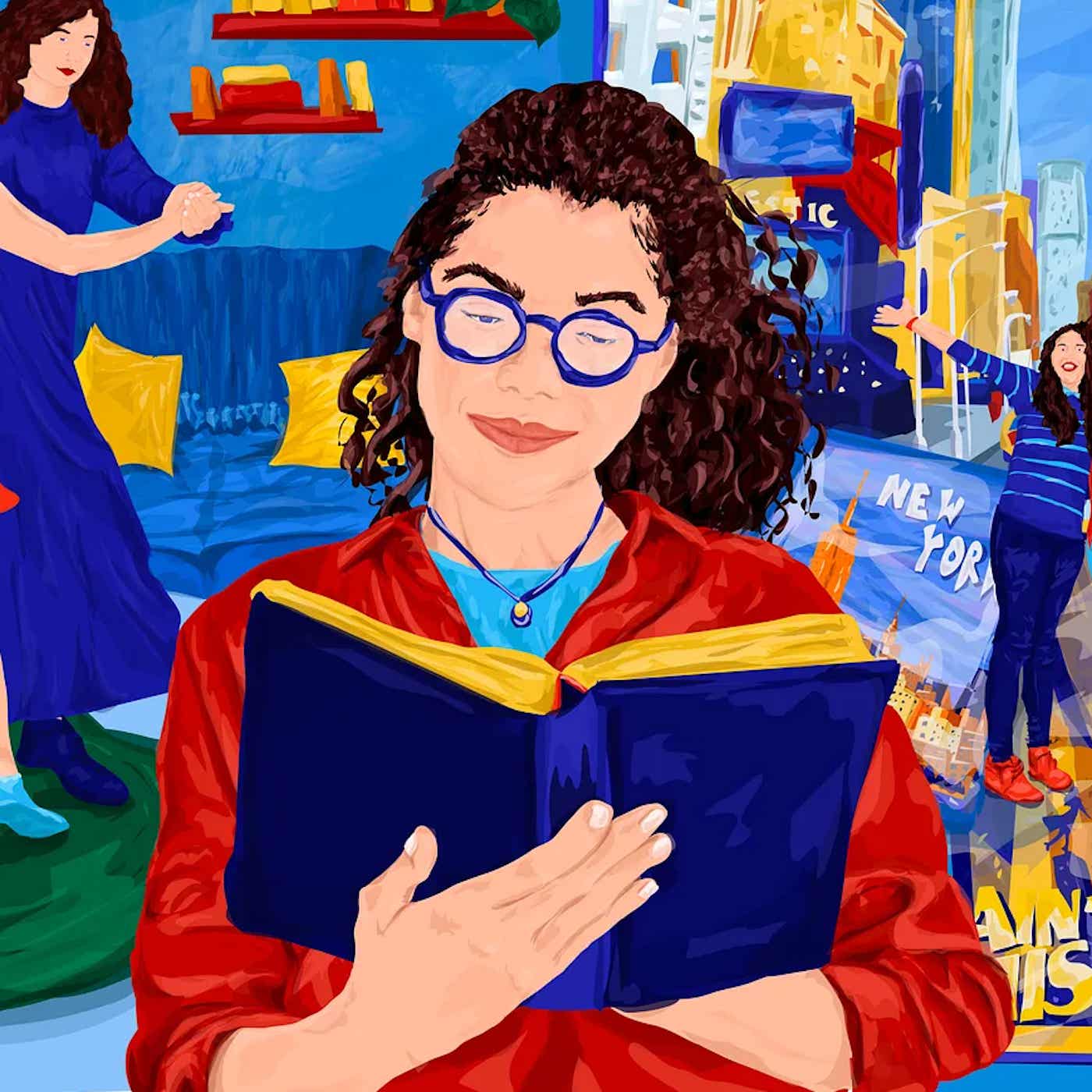
Open Book with Narratively Academy
by Narratively Academy
The Narratively Academy team interviews top writers, editors and publishing industry professionals to give you real, honest insight on how to pitch, write and publish your work. www.narrativelyacademy.com
-
41
WATCH: "How to Report on Family Secrets" with New York Times Contributor Susan Saulny
This is a free preview of a paid episode. To hear more, visit www.narrativelyacademy.comHappy weekend, writers! What did you work on this week? Don’t forget to share your #WeeklyWins over in the Narratively Academy Chat.The best thing I did this week was my chat with Susan Saulny, the writer behind one of the most impressive feature articles I’ve read this year, the epic story, “A Family Secret No More,” published in The New York Times a few weeks ago.In her story, Susan explores the dual life stories of her grandfather, George, who lived in the Jim Crow South as a Black man, and his lighter-skinned brother, Edward, who moved to Chicago and “crossed the line” to live as White. It’s a remarkable reported essay that I can only imagine took an immense amount of researching, reporting, and navigating complicated family dynamics to put together.If you haven’t had a chance to read Susan’s story yet, here’s a gift link for you to catch up this weekend. Click play above to dive into our full conversation about how Susan put this incredible piece of storytelling together.
-
40
WATCH: Melissa Petro on How to Write a Hybrid Memoir
This Open Book conversation with Melissa Petro, author of Shame on You: How to Be a Woman in the Age of Mortification, is one that has been particularly helpful for a lot of writers in our community. So many of us have lots of material for a memoir but no firm concept about how that material comes together into a marketable book.Melissa chatted with us about how she re-conceptualized her memoir into a hybrid book that feels very of-the-moment — and got a publisher’s attention with her new proposal. Give it a watch by clicking play above.BTW, we have just a couple seats left in Melissa’s Nonfiction Book Development Boot Camp, which starts next week. If you’re ready to take on a full-length book—memoir, narrative nonfiction, or something in between—but you’re not totally sure how it takes shape, this two-day workshop is designed to help you transform your idea into a structured, strategic vision you can confidently pitch, write and publish.To make sure you never miss a post, become a free or paid subscriber to Narratively Academy. This is a public episode. If you'd like to discuss this with other subscribers or get access to bonus episodes, visit www.narrativelyacademy.com/subscribe
-
39
Writing + Publishing My Memoir at 75
This was such a fun one! It was so inspiring to hear Laurie Garnier’s story of how, at age 40, she decided to change everything in pursuit of a better life—and how, at age 75, she finally wrote that life story and got it published.The book is And Then There Was Paris and for those who didn’t have the chance to join us live, we’re making the recording free for everyone. Here’s to always chasing your dreams.Happy weekend! This is a public episode. If you'd like to discuss this with other subscribers or get access to bonus episodes, visit www.narrativelyacademy.com/subscribe
-
38
Inside the Book Launch: How Hybrid Publishing Works
This is a free preview of a paid episode. To hear more, visit www.narrativelyacademy.comHello, writers! Hope you all had a wonderful and relaxing long weekend—or at least a not-so-miserable Monday if you weren’t lucky enough to have yesterday off. On Thursday we had a fantastic conversation with Amy Gabrielle, author of the just-published memoir Widow in the City: A Memoir of Heartbreaks and Hookups.We recently published an adapted excerpt of Amy’s memoir over on Narratively.com, and we wanted to chat with Amy to learn more about how she finished and published her book. Her memoir comes via She Writes Press, an award-winning hybrid publisher for women authors. Many of you have questions about how this model works, and Amy was kind enough to open up and chat about everything.
-
37
WATCH: The Secret Life of an Obit Writer
This is a free preview of a paid episode. To hear more, visit www.narrativelyacademy.comThis week’s Open Book was one of my favorite yet. The great Lee Gutkind keeps reeling in fascinating guests, and the latest is veteran New York Times obituary writer Michael Roswenwald, who told us all about the craft of obituary writing—how he decides what to include, what to leave out, and how this work shapes the way we think about narrative, memory, and meaning. Paid subscribers can watch the full conversation above. (Not a subscriber and want to try it out? Drop us a line at [email protected] and we’ll give you a free week’s access so you can watch this and our entire archive of Open Book videos.)Watch more Open Book episodes from Lee Gutkind and Narratively Academy:* Jane Friedman on Finding Balance in the Writing Business* Kim Cross on How to Write Great Dialogue in Nonfiction Stories* Dinty W. Moore on What the Heck is a Flash Essay?And if you’re new to Narratively Academy—or if you’re not!—a quick reminder that tomorrow is Writers’ Room, a virtual session we facilitate each Wednesday morning — at 8 a.m. on both the East and West coasts — in which writers of all genres gather to write together. We share what we plan to work on at the top, spend a majority of the time typing away and then check back in at the end to share how it all went. If you’re looking for accountability, inspiration or some semblance of a writing routine, this might be just the thing for you.(If you are asked for a passcode, enter: 824784)Want to receive text message alerts each week when we’re about to begin Writers’ Room, or add this weekly event to your calendar?8 a.m. ET Writers’ Room: head here to (very easily) sign up for text alerts, and here to add the 8 a.m. ET Writers’ Room to your calendar.8 a.m. PT Writers’ Room: head here to sign up for text alerts and here to add the 8 a.m. PT Writers’ Room to your cal.
-
36
How to Be a Successful Freelancer With Amelia Edelman
This is a free preview of a paid episode. To hear more, visit www.narrativelyacademy.comEveryone likes to fancy themselves a freelance writer, but the reality of it can be kind of intimidating. Can you actually earn real money, where do you even begin, and once you do, how do you keep track of all your projects? We had a lot of questions. Lucky for us (and you!), one of our favorite successful freelancers, Amelia Edelman — whose work has appeared on/in The New York Times’ T Brand Studio, NPR, Travel + Leisure, Lonely Planet, Parents, and Gloria — agreed to join us for an Open Book chat so we could pick her brain about all of it. We learned about the importance of anchor clients and tapping your network, how to keep track of your finances and save for taxes (the fun part!) and how to get to work on things you want to work on. It was truly a delight of a conversation in which we learned so much. Click play above to watch the whole thing! P.S. Just a reminder that all of our live videos are free, and the recorded versions of them are available to all paying members. Learn how to become one below!
-
35
'A Better Literary World Is Possible': How to Get a Book Deal Without an Agent
This is a free preview of a paid episode. To hear more, visit www.narrativelyacademy.comAny writer knows that if you plan to work on a book — even if you’re just thinking about it — at some point the matter of whether to get an agent or not (or at least to try!) will come up. Some writers forego the whole agent-querying process altogether. With that in mind, we spoke to authors Bonnie Chau and Kristi D. Osorio about their experiences doing just that.
-
34
Finding Balance in the Writing Business
As many of you know, Jane Friedman is a leading voice in the publishing industry. Her newsletter, The Bottom Line, provides nuanced, transparent market intelligence to thousands of authors. This week, Lee Gutkind chatted with Jane about the state of the publishing industry and how writers can find the right balance of focusing on writing and focusing on business. Jane also answered your questions bout book proposals, building a platform and more. Click play above to watch the full thing.Want more expert writing advice and guidance? Don’t miss our upcoming Narratively Academy classes!Memoir With Magical Realism: Starts Feb. 2431 Days, 31 Revision Prompts: Starts March 1Verifying Family Lore: March 12The Power of Visual Language: March 19Launching a Book Without a Big PR Budget: March 28Speculative Nonfiction Workshop: Starts April 7Want to be the first to know about new live videos and class announcements—plus get 20% off every class you join? Sign up as a paid member of Narratively Academy This is a public episode. If you'd like to discuss this with other subscribers or get access to bonus episodes, visit www.narrativelyacademy.com/subscribe
-
33
How to Blend Magical Realism + Memoir
Thanks to everyone who joined us for yesterday’s live interview with Jasper “Jaz” Joyner about magical realism and memoir. If you weren’t able to join, just click play above to watch the full interview.And if you’re ready to dive into this world, don’t miss Jaz’s upcoming class, How to Write a Memoir with Magical Realism, an intensive six-week workshop in which students will learn how to shape an effective (and true!) memoir using fantastical elements borrowed from this beloved genre.Get full access to everything we publish at Narratively Academy—plus 20% of all classes—by becoming a paid member. This is a public episode. If you'd like to discuss this with other subscribers or get access to bonus episodes, visit www.narrativelyacademy.com/subscribe
-
32
How to Write an Autobiographical Novel
In this week’s episode of “Open Book” author Rafael Frumkin tells us why they decided to write an autobiographical novel instead of a memoir—and explains how nonfiction writers can get started with turning their true experiences into fiction.If you didn’t get the chance to join us live, just click play above to watch the whole thing, or listen in your favorite podcast player. We’re making this episode free to all.And if you’re ready to make the leap into fiction yourself, don’t miss Rafael’s class—From Essays to Novels: Fiction Writing for the Nonfiction Writer—which kicks off this coming Thursday, February 19.Subscribe to Narratively Academy to make sure you never miss an episode of Open Book. This is a public episode. If you'd like to discuss this with other subscribers or get access to bonus episodes, visit www.narrativelyacademy.com/subscribe
-
31
How to Turn Your Essays Into a Collection With Nicole Graev Lipson
This is a free preview of a paid episode. To hear more, visit www.narrativelyacademy.comI’m still pinching myself that I got to chat with the brilliant Nicole Graev Lipson yet again, this time for our Open Book series about one of my favorite topics, the essay collection, or more specifically, the memoir-in-essays. Nicole wrote one of my favorites, Mothers and Other Fictional Characters, which was published last year. As promised, Nicole was a true open book about her experience, sharing how she started getting back to writing after having children, at what point she realized she might want to expand her standalone pieces into a collection, when she decided to look for an agent, what went into her book proposal and so.much.more. If you haven’t read her memoir-in-essays yet, I can’t recommend it enough — please buy a copy today. And if you’ve ever thought about penning an essay collection yourself, you won’t want to miss our recorded chat, which is available to all paying members. (See how to become one below if you aren’t already.) Enjoy!
-
30
How I Turned My Nonfiction Article Into a Book
This is a free preview of a paid episode. To hear more, visit www.narrativelyacademy.comWe love seeing writers expand their Narratively articles into published books! In this week’s episode of our Open Book video/podcast series, Ethelene Whitmire shares how she leveraged her article, The Gay Black American Who Stared Down Nazis in the Name of Love, to land a significant book deal with a major publisher. Paid members can watch the full video above. Be sure to order a copy of Ethelene’s The Remarkable Life of Reed Peggram, set to be published by Penguin Random House next week.
-
29
New York Times Features Writer Steven Kurutz on the Fine Art of Story Hunting
Thanks so much to everyone who joined our live chat on Friday with Creative Nonfiction founder Lee Gutkind and New York Times features writer Steven Kurutz. Steven has written so many fantastic articles over the years, and it was incredible to get his insight into how to find great stories—and figure out how and where to tell each one. (We had a few technical difficulties which meant Steven had to be off-camera, but we rolled with it!) Click play above to listen to the full conversation. We’re making this video free to all. If you like it and want to see/read more from Narratively Academy, please consider becoming a paid subscriber. This is a public episode. If you'd like to discuss this with other subscribers or get access to bonus episodes, visit www.narrativelyacademy.com/subscribe
-
28
How to Juggle Multiple Creative Projects at Once
What an honor it was to chat with Caroline Rothstein this afternoon and hear all about how she handles the logistical, creative and emotional complexities of working on multiple writing projects at once. Even if you’re not an essayist-poet-performer-educator-filmmaker-screenwriter-playwright-novelist like Caroline is, if you always wish you had more time and energy to get creative, her insights here are gold. Because this one is relevant to so many of you new year’s goal-setters, we’re making the full video free—click play above to watch, or listen in your favorite podcast player.If you’re inspired to get even more insight from Caroline, her Personal Essay Incubator starts this Tuesday and there are just two seats left. This a unique opportunity for just six writers to work directly with Caroline in a small group setting this winter, with weekly classes and close editorial guidance on writing, pitching and publishing personal essays.Staying on theme, Caroline is teaching not one but two classes with us this winter. (She really does multi-task well!) If you’re just getting started with writing about very personal topics, be sure to grab a spot in her perenially popular class, Deeply Personal: Writing First-Person Essays on Raw and Difficult Topics. It’s been so wonderful to see the writers in this small workshop class develop close relationships while they explore writing *those* kinds of pieces — the ones you always want to write but that require a push to figure out how to tell them in the right way. This is a public episode. If you'd like to discuss this with other subscribers or get access to bonus episodes, visit www.narrativelyacademy.com/subscribe
-
27
Award-Winning Novelist Kern Carter on Landing the Book Deal…and What Comes Next
You may have noticed that this video with Kern Carter was one of our top 10 most-read Narratively Academy posts of the year, and it’s not hard to see why. We really appreciate it when a successful author can be wholly honest and transparent about all of the ups and downs of the industry, and Kern is nothing if not that. Kern has landed six separate book deals (yes, we said five when we promoted this chat; and yes, as he revealed in our live video, he landed yet another one since then!)Next week at Narratively Academy, Kern will teach Telling Your Story: The 90-Minute Seminar for Kickstarting Your Memoir. He’s also one of the mentors for our 2026 Narratively Book Incubator. Kern is such a generous, kind and knowledgable writer, and we’re very lucky to have him as such an active member of this community. For our last post of the year, we decided to make this full video free to all.Kern chatted with us about why he felt self-publishing was the perfect way for him to “practice in public,” how he crafted a pitch that got the attention of an agent, what happens after you sign a deal with a major publisher, and how he made the agonizing decision to walk away from one of his deals. Kern’s candor about how it all goes down is helpful advice for writers at any stage of their publishing journey. Click play above to watch the full conversation. Ready to start writing your own memoir? Join Kern on Tuesday, January 6 for Telling Your Story: The 90-Minute Seminar for Kickstarting Your Memoir. He’ll talk through how to find your voice, identify the parts of your life worth sharing, and ensure that your memoir connects emotionally with readers. This fun, fast-paced 90-minute seminar will get your memoir juices flowing first thing in the new year.And if you’re thinking about going all in and finally writing that book in 2026, don’t miss your chance to meet Kern and our other 2026 Narratively Book Incubator mentors on Wednesday, January 6.All the info about the 2026 Narratively Book Incubator can be found here.Happy New Year! This is a public episode. If you'd like to discuss this with other subscribers or get access to bonus episodes, visit www.narrativelyacademy.com/subscribe
-
26
How to Become a Prize-Winning Essayist From Prison, With Christopher Blackwell
This is a free preview of a paid episode. To hear more, visit www.narrativelyacademy.comI could sing Christopher Blackwell’s praises all day long. He’s a beautiful writer — he won the 2023 Narratively Memoir Prize, after all, for his moving essay, “Chaos and Noise: One Man’s Harrowing Stint in Solitary Confinement” — a podcaster, executive director of an organization that works to empower incarcerated people, co-author of a book about solitary confinement and so much more. All while being incarcerated at a prison in Washington state, no less. But it’s not just that he does all these things — it’s that he does them all with passion, heart and intention.I was lucky enough to get to chat with Christopher for an Open Book episode about how he manages to be such a prolific writer from where he currently is, the range of writing he does and where his ideas come from — plus, his own words of wisdom on how to write a deeply moving memoir essay. (And his advice is seriously gold.) Give it a watch or a listen just in time to submit something of your own to this year’s Memoir Prize, whether it’s an essay that just needs a quick dust-off and polish, or something you’ve been thinking about for weeks and are finally ready to just.bang.out. Head here to submit your piece to the 2025 Narratively Memoir Prize contest by EOD today! And, go… To watch all of our Open Book videos — and access everything else Narratively Academy has to offer — become a paid subscriber today. ❤️
-
25
How to Write About Your Most Vulnerable Experiences With Susannah Cahalan
This is a free preview of a paid episode. To hear more, visit www.narrativelyacademy.comFor someone as successful as Susannah Cahalan — she’s among a small pool of writers who actually once got to answer the question everyone always ponders, Who would play you in a movie? (Chloë Grace Moretz!) — she’s very humble. She’s this year’s Narratively Memoir Prize judge, and she’s not doing it merely as a favor — she genuinely can’t wait to read your memoir stories. Truly! Susannah joined me in conversation for a live Open Book episode where she spoke openly about her experience writing her acclaimed memoir Brain on Fire, how it’s led to her illustrious career and subsequent books, what makes memoir stand out for her, plus what writers might do that will earn them bonus points. Don’t take my word for it — click play above to watch or listen to Susannah enthusiastically speak about what lights her up in memoir and answer audience questions to boot! (And then submit your essay to the 2025 Narratively Memoir Prize contest here by December 7!) To watch all of our Open Book videos — and access everything else Narratively Academy has to offer — become a paid subscriber today. ❤️While we have you… Wednesday is just around the corner, and you know what that means: Writers’ Room! If you’re anything like us, you’ll need this writing session more than ever as a chance to get something done before jetting off for the long holiday weekend. East Coast team: You’re in luck this week, as multi-hyphenate writer-artist-poet-performer-filmmaker and longtime Narratively alum Caroline Rothstein will be bringing her unique pizazz as a guest host this week. And West Coast team, you’re in luck, too, because Narratively Academy editorial director Brendan Spiegel Spiegel always brings his unique pizazz, which if you’ve ever joined, you know. 😉Reminder about the details: Writers’ Room is a virtual space for members of our community to meet up to share and write together, and it takes place every Wednesday morning at 8 a.m. ET and again at 8 a.m. PT. You can choose to join whichever time works better for you — or even for both.Click this Zoom link to join us for either session on Wednesday.(If you are asked for a passcode, enter 824784)Want to receive text message alerts each week when we’re about to begin Writers’ Room, or add this weekly event to your calendar?8 a.m. ET Writers’ Room: head here to (very easily) sign up for text alerts, and here to add the 8 a.m. ET Writers’ Room to your calendar.8 a.m. PT Writers’ Room: head here to sign up for text alerts and here to add the 8 a.m. PT Writers’ Room to your cal.Click play above to watch the full conversation. Thank you for your support!
-
24
How These 3 Writers Penned Narratively Memoir Prize–Winning Essays
This is a free preview of a paid episode. To hear more, visit www.narrativelyacademy.comLast week, we had the absolute pleasure to speak with the three past winners of the Narratively Memoir Prize, Laura Green-Russell, Christopher Blackwell and Lisa Williamson Rosenberg…all at once. They each shared about the process of writing their essays, the starts and stops, the editors and mentors who played a role, the expectations they had (and didn’t have…at all). It was eye-opening and encouraging all at once. It made us want to get out there and write new pieces of our own, or refine old ones we’ve been meaning to work on. Perhaps this chat will do the same for you, whether you’ve been thinking about submitting to the 2025 Narratively Memoir Prize and you’d love some inside tips, or you’re looking to polish a new essay and could simply use a push. If you missed it the first time, or you just want to glean the great advice these three shared all over again — and we don’t blame you — you can tune into the full recording of this conversation above. This, and all of the recordings in our Open Book Live video series, are available to Narratively Academy paid subscribers. Enjoy!
-
23
Hollywood Wants True Stories—Here’s How to Get Yours Discovered
It’s no secret that we’re massive storytelling fans here at Narratively. When we’re not commissioning and editing stories, we’re reading essays, novels, and memoirs, listening to podcasts, and sinking into the couch (ideally with a kitten on our lap and tea in hand) to binge the latest streaming gem. My favorite shows and movies tend to start as the kinds of stories we already love: Slow Horses (originally a gripping spy novel series that, yes, my kitten and I just blew through), Inventing Anna (first a New York mag piece), The Queen’s Gambit (also a novel in its earlier form), and The Dropout (formerly a true-crime podcast).These aren’t exceptions—they’re the blueprint. Hollywood is hungry for character-driven stories that come with depth, authenticity, and a built-in audience. And many of the best stories start as “literary IP.”That’s why understanding IP—short for intellectual property, meaning the rights to control how a story is used, shared, and adapted—is more important than ever. Whether it’s a published book or a short memoir in a digital outlet like Narratively.com, great written stories offer more than just inspiration—they give producers fully realized worlds to build from.It’s the difference between starting with a vibe and starting with a voice.In my role leading Narratively, I’ve spent the better part of a decade working closely with writers to develop true stories into film and TV, with partners like Warner Bros., Universal, Emma Roberts, and LeBron James. And one thing I’ve learned? There’s no single path to being discovered. But knowing how to position your work as undeniable and get it in front of the right people, at the right time, can make all the difference.To that end, I’ve lately been digging into how we can create more opportunities for our Narratively Academy storytellers. One conversation that stood out was with Margaret Harrison of Ingram Content Group—the behind-the-scenes distribution giant that quietly powers much of the book industry. She told me about a new platform they’ve launched called MediaScout, which is essentially a rights directory that Hollywood buyers are using to discover compelling IP for adaptation. MediaScout was originally designed specifically for published books—but when I asked about the potential for other formats, Margaret lit up.Intrigued, I asked to record a talk with her—and she graciously agreed. Even better, she offered the Narratively community early access to submit not just books, but essays, articles, and even unpublished stories directly to her team. As a longtime fan of what we do—and a firm believer in great storytelling—it didn’t take much convincing.In the 9-minute video above, Margaret and I cover how MediaScout is helping storytellers get on the radar of producers and studios—at no cost to writers—no matter whether you’re self-published, traditionally published, or sitting on a manuscript in Google Docs.👉 Use this form to tell Margaret and her team a little about yourself, help them get eyes on your work, and explore listing your IP.What’s in the Video:* What “literary IP” actually means—and why it matters now more than ever* Why short stories, essays, and even unpublished works are in demand* How MediaScout works—Hollywood buyers pay for access, writers don’t—and how to get your work into the system* Why storytellers should feel hopeful about the futureWhether or not you decide to try MediaScout, I hope this convo leaves you a little more inspired and hopeful—and empowered—to treat your story like the valuable property it is.This post was produced in paid partnership with MediaScout. We only feature tools we truly believe in—and that we think can genuinely benefit the storytellers in our community. If you’ve built something worth sharing, we’d love to hear from you.Narratively Academy is a member-supported writer community. Consider joining us on our journey to empower and support one another. This is a public episode. If you'd like to discuss this with other subscribers or get access to bonus episodes, visit www.narrativelyacademy.com/subscribe
-
22
Watch (or Listen to) Our First Community Critique
This is a free preview of a paid episode. To hear more, visit www.narrativelyacademy.comHappy Sunday, writers! If you haven’t already, be sure to head over to the chat and tell us about your #WeeklyWin.By the way, there’s only 1 seat left in The Art of Writing a Nonfiction Book That Reads Like a Novel, which starts this Wednesday, so if you’ve been thinking about joining that one, be sure to grab that last spot today.One of my favorite things I did this week was join a bunch of you for our first-ever Community Critique. We all read writer Martha Bonnie’s story draft and had a wonderful conversation about how it might be edited and improved. Thanks so much to everyone who joined! If you didn’t get a chance to join live, paid members can read Martha’s piece + my critique memo here, then watch the recording of our session above—or listen to it as a podcast.Stay tuned for the edited version of Martha’s story!
-
21
How to Write Great Dialogue in Nonfiction Stories
When it comes to writing dialogue, your mind probably goes to screenplays or novels. But many of the best nonfiction stories also include active, cinematic scenes that revolve around riveting dialogue. How do journalists and creative nonfiction writers do this while sticking to the truth? We talked to one of the best in the business—New York Times bestselling author, journalist, and historian Kim Cross—who joined Lee Gutkind for this week’s episode of our Open Book live conversation series.Kim answered questions about how she gathers great dialogue to include in her articles and books; how to best present that dialogue to readers; and much more…she even gave us some hot tips on her favorite notebook and recording device!Thanks so much to everyone who joined us live. The full recording of this conversation is above. This, and all of the recordings in our Open Book Live video series, are available to Narratively Academy paid subscribers. This is a public episode. If you'd like to discuss this with other subscribers or get access to bonus episodes, visit www.narrativelyacademy.com/subscribe
-
20
Melissa Petro on How to Write a Hybrid Memoir
This week’s Open Book conversation was a really great one! Melissa Petro, author of Shame on You: How to Be a Woman in the Age of Mortification chatted with us about how she re-conceptualized her memoir into a hybrid book that feels very of-the-moment—and got a publisher’s attention with her new proposal. Several participants in this Wednesday’s Writers’ Room mentioned that Melissa’s insight into how to reframe your personal experience into something universal was particular helpful for them. Because this one was impactful for so many of the folks who joined live, we’re going to keep the recording free and open to all. Give it a watch by clicking play above.And if you want to learn more from Melissa, don’t miss Writing the Unspoken: Crafting Stories from Shame and Silence, her upcoming three-part workshop, designed to guide students on how to reclaim your stories from shame.To make sure you never miss a post, become a free or paid subscriber to Narratively Academy. This is a public episode. If you'd like to discuss this with other subscribers or get access to bonus episodes, visit www.narrativelyacademy.com/subscribe
-
19
Free Episode: The Producers of 'Heavyweight' on the Secrets of Audio Storytelling
This is a free preview of a paid episode. To hear more, visit www.narrativelyacademy.comWe’ve been waiting so long for this day — since December 21, 2023, to be exact, when the last brand-new full episode of Heavyweight aired — that it’s hard to believe it’s finally here. After a year and a half away and now at a new home, everyone’s favorite narrative nonfiction podcast is back! To celebrate, we’re sharing the Open Book interview we did w…
-
18
Erika Hayasaki on Writing Longform Features and Cover Stories
This is a free preview of a paid episode. To hear more, visit www.narrativelyacademy.comA former contributing editor at Narratively, Erika Hayasaki has written cover stories for The New York Times Magazine, WIRED, Newsweek and more, plus features for The Atlantic, The Guardian, National Geographic, Men’s Health, Elle, New York magazine, The Cut, and many other publications. Erika joined our Open Book video series to talk about how she started her career—and how she forms relationships with editors, finds the best stories, and much more.You can watch the full recording of this video above. Be sure to follow Erika’s Substack, The Reported Essay, for lots more insight—and our growing archive of Open Book talks with editors, writers and publishing professionals is always open for binge-watching.P.S. Tomorrow morning is Writers’ Room time! Every Wednesday morning from 8-9 ET, it’s the perfect place to come to work out the kinks of your new essay, brainstorm your next novel or polish off a paragraph you’ve been struggling with. Head here for more info, and we hope to see you Wednesday morning!
-
17
Ada Calhoun on How to Follow Your Nose and Keep at It
This is a free preview of a paid episode. To hear more, visit www.narrativelyacademy.comOne of my favorite parts about being a journalist — as I’m sure I’ve written about before — is going on a deep dive of someone’s work and then getting to ask them all the questions that came up for me as I did. This — spoiler — is exactly what I got to do with Ada Calhoun recently, and it was such a joy! Ada — who has done everything from write five incredible books in the last decade, to collaborate on 30 major nonfiction books in her day job as a ghostwriter, to publish three Modern Love essays — was wonderfully candid about all of it. She answered questions about how she got started in media, which is truly the stuff of legends, where she finds inspiration for her books and the new writing genres she’s currently exploring. She also reminded us of this great James Salter quote that I’ll be thinking about for a while: “There are stories that one must tell, and years that one must tell them.” Buckle up for this master class in writing — it’s a perfect way to spend a little chunk of your Sunday. To watch all of our live video recordings — and access everything else Narratively Academy has to offer — become a paid subscriber today. ❤️
-
16
The Producers of 'Heavyweight' on the Secrets of Audio Storytelling
This is a free preview of a paid episode. To hear more, visit www.narrativelyacademy.comIn the days leading up to — and after — my interview with Kalila and Stevie of Heavyweight, I kept hearing from friends and strangers about how much they “omg, love this podcast!” And how it was their “absolute favorite,” (as it is mine)! Always with an exclamation point, always with the knowing enthusiasm that we were all in on something we didn’t real…
-
15
Parisa Saranj on How to Handle Rejection Like a Pro (Hint: It Involves Cake!)
This is a free preview of a paid episode. To hear more, visit www.narrativelyacademy.comLast week was what we were calling “Rejection Week” at Narratively Academy. I wrote a craft piece for which I spoke to several writers and editors about what it’s like to be on both sides of it, and shared some advice in Writers’ Room about it, too. I also got to speak with the one and only Parisa Saranj, who is a writer, Persian translator and contributing editor at literary magazine Consequence Forum, about all the many inventive and thoughtful ways she deals with submitting her work and sometimes getting rejection letters. Parisa works harder than almost anyone I know at getting her work out there, whether it’s submitting to journals, applying to grants or residencies, or even reaching out to authors she admires and making connections. She also has a unique way of looking at it all — not to mention an energy and enthusiasm that is unmatched. We’re so lucky that she came to chat with us and shared her secrets about reframing (here’s where the cake comes in!), how essential it is not to write alone, what kind of community to look for and so much more. A few housekeeping things… Parisa talks about her Submission Sunday Club in our chat, and she wanted us to share her email address with folks who may be interested in joining: [email protected]. Also…we’ve been loving doing these Substack Live videos. One of the things that makes them fun is how conversational and spontaneous they can be. On the other hand, the whole live part can get kind of tricky when your video is randomly spotty, like it was in this chat, so apologies for that. We’re working on fixing the issue for the future, and for now, we’ve included subtitles that fill in the gaps to hopefully make things easier to follow. Thank you for understanding and for your support! To watch all of our live video recordings — and access everything else Narratively Academy has to offer — become a paid subscriber today.
-
14
Novelist Kern Carter on Landing the Book Deal…and What Comes Next
This is a free preview of a paid episode. To hear more, visit www.narrativelyacademy.comWe really appreciate it when a successful author can be wholly honest and transparent about all of the ups and downs of the industry, and Kern Carter is nothing if not that. Kern has landed six separate book deals (yes, we said five when we promoted this chat; and yes, as he revealed in our live video, he landed yet another one since then!)Kern chatted with us about why he felt self-publishing was the perfect way for him to “practice in public,” how he crafted a pitch that got the attention of an agent, what happens after you sign a deal with a major publisher, and how he made the agonizing decision to walk away from one of his deals.Kern’s candor about how it all goes down is helpful advice for writers at any stage of their publishing journey.
-
13
How to Pitch Narratively.com
This is a free preview of a paid episode. To hear more, visit www.narrativelyacademy.comIt was incredible to see so many of you at our Pitch Perfect video session last week, where we talked over what we’re looking for in pitches and submission to Narratively.com (including our brand new call for pitches on unusual jobs), along with some broader tips on pitching any editorial publication. If you missed this session, just click play above to…
-
12
What the Heck Is a Flash Essay?
This is a free preview of a paid episode. To hear more, visit www.narrativelyacademy.comThanks so much to the over 400(!) of you who joined our live chat today with Lee Gutkind and Dinty W. Moore. What a pleasure to have these two literary legends get together to talk about flash essays—and to have so many of you join from all over the world and chime in with insightful comments and questions. Press play above to watch the full session.And we have a special little treat: our first-ever flash essay contest! Here’s our prompt:Write a flash essay about a moment you regret.Don't overthink or self-edit too much. Just go for it! Write a flash essay of up to 500 words.We’ll read all of your submissions and publish our favorite one on Narratively.com!UPDATE: Read the winning flash essay submission over at Narratively.comPS: Love getting together with other writers? Don’t miss our Wednesday Writers’ Room—a virtual space where we write together in community.
-
11
Lizzie Widdicombe on Writing and Editing for The New Yorker
This is a free preview of a paid episode. To hear more, visit www.narrativelyacademy.comAs a staff writer at The New Yorker, Lizzie Widdicombe has penned everything from breaking news posts to an 11,000-word profile of Taylor Swift. She has also authored over 200 pieces for the “Talk of the Town” section, where she served as deputy editor for nine years.
-
10
The Narratively Academy Launch Party
Thanks so much to everyone who joined our virtual launch party this Wednesday! It was such a treat to meet writers from all around the world and to hear about what you want from this writing community. Special thanks to Narratively Academy instructors Kerra Bolton, Audrey Clare Farley and Kern Carter for telling us all a bit about how you do what you do, and to everyone who asked a question out loud or in the chat.For those of you who missed it, you can watch the full video above to get a sense for what we have coming up at Narratively Academy. Questions? Ideas for other things we should do? Drop your thoughts in the comments! This is a public episode. If you'd like to discuss this with other subscribers or get access to bonus episodes, visit www.narrativelyacademy.com/subscribe
-
9
48 Minutes With Essayist Elizabeth Laura Nelson
A few weeks ago, we published a deeply moving essay by Elizabeth Laura Nelson about love, loss and moving on. Earlier this afternoon, our executive editor, Jesse Sposato, spoke with her about how the piece came to be, what the writing process was like, what she’s working on currently and so much more. We loved every minute of it, but this may be our favorite line: “I don’t love advice. I don’t love giving it, I don’t love getting it, [but] my advice … is do what feels right for you, and … don’t listen to other people too much.”If you missed the live conversation, you can watch the whole thing above. Thank you to everyone for joining, commenting, sending hearts and asking questions. It was a great time! This is a public episode. If you'd like to discuss this with other subscribers or get access to bonus episodes, visit www.narrativelyacademy.com/subscribe
-
8
48 Minutes with “The World’s Worst Cancer Mom”
Elizabeth Austin’s revealing and emotional story “I Was the World’s Worst Cancer Mom” has really hit a nerve with our readers. Earlier today, Narratively co-founder Brendan Spiegel sat down with Elizabeth to chat about what’s happened in her life since she wrote this piece, how she’s built her successful career as a freelance writer, and much more. We had a really fun chat—thanks so much to everyone who joined and chimed in with such interesting questions!If you missed our live chat earlier today, just click play above to catch up.Narratively is a reader-supported publication. To help us tell more great stories like this one, please consider becoming a free or paid subscriber. This is a public episode. If you'd like to discuss this with other subscribers or get access to bonus episodes, visit www.narrativelyacademy.com/subscribe
We're indexing this podcast's transcripts for the first time — this can take a minute or two. We'll show results as soon as they're ready.
No matches for "" in this podcast's transcripts.
No topics indexed yet for this podcast.
Loading reviews...
Loading similar podcasts...
Frequently Asked Questions
How many episodes does Open Book with Narratively Academy have?
Open Book with Narratively Academy currently has 34 episodes available on PodParley. New episodes are automatically indexed when they're published to the podcast feed.
What is Open Book with Narratively Academy about?
The Narratively Academy team interviews top writers, editors and publishing industry professionals to give you real, honest insight on how to pitch, write and publish your work. www.narrativelyacademy.com
How often does Open Book with Narratively Academy release new episodes?
Open Book with Narratively Academy has 34 episodes. Check the episode list to see recent publication dates and frequency.
Where can I listen to Open Book with Narratively Academy?
You can listen to Open Book with Narratively Academy on PodParley by clicking any episode. We provide an embedded audio player for direct listening, and you can also subscribe via your preferred podcast app using the RSS feed.
Who hosts Open Book with Narratively Academy?
Open Book with Narratively Academy is created and hosted by Narratively Academy.
URL copied to clipboard!