
PODCAST · education
Palestine Exists!
by PalestineExists!
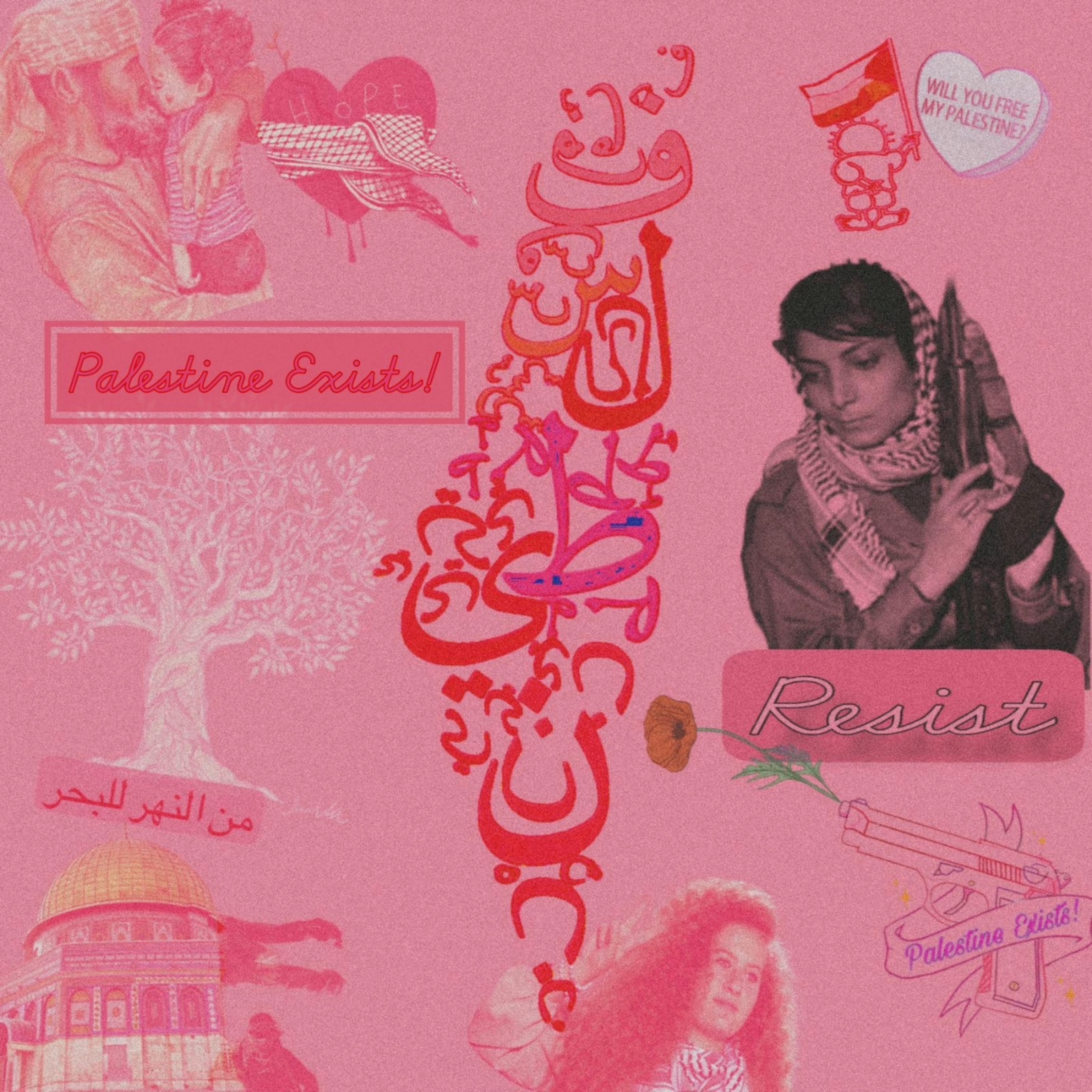
A podcast series to educate about Palestine, to tell about their existence and their plight.This podcast series goes through various sections and points surrounding Palestine and the surrounding region. Such as, the current genocide in Gaza, atrocities in the West Bank, colonialism, settler colonialism, talking points, diaspora, occupation and apartheid.We believe humanising Palestinians and others surrounding the region is important. It is one of our biggest priorities.The podcast series is also associated with "Humanize Gaza" page on Quora. Where frequent, 1 to 5, daily updates of reports and findings of martyrs gets shared.Join host Petra, and her cohosts, from time to time, various other guests. Learn with us, get educated on the topics and issues at hand.https://www.humanizegaza.org</p
-
25
Dear Diaspora....
In this conversation, Habuba and Petra delve into various hot takes surrounding the Palestinian cause, normalization, and the role of diaspora. They discuss the implications of normalization in the context of current events, the influence of AI on society, and the dynamics between Palestinians in the diaspora and those living under occupation. The conversation also touches on the challenges of anti-intellectualism and the need for nuanced discussions within the Palestinian community. In this conversation, Petra and Habuba delve into the complexities of Palestinian identity, the implications of victimhood, and the importance of agency. They discuss the cultural heritage of Palestinians beyond suffering, the role of the diaspora in advocating for Palestinian rights, and the political responsibilities tied to U.S. policies. The dialogue critiques the fetishization of armed resistance and emphasizes the need for strategic evaluation and building a cultural and political infrastructure to support effective resistance. In this conversation, Petra and Habuba delve into the complexities of Palestinian identity, the fetishization of violence, and the dehumanization of individuals in conflict. They discuss the dangers of viewing Palestinians solely as resilient figures or victims, emphasizing the need for accountability and agency within the community. The conversation culminates in a poignant reminder of the importance of humanizing those affected by the conflict, particularly through the stories of martyrs.
-
24
Who Gets to Keep Their Name?
Your name is the one thing they still cannot take.Every empire tried to catalogue us. Israel’s the first to try to delete us. This episode looks at how Palestinian names carry proof when everything else is gone: houses, land, photos, documents. Hiba walks through how language, law, and paperwork are used to erase a people, and why a last name like Al-Nabulsi or Majdalawi says more than any document. She also sits with what it means to name a child after someone who was killed, and why that turns memory into something that breathes.In This Episode: The fundamental difference between Arabic naming (recognition) and colonial naming (possession)How Palestinian geographic names directly contradict the "empty land" mythWhy names like Saffuri and Lyddawi are evidence that Palestinians did not just appear in 1948The weaponization of bureaucratic systems to distort and erase Palestinian namesThe weight carried by children named after martyrs and the impossible choices families makeRemember What They Want ForgottenLearn the original Palestinian names of places, not their made-up Hebrew versionsRecord elders telling your family stories before they're goneResourcesHumanize Gaza: Submit and read stories of those killedB'Tselem: Documentation on Palestinian children denied registrationAdalah: Legal work against residency revocation through paperwork"Your forgetting was never my responsibility." — Hiba"You name your child after a martyr because you're betting that their name carrying that history is worth the weight that it puts on them, that it's better for your kid to carry a name that still hurts than for that name to be forgotten completely." — Hiba
-
23
Who Gets To Be a Child?
Childhood is constructed, protected, and in Palestine, deliberately destroyed. This episode traces how Palestinian children are stripped of the word “child” before the bullet lands: through media framing, military law, biometric surveillance, and bureaucratic erasure. From cortisol in the hair to frozen trauma on school grounds, Hiba shows how childhood becomes a criminal and what it means to remember, name, and protect it anyway.Take ActionMedia Accountability• DCIP Media Toolkit: Learn how to identify and challenge headlines that erase Palestinian children and obscure Israeli violence• Visualizing Palestine Language Guide: Tools to call out framing that dehumanizes or criminalizes kidsLegal Defense & Documentation• Defense for Children International – Palestine: Defends detained minors and documents Israeli violations in military courts• Al-Haq: Legal analysis and international advocacy for Palestinian children under occupationMemory & Narrative Protection• BADIL Resource Center: Archives children’s stories, displacement histories, and art—what the occupation tries to delete• Share names, photos, and stories while they’re alive. The state wants memory to start at martyrdom. Don’t let it.Sources ReferencedPalestinian Children's Rights Organizations:• Defense for Children International-Palestine• Addameer Prisoner Support• Al-Haq• BADIL Resource CenterMental Health & Research:• Gaza Mental Health Foundation• UNICEF - Children in Armed Conflict• UN OCHASubscribe to the Humanize Gaza Newsletter.See more martyr stories, here."If you remove the word child, suddenly there's no contradiction between protecting children and shooting them." -Hiba
-
22
White on Paper, Invisible by Design
White on Paper, Invisible by DesignAbout This Episode: In this solo episode, Habuba breaks down how bureaucratic erasure becomes physical violence against Palestinians and Arabs in America. From census forms to FBI databases, hospital records to immigration files, she reveals the deliberate system designed to make us vanish—not by accident, but by architecture.In This Episode: Habuba takes you through:Why that "White" checkbox on forms is about more than paperwork—it's about who lives and who diesThe century-long legal manipulation of Arab "whiteness," shifting whenever it served American interestsHow the FBI deliberately erased anti-Arab hate crimes from official records for 23 years while violence skyrocketedWhy Palestinian Americans like Shireen Abu Akleh and Wadea al-Fayoume receive no justice, even in deathThe direct connection between campus surveillance from the 1970s to today's repression of Palestinian studentsHow being classified as "white" leads Arab women to die in childbirth and communities to miss critical health resourcesThe brutal truth about conditional solidarity and which communities benefit from Palestinian erasureWhat actual implementation of the MENA category must look like beyond symbolic recognitionTake Action:Check if your local agencies have implemented the 2024 OMB MENA classification changeAsk your city's police department if they code and track anti-Arab hate crimesSupport organizations like ACCESS, Arab American Institute, and ADC who are fighting for accurate dataDemand your representatives advocate for investigations into Palestinian American deaths abroadResources:Office of Management and Budget 2024 MENA Classification StandardsArab American Institute Foundation Report: Underreported, Under ThreatACCESS Health Justice ProgramPalestine Legal's Resources for Students and FacultySubscribe to the Humanize Gaza Newsletter.See more martyr stories, here. "They didn't make us white to make us safe. They made us white to make us quiet." – Habuba"
-
21
God Is A “Man”: How Judaism Became a Weapon
In this episode, Habuba examines how religion in Israel isn’t just about belief—it’s infrastructure. From military operations named after biblical events to laws that erase Arabic place names, this is a system where theology becomes policy. Palestinian existence is framed not as a people with rights, but as a theological violation in need of correction. Genocide becomes sacred. Reproduction becomes nationalized. Language, geography, and bodies are regulated through a framework that transforms elimination into divine mandate.This isn’t religion gone wrong. This is how it was designed to work when fused with state power.Support: humanizegaza.orgSubscribe to the newsletter.
-
20
The Laboratory: How to Disappear a People through Science
This episode examines the use of Palestinian bodies—living and dead—as test subjects in a wide range of Israeli military, pharmaceutical, and psychological experiments. From psychotropic drug testing in prisons to the deliberate flooding of Gaza with synthetic opioids, we investigate how addiction, trauma, and medical deprivation have been engineered as tools of control.We analyze the systemic withholding of medical care, the destruction of hospitals, the role of pharmaceutical firms, and the Israeli research infrastructure that turns human suffering into data. This isn’t neglect. It’s methodology. And the results are being exported.Palestine is not just a site of occupation—it is a laboratory. And the refusal to be a clean result is itself a form of resistance.
-
19
The Historical Roots of Palestinian Resistance (Part 2- Arab Revolt)
SummaryIn this episode of Palestine Exists, Petra and Hiba explore the multifaceted aspects of Palestinian identity, resistance, and the historical context of the 1936 revolt against British colonial rule. They discuss the cultural resilience of Palestinians, the impact of leadership dynamics, and the ongoing struggle against oppression. They also delve into the Palestinian resistance groups of the Arab Revolt such as Qassamsyia and the Fasa'il Bands.The conversation emphasizes the importance of understanding history to inform current resistance efforts and the lessons learned from past betrayals.
-
18
The Historical Roots of Palestinian Resistance (Part 1)
The first episode of the history of Palestinian resistance starts out discussing resistance under the Ottoman Empire and into the British Mandate: This conversation delves into the multifaceted nature of Palestinian resistance, exploring its historical roots, cultural significance, and the ongoing struggle against colonialism. The hosts discuss the importance of understanding resistance as an inherent aspect of Palestinian identity, rather than a reaction to oppression. They highlight key historical events during the Ottoman Empire that shaped the Palestinian resistance narrative, emphasizing the role of local governance and cultural identity in the fight for self-determination. This conversation delves into the historical context of Palestinian resistance against colonial powers, focusing on key uprisings such as the Qasim al-Ahmal revolt and the Al-Buraq uprising. It highlights the significance of bodily sovereignty, cultural identity, and the impact of bureaucratic violence under the British Mandate. The discussion emphasizes the continuity of Palestinian resistance and the importance of collective memory in the face of colonial erasure. This conversation delves into the historical and contemporary aspects of Palestinian resistance, focusing on the colonial narrative surrounding Hebron and the emergence of organized resistance groups like Al-Qassam. The speakers explore the metaphysical nature of resistance, emphasizing survival, identity, and the continuous struggle against colonialism. They discuss the complexities of resistance, including the internal dynamics of resistance groups and the legacy of Al-Qassam as a symbol of defiance. The conversation highlights the importance of memory and the inherited nature of resistance as a strategy for survival and identity preservation.For suggestions and feedback please email: [email protected]
-
17
A Forgotten Tragedy: The Aftermath of the Nakba
In this episode of 'Palestine Exists', Petra and Hiba delve into the complexities of Palestinian identity, the impact of conflict on children, and the historical context of Palestinian refugees, particularly in Lebanon and Jordan. They discuss the psychological and social ramifications of massacres, the ongoing struggle for recognition and rights, and the importance of the right of return for Palestinians in the diaspora. This conversation delves into the complex historical and socio-political dynamics between Palestinians and Jordan, exploring themes of betrayal, identity, and resistance. It highlights the experiences of Palestinians in Jordan, the impact of Black September, and the ongoing struggles for self-determination and recognition. The discussion also touches on the cultural tensions within Jordan, personal narratives of repression, and the unique challenges faced by Palestinian citizens of Israel. This conversation delves into the complexities of Palestinian identity, focusing on the erasure of names and places, the fragmentation within the community, and the unique experiences of Palestinians in the diaspora. The speakers discuss how historical trauma and colonial strategies have shaped their identities and the challenges they face in navigating their heritage in the West. They emphasize the importance of remembering and reclaiming their narratives, despite the pressures to assimilate and silence their voices. In this conversation, Habuba and Petra explore the complexities of Palestinian identity, particularly in the context of diaspora and exile. They discuss the impact of family dynamics, conservatism, and cultural fragmentation on their understanding of what it means to be Palestinian. The dialogue emphasizes the importance of recognizing the right of return and the ongoing struggle for identity amidst feelings of guilt and dislocation. Ultimately, they assert that the experience of being Palestinian is multifaceted and that every act of remembrance and resistance contributes to the collective identity.
-
16
The Orphans of the Nakba: A Forgotten Tragedy
This conversation delves into the Nakba, its historical context, and its profound impact on Palestinian identity, particularly focusing on the plight of orphans. The speakers discuss the systematic displacement of Palestinians, the role of UNRWA in providing support, and the dire conditions faced by refugees in camps across the region. They explore the cultural definitions of orphanhood in Arab society and the ongoing trauma that the Nakba represents for generations of Palestinians. The discussion highlights the political dimensions of orphanhood and the challenges faced by Palestinian children in maintaining their identity amidst displacement and loss. This conversation delves into the profound impact of the Nakba on Palestinian children, highlighting the orphan crisis that emerged from the conflict. It explores personal testimonies of loss, the ongoing trauma faced by contemporary orphans, and the systemic issues that perpetuate their suffering. The discussion emphasizes the need for awareness and advocacy to address the plight of Palestinian children, both historically and in the present day.
-
15
The Weight of Survival: Stories From Gaza
In this episode of Palestine Exists, hosts Petra and Hiba engage in a profound conversation with Khalid, a 21-year-old living in Gaza. They explore Khalid's life before the conflict, the immense pressure he feels to speak for his community, and the challenges of being seen as more than just a victim of violence. The discussion emphasizes the importance of personal stories in understanding the human cost of the ongoing conflict and the need for authentic voices from Gaza to be heard and amplified. This conversation delves into the personal experiences of individuals living in Gaza amidst ongoing conflict. It explores themes of resistance, loss, and the struggle for a future beyond violence. The speakers reflect on their realities, the numbness of trauma, and the desire for a simple life free from the burdens of war. They also discuss the importance of sharing their stories to foster understanding and empathy from the outside world. In this conversation, the speakers delve into the complexities of the Palestinian experience, discussing the weight of personal and collective suffering, the control exerted by powerful entities, and the pervasive cycle of poverty that distracts from larger issues. They explore themes of cultural resilience, the importance of faith and morality in the struggle for justice, and the interconnectedness of global struggles against oppression. The conversation culminates in a call to action, emphasizing the need for solidarity and awareness in the face of ongoing injustices.
-
14
Burnout and Resistance: A Palestinian Perspective
This conversation delves into the complexities of Palestinian advocacy, focusing on the unique burnout and fatigue experienced by advocates. The hosts discuss how systemic issues contribute to emotional exhaustion, the repetitive nature of trauma, and the institutional mechanisms that perpetuate this cycle. They explore the emotional toll of advocacy, the expectations placed on Palestinian voices, and the broader implications of burnout in the context of resistance and political organizing. In this conversation, Petra and Habuba delve into the complexities of peace and liberation in the context of Palestine, discussing the psychological toll of advocacy, the nuances of resistance, and the impact of social media on activism. They explore themes of defeatism, the personal transformations experienced post-conflict, and the importance of commemorating lives lost. The dialogue emphasizes the need for action and solidarity, particularly in support of individuals like Aziz, a Palestinian journalist facing grave dangers. The episode concludes with a call to remember the stories of those affected by the ongoing conflict and to take meaningful action in their honor.Chapters00:00Introduction to Palestinian Advocacy and Burnout05:02Understanding Burnout in Advocacy08:23The Unique Fatigue of Palestinian Advocacy13:46The Emotional Toll of Advocacy18:46The Role of Institutions in Advocacy Fatigue24:40The Cycle of Advocacy and Burnout30:43Engineering Burnout: A Systematic Approach31:04The Consequences of Emotional Dissonance36:17Navigating the Political Landscape41:59Conclusion: The Future of Palestinian Advocacy42:42The Radicalization of Peace Perspectives45:00Defeatism and Its Consequences47:58Understanding Resistance Beyond Violence50:15The Psychological Toll of Advocacy53:23The Dystopia of Social Media Activism55:55The Impact of Trauma on Identity56:25Breaking the Cycle of Exhaustion56:38The Call for Action and Support59:05The Personal Impact of Collective TraumaAziz' Go Fund Me link: https://gofund.me/6f7c5811To subscribe to Humanize Gaza's newsletter: https://nl.humanizegaza.org/
-
13
Ahmad Manasra: A Case Study in Oppression
This conversation delves into the case of Ahmad Manasra, a Palestinian child whose life was irrevocably altered by the Israeli legal system. The hosts discuss the implications of his story, exploring themes of childhood, trauma, and the intersection of law and colonial violence. They highlight the systemic issues faced by Palestinian children under occupation, the nature of the legal proceedings against Ahmad, and the broader context of resistance and survival in Palestine. This conversation delves into the case of Ahmad Manasra, a Palestinian child imprisoned under severe conditions, including solitary confinement. The speakers discuss the implications of his case on international law, mental health, and the broader Palestinian struggle. They explore the symbolism of Ahmad's situation, the impact of international advocacy, and the burden of representation that comes with being a symbol of resistance. The emotional toll of his imprisonment and the expectations placed upon him as a figure of hope and resilience are also examined. In this conversation, the speakers delve into the complexities of memory, martyrdom, and the ongoing struggles faced by Palestinian children, particularly focusing on the case of Ahmad Manasra. They discuss the importance of humanizing martyrs, the implications of turning individuals into symbols, and the need for active advocacy to protect the rights and well-being of those affected by the Israeli occupation. The conversation emphasizes the responsibility of allies to not only remember but to take action against the systems that perpetuate violence and oppression.
-
12
The Toll of Genocide- The Gazan Martyrs
In this episode of Palestine Exists, hosts Petra and Hiba delve into the complex narratives surrounding the Palestinian conflict, focusing on the manipulation of statistics and media representation. They discuss how numbers are weaponized to dehumanize Palestinians, particularly through demographic profiling that labels young males as combatants. The conversation highlights the implications of such narratives on civilian status and the broader context of international humanitarian law. In this conversation, Petra and Habuba discuss the complex issues surrounding the use of children in conflict, the impact of detention on minors, and the challenges in accurately reporting casualty statistics in Gaza. They highlight the misinformation surrounding these topics, particularly focusing on the misrepresentation of data by various sources. The discussion emphasizes the importance of transparency and accuracy in reporting, especially in the context of ongoing violence and human rights violations. In this conversation, the speakers delve into the complexities of media representation, casualty reporting, and the implications of demographic perceptions in the context of the ongoing conflict in Gaza. They discuss the reliability of the Gaza Health Ministry's data, the blurred lines between civilian and combatant identities, and the ontological violence faced by Palestinians. The conversation emphasizes the importance of naming and remembering the dead as acts of resistance against erasure and misinformation, while also calling for a shift from a defensive to an offensive stance in advocacy efforts.
-
11
The Law Remembers Palestine; Until It Doesn't
This episode of Palestine Exists delves into the complex relationship between Palestinian struggles and international law, particularly focusing on the role of UN resolutions. The hosts discuss how international law is often manipulated to manage Palestine rather than liberate it, highlighting the asymmetry in legal accountability between Israel and the Palestinian people. They explore the significance of UN Security Council and General Assembly resolutions, particularly Resolution 242, and the implications of these legal frameworks on Palestinian identity and rights. This conversation delves into the complex legal dynamics surrounding Palestinian identity and existence, exploring how international law interacts with the realities of colonialism and humanitarian crises. The speakers discuss the historical context of Palestinian recognition, the implications of legal exceptionalism, and the absurdity of legal expectations placed on Palestinians. They emphasize the importance of archival resistance and the need for the law to remember Palestine, highlighting the ongoing struggle for self-determination and human rights.
-
10
Resistance and Identity: The Gendered Experience
This episode of Palestine Exists delves into the complex interplay of gender, nationalism, and violence in the context of Palestinian identity and resistance. The hosts discuss how gender roles are weaponized in the ongoing genocidal campaign against Palestinians, emphasizing the emotional and psychological impacts of such violence. They explore the implications of the recent UN report on the systematic abuse faced by Palestinian men and women, highlighting personal narratives that illustrate the human cost of occupation. The conversation underscores the importance of understanding these dynamics in the broader struggle for liberation and identity. The conversation delves into the systematic violence and sexual abuse faced by Palestinians, particularly focusing on the actions of the Israeli Security Forces (ISF). It highlights the patterns of sexual violence as a means of oppression and control, the impact of such violence on Palestinian identity, and the broader implications of ontological warfare that seeks to destroy the very essence of Palestinian existence. The discussion also emphasizes the gendered nature of this violence, targeting both men and women in ways that undermine their roles within the community and the national struggle for liberation. This conversation delves into the resilience of the Palestinian people amidst ongoing conflict, focusing on the psychological and physical toll on women and children. It highlights the targeted violence against women, reproductive rights issues, and the broader implications of war on gender dynamics. The speakers emphasize the importance of advocacy, the need for dignity and autonomy, and the call for continuous action in support of Palestinian rights.
-
9
Palestinian Christian Struggles
This conversation delves into the complexities of the Christian population in Palestine, exploring how their narratives are often manipulated within the broader context of Israeli-Palestinian relations. The speakers discuss the historical decline of the Christian community, the impact of the Nakba, and the ongoing resistance efforts by Palestinian Christians. They also highlight the cultural erasure and tokenization of this community, emphasizing the need for a more nuanced understanding of their experiences and contributions to Palestinian resistance. This conversation delves into the historical context and current challenges faced by Palestinian Christians, emphasizing their unity with Muslims against the Israeli occupation. It highlights the significance of St. George in Palestinian identity, misconceptions about Christian-Muslim relations, and the threats to the Armenian Quarter in Jerusalem. The discussion also addresses the disconnect between Palestinian Christians and Western Christians, advocating for greater awareness and activism. This conversation delves into the multifaceted struggles of Palestinian Christians, focusing on the economic impact of tourism, migration challenges, historical resistance figures, and the shared experiences of Palestinian Muslims and Christians under occupation. The discussion emphasizes the need for armed resistance, the importance of humanizing the Palestinian experience, and a call to action for liberation.
-
8
Media Bias & Propaganda
In this episode of Palestine Exists, the hosts delve into the complexities of media bias and misinformation surrounding the Palestinian genocide and atrocities, committed by Israel. They discuss how narratives are shaped, the marginalization of Palestinian voices, and the implications of media representation. The conversation highlights the importance of understanding these biases in the context of historical and ongoing oppression, and the role of social media in disseminating information. The hosts also explore common propaganda tactics, such as the human shield narrative, and the need for accountability in media reporting. In this conversation, the speakers delve into the complexities of media narratives surrounding the Palestinian genocide and atrocities, committed by Israel, highlighting the dehumanisation of Palestinians, the misrepresentation of casualties, and the labelling of resistance as terrorism. They discuss the importance of discourse analysis in understanding how language shapes perceptions and the biases present in media coverage. The conversation also touches on the need for reliable sources and the humanisation of Palestinian lives, emphasizing the stories behind the statistics and the impact of occupation on individuals.
-
7
Palestinian Hostages
In this episode of Palestine Exists, the hosts delve into the emotional stories of Palestinian hostages, focusing on the resilience and hope that define their experiences. They highlight the case of Nael al-Burghouti, the longest-serving Palestinian political prisoner, exploring his life, family connections, and the impact of the Israeli occupation. The conversation emphasizes the human side of the conflict, the significance of cultural activism, and the dreams that have been deferred due to the ongoing struggle. This conversation delves into the profound impact of occupation on the lives and dreams of Palestinians, focusing on the stories of Nael Al Barghouti, Zakaria Zubaydi and Khalida Jarrar.It highlights the struggles, aspirations, and cultural resistance of individuals living under occupation, emphasizing the emotional and psychological toll of their experiences. The discussion also touches on the importance of cultural initiatives like the Freedom Theater in fostering hope and resilience among Palestinian youth. This conversation delves into the profound impact of occupation on Palestinian identity and resistance, highlighting the stories of individuals like Khalida Jarrar, who embodies resilience and activism. The discussion explores the intersection of art, politics, and personal loss, emphasizing the ongoing struggle for freedom and justice in Palestine. Through personal narratives and historical context, the speakers illuminate the collective experience of Palestinians, particularly women, in the face of oppression.
-
6
US foreign policy and its influence in Palestine
In this episode, the hosts discuss the complex relationship between the United States and Israel, tracing the historical context of US foreign policy towards Palestine and the support for Israel. They explore the role of lobbying, political pressure, and significant events such as UN Resolution 181, the USS Liberty incident, and the evolution of military and economic aid to Israel. The conversation highlights the impact of US actions on Palestinian lives and the ongoing implications of this relationship in the current political landscape. The conversation delves into the historical context of U.S. foreign policy regarding Israel and Palestine, highlighting key vetoes and shifts in policy, particularly during Trump's presidency. The discussion covers the implications of the Abraham Accords, the current humanitarian crisis in Gaza, and the historical parallels to past events. The speakers emphasize the need to humanize the Palestinian experience and the importance of protest against ongoing injustices.
-
5
The Gaza Genocide Explained
In this episode of Palestine Exists, the hosts delve into the heavy topic of genocide, particularly in the context of Palestine. They discuss the legal definitions of genocide, the historical context, and the ongoing International Court of Justice (ICJ) case regarding the Palestinian people's right to protection against genocide. The conversation highlights the importance of recognizing Palestinian identity under international law, the intent behind genocidal acts, and the implications of collective punishment and infrastructure destruction. The hosts emphasize the need for accountability and understanding in the face of overwhelming evidence of suffering and injustice. The conversation delves into the complexities of genocide, particularly in the context of Gaza. It explores the legal frameworks surrounding genocide, the early warning signs that indicate its occurrence, and the current situation in Gaza, including misconceptions about population statistics. The discussion highlights the role of Forensic Architecture in investigating war crimes and the military strategies employed, such as the destruction of infrastructure and targeting of safe zones. The impact of these actions on medical facilities and civilian casualties is examined, alongside the cultural heritage destruction that threatens Palestinian identity. The conversation delves into the systematic destruction of Gaza, focusing on the agricultural devastation and its long-term implications for the Palestinian people. It highlights the psychological warfare inflicted on the population, particularly the impact on children and families. The speakers emphasize the importance of humanizing the victims of genocide, recognizing their individuality and humanity amidst the atrocities. The discussion also touches on the broader implications of genocide as an organized crime and the need to remember and honor the martyrs of this ongoing struggle.
-
4
Explaining Settler Colonization
In this episode of Palestine Exists, hosts Petra, Hiba, and Leena delve into the complexities of settler colonialism in Palestine, exploring its historical roots, the unique case of Palestine, and the ongoing struggle for identity and resistance. They discuss the implications of Zionism, the narratives surrounding it, and the impact of colonialism on Palestinian lives today. The conversation emphasizes the importance of understanding these dynamics in the context of global colonial histories and the necessity of resistance against ongoing oppression.
-
3
Top five myths: Israeli and the Zionist talking points
In the inaugural episode of 'Palestine Exists', hosts Petra and Rony delve into the historical and contemporary issues surrounding Palestine, debunking common myths, discussing the ongoing Nakba, and exploring the implications of Zionism as a colonial movement. They emphasize the importance of recognizing Palestinian history, the impact of displacement, and the need for a one-state solution that ensures equal rights for all inhabitants of the land.
-
2
Five myths: Israeli and the Zionist talking points - Intro
Intro to the first episode of Palestine Exists podcast. With Petra and Rony.
-
1
PE Podcast - Intro Music
Intro music
We're indexing this podcast's transcripts for the first time — this can take a minute or two. We'll show results as soon as they're ready.
No matches for "" in this podcast's transcripts.
No topics indexed yet for this podcast.
Loading reviews...
ABOUT THIS SHOW
A podcast series to educate about Palestine, to tell about their existence and their plight.This podcast series goes through various sections and points surrounding Palestine and the surrounding region. Such as, the current genocide in Gaza, atrocities in the West Bank, colonialism, settler colonialism, talking points, diaspora, occupation and apartheid.We believe humanising Palestinians and others surrounding the region is important. It is one of our biggest priorities.The podcast series is also associated with "Humanize Gaza" page on Quora. Where frequent, 1 to 5, daily updates of reports and findings of martyrs gets shared.Join host Petra, and her cohosts, from time to time, various other guests. Learn with us, get educated on the topics and issues at hand.https://www.humanizegaza.org</p
HOSTED BY
PalestineExists!
Loading similar podcasts...
Frequently Asked Questions
How many episodes does Palestine Exists! have?
Palestine Exists! currently has 25 episodes available on PodParley. New episodes are automatically indexed when they're published to the podcast feed.
What is Palestine Exists! about?
A podcast series to educate about Palestine, to tell about their existence and their plight.This podcast series goes through various sections and points surrounding Palestine and the surrounding region. Such as, the current genocide in Gaza, atrocities in the West Bank, colonialism, settler...
How often does Palestine Exists! release new episodes?
Palestine Exists! has 25 episodes. Check the episode list to see recent publication dates and frequency.
Where can I listen to Palestine Exists!?
You can listen to Palestine Exists! on PodParley by clicking any episode. We provide an embedded audio player for direct listening, and you can also subscribe via your preferred podcast app using the RSS feed.
Who hosts Palestine Exists!?
Palestine Exists! is created and hosted by PalestineExists!.
URL copied to clipboard!