
PODCAST · arts
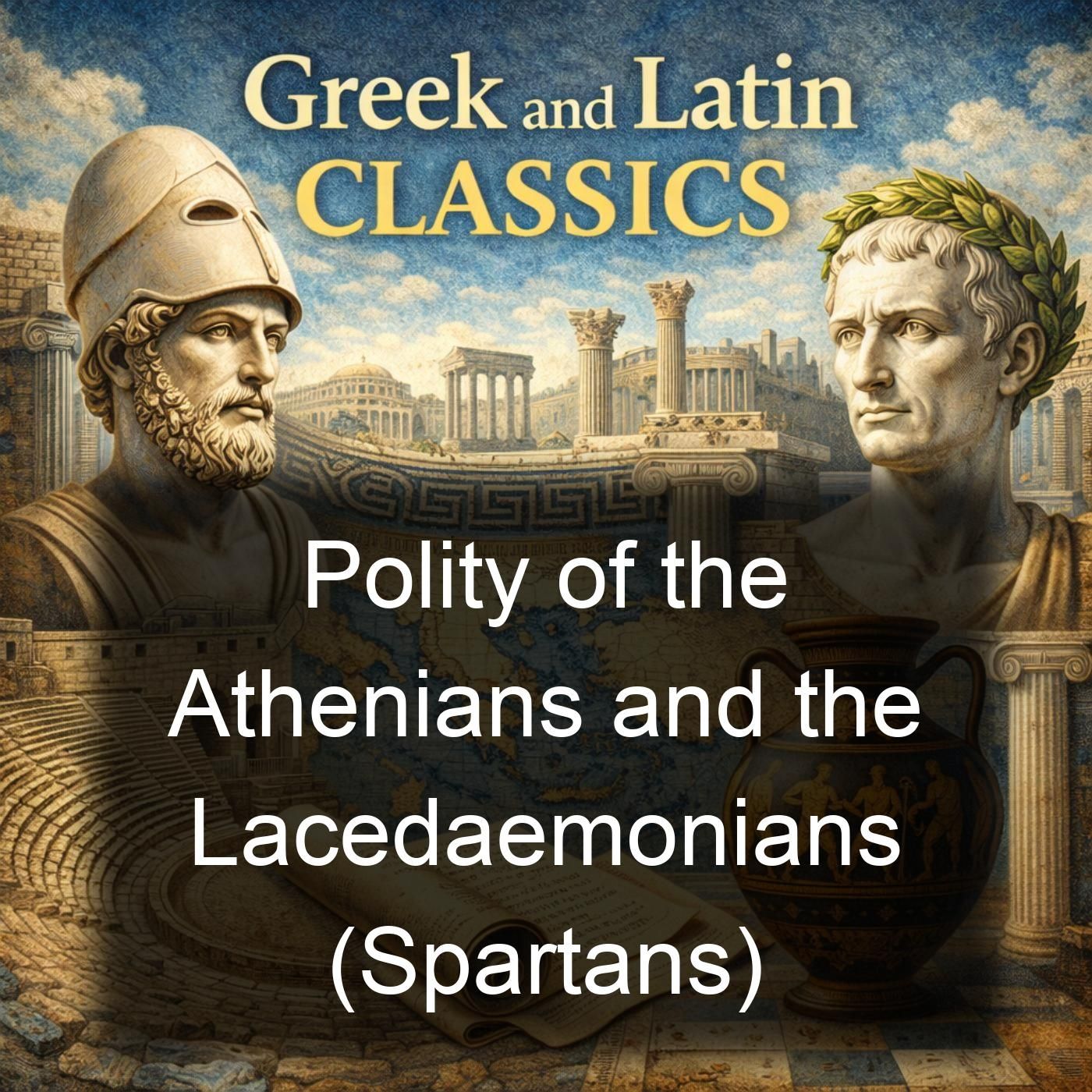
Polity of the Athenians and the Lacedaemonians (Spartans)
by Xenophon
The Polity of the Lacedaemonians talks about the laws and institutions created by Lycurgus, which train and develop Spartan citizens from birth to old age. It only because of Xenophon that we have most of our knowledge about the Spartans. Xenophon the Athenian was born 431 B.C. He was a pupil of Socrates. He marched with the Spartans, and was exiled from Athens which may explain why he is so negative and sarcastic when describing the Athenian democracy. Sparta gave him land and property in Scillus, where he lived for many years before having to move once more, to settle in Corinth. He died in 354 B.C.. - Summary by The introduction and Phil chenevert
-
1
Lucian's Dialogues Volume 2 The Dialogues of the Sea-Gods-Lucian of Samosata
Lucian's Dialogues Volume 2, The Dialogues of the Sea-Gods, presents a captivating exploration of philosophical discourse set against the backdrop of the ocean's mythical deities. Through witty and engaging conversations, Lucian of Samosata delves into themes of wisdom, power, and the human condition, all while employing the rich tapestry of sea mythology to illuminate his points. This volume invites listeners to reflect on the timeless nature of these dialogues, which resonate with contemporary discussions about governance, morality, and the complexities of human society.
-
0
Iphigenia in Aulis-Euripides
"Iphigenia in Aulis" by Euripides delves into the themes of sacrifice, duty, and the moral dilemmas faced by individuals in the context of war. Set against the backdrop of the Trojan War, the story explores the tension between personal desires and the greater good, highlighting the tragic consequences of choices made in the name of honor and loyalty. This timeless narrative resonates today, as it prompts reflection on the complexities of leadership and the human cost of conflict. As audiences navigate their own moral landscapes, Euripides' poignant examination of sacrifice remains a powerful reminder of the enduring struggles between personal convictions and societal expectations.
-
-1
Meditations-Marcus Aurelius
Meditations by Marcus Aurelius is a profound exploration of Stoic philosophy, offering insights into self-discipline, resilience, and the nature of human existence. Written as a series of personal reflections, this timeless work encourages readers to cultivate inner peace and virtue amidst the chaos of life. Its themes of mindfulness and the importance of rational thought resonate strongly in today's fast-paced world, reminding us of the power of introspection and the value of maintaining a moral compass. The enduring wisdom of Aurelius serves as a guide for navigating personal challenges and fostering a deeper understanding of oneself and the universe.
-
-2
On the Sublime-Unknown
"On the Sublime-Unknown" invites listeners to explore the depths of human experience and the complexities of existence. This thought-provoking work delves into themes of aspiration, uncertainty, and the pursuit of meaning, resonating with anyone grappling with the unknown in their own lives. Its enduring relevance lies in its ability to provoke introspection and inspire personal growth, making it a powerful companion for those seeking to navigate the challenges of modern life. The exploration of the sublime and the unknown encourages listeners to embrace uncertainty as a pathway to understanding, fostering a deeper connection to themselves and the world around them. This audiobook is a journey into the heart of what it means to be human.
-
-3
Institutio Oratoria (On the Education of an Orator), volume 1-Marcus Fabius Quintilianus
Institutio Oratoria, authored by Marcus Fabius Quintilianus, serves as a foundational text on the education of an orator, detailing the principles and techniques essential for effective public speaking. Quintilian emphasizes the importance of not only mastering rhetoric but also cultivating moral character and wisdom, making this work a timeless guide for aspiring speakers and communicators. Its insights into the art of persuasion and the ethical responsibilities of orators remain relevant today, as effective communication continues to play a crucial role in public discourse and personal interactions.
-
-4
Metamorphosis or The Golden Ass-Lucius Apuleius
"Metamorphosis or The Golden Ass" by Lucius Apuleius is a fascinating exploration of transformation and the human experience. The narrative follows the journey of a man who is transformed into a donkey, leading to a series of adventures that delve into themes of identity, desire, and the quest for knowledge. This timeless tale resonates today as it reflects on the complexities of change and the search for meaning in an ever-evolving world. Apuleius's rich storytelling and philosophical insights invite listeners to contemplate their own metamorphoses, making it a relevant and thought-provoking experience for modern audiences. The enduring nature of its themes continues to captivate and inspire.
-
-5
Heroides-Publius (Ovid) Ovidius Naso
"Heroides-Publius" by Ovidius Naso presents a captivating exploration of love, longing, and the emotional struggles faced by heroines from classical mythology. Through a series of poignant letters, Ovid gives voice to these women, allowing them to express their desires, frustrations, and hopes in a world that often silences them. This timeless work resonates today as it delves into themes of passion and the complexities of human relationships, highlighting the enduring nature of love and the personal battles that accompany it. Ovid's eloquent language and rich imagery invite listeners to reflect on the universal experiences of yearning and connection, making it a compelling choice for anyone interested in the depths of the human heart.
-
-6
Eclogues-Virgil
"Eclogues" by Virgil is a collection of pastoral poems that capture the beauty of rural life and the simplicity of nature. Through vivid imagery and lyrical expression, Virgil explores themes of love, loss, and the harmony between humanity and the natural world. The timeless quality of these poems resonates deeply today, as they remind us of the importance of finding solace and inspiration in our surroundings. The enduring appeal of "Eclogues" lies in its ability to evoke a sense of peace and reflection, inviting listeners to reconnect with the rhythms of life and the beauty that can be found in everyday moments.
-
-7
Iphigenia in Aulis (Way translation)-Euripides
"Iphigenia in Aulis," translated by Way, is a powerful play by Euripides that delves into themes of sacrifice, duty, and the moral dilemmas faced by individuals in times of war. Set against the backdrop of the Trojan War, it explores the tension between personal desires and the demands of society, making it a timeless reflection on the human condition. The story's exploration of familial loyalty and the tragic consequences of choices resonates deeply in today's world, where the conflicts between individual and collective responsibilities remain ever relevant. This enduring work invites listeners to consider the complexities of honor and the cost of leadership, making it a compelling addition to any literary journey.
-
-8
Antigone (Plumptre Translation)-Sophocles
Antigone, translated by Plumptre, is a timeless tragedy by Sophocles that delves into the conflict between individual conscience and state law. The story centers on the titular character who defies King Creon’s edict to honor her deceased brother with a proper burial, showcasing themes of loyalty, justice, and the struggle against tyranny. This powerful narrative resonates today as it explores the moral dilemmas faced when personal beliefs clash with societal rules. The enduring nature of Antigone’s defiance and the consequences of her choices continue to provoke thought and discussion about civil disobedience and the role of authority in our lives, making it a relevant listen for contemporary audiences.
-
-9
Rise of the Macedonian Empire-Arthur M. Curteis
"Rise of the Macedonian Empire" by Arthur M. Curteis delves into the emergence and expansion of one of history's most formidable empires, exploring the strategic prowess and political maneuvers that defined its rise. This audiobook offers insights into the dynamics of power, leadership, and the impact of military innovation, themes that remain relevant in today's discussions of governance and strategy. As listeners engage with the narrative, they will find enduring lessons on ambition and the complexities of empire-building that resonate through the ages, making it a compelling listen for anyone interested in history's influence on contemporary society.
-
-10
Dialogue Concerning Oratory, or the Causes of Corrupt Eloquence-Publius Cornelius Tacitus
"Dialogue Concerning Oratory, or the Causes of Corrupt Eloquence" by Publius Cornelius Tacitus delves into the intricacies of oratory and explores the factors that lead to the decline of eloquence. Tacitus examines the art of persuasion and the impact of rhetoric on society, offering insights that resonate with contemporary discussions about communication and the integrity of discourse. His analysis of corrupt eloquence serves as a timeless reflection on the importance of authenticity and clarity in speech, themes that remain relevant in today's world of political and social dialogue.
-
-11
Posterior Analytics-Aristotle
"Posterior Analytics" by Aristotle delves into the nature of scientific knowledge and the principles of demonstration, offering foundational insights into the process of reasoning and understanding. This work explores how knowledge is acquired, emphasizing the importance of definitions and the role of syllogistic reasoning in attaining certainty. Listening to Aristotle's profound reflections today can illuminate our approach to critical thinking and the pursuit of truth, resonating with contemporary discussions on epistemology and the scientific method. The enduring relevance of these themes invites us to reflect on how we acquire knowledge and the frameworks we use to validate our understanding of the world around us.
-
-12
Hippolytus-Euripides
Hippolytus by Euripides explores the complex themes of desire, honor, and the consequences of unchecked passions. The story delves into the tragic fallout of human emotions and the clash between societal expectations and personal integrity. Its timeless exploration of the human condition resonates deeply, reflecting the struggles between love and duty that are still relevant today. This powerful narrative invites listeners to reflect on the nature of relationships and the often-destructive power of desire, making it a compelling experience for anyone interested in the enduring aspects of classical literature.
-
-13
Hecuba-Euripides
Hecuba by Euripides is a poignant exploration of grief, revenge, and the consequences of war, centering on the titular character, Hecuba, who faces the devastation of losing her family and homeland. This powerful tragedy delves into themes of suffering, the fragility of human dignity, and the moral complexities that arise in the wake of conflict, making it a timeless reflection on the human condition. Its exploration of loss and the quest for justice resonates deeply in today's world, where the impacts of war and personal tragedy continue to shape lives. Euripides' masterful storytelling invites listeners to reflect on the enduring nature of these themes and their relevance across generations.
-
-14
From the Foundation of the City Vol. 01-Titus Livius
"From the Foundation of the City Vol. 01-Titus Livius" delves into the origins and development of ancient civilizations, exploring the intricate dynamics that shaped the city and its governance. This work offers timeless insights into the political structures and societal norms that defined the lives of its citizens, making it a vital listen for anyone interested in the foundations of political thought. The themes of power, civic duty, and the complexities of human behavior remain relevant today, inviting listeners to reflect on how these ancient lessons can inform contemporary governance and community engagement. Engaging with this text allows for a deeper understanding of the past and its enduring influence on modern society.
-
-15
Rhetoric-Aristotle
Rhetoric by Aristotle delves into the art of persuasion, exploring how effective communication shapes human interaction and governance. This foundational work examines the principles of rhetoric, emphasizing its role in public discourse and the political landscape of ancient Athens and Sparta. Aristotle's insights into ethos, pathos, and logos remain relevant today, as they provide essential tools for understanding and navigating contemporary debates and discussions. The themes of power, influence, and the moral responsibilities of speakers continue to resonate, making this audiobook a timeless resource for anyone interested in the dynamics of persuasion and the complexities of civic life.
-
-16
Polity of the Athenians and the Lacedaemonians (Spartans) - Xenophon
"Polity of the Athenians and the Lacedaemonians (Spartans)" by Xenophon offers a detailed examination of the political systems and societal structures of two of ancient Greece's most influential city-states. This work delves into the contrasting governance of Athens, known for its democratic principles, and Sparta, recognized for its militaristic and oligarchic approach. The insights provided by Xenophon into these distinct political ideologies remain relevant today, as they provoke discussions about governance, civic responsibility, and the balance between freedom and order.
-
-17
Polity of the Athenians and the Lacedaemonians Spartans - Xenophon
The Polity of the Lacedaemonians talks about the laws and institutions created by Lycurgus, which train and develop Spartan citizens from birth to old age. It only because of Xenophon that we have most of our knowledge about the Spartans. Xenophon the Athenian was born 431 B.C. He was a pupil of Socrates. He marched with the Spartans, and was exiled from Athens which may explain why he is so negative and sarcastic when describing the Athenian democracy. Sparta gave him land and property in Scillus, where he lived for many years before having to move once more, to settle in Corinth. He died in 354 B.C.. - Summary by The introduction and Phil chenevert
We're indexing this podcast's transcripts for the first time — this can take a minute or two. We'll show results as soon as they're ready.
No matches for "" in this podcast's transcripts.
No topics indexed yet for this podcast.
Loading reviews...
ABOUT THIS SHOW
The Polity of the Lacedaemonians talks about the laws and institutions created by Lycurgus, which train and develop Spartan citizens from birth to old age. It only because of Xenophon that we have most of our knowledge about the Spartans. Xenophon the Athenian was born 431 B.C. He was a pupil of Socrates. He marched with the Spartans, and was exiled from Athens which may explain why he is so negative and sarcastic when describing the Athenian democracy. Sparta gave him land and property in Scillus, where he lived for many years before having to move once more, to settle in Corinth. He died in 354 B.C.. - Summary by The introduction and Phil chenevert
HOSTED BY
Xenophon
Loading similar podcasts...
Frequently Asked Questions
How many episodes does Polity of the Athenians and the Lacedaemonians (Spartans) have?
Polity of the Athenians and the Lacedaemonians (Spartans) currently has 19 episodes available on PodParley. New episodes are automatically indexed when they're published to the podcast feed.
What is Polity of the Athenians and the Lacedaemonians (Spartans) about?
The Polity of the Lacedaemonians talks about the laws and institutions created by Lycurgus, which train and develop Spartan citizens from birth to old age. It only because of Xenophon that we have most of our knowledge about the Spartans. Xenophon the Athenian was born 431 B.C. He was a pupil of...
How often does Polity of the Athenians and the Lacedaemonians (Spartans) release new episodes?
Polity of the Athenians and the Lacedaemonians (Spartans) has 19 episodes. Check the episode list to see recent publication dates and frequency.
Where can I listen to Polity of the Athenians and the Lacedaemonians (Spartans)?
You can listen to Polity of the Athenians and the Lacedaemonians (Spartans) on PodParley by clicking any episode. We provide an embedded audio player for direct listening, and you can also subscribe via your preferred podcast app using the RSS feed.
Who hosts Polity of the Athenians and the Lacedaemonians (Spartans)?
Polity of the Athenians and the Lacedaemonians (Spartans) is created and hosted by Xenophon.
URL copied to clipboard!