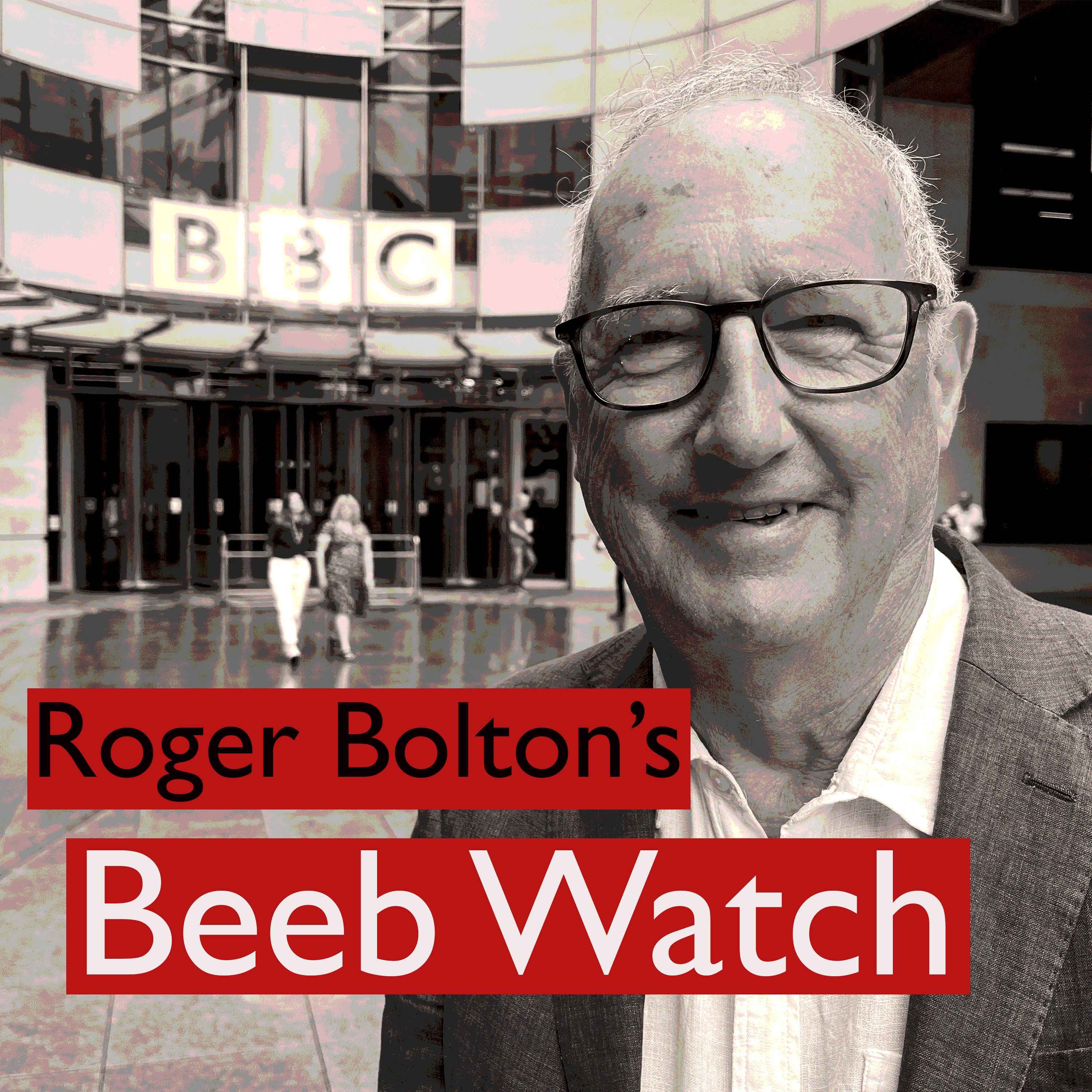
Roger Bolton's Beeb Watch
by Good Egg Productions
Roger Bolton, formerly presenter of BBC Radio 4's 'Feedback' launches his very first podcast. Free from the constraints of broadcasting on the BBC, with a few more opinions and casting his net a little bit wider to encompass the whole of the BBC, Roger examines the issues that are facing the corporation and public service broadcasting. Find all our podcasts here And please support this podcast by subscribing here We also support VLV (Voice of the Listener and Viewer) which represents the interests of audiences to make sure we continue to benefit from high quality radio and TV in the UK. You can find them <a href="https://www.vlv.org.uk/" rel="noopene
Episodes
-
Peter Horrocks, ex-BBC and Ofcom, on a regulator that has “lost its intellectual confidence”
Peter Horrocks, former editor of Panorama and Newsnight and former director of the BBC World Service, stepped down from Ofcom’s Content Board at the end of October after six years. We discuss the fallout from Russell Brand’s sentencing and whether Ofcom should play a bigger role in policing...
-
David Lloyd, radio consultant: BBC cuts, future of local radio, Ofcom’s oversight
David Lloyd, broadcasting consultant, former regulator and co-founder of Boom Radio, discusses the government’s £6 million local journalism fund and the difference targeted support can make to small local projects. He also considers why further BBC local radio cuts have reignited questions about...
-
Alan Rusbridger: Who’s Fighting the BBC’s Corner?
Alan Rusbridger, former editor-in-chief of The Guardian and former editor of Prospect, discusses the BBC’s funding crisis, the government’s response and why reliable information matters as a public good. We examine BBC governance: who sits on its board and editorial committees, whether journalism...
-
Stephen Sackur: journalism, impartiality and Hard Truth
Stephen Sackur, former presenter of BBC HARDtalk and a BBC journalist for nearly four decades, discusses his book Hard Truth, why he wrote it, and what the careers of ten very different reporters can tell us about journalism today. We explore impartiality across different political systems, and…
more -
Jake Kanter, 'Deadline', on Rachel Jupp, BBC cuts, Channel 4 and Lisa Nandy
Jake Kanter, investigations editor at Deadline, discusses the BBC’s appointment of Rachel Jupp as director of news and the challenges facing the broadcaster, from finances and proposed cuts to its shift towards digital. He also examines the pressures facing Channel 4, and reflects on Culture...
-
Roger Mosey on BBC Cuts, Priorities and the Lack of Vision
Roger Mosey, former editor of The Today Programme, Head of BBC Television News, Director of BBC Sport and the BBC’s Director for London 2012, discusses Matt Brittin’s interview with Laura Kuenssberg, the widening cuts to BBC news and sport, and what he believes is missing from the Corporation’s...
-
Dr Tom Chivers: “A Real Moment of Reckoning”
Dr Tom Chivers, whose PhD examined the last BBC Charter Review and who now serves as Vice Chair of the Media Reform Coalition, discusses the government’s reluctance to hold meaningful public consultations on the next Charter, the growing financial crisis at the BBC, and the threat posed by...
-
Sir John Whittingdale: The BBC Charter and the Dangers of Long Grass Politics
Sir John Whittingdale is one of the most experienced UK parliamentarians on BBC governance, having negotiated the current BBC Charter as Culture Secretary and later steered the Media Act 2024 as Minister of State. In this episode, he explains how the current BBC Charter renewal process differs…
more -
Matt Deegan’s Radical Plan: “Blow Up the BBC”
Matt Deegan is a media entrepreneur, radio executive and podcast maker who’s recently written a provocative piece for Broadcast arguing that the only way to save the BBC might be to “blow it up” – by breaking it into five interdependent parts and radically rethinking how we fund public service...
-
Iain Dale: Life, the BBC and Ann Widdecombe
Iain Dale is one of Britain’s most familiar political voices – LBC presenter, publisher, columnist, and lifelong conservative – and now the author of a strikingly candid memoir, Have I Said Too Much? We discuss his journey from an Essex farm to the heart of Westminster media, his complicated...
-
Michael Grade on GB News, the Future of Channel 4 and the BBC
Lord Michael Grade – former controller of BBC One, chief executive of Channel 4, chairman of both the BBC and ITV, and most recently chair of Ofcom – reflects on what’s happening to Britain’s public service broadcasters as audiences splinter and the licence fee comes under strain. What funding...
-
Prof Cathy Johnson on Who Wins and Loses from the ITV-Sky Deal and the New Media Green Paper
Prof Cathy Johnson, a leading expert on public service media who has advised Ofcom and contributed to numerous parliamentary select committees and government investigations, discusses the implications of the ITV–Sky deal for ITV, Channel 4, ITN and Sky News, and what it means for the shrinking...
-
Jonathan Heawood: The Mill and the Fight to Save Local Journalism
Jonathan Heawood, executive director of the Public Interest News Foundation and founder of Impress, discusses the rise of Manchester’s independent newsletter The Mill - widely praised for its coverage of Andy Burnham - and what it reveals about rebuilding local journalism: from new business…
more -
Mark Damazer on BBC Cuts, Digital-First, and the Fight for Public Service Broadcasting
Former BBC Radio 4 Controller, Deputy Director of News and BBC Trustee Mark Damazer reflects on the BBC cuts announced last week and how such decisions are really made. He examines whether the reductions are justified, the trade‑off between chasing new audiences and providing high‑quality...
-
Tom Loxley on Radio Times’ Message to the BBC
Tom Loxley, brand and editorial director of Radio Times, discusses what hundreds of readers’ letters reveal about the BBC at a time of deep budget cuts, job losses and declining trust in news. We talk about Radio Times’ historic ties to the BBC, why its readers still feel like stakeholders in...
-
Caroline Dinenage on the BBC's Royal Charter Review
Caroline Dinenage, Chair of the Culture, Media and Sport Select Committee, is chairing an inquiry into the BBC’s Royal Charter Review. We discuss the renewal timetable, possible reforms to BBC governance, alternative funding models and countering the global tech and streaming giants. We also...
-
John Shield: How to Stop the BBC Being Monstered
Former BBC Director of Communications (2013–2025) John Shield explains why he believes the BBC should be ready to go on GB News and other hostile platforms to make its case. He also discusses the Panorama edit, the BBC’s wider communications challenges, and his advice to incoming Director General...
-
Professor Helen Wood: Behind the Scenes of Reality TV and Duty of Care
After BBC Panorama’s investigation into Channel 4’s Married at First Sight raised fresh questions about reality television, Professor Helen Wood of Aston University discusses what’s really happening behind the scenes. Drawing on her three‑year ReCARE TV study and her role advising the 2019...
-
Rob Burley on the BBC’s Culture Wars: Trans Coverage and Due Impartiality
Rob Burley, writer and former BBC live political programming editor and Newsnight deputy editor, has recently published a long-form UnHerd article, “Inside the Capture of the BBC: How Transgenderism Killed Impartiality.” We discuss why he chose to examine the BBC’s handling of coverage related to...
-
Adam Boulton on GB News, Due Impartiality and Navigating a Fractured Party System
Adam Boulton, former Political Editor of Sky News and now a Times Radio presenter, discusses the political turbulence surrounding Keir Starmer’s position and the state of news coverage after local election results appeared to confirm the end of our old binary politics. We explore whether the rise...
-
Chris Banatvala on Ofcom, GB News and the Battle Over 'Due Impartiality'
Chris Banatvala, Ofcom’s founding Director of Standards and former executive member of its Content Board, discusses what’s in the new chair of Ofcom’s in-tray. We discuss why ‘due impartiality’ has become so contested, the blurred line between news and current affairs, and what it means when...
-
Richard Tait Ex-BBC Trustee: What Matt Brittin Must Do Next
Richard Tait CBE is Professor of Journalism at Cardiff University. Previously he was editor of Newsnight, Channel 4 News, Editor-in-Chief of ITN, and a BBC governor, trustee and chair of the Trust’s editorial standards committee. In this episode we talk about the letter of advice he’s written to...
-
Liam Byrne MP on Populism, GB News, Ofcom and the Future of the BBC
Is British democracy being reshaped by money, media and neglected regulation? Liam Byrne MP, chair of the House of Commons Business and Trade Committee, thinks the threat is serious. We discuss his book Why Populists Are Winning and How to Beat Them and sets out how populist movements are gaining...
-
Prof Lee Edwards on Lisa Nandy’s BBC charter speech, the charter “consultation” and what accountability should look like
Prof Lee Edwards, chair of the Media Reform Coalition and Professor at the LSE, discusses Lisa Nandy’s speech on a permanent BBC charter, the handling of the charter review consultation, the new Director General and wider questions about how the corporation is held to account. To support our...
-
Tony Hall on New DG Matt Brittin and What’s Next for the BBC
Former BBC Director General Tony Hall, who led the corporation through the last Charter review, discusses the appointment of Matt Brittin as the new Director General. We discuss the responsibilities and pressures of the role, the BBC’s use of technology and digital platforms, its approach to…
more -
Rizwana Hamid on Muslims, the Media and Regulation
Rizwana Hamid is the Director of the Centre for Media Monitoring, which has just published its report, The State of British Media 2025: Reporting on Muslims and Islam. The report concludes that coverage of Muslims and Islam in much of the UK press is marked by systematic bias, negative framing…
more -
Colin Browne Guides You Through the BBC Charter Consultation
Colin Browne, Chair of the Voice of the Listener and Viewer (VLV), discusses what the BBC Charter review means for the future of public service broadcasting in the UK, and why it’s vital that ordinary licence fee payers respond to the government’s consultation by midnight on Tuesday 12 March.…
more -
Rabbi Jonathan Romain on BBC Reporting of Israel and British Jews
Rabbi Jonathan Romain discusses how Britain’s Jewish communities are represented in UK media, particularly the BBC, against the backdrop of the current Middle East crisis. We examine the diversity of opinion among British Jews on Israel and the Netanyahu government, the meaning and use of the…
more -
Greg Childs: Do YouTube deals spell the end of public service children’s TV as we know it?
Greg Childs, director of the Children’s Media Foundation, discusses the decline of traditional children’s television in the UK, the rise of YouTube and TikTok as children’s primary viewing platforms, and what this shift could mean for public service broadcasting. We explore how changes to...
-
Jamie Angus: Ex-BBC World Service Director on Iran Coverage, Funding and Future-Proofing
Jamie Angus, former Director of the BBC World Service, discusses the ethical and editorial dilemmas of BBC reporting from Iran under strict conditions and the funding crisis facing the World Service. We also explore his new Henry Jackson Society report to the Public Accounts Committee, setting…
more -
Elizabeth Anderson: Are We Ready for a Digital‑Only BBC in 2034?
Elizabeth Anderson, CEO of the Digital Poverty Alliance, discusses how the UK’s move towards a digital‑first media landscape could affect viewers and listeners. We explore what is meant by digital poverty in the UK today, the startling numbers affected, and what the impact could be if traditional...
-
Phil Riley, radio executive, on BBC “radio licences”, local radio and the 2034 digital switch‑off
Phil Riley is one of commercial radio’s most experienced executives, former chief executive of Chrysalis Radio and now co‑founder and chief executive of Boom Radio, the station created for Britain’s baby boomers. We discuss current ideas for funding the BBC – including proposals around BBC Sounds...
-
Rob Crilly, ex-US Chief Correspondent at the Daily Telegraph, on Trump’s First Year, the Media War, and a Pivotal Weekend in Minnesota
Rob Crilly, former Chief US Correspondent for the Daily Telegraph and Daily Mail Online, now author of the “Washington Secrets” newsletter at the Washington Examiner, joins us again one year on to assess Donald Trump’s first year in office. We talk about covering a president who sets the agenda…
more -
Prof Lee Edwards on BBC Charter Review – A Missed Opportunity?
Lee Edwards, Professor of Strategic Communications and Public Engagement at the London School of Economics, and Chair of the Media Reform Coalition, discusses in detail the government’s green paper on the BBC’s future: the consultation process and timetable; proposed changes to BBC...
-
Sir Max Hastings, ex Daily Telegraph editor, on defending the BBC from the right wing press
Sir Max Hastings, historian and former editor of the Daily Telegraph and London Evening Standard, discusses Donald Trump’s attack on the BBC, the roots of hostility toward the broadcaster, and the impact of ongoing financial cuts—including what the BBC should prioritise. We also explore editorial...
-
Michael Delahaye on the BBC’s influence and the struggle for independent journalism after the Soviet era
Michael Delahaye, veteran BBC journalist and author of "After the Fall: The Battle to Save Independent Media in the Post-Soviet World," joins us to share his firsthand experiences supporting independent journalism across Russia and the former Soviet republics. We discuss the challenges faced by...
-
Prof Patrick Barwise Unpacks the BBC Green Paper and Trump’s Legal Threat
Patrick Barwise is Emeritus Professor of Management and Marketing at London Business School, former chair of Which, the UK consumer organisation, and co-author of 'The War Against the BBC'. We review the government's newly published green paper on the BBC—covering its governance, funding models,...
-
The British Academy BBC report: time for big changes
Professors Georgina Born and Justin Lewis are co-authors of the British Academy report on the future of the BBC and public service media. From the UK to Scandinavia, Canada to Australia, the report presents evidence about what works and what doesn’t. We discuss some of their findings: the...
-
Jon Williams, ex-BBC Foreign News Editor, on Freelance Journalism, Media Challenges, and Lawsuits
Jon Williams, Executive Director of the Rory Peck Trust, former foreign editor at BBC News, and managing editor of ABC News in the US and RTÉ. We discuss the work of the Trust; the challenges facing freelance journalists; the rise in deaths and imprisonment of journalists; dealing with propaganda...
-
Dan Thomas, FT Global Media Editor on the Sky/ITV Deal and the Future of UK Media
Dan Thomas is the global media editor of the Financial Times and its former business editor. We discuss the turbulence shaking up the UK media industry: the high-stakes merger talks between ITV and Sky – what that means for the future of public service broadcasting, the challenges posed by...
-
Stewart Purvis, ex-ITN Chief, Richard Ayre, ex controller of editorial policy at the BBC and Prof Stephen Cushion at the VLV conference
At the Voice of the Listener and Viewer autumn conference, the second session chaired by former BBC World Tonight presenter Ritula Shah, dealt with enhancing impartiality in news. Professor Stephen Cushion, Director of Research and Impact at the Cardiff School of Journalism, Media and Culture,...
-
Mark Damazer, former BBC Trustee and Prof Steven Barnett at the VLV conference
After a turbulent few weeks for the BBC, the Voice of the Listener and Viewer held a timely panel titled “What Next for the BBC?” at its conference on Wednesday. The speakers were Mark Damazer — former Controller of Radio 4, Deputy Director of BBC News, BBC Trustee — and Stephen Barnett…
more -
Andy Webb, Dianarama author on Princess Diana, BBC 'Cover-Ups' & Bashir
Andy Webb is the author of Dianarama: The Betrayal of Princess Diana. We discuss his years-long investigation into the BBC Panorama interview with Princess Diana, the controversial methods used by journalist Martin Bashir, the ongoing questions of BBC accountability and transparency, and the...
-
Richard Ayre, former senior BBC Executive on BBC Resignations, Trump’s Legal Threats, and Broken Governance
Richard Ayre is a former Controller of Editorial Policy and Deputy Chief Executive of BBC News, and later became a member of the BBC Trust. We discuss the BBC's crisis: how the organisation should respond to legal threats from Trump; the resignations of Tim Davie and Deborah Turness; the actions...
-
Pat Younge, ex-BBC Chief Creative Officer, on BBC bias, broadcasting reform, and media power
Pat Younge, former BBC Chief Creative Officer and board member at ITV Studios, responds to allegations of bias made against the BBC’s Panorama programme; outlines proposals from the British Broadcasting Challenge for renewing the BBC’s charter and ensuring its long-term independence and…
more -
Matt Frei, Channel 4 News presenter on democracy's fragility, media's transformation, and journalism's enduring mission
Matt Frei is the Europe editor and presenter of Channel 4 News who delivered the annual Steve Hewlett Memorial Lecture. We discuss his speech, the state of democracy in the United States and whether what is happening there can happen here, BBC's coverage of Gaza and the propaganda war, challenges...
-
Prof Stephen Cushion on Ofcom, Politicians as Presenters, and Media Impartiality
Professor Stephen Cushion, Director of Research at the Cardiff School of Journalism, discusses this week's decision by Ofcom on politicians presenting news programmes, the BBC's request to reduce the number of current affairs programmes in prime time, and his new research which analyses...
-
Prof Paul Dixon: The Military’s Influence on Britain’s Democracy
Prof Paul Dixon, Professor of Politics and International Relations at the University of Leicester and Queen Mary College, University of London, discusses his new book, “The Militarisation of British Democracy: The Iraq and Afghan Wars and the Rise of Authoritarianism.” We explore the military’s...
-
Mary Hockaday, ex-Controller BBC World Service: Funding and Editorial Independence at the World Service
Mary Hockaday, former Controller of BBC World Service, discusses the future of the BBC World Service amid funding pressures and political challenges, the debate over government and defence funding, the challenges of budget cuts, and the global influence and value of the World Service. “For me…
more -
Stewart Purvis, ex-ITN Chief, on impartiality, Lisa Nandy's intervention and 'nipple-gate'
Stewart Purvis is the former Editor in Chief and Chief Executive of ITN and a former content regulator at Ofcom. We discuss Culture Secretary Lisa Nandy’s intervention in the debate on GB News, issues of impartiality in news, and the role of Ofcom and government in media regulation. As ITV...
About this show
Roger Bolton, formerly presenter of BBC Radio 4's 'Feedback' launches his very first podcast. Free from the constraints of broadcasting on the BBC, with a few more opinions and casting his net a little bit wider to encompass the whole of the BBC, Roger examines the issues that are facing the corporation and public service broadcasting.
Find all our podcasts here
And please support this podcast by subscribing here
We also support VLV (Voice of the Listener and Viewer) which represents the interests of audiences to make sure we continue to benefit from high quality radio and TV in the UK. You can find them <a href="https://www.vlv.org.uk/" rel="noopene
Hosted by
Good Egg Productions