
PODCAST · arts
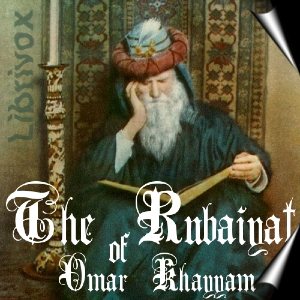
Rubáiyát of Omar Khayyám (Fitzgerald 5th edition), The by Omar Khayyám (1048 - 1131)
by LibriVox
The Rubáiyát of Omar Khayyám is so-named from the Persian word rubáiyát - a Persian word denoting a specific type of two-line stanza. Omar's Rubaiyat is a beautiful anthology of Islamic wisdom literature: originally penned in medieval Persian during the late 11th century AD. The best known English translations are those by Edward Fitzgerald: his fifth (and last) translation includes a mere 101 quatrains - a fraction of Omar's original work. Fitzgerald's selection loosely groups quatrains by theme; rendering quatrains into English as four-line, rhymed stanzas.Omar's writings are pervaded by the consciousness of the transient quality of life. In his Rubáiyát, the author ponders the limits of human knowledge and morality: and confronts his readers point-blank with the difficult questions that challenge every generation: - what is the ultimate benefit derived from human knowledge? - given human mortality; is is best to guide our lives by the dictat
No matches for "" in this podcast's transcripts.
No topics indexed yet for this podcast.
Loading reviews...
ABOUT THIS SHOW
The Rubáiyát of Omar Khayyám is so-named from the Persian word rubáiyát - a Persian word denoting a specific type of two-line stanza. Omar's Rubaiyat is a beautiful anthology of Islamic wisdom literature: originally penned in medieval Persian during the late 11th century AD. The best known English translations are those by Edward Fitzgerald: his fifth (and last) translation includes a mere 101 quatrains - a fraction of Omar's original work. Fitzgerald's selection loosely groups quatrains by theme; rendering quatrains into English as four-line, rhymed stanzas.Omar's writings are pervaded by the consciousness of the transient quality of life. In his Rubáiyát, the author ponders the limits of human knowledge and morality: and confronts his readers point-blank with the difficult questions that challenge every generation: - what is the ultimate benefit derived from human knowledge? - given human mortality; is is best to guide our lives by the dictat
HOSTED BY
LibriVox
CATEGORIES
Loading similar podcasts...
URL copied to clipboard!