
PODCAST · technology
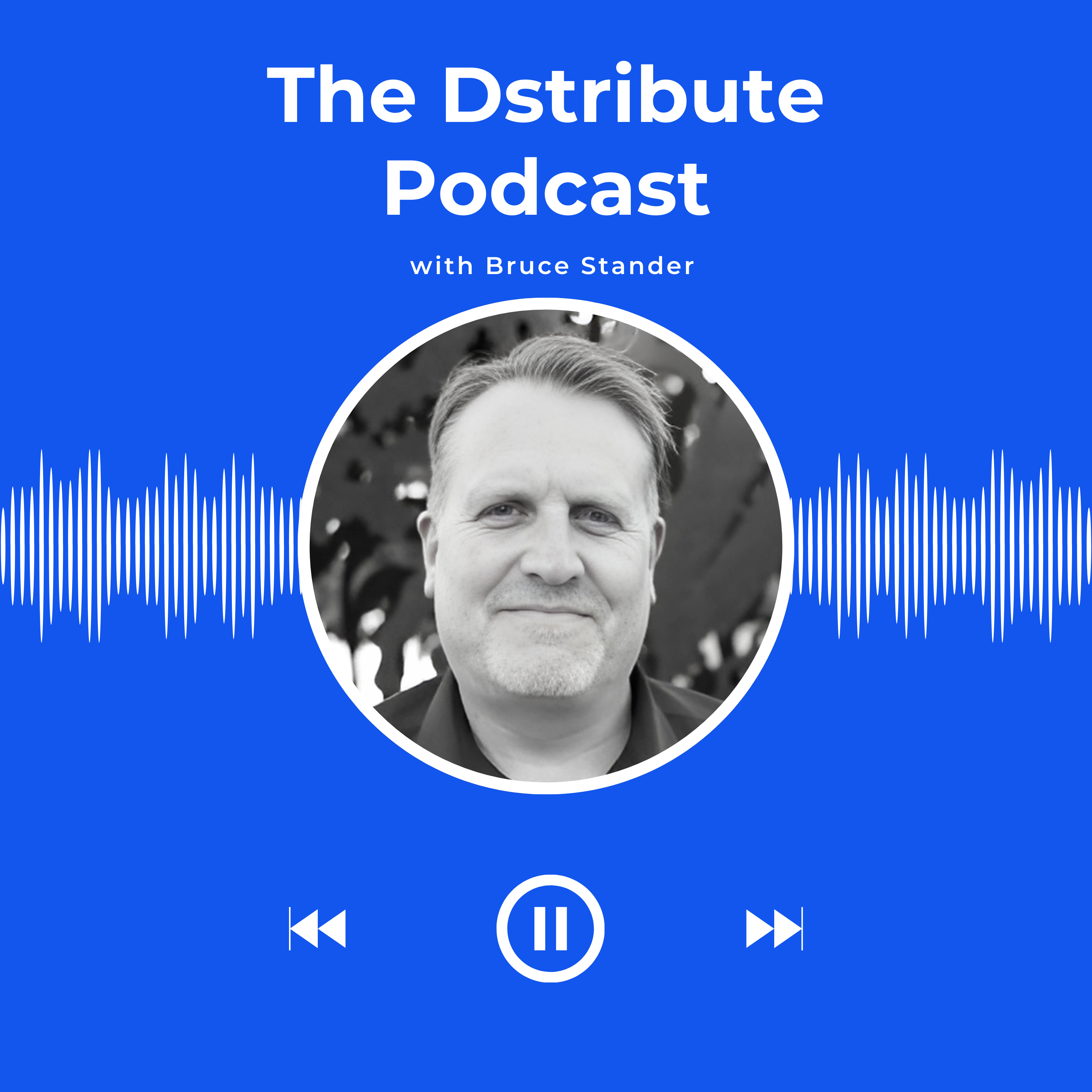
The Dstribute Podcast
by Dstribute Job Posting Software
The dstribute.io podcast explores smarter job distribution for staffing firms and federal contractors. Learn how to automate job postings across job boards, Craigslist, and OFCCP state sites while integrating with leading ATS platforms. Each episode delivers insights on compliance, performance tracking, and candidate reach—helping you streamline hiring, save time, and boost results with dstribute.io’s AI-powered job distribution network.
-
26
Spring Cleaning Your Job Distribution Channels Before Peak Hiring Season
In this episode of The Dstribute Podcast, the focus is on a costly reality many companies overlook: up to 70 percent of recruitment budgets may be wasted on job boards that fail to deliver quality hires. As peak hiring season approaches, the episode challenges teams to stop treating job distribution as a passive, “set it and forget it” activity and instead approach it as a measurable, performance-driven strategy.The conversation emphasizes the importance of auditing current distribution channels. Many organizations discover their jobs are appearing on outdated platforms, misaligned niche boards, or sites they never authorized due to automated scraping. Without a clear map of where postings live, inefficiency compounds quickly.Performance tracking is the next step. Clicks and applications are not enough. Teams need to analyze source-of-hire data, offer acceptance rates, and time-to-fill metrics to determine which channels truly drive results. Boards that generate volume without quality create noise and inflate costs.Compliance is also a central theme. For federal contractors, the distribution strategy directly impacts audit risk. Companies must ensure their channels align with Affirmative Action Plan goals, reach underrepresented groups, and maintain thorough documentation, including timestamps and confirmation records.The episode highlights targeted distribution as a smarter alternative to blanket posting. Specialized boards for veterans, individuals with disabilities, and specific communities often outperform general platforms for relevant roles. Inclusive job descriptions, community partnerships, and strategic social recruiting further expand reach.Technology plays a key role in executing this approach. Integrating ATS systems with distribution platforms reduces manual errors and enables real-time analytics. Underperforming channels can be adjusted quickly, keeping recruitment proactive rather than reactive.The core takeaway is simple: recruitment should not feel like pouring money into a leaky bucket. It should be intentional, data-driven, and aligned with business and compliance goals. Audit what works, eliminate what doesn’t, and build a focused distribution strategy that delivers measurable results.
-
25
How Job Board Selection Algorithms Impact Veteran Outreach Requirements
In this episode of The Dstribute Podcast, the focus is on a hidden risk in modern recruiting: job board algorithms can unintentionally bury postings meant for veterans, even when federal contractors are legally required to reach them. The issue is not a technical glitch. It is built into how many platforms prioritize visibility based on engagement, click-through rates, and early performance signals. If a job post does not perform well in the first 48 hours, it can disappear from visibility, limiting access for the very candidates companies are obligated to reach.For federal contractors, this creates a serious OFCCP compliance risk. “The algorithm did it” is not a valid defense during an audit. Regulators expect proof that outreach was meaningful and accessible. When companies rely solely on automated distribution without oversight, they create blind spots that can lead to violations, penalties, and reputational damage.Beyond compliance, the episode highlights a broader fairness issue. Algorithms often optimize for patterns based on historical hiring data. If veterans were underrepresented in the past, automated systems may unintentionally continue that pattern. This feedback loop can make qualified veteran candidates effectively invisible.The discussion outlines practical solutions. Companies must combine broad distribution with targeted veteran-specific job boards. They need to optimize job descriptions by translating military experience into civilian language and including clear signals that welcome veterans. Documentation is critical, including timestamps, confirmations, and outreach records to demonstrate good-faith effort.Measurement also matters. Organizations should track veteran applicant flow, monitor posting visibility over the required 30-day period, and adjust strategy in real time. Outreach should be proactive and data-driven, not reactive.The core takeaway is simple: in the age of algorithms, compliance requires intentional design. Fair hiring will not happen automatically. It must be engineered through visibility, documentation, and deliberate outreach strategies that ensure veterans truly have access to opportunity.
-
24
Advanced Reporting Dashboard Configurations That Drive Hiring Intelligence
In this episode of The Dstribute Podcast, the focus turns to one of the most urgent realities facing federal contractors today: the average cost of a single compliance violation is $250,000, yet many organizations still rely on spreadsheets to manage that risk. The discussion explores why that disconnect is no longer sustainable and how modern compliance dashboards are reshaping hiring strategy.Compliance today extends far beyond paperwork. It touches hiring decisions, promotion patterns, geographic data, and real-time documentation that regulators expect to see instantly. Traditional quarterly reviews leave dangerous blind spots. By contrast, modern systems introduce real-time monitoring and early-warning alerts, tracking key metrics such as the four-fifths rule and flagging risk before it becomes a violation.These dashboards function as a proactive compliance engine. They break down data by establishment, monitor selection rates across protected groups, and compare hiring patterns against regional labor market data. Instead of reacting during an audit, companies gain a continuous, time-stamped audit trail covering every job posting, applicant, and hiring decision.But the shift goes beyond avoiding penalties. Compliance data is becoming strategic intelligence. Advanced systems analyze distribution performance, cost per qualified candidate, and demographic trends to inform better hiring decisions. Predictive analytics can even flag declining diversity metrics and recommend targeted sourcing strategies before issues escalate.The results are significant. Organizations using intelligent compliance dashboards are reporting 40 percent fewer compliance violations and measurable improvements in diversity hiring outcomes. What once felt like a defensive burden is becoming a competitive advantage.The episode closes with a clear takeaway: compliance is no longer a quarterly spreadsheet exercise. Companies that continue to rely on manual tracking will struggle during audits. Those adopting real-time, predictive systems will not only reduce risk but also strengthen their overall hiring strategy.In the future of recruitment, compliance won’t be a checkbox. It will be a foundation for smarter, data-driven decision-making.
-
23
Documentation Requirements That Protect Against OFCCP Penalties
In this episode of The Dstribute Podcast, the discussion starts with a staggering figure: the recruitment industry spends more than $200 billion annually, yet many hiring teams still rely on fragmented, outdated systems that feel decades behind. The conversation explores why such massive investment hasn’t translated into efficiency — and what happens when that model is challenged directly.At the center of the discussion is the rise of accessible, enterprise-level recruitment technology. Instead of layering more tools onto an already complex stack, platforms like Dstribute are unifying job distribution, compliance, and analytics into one connected system. A key breakthrough is embedding OFCCP compliance directly into the workflow, eliminating the need for separate documentation processes and reducing administrative strain.What makes this shift stand out is the balance between scale and quality. Companies report thousands of qualified applicants, along with a 40 percent reduction in time-to-hire. Even more surprising, they’re achieving these outcomes at significantly lower costs — in some cases paying half of what they previously spent for comparable enterprise capabilities.The episode also highlights an important distinction: this isn’t automation for automation’s sake. The model combines intelligent systems with hands-on support, creating a hybrid approach where technology handles the heavy lifting and human expertise provides strategy and guidance. Many partners describe the experience as a true partnership rather than a typical vendor relationship.The broader takeaway is clear. Real innovation in recruitment doesn’t come from adding more features — it comes from simplifying complexity. When compliance, distribution, and analytics work together seamlessly, hiring becomes faster, more strategic, and more accessible.The future of recruitment, as explored in this episode, isn’t about spending more or automating everything. It’s about working smarter—combining automation with human expertise to deliver better outcomes for companies and candidates alike.
-
22
The Post-Holiday Hiring Spike and Its OFCCP Documentation Impact
In this episode of The Dstribute Podcast, the conversation focuses on a hard truth in modern recruiting: companies are spending more than $4,000 per hire, yet many aren’t seeing better outcomes. When the team looked closer, the issue wasn’t effort or intent — it was a recruiting process that’s still manual, fragmented, and reactive.That realization is what led to building Dstribute differently. Rather than adding another tool to an already crowded HR tech stack, the goal was to remove friction — the inefficiencies that make hiring slow, expensive, and frustrating. The episode explores what happens when compliance is simplified, distribution becomes intelligent, and recruitment systems are designed around outcomes instead of activity.One of the most significant breakthroughs discussed is OFCCP compliance. Traditionally, compliance lived outside the hiring workflow, forcing teams to duplicate documentation and spreadsheets, and to conduct constant audits. By embedding compliance directly into the platform, jobs go out compliant by default, and documentation happens automatically. For many teams, this alone has reduced compliance work by roughly 40 percent.But cost savings aren’t the real story — outcomes are. Companies are reporting greater candidate alignment, higher match rates, and improved quality, even as they attract large volumes of applicants. Some teams have seen thousands of applicants in a short time span, paired with as much as a 60 percent improvement in candidate match rates.A major driver of this improvement is distribution intelligence. Instead of manual posting across dozens of boards, the system centralizes distribution and uses performance data to determine where jobs should live. Real-time analytics give teams visibility into which channels deliver results, turning recruiting from guesswork into strategy.Accessibility also plays a critical role. By offering enterprise-level capabilities at roughly 30 percent less than traditional enterprise platforms, Dstribute has opened the door for growing teams to compete for talent more effectively.The episode closes with a key takeaway: better recruiting doesn’t come from doing more — it comes from removing what gets in the way. When cost, compliance, and complexity are reduced together, hiring becomes intentional again. The future of recruiting isn’t louder or colder — it’s more innovative, more human, and aligned with real results.
-
21
The January Apply Surge and What It Reveals About Job Visibility
In this episode of The Dstribute Podcast, the conversation centers on a surprising reality in modern hiring. Despite a hyper-competitive labor market, companies still spend an average of 24 days and more than $4,000the issue to make a single hire. When Bruce and the team examined why, the problem wasn’t effort — it was fragmentation. Hiring teams are forced to juggle job distribution, compliance, ATS platforms, and analytics across systems that were never designed to work together.That insight led to the creation of Dstribute as a connected system, not just another recruitment tool. The focus wasn’t on adding features, but on improving effectiveness — removing friction while preserving the human side of hiring. A significant turning point was compliance, particularly with OFCCP requirements, which traditionally required spreadsheets, consultants, and constant anxiety. By embedding compliance directly into the job posting workflow, compliance became automatic and no longer a separate task.The impact was immediate and measurable. Teams began reporting thousands of qualified applicants, steadier candidate flow, and reduced time-to-hire — all while spending less time on admin work. What the industry once framed as a trade-off between volume and quality proved to be a false choice when the infrastructure was built correctly.Integration plays a key role. Rather than replacing existing ATS platforms, Dstribute enhances them — jobs flow out intelligently, candidates flow back cleanly, and teams finally gain visibility into what’s working. Accessibility is another differentiator, with enterprise-level capabilities offered at mid-market pricing, expanding access to sophisticated hiring infrastructure.But the episode makes it clear that technology alone isn’t the differentiator — support ihighlight. Partners consistently point to the team's hands-on involvement, emphasizing collaboration over ticket volume. When automation removes operational noise, recruiters regain time for judgment, conversation, and connection.The takeaway is simple but powerful: better hiring doesn’t come from doing more — it comes from doing things more intentionally. The future of recruitment lies in balance — automation paired with human insight, efficiency paired with empathy — proving that more innovative hiring isn’t colder hiring. It’s more human.
-
20
Craigslist Posting Cadence, How Often Should You Post
In a hiring world obsessed with speed and automation, this podcast asks a different question: what if technology could actually make recruitment more human? We explore how intelligent automation, built in OFCCP compliance, and real-time job distribution are changing how teams hire, not by replacing people, but by giving them breathing room to focus on connection, judgment, and trust. Through real conversations and real outcomes, we unpack how removing admin chaos leads to better candidates, fairer processes, and healthier hiring decisions. This is a look at the future of recruitment, where automation quietly works in the background so people can do their best work upfront.
-
19
Craigslist Gig Vs Standard Posting, What’s The ROI Difference
The hiring landscape has shifted faster than anyone expected. Tasks that once took weeks of spreadsheets, emails, and manual job posting now happen in seconds. But speed isn’t the real story.In this episode of The Dstribute Podcast, Bruce Stander breaks down how intelligent recruitment is redefining hiring by removing the false choice between scale and quality. Learn how automation, when designed to work with people, can expand reach without sacrificing relevance.
-
18
Revolutionizing Recruitment: The Automation Advantage
In this episode of The Dstribute Podcast, Bruce and Kaeden Stander break down one of the most staggering challenges in modern hiring: the average company still spends 41 days and more than $4,000 to fill a single role. Most of that cost comes from outdated workflows, disconnected systems, and hours of manual effort that should have been automated long ago.That inefficiency is exactly what Distribute was built to solve. Instead of adding another standalone tool to an already overloaded HR tech stack, Bruce and Kaeden designed an integrated recruiting ecosystem that unifies job distribution, OFCCP compliance, analytics, and ATS connections into one seamless flow. The moment compliance was tied directly into the posting process, companies stopped shaving off minutes and started eliminating whole categories of manual work.The results have exceeded expectations. Organizations are seeing thousands of qualified applicants within weeks, along with dramatic improvements in speed and precision. Time-to-hire cycles that once took months are now measured in weeks. And because real-time analytics show which channels drive the best outcomes, recruiters are making smarter, data-backed decisions instead of relying on guesswork.A major differentiator is how Distribute handles compliance. For federal contractors, OFCCP requirements once meant endless spreadsheets, screenshots, and audits. Now, compliance happens automatically in the background, transforming a normally heavy burden into an invisible part of the workflow.But the hosts emphasize that technology is only half the story. Distribute was built on relationship-driven software, where automation removes friction without removing people. When a client hits a roadblock, the support team stays with them until the problem is fully solved — a hands-on partnership that’s rare in HR tech and often mentioned directly by customers.As Bruce and Kaeden look toward the future, they see recruitment moving decisively away from fragmented, manual processes and toward unified, intelligent systems. Companies using Distribute today are experiencing what hiring will look like five years from now — faster, fairer, and far more strategic, with technology finally working with people instead of against them.
-
17
Revolutionizing Recruitment: Automation Meets Human Touch
In this episode of The Dstribute Podcast, Bruce Stander breaks down one of the most staggering inefficiencies in modern recruiting — the fact that companies lose more than 520 hours every year just posting and managing job listings. That’s nearly three months of full-time work spent on tasks that should have been automated long ago, and it became the driving force behind Distribute’s mission to rethink recruitment from the ground up.Bruce explains how the platform eliminates the operational drag holding teams back by tackling the core structural issues in hiring: distribution inefficiencies, compliance burdens, and inconsistent candidate flow. A key breakthrough has been automated OFCCP tracking and documentation, which once consumed entire workweeks for federal contractors. Now, these processes happen seamlessly in the background, saving organizations over $25,000 annually in manual labor.But the benefits don’t stop at compliance. Companies using Distribute are seeing a 40 percent increase in qualified candidates, a 12-day reduction in time-to-hire, and stronger funnel performance across the board. This is largely due to the intelligent targeting engine that functions like precision marketing for jobs — analyzing role type, industry, location, and performance data to push postings to the channels where they will be most effective.Yet, the heart of the episode isn’t just the technology — it’s the human impact. Bruce emphasizes that automation should expand the human side of recruiting, not replace it. When recruiters gain back 520 hours, they reinvest that time into deeper conversations, better assessments, and stronger relationships. The downstream results prove it: higher offer acceptance rates, improved retention by as much as 60 percent, and a more meaningful hiring experience for both candidates and companies.The episode closes with a look ahead at a future where AI handles the heavy lifting so humans can focus on the work that truly requires judgment, insight, and empathy. For Bruce, this isn’t just a product evolution — it’s a fundamental shift toward a more intuitive, human-centered era of recruiting.
-
16
Revolutionizing Recruitment: The Human-Centered Automation Shift
In this episode of The Dstribute Podcast, Bruce and Kaeden Stander explore how automation and human connection are converging to redefine the future of hiring. The conversation begins with a striking fact — the average recruiter spends 23 hours a month posting and managing job listings across multiple platforms. It’s a massive time drain that Dstribute set out to eliminate by rethinking recruitment automation from the ground up.Instead of adding another tool to an already cluttered workflow, Dstribute built what Bruce calls a “smart traffic system” for job postings — an intelligent distribution network that posts and manages listings across hundreds of boards in real time. The platform doesn’t just automate; it optimizes. It uses data patterns, job types, and performance metrics to determine where each post performs best, resulting in up to a 40% reduction in time-to-hire and higher candidate quality.Compliance is also at the core of the design. With OFCCP automation built directly into the platform, businesses can scale hiring without the administrative burden that usually accompanies federal contractor requirements. The result is faster recruiting that’s also fully compliant and equitable.But as the hosts emphasize, automation alone isn’t enough. Dstribute’s success stems from what they call human-centered automation — technology that empowers people rather than replacing them. Their support team partners directly with clients to solve challenges collaboratively, ensuring every system runs perfectly.The episode concludes with a forward-looking view of recruitment as an ecosystem — where intelligent systems, job boards, and people work together rather than competing. For Bruce and Kaeden, that’s the true promise of innovation: not just efficiency, but connection.The takeaway: when automation and empathy coexist, everyone wins. The future of hiring isn’t just faster — it’s smarter, fairer, and more human than ever before.
-
15
The Human Touch in AI-Driven Recruitment
In this episode of The Dstribute Podcast, Bruce and Kaeden Stander take listeners behind the story of Dstribute — a recruitment technology company built on the belief that automation should serve people, not replace them. The conversation explores how Dstribute was founded to challenge an industry obsessed with efficiency but losing sight of human connection.From the start, Bruce explains, the mission has been clear: automate what makes sense, but never replace the relationships that drive great recruiting results. Anyone can build software that posts jobs or manages compliance, but what makes Dstribute different is its commitment to staying personally involved. The team doesn’t disappear after onboarding — they partner with clients through every challenge, integration, and campaign until the results are perfect.That hands-on approach has fueled Dstribute’s growth and reputation. Clients consistently report thousands of qualified applicants, intelligent job distribution across hundreds of platforms, and real improvements in efficiency without sacrificing candidate quality. Behind the automation lies a human team focused on outcomes — people who take ownership, provide guidance, and build long-term trust.The episode also highlights how this philosophy — what Bruce calls human-centered automation — is reshaping HR tech. By combining advanced tools like job distribution, ATS integration, and compliance automation with genuine partnership and empathy, Dstribute has created a model that’s as personal as it is powerful.For Bruce and Kaeden, the future of hiring isn’t about replacing recruiters — it’s about empowering them. Real innovation, they emphasize, isn’t just what you build; it’s how you stand behind it.This episode is a reminder that the most transformative technology doesn’t remove people from the process — it makes them more effective. And that’s what Dstribute is proving every day: when automation meets authenticity, everyone wins.
-
14
Revolutionizing Recruitment: Automation Meets Compliance
In this episode of The Dstribute Podcast, Bruce and Kaeden Stander spotlight how automation is transforming recruitment from a time-consuming chore into a strategic advantage. Traditionally, recruiters spend nearly 40 hours a month on manual job postings — an entire work week lost to repetitive tasks. But new platforms are cutting that wasted time dramatically while boosting both speed and quality of hires.The conversation explores how companies using automation tools are seeing a 60% reduction in time-to-hire and reporting over 1,000 qualified applications within the first month of implementation. Even more surprising, candidate quality is improving thanks to AI-powered distribution that places jobs on the right boards and platforms.One of the biggest breakthroughs? Built-in OFCCP compliance automation. By embedding compliance directly into the software, companies are experiencing a 75% reduction in compliance-related tasks, saving HR teams countless hours of documentation. And unlike many recruiting tools that overpromise and underdeliver, these systems are reported to start producing results almost immediately — with ROI visible within the first quarter.The hosts emphasize that the success isn’t just about technology, but also about strong support and intuitive design. Recruiters are reporting 40% productivity improvements while maintaining human connection as the focus of the hiring process.Looking ahead, Bruce and Kaeden see the future of hiring as a balance between automation and the human touch. As AI and machine learning continue to evolve, recruitment technology won’t just digitize old processes — it will reinvent them, giving recruiters more time for meaningful interactions while ensuring efficiency, compliance, and better outcomes.The takeaway is clear: the future of hiring is smarter, faster, and more human.
-
13
Revolutionizing Recruitment: The AI Hiring Revolution
In this episode of The Dstribute Podcast, Bruce and Kaeden Stander break down how new technology platforms are radically reshaping recruitment. Traditional methods once produced a handful of candidates per posting, but companies now report thousands of qualified applicants — thanks to AI-driven matching and multi-channel job distribution.The hosts explore how this shift is not just about volume. The quality of hires has improved, with organizations seeing a 40% increase in successful placements. Administrative burdens are shrinking too, as built-in OFCCP compliance automation is saving some HR teams more than 20 hours a week. What’s especially impactful is accessibility: tools once reserved for major corporations are now within reach of smaller companies, making hiring innovation more democratic.The efficiency gains are striking. Businesses are reporting a 60% reduction in time-to-hire and an average 30% drop in cost-per-hire, while recruiters gain back valuable time to focus on meaningful candidate interactions instead of paperwork. Implementation is also surprisingly smooth, with intuitive interfaces and hands-on support helping teams adapt quickly.Still, the episode acknowledges challenges. The main hurdle isn’t the software, but changing internal processes to fully take advantage of automation. As the hosts note, having advanced tools is like owning a Ferrari — you have to learn to drive it differently to realize its full potential.Looking ahead, Bruce and Kaeden highlight three major trends: deeper integration with social and professional networks, diversity and inclusion tools designed to reduce bias, and predictive modeling that can forecast hiring success. These innovations point to a future where hiring becomes a strategic advantage rather than a bottleneck.The takeaway is clear: AI and automation aren’t replacing recruiters — they’re empowering them. Companies are hiring faster, spending less, and building stronger human connections in the process. Recruitment is no longer just a function — it’s becoming a competitive edge.
-
12
Revolutionizing Recruitment: The Tech Transformation
In this episode of The Dstribute Podcast, CEO Bruce Stander and co-host Kaeden Stander explore how cutting-edge recruitment technology is transforming hiring from a slow, costly process into an intelligent, data-driven advantage for companies of all sizes.The discussion begins with a staggering fact — the average company spends 23 days and $4,000 per hire using traditional recruitment methods. But with the rise of AI-powered platforms like Dstribute, those numbers are shifting dramatically. Companies are now seeing thousands of qualified applicants within weeks, with time-to-hire reduced by up to 40% while maintaining — or even improving — candidate quality.The key lies in a sophisticated distribution network that strategically targets job postings to the right candidates, rather than blasting them everywhere. Built-in OFCCP compliance automation not only removes a major headache for federal contractors but also saves users an average of 15 hours per week in documentation.Perhaps the most disruptive shift is accessibility. Where advanced recruitment tech was once the domain of large enterprises, smaller businesses can now tap into these same powerful tools at a fraction of the traditional cost — in some cases paying just 25% of their previous recruitment spend.The hosts also highlight the ease of implementation. Many companies report that the platform works “out of the box,” with responsive support teams who go beyond typical ticket-based service. This accessibility, coupled with strong results, is driving an unusual level of word-of-mouth growth in the enterprise software space.From the candidate side, feedback has been overwhelmingly positive. Higher engagement, improved application completion rates, and a 60% drop in abandonment rates show that when recruiters are freed from repetitive admin tasks, they can focus on creating better candidate experiences.Advanced real-time analytics add another layer of impact, showing exactly which recruitment channels yield the best results. One company cut its cost-per-hire by 35% simply by adjusting its strategy based on the platform’s insights.Bruce and Kaeden see this as the start of a new era: intelligent recruitment platforms that act as AI-powered partners — automating the operational heavy lifting while keeping the human element at the core. The future of hiring, they conclude, isn’t just faster — it’s smarter, more targeted, and more accessible than ever before.
-
11
The Future of Hiring: AI Meets Human Connection
In this episode of The Dstribute Podcast, Bruce Stander, CEO of Dstribute, and co-host Kaeden Stander take a deep dive into the technologies, strategies, and real-world results shaping the next era of hiring. The conversation centers on a remarkable shift happening right now: companies using new AI-powered recruitment platforms are reporting up to 300% more qualified candidates, not just more applications to sift through.What makes this surge so significant is the combination of quantity and quality. These platforms aren’t delivering random resumes — they’re surfacing thousands of pre-screened candidates who meet specific job requirements. The hosts share examples, like a manufacturing company that once spent six months filling specialized roles but dramatically reduced that timeline after adopting this technology.One of the most groundbreaking benefits is time-to-hire reduction — by as much as 40% — thanks to automation that tackles everything from candidate matching to complex OFCCP compliance. For small businesses, this is a game-changer. Navigating federal compliance used to be like solving a Rubik’s Cube while juggling; now, built-in compliance tools act like a virtual compliance officer, removing a significant barrier to government contracts.The discussion also challenges assumptions about automation. Instead of depersonalizing the hiring process, the technology frees recruiters from repetitive admin tasks so they can spend more time building genuine connections with candidates. Candidate feedback has been surprisingly positive, citing increased transparency and better communication throughout the hiring process.From a cost perspective, these solutions are democratizing access to advanced recruitment tools that once cost tens of thousands of dollars annually. The analytics features are equally transformative, revealing which channels deliver the best results for specific roles and helping companies rethink long-held beliefs about where top talent comes from.Looking ahead, Bruce and Kaeden predict a hybrid hiring model where AI handles the operational heavy lifting, and humans focus on relationship-building and decision-making. The episode makes it clear: automation done right doesn’t replace people — it empowers them.Whether you’re a recruiter, HR leader, or business owner, this conversation offers valuable insights on how to leverage cutting-edge recruitment technology to make hiring smarter, faster, and more human.
-
10
Mitratech vs. Dstribute.io Job Distribution Comparison
This content compares two job distribution platforms, Mitratech and dstribute.io, focusing on their features for helping companies post job openings effectively and meet compliance requirements, especially those related to the OFCCP. It highlights Mitratech's strengths in enterprise-level compliance and reporting, while emphasizing dstribute.io's user-friendliness, automation for compliance, and wider distribution, including diversity networks and Craigslist.The text positions dstribute.io as a modern alternative for organizations seeking speed, ease of use, and affordability in their hiring processes. It concludes by suggesting which platform might be a better fit based on a company's specific recruitment priorities.
-
9
Circa vs. dstribute.io: OFCCP Compliance Solutions Compared
This source compares two software solutions, Circa (formerly CircaWorks) and dstribute.io, specifically for federal contractors needing to comply with OFCCP (Office of Federal Contract Compliance Programs) job posting regulations. Both platforms help post jobs to state workforce agencies and conduct diversity outreach.However, the article highlights that dstribute.io is a faster, simpler, and more affordable option with transparent pricing. At the same time, Circa is depicted as a more complex system often favored by larger enterprises. The comparison focuses on features like state job bank posting, diversity outreach, audit-ready reports, and pricing structure to guide federal contractors in choosing the best tool for maintaining OFCCP compliance.
-
8
Craigslist as a Recruitment Tool for Staffing Agencies
Craigslist is often underestimated in the staffing industry as a recruitment tool for agencies. Yet, it remains one of the most powerful tools for recruiting, especially for local markets and blue-collar roles. Unlike many traditional job boards, Craigslist provides direct access to highly motivated, location-specific job seekers actively looking for work. Its low posting fees and high engagement rates make it a cost-effective solution that can lead to significantly faster applicant conversions compared to other platforms. Craigslist is a Recruitment Tool for Staffing AgenciesHowever, one of the biggest challenges staffing agencies face with Craigslist is its lack of automation. Manually posting each job to multiple cities or categories is time-consuming, inefficient, and error-prone, often discouraging agencies from fully leveraging Craigslist’s potential as a scalable recruiting channel.That’s where dstribute.io comes in. Built specifically for staffing agencies, dstribute.io is a job distribution software that transforms Craigslist into a streamlined, high-performing part of your recruitment strategy. It automates the posting process—enabling bulk job uploads, centralized management, and targeted geographic reach—while ensuring listings are optimized for visibility and engagement. With real-time performance tracking and campaign analytics, agencies can better understand which jobs are performing, where to invest more budget, and how to adjust their postings for maximum return.By using dstribute.io, staffing agencies can remove the manual burden of Craigslist posting and unlock the platform’s true potential as a competitive advantage in recruiting, especially for high-volume and time-sensitive hiring needs. It’s an often-overlooked resource—until you automate it.
-
7
Dstribute.io Integrated Job Distribution Compliance
In this episode of the dstribute.io podcast, the team dives into the critical role of integrated job distribution and how it shapes smarter, more compliant hiring practices. The conversation centers around how automated job posting, when tied directly into your applicant tracking system, can improve efficiency, reduce manual errors, and ensure jobs reach the right candidates across the right platforms, including niche diversity job boards and compliance networks. The hosts explain how dstribute.io helps federal contractors meet OFCCP posting requirements while supporting strategic recruitment goals like increasing candidate quality and first-year retention rates.Listeners will learn how data-backed decisions, targeted board selection, and built-in compliance measures improve applicant-to-hire outcomes. The episode also outlines practical benefits such as audit-ready reporting, enhanced visibility across sourcing channels, and reduced administrative burden for recruiting teams. Integrating with leading ATS platforms like Greenhouse, Bullhorn, and JobDiva, dstribute.io becomes a seamless part of your hiring workflow. Whether a staffing firm or a federal contractor, this podcast offers actionable insights to elevate your recruitment strategy with scalable, compliant, and effective job distribution.
-
6
Automated OFCCP Job Posting Compliance
In this episode of the dstribute.io podcast, the team explores how automation transforms OFCCP job posting compliance for federal contractors and staffing firms. The discussion highlights the challenges of manual job postings, such as time-consuming processes and the risk of human error, which can lead to compliance violations and costly penalties.By leveraging automated solutions, organizations can ensure consistent, audit-ready postings across all required state job boards and diversity networks. The podcast emphasizes integrating automated compliance tools with existing applicant tracking systems to streamline workflows and maintain accurate records. Listeners will gain insights into how automation simplifies compliance, enhances outreach efforts, promotes diversity, and supports building a more inclusive workforce. Whether new to OFCCP requirements or looking to optimize your current processes, this episode provides valuable strategies for maintaining compliance efficiently and effectively.
-
5
Craigslist Bulk Job Posting Services
In this episode of the dstribute.io podcast, the team explores how Craigslist bulk job posting services transform recruitment for high-volume employers. The discussion delves into the challenges of manual job postings, such as time-consuming processes and inconsistent visibility, which can hinder effective hiring. By leveraging automated solutions, organizations can efficiently distribute job listings across multiple Craigslist locations, ensuring broader reach and consistent exposure.The podcast highlights the benefits of integrating bulk posting tools with applicant tracking systems (ATS), streamlining workflows, and enhancing candidate management. Listeners will gain insights into how automation simplifies the posting process, improves applicant tracking, reduces time-to-hire, and supports compliance with hiring regulations. Whether you’re a staffing agency, a federal contractor, or a business seeking to optimize your recruitment strategy, this episode offers valuable perspectives on utilizing Craigslist bulk job posting services to attract top talent effectively.
-
4
Distribute.io Integrates with Craigslist Gigs
In this episode of the dstribute.io podcast, the team delves into their recent integration with Craigslist Gigs, a move designed to enhance job distribution for employers seeking local, flexible talent. The discussion highlights how this integration allows businesses to post directly to Craigslist Gigs from the dstribute.io platform, streamlining the hiring process for temporary, freelance, and part-time positions.Employers can efficiently reach a broader audience of motivated job seekers by automating postings across multiple locations and optimizing job descriptions for higher engagement. The episode also covers the benefits of full ATS integration, enabling seamless tracking of job post performance and applicant responses within a single dashboard. Listeners will gain insights into how this integration saves time and effort and ensures consistent hiring success by connecting with candidates in their immediate communities.Whether you’re a staffing agency or a business aiming to fill gig roles quickly, this episode provides valuable strategies for leveraging Craigslist Gigs through dstribute.io to attract top local talent effectively.
-
3
Effective Craigslist Gigs Posting with Distribute.io
In this episode of the dstribute.io podcast, the team explores how their integration with Craigslist Gigs transforms how employers post and manage short-term job listings. This feature enables companies to post directly to Craigslist Gigs from the dstribute.io platform, streamlining the hiring process for temporary, freelance, and part-time positions.Employers can efficiently reach a broader audience of motivated job seekers by automating postings across multiple locations and optimizing job descriptions for higher engagement. The episode also covers the benefits of full ATS integration, enabling seamless tracking of job post performance and applicant responses within a single dashboard. Listeners will gain insights into how this integration saves time and effort and ensures consistent hiring success by connecting with candidates in their immediate communities. Whether you’re a staffing agency or a business aiming to fill gig roles quickly, this episode provides valuable strategies for leveraging Craigslist Gigs through dstribute.io to attract top local talent effectively.
-
2
Job Board Distribution Services
In this episode of the dstribute.io podcast, the team delves into the transformative power of automated job board distribution services. They discuss how dstribute.io’s platform streamlines the recruitment process by enabling employers to post job listings across multiple boards with a single action, integrating seamlessly with applicant tracking systems (ATS) to ensure efficient candidate management.The conversation highlights the benefits of this approach, including increased reach to diverse talent pools, improved compliance with regulations, and enhanced tracking of job performance metrics. Listeners will learn how leveraging such technology can lead to more effective hiring strategies, reduced time-to-fill positions, and better overall recruitment outcomes. Whether you’re a staffing agency or a corporate recruiter, this episode provides valuable information on optimizing your job distribution efforts through automation.
-
1
dstribute.io Job Distribution Network
In this episode of the dstribute.io podcast, the team explores the capabilities of their Job Distribution Network and how it transforms recruitment strategies for staffing agencies, federal contractors, and HR teams. The discussion highlights how dstribute.io’s platform enables seamless distribution of job postings across a vast array of job boards, including general, niche, and diversity-focused platforms, all from a single interface.The platform ensures real-time synchronization and efficient candidate management by integrating directly with leading Applicant Tracking Systems (ATS), such as Bullhorn, Greenhouse, and JobAdder. Listeners will gain insights into how this network broadens reach and enhances compliance with regulations like OFCCP by automating postings to state job banks and maintaining necessary records. The episode also delves into the analytics tools provided by dstribute.io, which offer actionable data on job post performance, helping organizations optimize their recruitment strategies. Whether you aim to improve candidate quality, reduce time-to-hire, or ensure compliance, this episode provides valuable information on leveraging dstribute.io’s Job Distribution Network to achieve your hiring goals.
We're indexing this podcast's transcripts for the first time — this can take a minute or two. We'll show results as soon as they're ready.
No matches for "" in this podcast's transcripts.
No topics indexed yet for this podcast.
Loading reviews...
ABOUT THIS SHOW
The dstribute.io podcast explores smarter job distribution for staffing firms and federal contractors. Learn how to automate job postings across job boards, Craigslist, and OFCCP state sites while integrating with leading ATS platforms. Each episode delivers insights on compliance, performance tracking, and candidate reach—helping you streamline hiring, save time, and boost results with dstribute.io’s AI-powered job distribution network.
HOSTED BY
Dstribute Job Posting Software
CATEGORIES
Loading similar podcasts...
URL copied to clipboard!