
PODCAST · society
The Great Unrooting
by Human Rights Watch
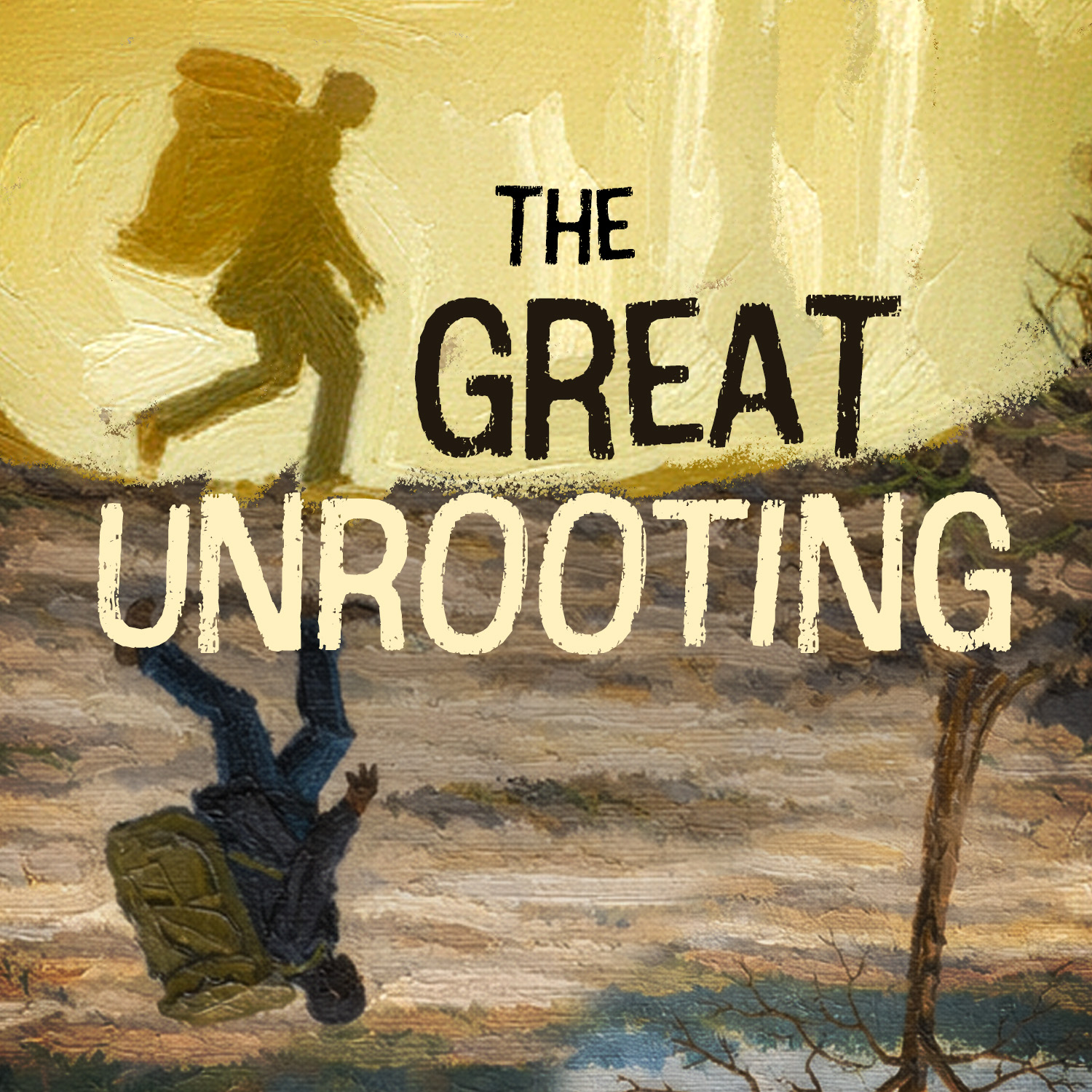
The Unrooting follows Maung’s story from the early warning signs of exclusion to the moment his family is forced to flee — and then into the grueling logistics of survival on the move. Subsequent episodes explore life in limbo, the systems that govern who can move and who cannot, and what it means to rebuild in a new place while still longing for home.
-
6
The Past is Never Over
Now that Maung has learned about the history of the Rohingya community, he begins working towards an escape route. He hopes to leave the refugee camp and get an education so that he can advocate for his community. But his freedom of movement is limited and educational resources are scarce. This week, host Ngofeen Mputubwele charts Maung’s journey out of the refugee camp in Bangladesh and into New York City.But even when Maung, and other refugees like him, settle into their new homes, the human rights abuses they have suffered linger. How is mental health impacted not only by past atrocities, but also by the current systemic mistreatment of refugees? And with refugees becoming political flash points across the world, what can be done to support refugee communities around the globe?Maung Sawyeddollah: Agent of Change, Rohingya MuslimPhilippe Bolopion: Executive Director, Human Rights WatchNadia Hardman: Researcher, Refugee and Migrant Rights Division at Human Rights WatchEmina Ćerimović: Associate Director, Disability Rights Division at Human Rights WatchSpyros Orfanos: Director, New York University’s Postdoctoral Program in Psychotherapy and Psychoanalysis
-
5
What's Social Media Got To Do With It?
Now that he’s arrived in Bangladesh, Maung finds himself stuck in an in-between. He’s safe from the violence he faced in his home state of Rakhine, Myanmar, but there are restrictions on his freedom of movement, limiting his education and leaving him to grapple with the history that brought his community to the world’s largest refugee camp. In this episode, host Ngofeen Mputubwele traces this history. Within the story of ethnic cleansing and apartheid enacted upon the ethnic Rohingya community, other big themes rise up. Witnesses and experts recount the role that social media played in Maung’s trajectory, and point to other communities facing this crisis across the globe. Maung Sawyeddollah: Agent of Change, Rohingya Muslim Matt Schissler: Lecturer in history and anthropology at the University of Melbourne Htaike Htaike Aung: Director of the Myanmar Internet Project Kaamil Ahmed: Journalist for The Guardian; author of "I Feel No Peace" Shayna Bauchner: Researcher, Asia Division at Human Rights Watch Maria Ressa: Nobel Peace Prize laureate; co-founder and CEO of Rappler
-
4
The Shadow City: Earth’s Largest Refugee Camp
When Maung and his family, his neighbors, strangers, cross the border from Myanmar into Bangladesh, they are officially refugees. But there’s no rest for the weary, and the hundreds of thousands of Rohingya refugees escaping to Bangladesh have to build a refugee camp for themselves. As Maung helps his family assemble a temporary shelter, a sort of shadow city starts to rise up around them. Almost a decade later, Maung’s family is still in Cox's Bazar.This week, Maung, other refugees and experts take listeners through a tour of life in the world’s largest refugee camp and life as a refugee more broadly.Maung Sawyeddollah: Agent of Change, Rohingya MuslimChinda Precious: Nigerian refugeeJohannes van der Klaauw: Former representative at the United Nations High Commissioner for RefugeesTamanna Tiku: Urban DesignerMausi Segun: Executive Director of the Africa Division at Human Rights WatchNadia Hardman: Researcher, Refugee and Migrant Rights Division at Human Rights WatchKyle Knight: Former Associate Director of the Lesbian, Gay, Bisexual, and Transgender Rights Program at Human Rights WatchBelkis Wille: Associate Director of Crisis & Conflict division at Human Rights Watch.Emina Ćerimović: Associate Director, Disability Rights Division at Human Rights Watch
-
3
Getting From Here To There
When anti-Rohingya sentiment turned into gunshots in Myanmar in 2017, 16-year-old Maung Sawyeddollah was forced to flee. But what do you do when you’re forced to leave your home? Where do you go? This week on The Great Unrooting, host Ngofeen Mputubwele asks how migrants get from here to there. What happens if you need medicine while you’re traveling or are living with disabilities that make traveling difficult? What challenges do migrants face as they make these strenuous journeys? This week, we hear from people around the world who have faced these questions. We hear about Maung’s mom, who fled while pregnant. Her story, alongside accounts from HRW researchers, paints a picture of resilience and bravery of the migrants who risk everything in pursuit of safety. Maung Sawyeddollah: Agent of Change, Rohingya Muslim Nadia Hardman: Researcher, Refugee and Migrant Rights Division at Human Rights Watch Emina Ćerimović: Associate Director, Disability Rights Division at Human Rights Watch Lindsay Mputubwele: Doula and child-birth educator Chinda Precious: Nigerian refugee Hanaa Rahimi: Former Afghan policewoman sharing her story under alias
-
2
The Unrooting
Maung Sawyeddollah grew up in a small town in Myanmar where, for years, life felt ordinary. That was before the rumors began. Social media fueled sectarian division, communities turned against each other. Then the soldiers arrived. It was a balmy night in August 2017 when Maung first heard the sound of gunfire. His family was forced to make an impossible choice: stay in the home they love or embark on a perilous journey to Bangladesh. They grabbed a few belongings and fled.Through Maung’s extraordinary story—from fleeing for his life in Myanmar to attending the prestigious New York University—this episode explores the moment Maung’s family made the fateful decision to abandon their home, and the heart-wrenching decisions millions of people face when the world they know becomes unlivable.The Great Unrooting begins with one life, and opens onto a global story of displacement, resilience, and hope.Maung Sawyeddollah: Agent of Change, Rohingya MuslimMausi Segun: Executive Director of the Africa Division at Human Rights WatchNadia Hardman: Researcher, Refugee and Migrant Rights Division at Human Rights WatchKyle Knight: Associate Director of the Lesbian, Gay, Bisexual, and Transgender Rights Program at Human Rights WatchBelkis Wille: Associate Director of Crisis & Conflict division at Human Rights Watch
-
1
PROLOGUE: The Night the Sky Cracked Open with Fire
Welcome to The Great Unrooting, a five-episode narrative podcast special season of Rights & Wrongs that explores what it means to lose home — and what it takes to start again. Anchored in the story of Maung, a Rohingya refugee now living in New York, the series traces his journey of flight, survival, and rebuilding and explores displacement at a moment when more people are forcible displaced than at any point since World War II.Excerpt from forthcoming poem, "The Rusted Key" by Kumar M. Tiku.
We're indexing this podcast's transcripts for the first time — this can take a minute or two. We'll show results as soon as they're ready.
No matches for "" in this podcast's transcripts.
No topics indexed yet for this podcast.
Loading reviews...
ABOUT THIS SHOW
The Unrooting follows Maung’s story from the early warning signs of exclusion to the moment his family is forced to flee — and then into the grueling logistics of survival on the move. Subsequent episodes explore life in limbo, the systems that govern who can move and who cannot, and what it means to rebuild in a new place while still longing for home.
HOSTED BY
Human Rights Watch
CATEGORIES
Loading similar podcasts...
Frequently Asked Questions
How many episodes does The Great Unrooting have?
The Great Unrooting currently has 6 episodes available on PodParley. New episodes are automatically indexed when they're published to the podcast feed.
What is The Great Unrooting about?
The Unrooting follows Maung’s story from the early warning signs of exclusion to the moment his family is forced to flee — and then into the grueling logistics of survival on the move. Subsequent episodes explore life in limbo, the systems that govern who can move and who cannot, and what it means...
How often does The Great Unrooting release new episodes?
The Great Unrooting has 6 episodes. Check the episode list to see recent publication dates and frequency.
Where can I listen to The Great Unrooting?
You can listen to The Great Unrooting on PodParley by clicking any episode. We provide an embedded audio player for direct listening, and you can also subscribe via your preferred podcast app using the RSS feed.
Who hosts The Great Unrooting?
The Great Unrooting is created and hosted by Human Rights Watch.
URL copied to clipboard!