
PODCAST · fiction
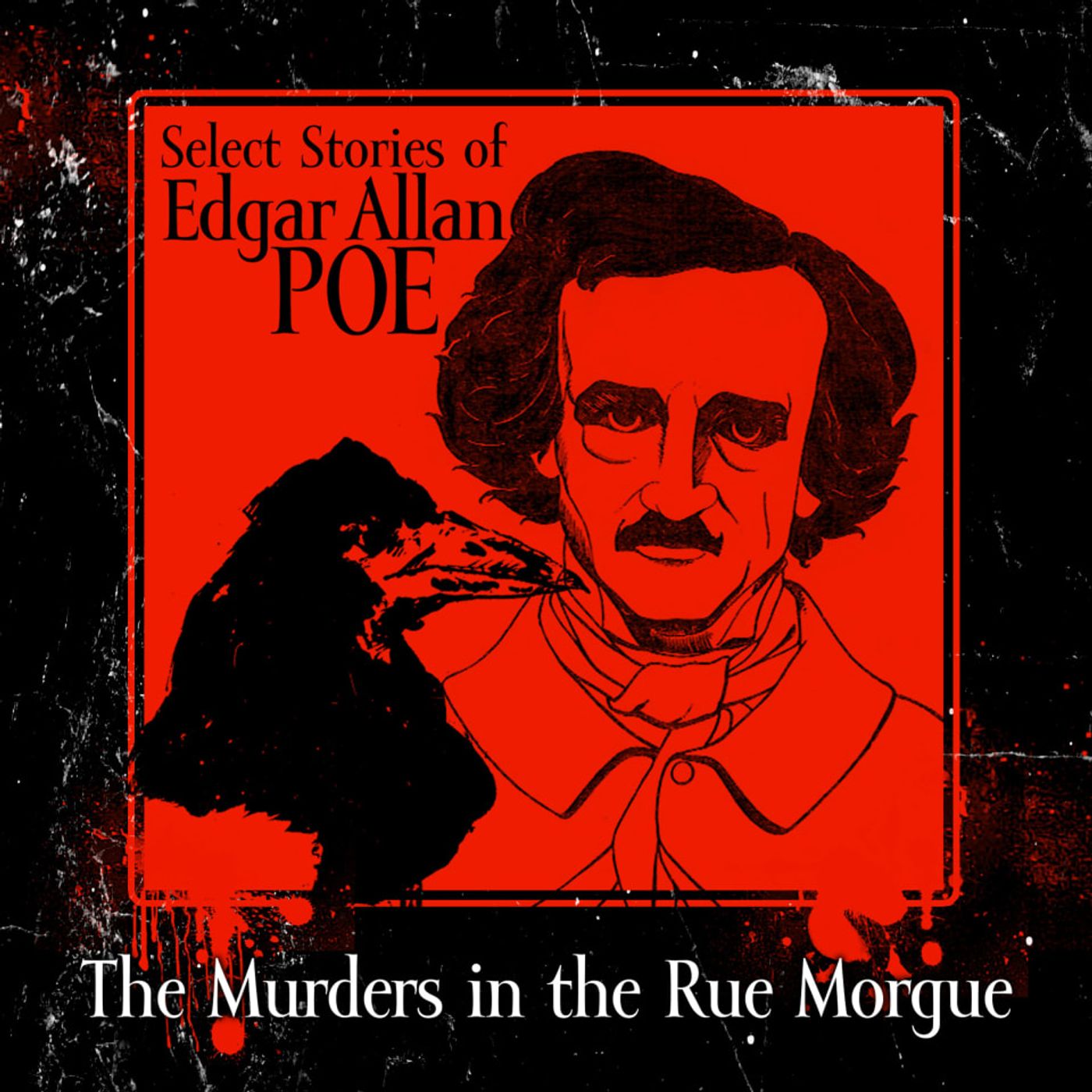
The Murders in the Rue Morgue by Edgar Allan Poe.
by AudioBooks
The Murders in the Rue Morgue by Edgar Allan Poe. "The Murders in the Rue Morgue" is a story by Edgar Allan Poe published in Graham's Magazine in 1841. It has been recognized as the first detective story; Poe referred to it as one of his "tales of ratiocination". C. Auguste Dupin is a man in Paris who solves the mystery of the brutal murder of two women. Numerous witnesses heard a suspect, though no one agrees on what language was spoken. At the murder scene, Dupin finds a hair that does not appear to be human. Writing the first true detective in fiction, Poe's Dupin originated many literary conventions which would be used in future fictional detectives including Sherlock Holmes and Hercule Poirot. Many later characters, for example, follow Poe's model of the brilliant detective, his personal friend who serves as narrator, and the final revelation being presented before the reasoning that leads up to it. Dupin himself reappears in "The Mystery of Marie Rogêt" and "The Purloined
-
3
03 - Section 3. The Murders in the Rue Morgue by Edgar Allan Poe.
03 - Section 3. The Murders in the Rue Morgue by Edgar Allan Poe. "The Murders in the Rue Morgue" is a story by Edgar Allan Poe published in Graham's Magazine in 1841. It has been recognized as the first detective story; Poe referred to it as one of his "tales of ratiocination". C. Auguste Dupin is a man in Paris who solves the mystery of the brutal murder of two women. Numerous witnesses heard a suspect, though no one agrees on what language was spoken. At the murder scene, Dupin finds a hair that does not appear to be human. Writing the first true detective in fiction, Poe's Dupin originated many literary conventions which would be used in future fictional detectives including Sherlock Holmes and Hercule Poirot. Many later characters, for example, follow Poe's model of the brilliant detective, his personal friend who serves as narrator, and the final revelation being presented before the reasoning that leads up to it. Dupin himself reappears in "The Mystery of Marie Rogêt" and "The Purloined Letter".
-
2
02 - Section 2. The Murders in the Rue Morgue by Edgar Allan Poe.
02 - Section 2. The Murders in the Rue Morgue by Edgar Allan Poe. "The Murders in the Rue Morgue" is a story by Edgar Allan Poe published in Graham's Magazine in 1841. It has been recognized as the first detective story; Poe referred to it as one of his "tales of ratiocination". C. Auguste Dupin is a man in Paris who solves the mystery of the brutal murder of two women. Numerous witnesses heard a suspect, though no one agrees on what language was spoken. At the murder scene, Dupin finds a hair that does not appear to be human. Writing the first true detective in fiction, Poe's Dupin originated many literary conventions which would be used in future fictional detectives including Sherlock Holmes and Hercule Poirot. Many later characters, for example, follow Poe's model of the brilliant detective, his personal friend who serves as narrator, and the final revelation being presented before the reasoning that leads up to it. Dupin himself reappears in "The Mystery of Marie Rogêt" and "The Purloined Letter".
-
1
01 - Section 1. The Murders in the Rue Morgue by Edgar Allan Poe.
01 - Section 1. The Murders in the Rue Morgue by Edgar Allan Poe. "The Murders in the Rue Morgue" is a story by Edgar Allan Poe published in Graham's Magazine in 1841. It has been recognized as the first detective story; Poe referred to it as one of his "tales of ratiocination". C. Auguste Dupin is a man in Paris who solves the mystery of the brutal murder of two women. Numerous witnesses heard a suspect, though no one agrees on what language was spoken. At the murder scene, Dupin finds a hair that does not appear to be human. Writing the first true detective in fiction, Poe's Dupin originated many literary conventions which would be used in future fictional detectives including Sherlock Holmes and Hercule Poirot. Many later characters, for example, follow Poe's model of the brilliant detective, his personal friend who serves as narrator, and the final revelation being presented before the reasoning that leads up to it. Dupin himself reappears in "The Mystery of Marie Rogêt" and "The Purloined Letter".
We're indexing this podcast's transcripts for the first time — this can take a minute or two. We'll show results as soon as they're ready.
No matches for "" in this podcast's transcripts.
No topics indexed yet for this podcast.
Loading reviews...
ABOUT THIS SHOW
The Murders in the Rue Morgue by Edgar Allan Poe. "The Murders in the Rue Morgue" is a story by Edgar Allan Poe published in Graham's Magazine in 1841. It has been recognized as the first detective story; Poe referred to it as one of his "tales of ratiocination". C. Auguste Dupin is a man in Paris who solves the mystery of the brutal murder of two women. Numerous witnesses heard a suspect, though no one agrees on what language was spoken. At the murder scene, Dupin finds a hair that does not appear to be human. Writing the first true detective in fiction, Poe's Dupin originated many literary conventions which would be used in future fictional detectives including Sherlock Holmes and Hercule Poirot. Many later characters, for example, follow Poe's model of the brilliant detective, his personal friend who serves as narrator, and the final revelation being presented before the reasoning that leads up to it. Dupin himself reappears in "The Mystery of Marie Rogêt" and "The Purloined
HOSTED BY
AudioBooks
Loading similar podcasts...
Frequently Asked Questions
How many episodes does The Murders in the Rue Morgue by Edgar Allan Poe. have?
The Murders in the Rue Morgue by Edgar Allan Poe. currently has 3 episodes available on PodParley. New episodes are automatically indexed when they're published to the podcast feed.
What is The Murders in the Rue Morgue by Edgar Allan Poe. about?
The Murders in the Rue Morgue by Edgar Allan Poe. "The Murders in the Rue Morgue" is a story by Edgar Allan Poe published in Graham's Magazine in 1841. It has been recognized as the first detective story; Poe referred to it as one of his "tales of ratiocination". C. Auguste Dupin is a man in Paris...
How often does The Murders in the Rue Morgue by Edgar Allan Poe. release new episodes?
The Murders in the Rue Morgue by Edgar Allan Poe. has 3 episodes. Check the episode list to see recent publication dates and frequency.
Where can I listen to The Murders in the Rue Morgue by Edgar Allan Poe.?
You can listen to The Murders in the Rue Morgue by Edgar Allan Poe. on PodParley by clicking any episode. We provide an embedded audio player for direct listening, and you can also subscribe via your preferred podcast app using the RSS feed.
Who hosts The Murders in the Rue Morgue by Edgar Allan Poe.?
The Murders in the Rue Morgue by Edgar Allan Poe. is created and hosted by AudioBooks.
URL copied to clipboard!