
PODCAST · technology
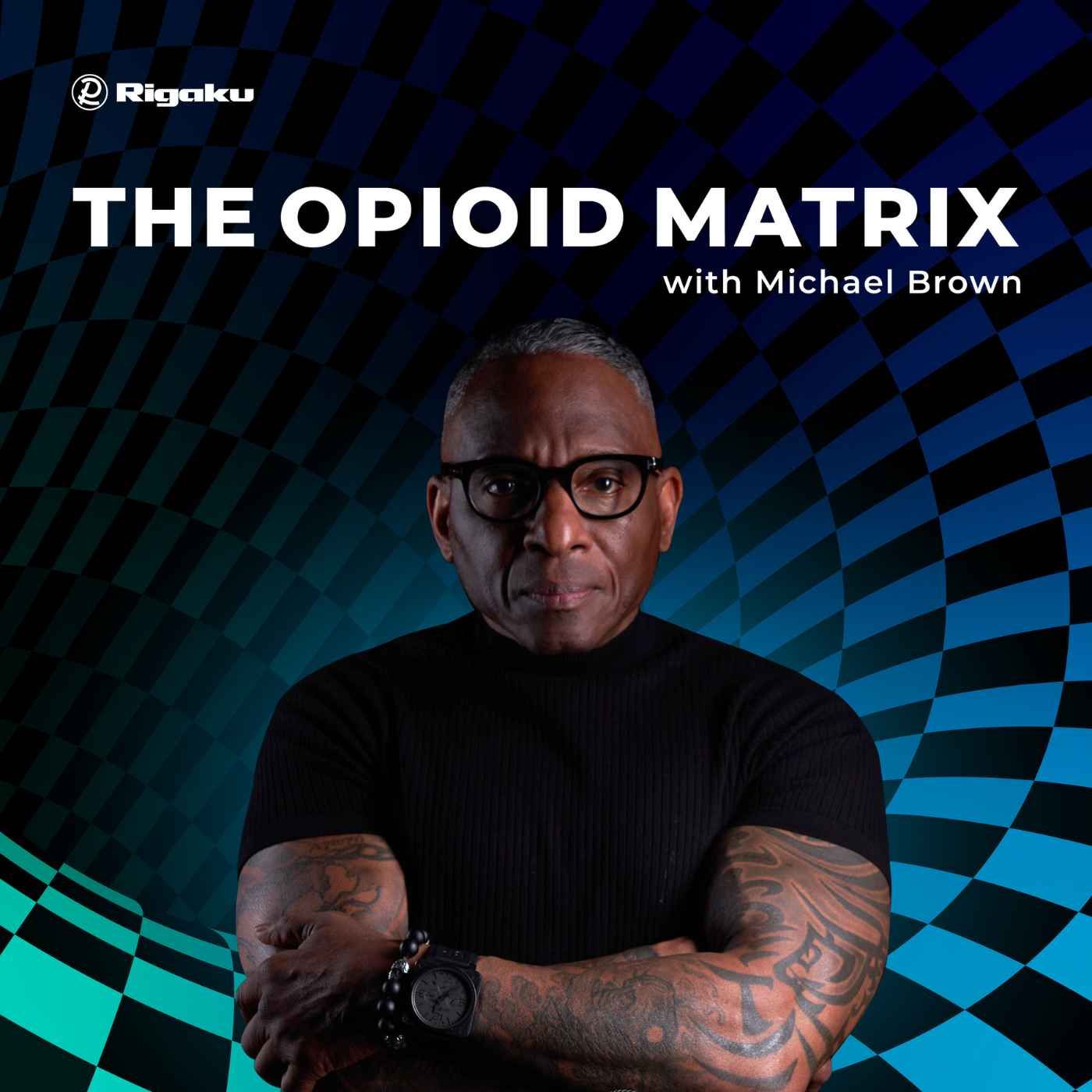
The Opioid Matrix: A Journey Into the Rabbit Hole
by Rigaku
The Opioid Matrix is a podcast for anyone looking for the latest information in the illegal drug supply chain — Beginning to end. Each episode will feature a discussion with industry experts about the current opioid crisis, including drug trafficking, drug manufacturing, drug identification, drug addiction, as well as the role of government, law enforcement, new health and social programs, and more.Welcome to The Opioid Matrix-A Journey into the Rabbit Hole.
-
100
Gangland Guardian: 36 Years in the Line of Fire
In this episode of The Opioid Matrix, host Michael Brown speaks with Ralph Ornelas, a 36-year veteran of the Los Angeles County Sheriff’s Department, about the domestic networks helping fuel America’s fentanyl crisis.Drawing on decades of experience in gang investigations, narcotics enforcement, and jail operations, Ornelas explains how groups like the Mexican Mafia, Crips, Bloods, and other domestic organizations have evolved far beyond street crime into sophisticated drug distribution networks. He also describes how jails and prisons can become control points for narcotics trafficking, and why corruption, policy, and reduced enforcement tools have made the problem harder to contain.Together, they discuss the connection between cartel supply and domestic distribution, the role of gangs in moving fentanyl into U.S. communities, and the growing dangers posed by new substances being mixed with fentanyl, including xylazine and other synthetic additives. The conversation also explores the importance of education, interagency cooperation, and stronger prosecution strategies to disrupt these networks before more lives are lost.This episode offers a sobering look at how the fentanyl crisis is no longer only a border issue or an overseas cartel issue. It is a deeply rooted domestic threat playing out in neighborhoods, schools, jails, and communities across the country.We Also Cover:How Operation Knockout proved that cartel-connected gang networks can be dismantled when prosecutors, federal agencies, and local law enforcement set their egos aside and work collaboratively.Why policy decisions at the state and local level can make enforcement harder.What law enforcement, educators, and families can do to confront the next phase of the synthetic drug crisis.Views expressed in this material are opinions of the host and the guest, and do not necessarily reflect the views of Rigaku Analytical Devices.
-
99
From Myanmar to Mexico: A Warning for America’s Drug War
In this episode of The Opioid Matrix, Michael Brown speaks with Adam Castillo, a former U.S. Marine officer, founder of AGS Myanmar, and former president of the American business community in Myanmar. Adam is also the author of Finding Our Voice: A Story of Leadership in Crisis and the American Spirit Abroad, a leadership memoir shaped by his experience guiding an American business community through Myanmar’s post-coup collapse.Drawing on his firsthand experience in Myanmar during a period of civil war, institutional breakdown, and economic instability, Adam explains how weak governance and diminished law enforcement can create the conditions for criminal networks and narcotics trafficking to expand. He and Michael explore the parallels between Myanmar and Mexico, and what those lessons mean for Americans trying to understand cartel power, fentanyl trafficking, and the broader opioid crisis.The conversation also looks beyond geopolitics to the local level, emphasizing the importance of community leadership, trusted institutions, and public awareness in preventing addiction and social breakdown. At its core, this episode is about what happens when formal systems fail — and why communities cannot afford to wait until criminality and addiction become normalized.We also cover:How weak governance and reduced law enforcement can create space for narcotics trafficking and violent crime to expandWhy Myanmar offers a cautionary parallel for understanding cartel influence, instability, and addiction in MexicoWhat families and communities can do now to strengthen prevention, awareness, and resilience before the damage deepensViews expressed in this material are opinions of the host and the guest, and do not necessarily reflect the views of Rigaku Analytical Devices.
-
98
“Dope Moves North, Money Moves South”: the Drug Cartel 2.0 Model
What happens when a fully synthetic drug turns organized crime into an industrial-scale, cross-border killing machine?In this episode of The Opioid Matrix, host Michael Brown sits down with Jack McFarland (retired DEA agent, Caribbean division veteran, and global law enforcement consultant) to unpack how fentanyl rewired the opioid crisis into something closer to a mass-casualty supply chain than a “drug problem.”Together, they explore:Why fentanyl changed the rules: when traffickers no longer avoid killing customersHow the pipeline really works: from precursors to labs to street distribution networksWhat cartel “adaptation” looks like: shifting routes, shifting mixtures, and shifting riskThe new policy battlefield: when enforcement becomes diplomacy, designations, and deterrenceThe hardest question we keep dodging: where empathy ends, and accountability must beginThis episode isn’t just a conversation about fentanyl — it's about how drug cartels have evolved into international criminal corporations intent on poisoning thousands of Americans for profit. Decades ago, drug cartels operated as tightly controlled smuggling rings, focused almost entirely on moving narcotics across borders. The primary objective was profit; Today, these groups aren’t just moving drugs—they’re running extortion operations, human trafficking, and cybercrime. Ruthlessness is the new model.Views expressed in this material are opinions of the host and the guest, and do not necessarily reflect the views of Rigaku Analytical Devices.
-
97
Narco-Terrorism Reimagined: Why the Old Rules No Longer Apply
What happens when the world’s most dangerous networks evolve faster than the systems meant to stop them?In this episode of The Opioid Matrix, host Michael Brown sits down with Dr. Martin Gallagher — retired Scottish police superintendent, terrorism researcher, and author of Terror for Profit — to dissect how globalization, soft policy, and outdated paradigms have allowed narco-terrorism to thrive unchecked.Together, they explore:How terrorist and criminal networks have merged into a single global threatWhy traditional definitions of “terrorism” no longer fit modern cartel activityHow drug policy could feed criminal profitsWhat governments must do to regain control: radical enforcement, policy realignment, or bothDr. Gallagher brings a unique transatlantic perspective, drawing on decades of law enforcement, academic research, and frontline experience with international crime.This episode isn’t just about the problem — it’s a direct challenge to the systems, laws, and ideologies failing to confront a threat hiding in plain sight.Views expressed in this material are opinions of the host and the guest, and do not necessarily reflect the views of Rigaku Analytical Devices.
-
96
Unchained: Rewriting a Legacy Beyond Addiction
Generational addiction isn’t just a theory - it’s a reality in homes across America. But what does it take to truly break the cycle?In this deeply personal episode of The Opioid Matrix, Michael Brown sits down with Chris Schultz, a father, a recovering addict, and a man who began using and trafficking drugs before his 15th birthday.Chris shares how addiction took root in his family, what it cost him as a young man, and how years of therapy, faith, and community support helped him rebuild his life. Today, he runs an electrical contracting company that hires and mentors people in recovery - offering not just employment, but purpose.Together, they explore:Why trauma in childhood leaves lasting scarsHow 30-day programs often fall short for long-term healingWhat accountability, structure, and second chances really look likeWhy trades and job skills may be the missing link in recoveryThis is a raw and hopeful story - not just about addiction, but about what’s possible when recovery is backed by real resources, supportive communities, and lived experience.Views expressed in this material are opinions of the host and the guest, and do not necessarily reflect the views of Rigaku Analytical Devices.
-
95
Quiet Crisis: Cartel Influence in Canada
In this episode of The Opioid Matrix, host Michael Brown speaks with Chris Hudson, a Canadian security expert and CEO of CJE Hudson & Associates, to examine how the global fentanyl trade is evolving—and why public safety professionals must stay ahead of the threat.Drawing from decades of experience in international security and counter-narcotics consulting, Hudson provides insight into the cross-border dynamics of fentanyl trafficking, the role of organized crime networks, and the challenges law enforcement faces in adapting to an increasingly complex threat environment.They discuss:How synthetic opioids like fentanyl are impacting North America and beyondThe connection between trafficking, financial networks, and cyber threatsGlobal policy gaps that allow cartels and criminal groups to operate at scaleWhy law enforcement efforts must be supported by coordinated, non-political strategiesThis episode also explores how cities can proactively address drug-related violence by empowering professionals and supporting long-term solutions rooted in public safety—not politics.Views expressed in this material are opinions of the host and the guest, and do not necessarily reflect the views of Rigaku Analytical Devices.
-
94
The Fentanyl Equation: Science Fights Back
Three hundred thousand American deaths in three years…and the chemistry is still evolving. If the cartels turned the lab into the battlefield, why haven’t we brought our own defenses?In this investigation, host Michael Brown sits down with Collin Gage, CEO and co-founder of ARMR Sciences, to unpack a controversial but potentially game-changing idea: an immunotherapy “vaccine” designed to block fentanyl from reaching the brain. Gage explains the planned Phase I/II human trial, why military and first responders could be the first beneficiaries, and how a platform could expand to multivalent shields against carfentanil and emerging analogs.We press the hard questions: pharmaceutical-grade versus “cartel” fentanyl, risk-compensation behavior, and whether the U.S. should treat this as biodefense.Expect an unflinching discussion about creating anti-narco-chemistry that removes the “high” and, with it, the business model. It’s exactly the kind of debate a country losing hundreds of people each day must have, if we want a fentanyl-free future.Views expressed in this material are opinions of the host and the guest, and do not necessarily reflect the views of Rigaku Analytical Devices.
-
93
Fighting Fentanyl at the Root: Why Every City Needs Project SMART
Fentanyl isn’t just stealing lives—it’s exposing a broken system. Year after year, billions are spent on programs that barely move the needle, while families keep losing loved ones. But what if the solution has been sitting right in front of us all along?In this episode of The Opioid Matrix, Michael Brown talks with Larry Kenemore a retired paramedic who’s seen addiction up close, and now leads the North American Rotarian Action Group on Addiction Prevention. Larry shares Project SMART, a practical, community-driven plan to shut down the “addiction pipeline” before it claims more lives. The problem? Politics, pride, and money are keeping proven ideas on the sidelines. Together, they break down why past efforts like “Just Say No” fell short, how fentanyl is showing up in vape pens, and why the real fix might come from neighbors helping neighbors.Views expressed in this material are opinions of the host and the guest, and do not necessarily reflect the views of Rigaku Analytical Devices.
-
92
From Most Wanted to Most Trusted: The Double Life of a Law Enforcement Informant
What if the people we locked away for drug crimes were running million-dollar trafficking empires—from behind bars?In this explosive episode, we sit down with Benjamin Freedland—once a mid-level trafficker moving hundreds of pounds of marijuana and deeply embedded in a cartel’s East Coast operation.After flipping and working undercover with the FBI, DEA, and U.S. Postal Inspection Service, Freedland now trains law enforcement on how to recruit and manage high-level informants.But this story isn't about redemption—it’s a chilling look at the new face of the fentanyl crisis. Freedland reveals how America’s correctional system has become a breeding ground for synthetic drugs and organized crime.This episode will challenge everything you think you know about law enforcement, cooperation, and the systemic failures that keep the opioid epidemic alive.We discuss:Prisons are ground zero for synthetic drug trafficking, especially K2 and fentanyl-laced substances.Old-school “tough cop” methods backfire when recruiting reliable informants—respect wins.The criminal justice system needs a radical overhaul to disrupt the fentanyl pipeline—starting with how we train officers.Views expressed in this material are opinions of the host and the guest, and do not necessarily reflect the views of Rigaku Analytical Devices.
-
91
California: Sanctuary City Policies, Homelessness and Cartel Fentanyl, where does this Road Lead to?
While overdose deaths climb and homelessness surges, billions in taxpayer dollars disappear into broken systems and half-hearted solutions. And beneath it all, an industrial-sized drug economy thrives: unseen, unchallenged, and politically inconvenient.In this searing episode of The Opioid Matrix, Scott Silverman, CEO and Founder at Confidential Recovery, comes back to the show to dissect alongside Michael Brown the fentanyl-fueled collapse happening in plain sight.We dive into:How fentanyl has turned homelessness into an economic loop no one’s breakingImplementing harm reduction strategies without treatment or housing infrastructureThe cartel tactics reshaping distribution into thousands of small, undetectable channelsThis episode doesn’t pull punches. It asks what too many refuse to: What if we’re letting fentanyl win because it’s just easier that way?Views expressed in this material are opinions of the host and the guest, and do not necessarily reflect the views of Rigaku Analytical Devices.
-
90
Why does America Keep Losing the Same Drug War Over and Over Again?
The U.S. dismantled Colombia’s Cali Cartel with strategy, buy-in, and force. What are we doing wrong now that fentanyl is winning in the U.S.?Former DEA agent Chris Feistl helped take down one of history’s most powerful cartels—but now he’s watching history repeat itself. In this episode, he and Michael Brown draw a straight line from Colombia’s bloody narco-wars to the synthetic opioid crisis destroying American communities. From political division and foreign inaction to fractured law enforcement strategy, the U.S. is reliving the past, without the resolve to win. We also discuss:How the U.S. let the fentanyl threat evolve into a HydraWhy Mexico and China are today’s ColombiaWhat America lost when it stopped doing what workedHow decriminalization and division cripple federal actionWhat it would take to end the crisis—for realViews expressed in this material are opinions of the host and the guest, and do not necessarily reflect the views of Rigaku Analytical Devices.
-
89
Former Shot Caller for the Sinaloa Cartel Reveals America’s New Strategies Against Cartels
Sealing borders won’t resolve the fentanyl crisis unless we rethink how domestic trafficking can be disrupted. In this episode, we welcome back Margarito “Jay” Flores Jr.—a former Sinaloa cartel kingpin turned law enforcement educator—to dive deeper into the operations behind the illicit fentanyl trade that’s taken thousands of U.S. lives each year. With cartels now designated as Foreign Terrorist Organizations, the U.S. is taking a harder stance, but Jay and Michael explore if policy is enough if we don’t also confront the networks operating in our own neighborhoods. We also discuss:Why labeling cartels as Foreign Terrorist Organizations could shift the legal landscape of drug enforcement in America.How fentanyl reaches U.S. communities, and why most traffickers don’t look like the stereotype.The importance of treating domestic distribution networks with the same urgency as international ones.Why prevention, education, and empathy must be part of any long-term solution to the opioid crisis.Views expressed in this material are opinions of the host and the guest, and do not necessarily reflect the views of Rigaku Analytical Devices.
-
88
A Doctor’s Journey: Seeking the Truth Behind his Son’s Fentanyl Death
In this episode, Michael Brown sits down with Dr. Gary Latson, a licensed anesthesiologist and father who lost his son to a fentanyl-laced substance. Dr. Latson brings over four decades of medical experience and shares the difference between medical fentanyl and the illicit version flooding American streets—and why this distinction can mean life or death.We discuss:The dangers of illicit fentanyl from a medical perspective.The biology of opioid addiction and genetic vulnerability.The growing danger of fentanyl-stimulant combos.The role of physicians, policymakers, and parents in the opioid crisis.Views expressed in this material are opinions of the host and the guest, and do not necessarily reflect the views of Rigaku Analytical Devices.
-
87
Terror has a Name - Inside Los Zetas Cartel
In this gripping episode, we sit down with former DEA Special Agent and author Leo Silva to discuss the evolving landscape of the illicit drug trade and the growing sophistication of cartel operations. Drawing from his experiences detailed in Reign of Terror, Silva provides a firsthand account of how organizations like Los Zetas have transformed from traditional drug traffickers into highly organized, militarized criminal enterprises.We explore the new challenges law enforcement faces, including the cartels' use of advanced technology, encrypted communications, and financial networks that rival those of legitimate corporations. Silva also sheds light on the increasing dangers posed by synthetic drugs like fentanyl, the deep-rooted corruption that enables these networks to thrive, and the shifting alliances that make combating them even more complex.Throughout the discussion, Silva shares powerful stories of resilience, the personal toll of fighting the war on drugs, and what steps must be taken to curb the growing influence of cartels.In this episode, we discuss:How the Zetas cartel pioneered a new level of brutality and controlWhy Mexico’s war on drugs has failed—and how it impacts the U.S.The role China plays in fueling the fentanyl crisisHow law enforcement can fight back using anti-terror tacticsWhat every American should know about how fentanyl gets into our streetsYou can learn more about Agent Leo Silva’s work in his book “Reign of Terror.”Views expressed in this material are opinions of the host and the guest, and do not necessarily reflect the views of Rigaku Analytical Devices.
-
86
Cartel Fentanyl is in Everything - even Marijuana
If you think your child is safe, think again. Fentanyl isn’t in counterfeit pills anymore—it’s laced into marijuana, hidden in vape pens, and disguised in party drugs. No one is immune.In our first episode of the year, host Michael Brown speaks with Paula Young, a mother who turned grief into action after her son, Andrew, unknowingly consumed fentanyl-laced marijuana and lost his life.They reveal how cartels are evolving their tactics, why social media is fueling the crisis, and the urgent policy battles needed to fight fentanyl—an issue beyond party lines. Paula also shares the emotional journey behind Andrew’s Law, a legislative push to make fentanyl education mandatory in schools nationwide.We also discuss:How Andrew’s story exposes the hidden dangers of trusting "safe" sources.Why current drug laws fail to hold fentanyl dealers accountable.The importance of bipartisan action to tackle the fentanyl crisis effectively.For more information about Achieve Greatness, visit AchieveGreatness88.org or contact Paula at +1 774-417-7972.Views expressed in this material are opinions of the host and the guest, and do not necessarily reflect the views of Rigaku Analytical Devices.
-
85
How the Cure Became the Cause: Examining Colorado’s Drug Decriminalization Policies
Illicit fentanyl has transformed the U.S. drug crisis into a national emergency that affects all ages, incomes, and communities. Despite the staggering toll. Where is the policy change?In this episode, we sit down with award-winning journalist and filmmaker Steffan Tubbs to uncover the harrowing truths behind America’s fentanyl epidemic, as seen in his documentary Devastated: Colorado’s Fentanyl Disaster. He examines the intersection of decriminalization policies, cartel operations, and societal complacency that have allowed this crisis to grow unchecked, and calls us to take action to tackle the crisis.Listeners will learn:Why fentanyl deaths continue to rise in states like Colorado despite national trends leveling off.How cartels exploit America’s addiction crisis and the policy gaps that enable them.Why parents, policymakers, and the media need to start having real, uncomfortable conversations.What solutions could help reverse the trajectory of this crisis.Views expressed in this material are opinions of the host and the guest, and do not necessarily reflect the views of Rigaku Analytical Devices.
-
84
Middle Americas’ Fight against Fentanyl using Community Centric Policing
In the heart of America’s fentanyl crisis, one county is doing what many thought impossible—bringing overdose rates down. In this episode we are joined by Commander Tom Fallon, of Hamilton County’s Heroin Task Force, to discuss how local law enforcement, through strategic partnerships and innovative community outreach, has succeeded in reducing fentanyl overdoses in the county. Commander Fallon also reveals that the real war is fought far from the public eye—with mothers who’ve lost their children, communities on the brink, and doctors who unknowingly set the stage for addiction.We also discuss:How community-centric policing builds trust to drive effective intervention in Hamilton County’s fentanyl crisis.Why tackling the Dark Web’s role in trafficking is vital as cartels use digital channels to spread fentanyl, pushing law enforcement to adapt.The importance of Narcan access and addiction education in saving lives and reshaping public attitudes on addiction.The impact of a new generation of officers blending empathy with enforcement for sustainable change in communities.Views expressed in this material are opinions of the host and the guest, and do not necessarily reflect the views of Rigaku Analytical Devices.
-
83
Deflection Methods: an Alternative Approach to Address Substance Use
Each person who struggles with drug addiction has a unique story. And regardless of how they got there, they are all humans and deserve to be treated with empathy. In this episode, we are joined by Dennis Lowe, Commander of the South Central Ohio Major Crimes Unit, who has spent 40 years in law enforcement and is leading a unique model of community-driven policing. Commander Lowe and Michael Brown discuss the challenges associated with transitioning towards a more empathetic law enforcement approach, without abandoning strict measures, and building trust around state’s institutions. We also discuss: How the FORT Project helps reduce recidivism and foster long-term recovery by addressing the root causes of substance use.Why a balanced approach of empathy and enforcement can create lasting change in communities facing drug crises.The role of cultural sensitivity education in police officers to engage diverse communities affected by the opioid crisis.Views expressed in this material are opinions of the host and the guest, and do not necessarily reflect the views of Rigaku Analytical Devices.
-
82
Mexico’s Deadliest Cartel - Inside the CJNG with Chris Dalby
Cartel operations go far beyond drugs—they are entrenched in the internal economies of countries, exercising control across multiple industries. In this episode, we are joined by Chris Dalby, Director of World of Crime and author of World of Crime Guides to Organized Crime, to explore the scope of the cartel networks. Chris shares all things about the Jalisco Cartel New Generation (CJNG), revealing this syndicate’s brutality, extortion tactics, and control over fentanyl and meth production globally. We discuss why traditional law enforcement strategies aren't working, and how the flow of precursor chemicals from China plays a pivotal role in fentanyl production. Listeners will learn:How the CJNG cartel became one of Mexico’s most violent and flexible criminal organizations, and why they pose a unique threat.The role of precursor chemicals from China, why seizures at the border aren’t enough, and how the cartel adapts to crackdowns.What can be done to tackle the cartel threat, from addressing money laundering to targeting the global supply chain of precursor chemicals.To make sure you never miss an episode of The Opioid Matrix, subscribe on Apple Podcasts, Spotify, the website, or your favorite podcast player. Listening on a desktop & can’t see the links? Just search for The Opioid Matrix in your favorite podcast player.Views expressed in this material are opinions of the host and the guest, and do not necessarily reflect the views of Rigaku Analytical Devices.
-
81
Jay Flores’ Journey from Sinaloa Cartel Kingpin to Law Enforcement Educator, Part 2
In today’s episode, we are once again joined by Margarito "Jay" Flores, Jr., a former distributor for the Sinaloa Cartel, for part two of our series inside one of the most notorious criminal organizations in the world.Michael and Jay pick up the conversation right where they left off, delving deeper into the challenges of dismantling these criminal networks and examining the strategies in the war against drugs. They also talk about how Jay’s approach to the US government set a precedent of collaboration to put cartels down. You can learn more about Jay’s background and work by going to his websites https://kingpintoeducator.com/ and https://dynamicpolicetraining.com/. To make sure you never miss an episode of The Opioid Matrix, subscribe on Apple Podcasts, Spotify, the website, or your favorite podcast player.Listening on a desktop and can’t see the links? Just search for The Opioid Matrix in your favorite podcast player.Views expressed in this material are opinions of the host and the guest, and do not necessarily reflect the views of Rigaku Analytical Devices.
-
80
Jay Flores’ Journey from Sinaloa Cartel Kingpin to Law Enforcement Educator, Part 1
Money is the engine of drug trafficking. Without it, organized crime would cease to exist.Does this mean that efforts to end the drug crisis in America should focus more heavily on targeting money instead of drugs? Are there reasons why this hasn’t been the strategy in the past?In this two-part series episode, we are joined by Margarito "Jay" Flores, Jr., who operated a distribution network for the Sinaloa cartel, as he pulls back the curtain on the financial empire of the world’s most notorious cartel, exposing the intricate web of drug trafficking and money laundering that fuels the opioid crisis and corrupts institutions and people both inside and outside of the United States. Michael and Jay explore the generational impact of drug trafficking on American cities and the challenges law enforcement faces in disrupting the flow of precursor chemicals essential for drug production.Join us as we discuss:The supply chain systems behind smuggling vast amounts of cash and drugs across international borders and distributing them nationwide.The role of advanced technology in modern drug trafficking and money launderingThe tactics used by the Sinaloa Cartel to avoid detection by law enforcement agencies.Personal stories of betrayal, survival, and redemption within the cartel world.You can learn more about Jay’s background and work by going to his websites https://kingpintoeducator.com/ and https://dynamicpolicetraining.com/.Stay tuned for Part 2. To make sure you never miss an episode of The Opioid Matrix, subscribe on Apple Podcasts, Spotify, the website, or your favorite podcast player. Listening on a desktop & can’t see the links? Just search for The Opioid Matrix in your favorite podcast player.Views expressed in this material are opinions of the host and the guest, and do not necessarily reflect the views of Rigaku Analytical Devices.
-
79
From Personal Pain to Public Outreach: Andrea Thomas and Michael Fiore Face the Opioid Crisis Head-on
Getting sober is often seen as the milestone of ending drug addiction, and many policies and projects are designed with this approach in mind.However, without proper healthcare, supportive communities, and tools to stay sober, people often relapse into an endless cycle that continues to fuel the opioid crisis.In this episode, we are joined by two unifying voices fighting the opioid crisis: Andrea Thomas, Founder and Executive Director of Voices for Awareness, and Michael Fiore, Founder of Inspire2Inspire, as well as the Director of Community Outreach at Voices for Awareness. Andrea and Michael share their deep bond that transcends their mission, and discuss their efforts to bring hope and practical solutions to those affected by fentanyl through prevention, education, and healthcare accessibility. They also discuss the importance of a unified legislative effort to address this critical issue, and how they are fighting for the future of the nation. Join us as we discuss:Overcoming addiction and transforming personal experiences into a message of hopeAddressing the stigma surrounding drug use and addiction to drive empathetic, social transformationsThe importance of collaboration among various groups and organizations to achieve long-term solutionsUpcoming initiatives for August 21 - National Fentanyl Prevention and Awareness Day (check out Facing Fentanyl Now’s website for more details)To make sure you never miss an episode of The Opioid Matrix, subscribe on Apple Podcasts, Spotify, the website, or your favorite podcast player. Listening on a desktop & can’t see the links? Just search for The Opioid Matrix in your favorite podcast player. You can reach out to Andrea Thomas emailing her at [email protected], and follow Mike on Instagram @MikeFiore118.Views expressed in this material are opinions of the host and the guest, and do not necessarily reflect the views of Rigaku Analytical Devices.
-
78
How the Opioid Crisis and Homelessness are Impacting the Golden State
No matter how much money is allocated to fight the opioid epidemic, if it’s not sustained by strong, systemic approaches and policies, the fight won’t succeed. In this episode, we are joined by a long-time guest of the show, Scott Silverman, CEO and Founder at Confidential Recovery, as he explores California's drug policies, the exploitation of legal marijuana by cartels, and the significant role of government in these crises. The author of The Opioid Epidemic: What You Don’t Know Will Destroy Your Family and Your Life, shares his thoughts on the need for better education, prevention strategies, and family support systems to fight drug addiction advocating for systemic approaches to end the opioid epidemic. Join us as we discuss:How the homelessness crisis in California is exponentially rising and it’s relation to the drug crisisThe importance of strong family units and the impact of cultural and tribal thinking in community well-being, reducing the risk of drug abuseWhy the US needs stringent criteria and accountability for both government leaders and social programs, advocating for better allocation of resourcesTo make sure you never miss an episode of The Opioid Matrix, subscribe on Apple Podcasts, Spotify, the website, or your favorite podcast player. Listening on a desktop & can’t see the links? Just search for The Opioid Matrix in your favorite podcast player. Views expressed in this material are opinions of the host and the guest, and do not necessarily reflect the views of Rigaku Analytical Devices.
-
77
The Impact Cartel Fentanyl has on the U.S. Judicial System
"How do prosecutors handle the evolving illicit drug market and how has it impacted our judicial system?"As fentanyl-related deaths continue to rise nationwide, our legal system now faces a new paradigm in seeking justice for so many lives lost.In this episode, we are joined by Paul Ostrow, Chairman of the Fentanyl Free Communities Policy Board. He and host Michael Brown delve into the urgent and complex opioid crisis affecting communities across the nation, with a focus on the Midwest. Paul, drawing on his prosecutorial experience and commitment to justice, community improvement, and policy-driven solutions, emphasizes the need to support law enforcement while advocating for systemic changes.Join us as we discuss:The consequences of public drug policies and how that plays into an increase in criminal activity and court casesHow the $200 million allocated budget is being used to combat substance abuse in Minnesota.Why fentanyl possession penalties need to be reassessed to be effective and prevent deaths.To make sure you never miss an episode of The Opioid Matrix, subscribe on Apple Podcasts, Spotify, the website, or your favorite podcast player. Listening on a desktop & can’t see the links? Just search for The Opioid Matrix in your favorite podcast player.
-
76
A Legal, Political, and Social Perspective from Inside the Fentanyl Epicenter
'It takes an entire country to protect the country.'But when we're talking about deep and complex geopolitical dynamics, is a united country enough to tackle the illicit drug crisis our nation currently faces?In this episode, we are honored to have Andrew Edelberg, Senior Trial Attorney at Aivazoglou & Mikropoulos - located in the Philadelphia area, share his extensive experience in the legal and law enforcement fields. Andrew addresses the systemic issues in mental health and substance abuse treatment and the harsh realities in cities like Philadelphia and San Diego, and he also exposes the deep-rooted challenges and corruption faced by the US, Mexican, and Chinese governments in combating the drug epidemic, and why it takes a worldwide effort to end the opioid crisis.Join us as we discuss:The decrease in police presence, leading to increased violence and open-air drug markets, particularly in areas like Kensington.The increased crime and homelessness issues as a direct result of unchecked drug abuse and inadequate intervention measures.Different points of view around first-time offender programs, with some authorities preferring punitive measures over treatment.The challenges in prosecuting drug-related crimes due to trade and political partnerships between the US and Mexico.How the $50 billion opioid settlement is being used, raising concerns about transparency and proper allocation.To make sure you never miss an episode of The Opioid Matrix, subscribe on Apple Podcasts, Spotify, the website, or your favorite podcast player. Listening on a desktop & can’t see the links? Just search for The Opioid Matrix in your favorite podcast player.Views expressed in this material are opinions of the host and the guest, and do not necessarily reflect the views of Rigaku Analytical Devices.
-
75
Building Community in DEA Operations
To tackle the drug crisis, relying solely on law enforcement is no longer sufficient. With cartels employing increasingly sophisticated trafficking tactics, leveraging community engagement and education has become a priority.In this episode, Orville Greene, Special Agent in Charge of the U.S. DEA Detroit Field Division, joins host Michael Brown to delve into how the DEA's jurisdiction is adding value to agency operations. They explore the value of forging strategic partnerships with community organizations, gaining firsthand insight into local challenges and concerns. SAC Orville also sheds light on the complexities of combating internet drug trafficking and discusses both the existing tools and areas needing improvement in addressing the opioid crisis. We also discuss: SAC Greene’s partnerships with organizations like Fentanyl Fathers and their significant societal contributionsThe potential impact of progressive drug policies on DEA operations and the battle against drug addictionThe imperative of a multi-agency approach in dismantling the drug supply chainTo make sure you never miss an episode of The Opioid Matrix, subscribe on Apple Podcasts, Spotify, the website, or your favorite podcast player. Listening on a desktop & can’t see the links? Just search for The Opioid Matrix in your favorite podcast player. Views expressed in this material are opinions of the host and the guest, and do not necessarily reflect the views of Rigaku Analytical Devices.
-
74
Marijuana Rescheduling Consequences: Potency, Policy, and Public Health
How has marijuana changed since the days when Paul McCartney composed ‘Got to Get You into My Life’ in 1966?In this episode, we take a deep dive into the history and trends of marijuana with Jaime Zerbe, Chief of Staff at Smart Approaches to Marijuana (SAM). Sam is made up of an alliance of organizations and individuals dedicated to a health-first approach to marijuana policy. Jaime shares her perspective on marijuana consumption based on science.Join us as we discuss: How marijuana is often marketedThe cultural shift toward normalizing drug useThe analysis of marijuana legalizationTo make sure you never miss an episode of The Opioid Matrix, subscribe on Apple Podcasts, Spotify, the website, or your favorite podcast player. Listening on a desktop & can’t see the links? Just search for The Opioid Matrix in your favorite podcast player. Views expressed in this material are opinions of the host and the guest, and do not necessarily reflect the views of Rigaku Analytical Devices.
-
73
A Mother’s Journey: Advocating for a Fentanyl-Free Future
Find purpose from lossIn this powerful conversation, our guest Michele Hein, shares her tragic story as a mother who has faced unimaginable loss and emerged as a front-line activist in the battle against Fentanyl. After losing her beloved son, Tyler, to fentanyl poisoning, Michele's grief is transformed into advocacy as she leads the charge with Fentanyl Free Communities to save other families from a similar fate.As fentanyl-related deaths skyrocket, we’ll examine why existing legislation falls short and what it truly means to approach substance use disorder and mental health stigmas with hope for substantive change. This episode is not just a discussion; it's a call to arms. We can’t afford to look away any longer.Join us as we discuss:The piercing insight Michele provides on how fentanyl isn't just a poisoning crisis but a national security threat that's been largely ignored.Broken policies that are causing a delay in the response to the opioid crisis The cohesive work between Fentanyl Free Communities and their collaboration with law enforcement to bring stability and hope to those in need.To make sure you never miss an episode of The Opioid Matrix, subscribe on Apple Podcasts, Spotify, the website, or your favorite podcast player. Listening on a desktop & can’t see the links? Just search for The Opioid Matrix in your favorite podcast player.
-
72
Narco Cash: Unveiling the Mexico-China Money Laundering Connection
In today’s episode, we dive deep into the shadowy world of drug production and its far-reaching financial tentacles. We're peeling back layers of the global drug trade, estimated at a staggering $2 trillion that is led by some formidable players who have mastered money laundering operations...Listen in as Gary Lawrence draws from his own experiences as a retired DEA Supervisory Special Agent, current Financial Crimes Advisor, and Veteran, to share how crucial it is that we stop the enemy at America’s gates. Gary reveals the secrets behind Chinese money laundering and how current government policies could be enabling addiction, as well as encouraging our enemies to keep pursuing drug trafficking.Join us as we discuss:Gary’s background in law enforcement and the DEASynergy Between Mexican Cartels and Chinese CompaniesThe pressing need for strategic policy response to drug trafficking The perceived reduction in legal risk leading to increased drug use in AmericaTo make sure you never miss an episode of The Opioid Matrix, subscribe on Apple Podcasts, Spotify, the website, or your favorite podcast player. Listening on a desktop & can’t see the links? Just search for The Opioid Matrix in your favorite podcast player.
-
71
Parenting in the Shadows: Addressing Substance Use and Broken Homes
Dr. Cristina Utti, an educator and author of 'Breaking Infinity.' speaks from the heart about her journey through her near fatal substance abuse and eating disorders. Together we’ll reflect on the complex web of family dynamics and the repeating cycles of behavior passed down through generations.We dive deep into the reality of growing up in a broken home, the normalization of risky behaviors among our youth, and the pressing need for supportive conversations between parents and children.Join us as we discuss:Cristina's Childhood and Personal Journey to RecoveryThe Effects of a Broken Family and How to Prevent it The Danger of Potential Drug Addiction for Future GenerationsTo make sure you never miss an episode of The Opioid Matrix, subscribe on Apple Podcasts, Spotify, the website, or your favorite podcast player. Listening on a desktop & can’t see the links? Just search for The Opioid Matrix in your favorite podcast player. If you would like to know more or purchase Dr. Crisitina Utti's book, Breaking Infinity: A Memoir, you can do so by going to Amazon.com.
-
70
A Mother's Mission to Address the Stigma of Substance Addiction
In today’s episode, Julie Waters, founder of the Jace Waters Foundation shares her journey of losing her son to addiction and the work she is doing to support others in the fight against opioid addiction. She discusses the importance of long-term recovery programs and the need for supportive communities. Julie goes into detail about the stigma surrounding substance use disorder and the need for open conversations and advocacy. She also highlights the role of parents in prevention, education and the challenges of modernization and technology on family dynamics. Join us as we discuss:Exploring the unseen impact of addiction in small-town America.Julie Waters' heartfelt story of loss and her efforts to fight addiction through the Jace Waters Foundation.Insights into the rising danger of fentanyl and the complex journey toward recovery.To make sure you never miss an episode of The Opioid Matrix, subscribe on Apple Podcasts, Spotify, the website, or your favorite podcast player. Listening on a desktop & can’t see the links? Just search for The Opioid Matrix in your favorite podcast player.
-
69
A Mother’s Story of Loss: From Pain to Purpose
Our children represent the very future of society. However, without vigorously confronting the opioid crisis, how can we guarantee their protection?In today’s episode, Javon Williams, Founder of the Lamont Meyers Foundation, bravely opens her heart about the heart-wrenching loss of her son to Fentanyl poisoning and the journey of resilience this has led her to. Javon highlights the danger of the lack of public awareness surrounding the opioid crisis and emphasizes why we need to speak out to bring the invisible enemy, and the network under which it operates, out of the shadows.Join us as we discuss:Challenges of parenting amidst societal pressure on drug abuse and consumptionThe urgent need for community education, awareness and collective action in combating the opioid crisisThe emotional trauma and ongoing struggle experienced by parents who have lost children to drugsWhy prescription pills can become a death threat nowadaysTo make sure you never miss an episode of The Opioid Matrix, subscribe on Apple Podcasts, Spotify, the website, or your favorite podcast player. Listening on a desktop & can’t see the links? Just search for The Opioid Matrix in your favorite podcast player.
-
68
A Journey Through Addiction, Recovery, and Across Canada
To anyone out there with a loved one who’s struggling, don't ever give up compassion because it's not a moral failing; your loved one simply doesn’t know how to handle what’s going on in their life.In this powerful and inspiring episode, Chris Cull dives deep into the challenges of addressing substance abuse, the impact of the opioid crisis in Canada, and the crucial role of authentic and relatable communication in prevention efforts. Chris, a former opioid user turned inspirational figure, shares his journey throughout addiction and recovery that ultimately led to his journey across Canada. His story of resilience offers hope in the fight against addiction. Tune in for an insightful discussion on tackling addiction and the resilience that arises from difficult experiences. Join us as we discuss:Chris's story, highlighting his successful transition away from drug useAddressing substance abuse among youthThe opioid crisis in Canada: overprescribing, drug diversion, and the involvement of cartelsThe significance of advocacy, collaboration, and hope in addressing addiction, drug abuse and mental health Tap here for all links pertaining to Chris Cull, his story, and the meaningful work he’s doing today. To make sure you never miss an episode of The Opioid Matrix, subscribe on Apple Podcasts, Spotify, the website, or your favorite podcast player. Listening on a desktop & can’t see the links? Just search for The Opioid Matrix in your favorite podcast player.
-
67
Inside the Fentanyl Crisis: What No Parent Should Ever See
Fentanyl is the bullet, but it's the Mexican cartels that are pointing the gun at our children and pulling the trigger.In today's episode, we are honored to have Jaime Ignacio Puerto Gonzales, President of V.O.I.D "Victims Of Illicit Drugs" and Co-Chair of Facing Fentanyl Now, joining us to shed light on the far-reaching impact of Fentanyl and the legislative and societal challenges that have hindered efforts to combat this deadly substance.Jaime, a US Marine Corps veteran, shares his personal journey and the heart-wrenching loss of his son, Daniel, to Fentanyl poisoning on April 6, 2020. As he delves into his advocacy work and the mission of V.O.I.D., we gain valuable insights into the deceitful tactics of drug cartels, the need for legislative reform, and the urgent call for awareness and collaboration on a global scale.Join us as we discuss:Social media and its disturbing trends in Fentanyl distributionHow Proposition 47 and 57 are impacting law enforcement and public safety in CaliforniaImpact of harm reduction groups in addressing the Fentanyl crisisThe role that schools and educational institutions can play in raising awareness about Fentanyl and preventing its distribution among young peopleAdditional Link: Dead on Arrival DocumentaryTo make sure you never miss an episode of The Opioid Matrix, subscribe on Apple Podcasts, Spotify, the website, or your favorite podcast player. Listening on a desktop & can’t see the links? Just search for The Opioid Matrix in your favorite podcast player.
-
66
Sometimes It's Our Secrets That Can Kill Us: Breaking The Chains of Addiction
Our guest, Danielle Burkett, had everything stacked against her. Even when navigating an unstable upbringing and childhood trauma, she knew at a young age helping children in her position is something she wanted to do. This desire stuck with her through years of substance use, mental health issues, crime, and eventually incarceration. Now as a single mother who recently suffered from a stroke, she is still driven by that childhood passion, achieving her Master’s degree in Social Work, and beginning her own non-profit, "Unlikely Journeys" geared toward youth and parents. Danielle has made it her purpose to plant seeds of compassion, love, non-judgment, and gratitude in the lives of youth through her initiative. Join us as we discuss:The power of having a clear mind and being able to voice repressed traumaThe importance of teaching crucial aspects in schools that might be overlooked at homeThe practice of gratitude and its transformative powerThe concept of having a "peer coach" and its pivotal role in personal developmentTo make sure you never miss an episode of The Opioid Matrix, subscribe on Apple Podcasts, Spotify, the website, or your favorite podcast player. Listening on a desktop & can’t see the links? Just search for The Opioid Matrix in your favorite podcast player.
-
65
Drug Cartel Operations: A Perspective on the Drugs, Violence, and Cooperation
Without International partnerships and cooperation, we’re not going to win this battle. In this episode, we delve into the complex and harrowing world of Mexican cartel and crime along the U.S. southern border, featuring a discussion with Larry Villalobos, a seasoned DEA analyst who has worked with the State Department in Mexico, the US military, DHS components, and a local university. Our guest shares eye-opening insights about the impact of drug legalization, the shifting dynamics of drug cartels, and the urgent need for international cooperation to combat the fentanyl precursor chemical supply chain. Join us as we discuss:Differences on opposing sides of the borderThe negative effects of drug legalization, including the societal impact of the crisisForeign partnerships in combating drug traffickingPushing back on progressive dreamsTo make sure you never miss an episode of The Opioid Matrix, subscribe on Apple Podcasts, Spotify, the website, or your favorite podcast player. Listening on a desktop & can’t see the links? Just search for The Opioid Matrix in your favorite podcast player.
-
64
Mental Health Resilience: Strategies for Combating Addiction
Exploring the intricate web of trauma's influence, addiction's grasp, and the erosion of genuine connections, this episode unearths the need for holistic healing, emotional empowerment, and a renewed focus on nurturing our youth's mental well-being.Gina Tabrizy, our latest guest, is an inspirational keynote speaker, author, radio host of The Recovery Show, and a trauma/addiction expert. She is currently Chief Clinical Liaison at Sierra by the Sea, an adult residential treatment facility. Gina has a zest for providing excellent clinical care with a high success rate.Join us as we discuss:The connection between trauma and addiction, particularly prevalent in affluent neighborhoods where electronic devices replace genuine family connectionsThe effectiveness of harm reduction strategies and the normalization of drug use, particularly with the legalization of marijuana.The power of holistic approaches that combine psychological, emotional, and spiritual healingTo make sure you never miss an episode of The Opioid Matrix, subscribe on Apple Podcasts, Spotify, the website, or your favorite podcast player.Listening on a desktop & can’t see the links? Just search for The Opioid Matrix in your favorite podcast player.
-
63
Nurturing Resilience: Breaking Free from Victim Mentality
It's okay to not feel okay.On today’s episode, we welcome back Dr. Geri-Lynn Utter, a Clinical Psychologist and the Author of Mainlining Philly: Survival, Hope and Resisting Drug Addiction, as well as Aftershock: How Past Events Shake up Your Life Today. Dr. Utter specializes in individuals struggling with substance use disorders and other psychiatric illnesses. Her experiences, dating back to childhood, provide unique insight into the nature of addiction and have given her the tools to offer solutions to those addicted, as well as those who love them. Join us as we discuss:The importance of acknowledging and seeking help for mental health issues, even in response to normal life challengesAddiction: genetics vs. environmentUtilizing anger as motivation to rise upThe evolution of the drug market and the need for accurate education on the dangersThe psychology of addictionAdditional Link: Utter Nonsense - DocumentaryTo make sure you never miss an episode of The Opioid Matrix, subscribe on Apple Podcasts, Spotify, the website, or your favorite podcast player. Listening on a desktop & can’t see the links? Just search for The Opioid Matrix in your favorite podcast player.
-
62
Faith, Community & Collaboration in the Fight Against Substance Addiction
DEA seizures reveal a chilling reality — 60% of the pills taken off the streets pack a lethal dose of fentanyl.Our special guest, Tj Ward, a man of faith and a visionary in the fight against substance use disorder, shares his powerful insights and experiences. We discuss the role of faith in recovery, the importance of addressing mental health alongside addiction, and the need for collaboration and outreach to vulnerable communities. We explore the impact of substance use disorder on individuals, families, and society as a whole, while also discussing potential solutions, such as education, policy change, and innovative treatment approaches.Join us as we discuss:What parents need to know regarding the alarming rise of teen drug addictionProgressive drug policies in US citiesDifferences in opinions on the bipartisan issueRipple effect of substance use on family dynamicsImportance of faith in recovery from addictionRelevant links: anythingbutobvious.com; projectopioidnfl.org To make sure you never miss an episode of The Opioid Matrix, subscribe on Apple Podcasts, Spotify, the website, or your favorite podcast player. Listening on a desktop & can’t see the links? Just search for The Opioid Matrix in your favorite podcast player.
-
61
Operation Fast and Furious: Arming Mexican Cartels with U.S. Weapons
Weapons are hitting the streets and killing Americans. They're fueling cartel and domestic drug trafficking violence. We have layers of complex problems that are all surrounded by policy decisions, which seem to be enabling criminal activity. Today on the show, Pete Forcelli, retired Alcohol, Tobacco and Firearms (ATF) executive and author of The Deadly Path, sheds light on the world of firearms trafficking. We explore the stark reality of crime-ridden parks in New York City housing projects, where children live in fear and are locked inside their homes for safety. But it doesn't end there. Peter takes us to the heart of the matter — the prosecution, or lack thereof, of gun crimes.We uncover the startling truth behind ATF Operation Fast and Furious, a whistleblower's account that reveals a pattern of allowing firearms to flow into Mexico, leading to a staggering number of guns in the wrong hands. And as we discuss the impact of this operation and its consequences, we also touch on the current crisis of fentanyl and the arming of Mexican cartels with US military spec weapons. This episode will leave you questioning the state of our justice system and the policies that guide it. Join us as we discuss:The scale, implications and consequences of Operation Fast and Furious, ultimately fueling the fire of gun violenceThe opioid crisis in conjunction with cartel activities; turning internally to address the fentanyl situationThe Broken Windows theory and the regression in policy of prosecuting low-level crimesLack of utilization of parks in NYC housing projects due to crime and safety concernsPete Forcelli’s Personal Website: https://www.peterjforcelli.com/ His book The Deadly Path: How Operation Fast & Furious and Bad Lawyers Armed Mexican Cartelsreleases on March 5th, 2024. To make sure you never miss an episode of The Opioid Matrix, subscribe on Apple Podcasts, Spotify, the website, or your favorite podcast player. Listening on a desktop & can’t see the links? Just search for The Opioid Matrix in your favorite podcast player.
-
60
The Overlapping Crisis: Cartels, Fentanyl and Sex Trafficking
1 in 3 runaways that are out on the streets will be solicited by a sex buyer, or engaged with a trafficker.In this revealing conversation, our guest Heidi Chance shares her powerful transition from a routine patrol officer to an undercover detective focused on combating sex trafficking. Heidi sheds light on the face-to-face encounters she’s had with vulnerable juveniles as well as their captors, and the heart-wrenching stories that led her to take action. You'll hear about the challenges of working with limited resources in a high-demand field, as she paints a vivid picture of the complexities and dangers involved in her work. Heidi’s passion for mitigating this crisis has led to the conception of A Chance for Awareness, a program that offers law enforcement training, as well as community sex trafficking awareness via her coaching, training and presentations.Join us as we discuss:The pivotal role of technology, including the dark web and social media, in perpetuating the problemThe evolving dynamics of sex trafficking, including the disturbing trend of younger victims, both boys and girlsThe tactics used by traffickers to control their victims, including substance addiction, and the interconnection between the opioid crisis and sex traffickingHeidi’s mission: dedicated to raising awareness about sex trafficking and educating law enforcement officers on how to tackle these investigations effectivelyThe significance of community involvement, reporting, and Good Samaritan laws in combating sex traffickingTo make sure you never miss an episode of The Opioid Matrix, subscribe on Apple Podcasts, Spotify, the website, or your favorite podcast player. Listening on a desktop & can’t see the links? Just search for The Opioid Matrix in your favorite podcast player.
-
59
Overcoming Stigma: Treating Opioid Addiction with Compassion
Suboxone will protect an individual from a fentanyl overdose, but the one thing that will keep them in recovery is love. Today on the show we’re joined by Dr. Schuyler Geller, who has an extensive background in international teaching, patient care, and health care leadership. Previously a Medication Assisted Recovery Physician, and currently a Hospitalist for the U.S. Department of Veterans Affairs, his humanitarian spirit shines bright in this episode. Together we delve into the need for comprehensive approaches, including medication-assisted treatment and harm reduction strategies, to save lives and support recovery. Dr. Geller highlights the importance of understanding addiction as a chronic relapsing brain disease and emphasizes the significance of immediate intervention and treatment due to the high risk of relapse and mortality associated with opioid use. Join us as we discuss:Addiction as a chronic relapsing brain disease vs. deviant criminal behaviorHow physical and emotional abuse impacts the growing brain, and can ultimately lead to substance addiction — all beginning in the wombThe critical role of buprenorphine in medication-assisted treatmentThe need to combat the stigma associated with harm reduction approachesResilience as the key to reducing opioid deathsTo make sure you never miss an episode of The Opioid Matrix, subscribe on Apple Podcasts, Spotify, the website, or your favorite podcast player. Listening on a desktop & can’t see the links? Just search for The Opioid Matrix in your favorite podcast player.
-
58
Narco-Terrorism Unveiled: Inside Mexico's Cartel Chronicles
One thousand pesos — that’s $59 — to go out and commit murder.In this episode, we dive deep into the heart of Mexico, exploring its complex relationship with the drug cartels. With over 25 years of experience in the field, we have retired DEA agent Ralph Villarruel on the show, giving us the ground truth.. the reality of what's happening south of the border. Ralph was one of the lead investigators for the cartel murder of DEA Special Agent Kiki Camerena in 1985, and has seen things that most cannot fathom. In this riveting conversation, we take a closer look at the chilling transformation of Mexican cartels into more violent and sadistic organizations, including their changing tactics and the disturbing trends in violence and brutality. We also delve into the dark world of money laundering, migrant exploitation, and the unintended consequences of border policies.Join us as we discuss:The dramatic evolution of Mexican cartels, from the 1980s to 2023, including their shift from cocaine to synthetic drugs like fentanylThe inner workings of Mexican cartels, including their recruitment strategies, use of foreign experts, and international connections, especially with Chinese criminal organizationsThe interconnected issues of cartels, migrants, and the fentanyl crisisWhether US policy is indirectly contributing and causing more problems than it's solvingTo make sure you never miss an episode of The Opioid Matrix, subscribe on Apple Podcasts, Spotify, the website, or your favorite podcast player. Listening on a desktop & can’t see the links? Just search for The Opioid Matrix in your favorite podcast player.
-
57
The Need for a Narco-Hazmat Response to the Opioid Epidemic
Between 250 and 300 people will die today from a fentanyl-related overdose. Are we faced with a weapon of mass destruction? An epidemic? A mental health crisis? Or all of the above?Our guest, hazmat expert David DiGregorio, brings a career of unique experience that includes serving in the U.S. Army's medical field and as Director of Hazmat Emergency Response in Massachusetts. With a background in medical, CBRN, and hazmat - David has a special skill set in improving readiness and response tactics in emergency situations.Together we discuss the fentanyl crisis from all angles, including its potential weaponization and the challenges faced by law enforcement and first responders. David reveals how hazmat teams are working hand in hand with law enforcement to combat clandestine drug labs, as well as the importance of breaking down silos among various agencies, the obstacles around fentanyl testing, and the critical need for improved communication.Join us as we discuss:What hazmat means in today's contextThe role of technology in the fieldInnovative strategies for tackling the fentanyl crisisComplexities of regulating substances like xylazineThe need for a comprehensive approach to address this growing epidemicTo make sure you never miss an episode of The Opioid Matrix, subscribe on Apple Podcasts, Spotify, the website, or your favorite podcast player.Listening on a desktop & can’t see the links? Just search for The Opioid Matrix in your favorite podcast player.
-
56
Law Enforcement vs. America's New Progressive Social Agenda
When you remove social restraints, you get chaos. In this episode, two former DEA agents reunite to discuss the implications of government support on motivation, disparities in education, and the role of law enforcement. They unpack harsh realities of modern day drug smuggling, as well as the impact of immigration policies on the job market, the rise of fentanyl overdoses, and the conflicting messages about drug use. Needless to say, these seasoned law enforcement agents unwind the complicated intersection of immigration, drug policy, and modern American culture with its evolving societal values.Join us as we discuss:The conflicting messages surrounding drug use, from the "drugs are bad" narrative to the movement for drug decriminalization in progressive citiesSocietal implications of dependency on government support, questioning whether it encourages or hinders motivation to achieve personal successThe role of law enforcement amidst the larger debate about the direction America is heading, from democracy to social policiesTo make sure you never miss an episode of The Opioid Matrix, subscribe on Apple Podcasts, Spotify, the website, or your favorite podcast player. Listening on a desktop & can’t see the links? Just search for The Opioid Matrix in your favorite podcast player.
-
55
The History of Addiction: Unraveling America’s Affair With the Drug Trade
Can America break free from the grip of addiction? Are innovative solutions like alcohol purchase licenses and safe drug supply the answer? And what role should medical professionals play in arresting this widespread disease?Our latest guest is Dr. Brian Johnson, Professor Emeritus of Psychiatry and Anesthesia at SUNY Upstate and recently retired Director of Addiction Medicine at Upstate University Hospital. As the author of The Mass Psychology of Addiction, Dr. Johnson challenges conventional narratives and confronts uncomfortable truths, providing a space for open dialogue and innovative thinking to pave the way toward a healthier, more informed future.In this candid conversation, we explore the psychology behind cravings, the alarming rise of new drug trends like chroming, and the stark reality of an America seemingly caught in a downward spiral of addiction. Dr. Johnson dissects the historical ties between addiction and societal issues, revealing how racism, slavery, and even government complicity have shaped the landscape we face today.Join us as we discuss:Cigarette’s role in the Fentanyl crisisThe roots of drug addiction in history, including racism, slavery, and the drug trade's legacyThe mass psychology of addiction and government complicityWhere the focus needs to be in eradicating addictionTo make sure you never miss an episode of The Opioid Matrix, subscribe on Apple Podcasts, Spotify, the website, or your favorite podcast player. Listening on a desktop & can’t see the links? Just search for The Opioid Matrix in your favorite podcast player.
-
54
How a Mother is Making an Impact on the Fentanyl Crisis
According to the CDC, 107,000 people in the United States have died from drug poisoning related to fentanyl, yet the country fails to recognize it as the weapon of mass destruction that it is. Prevalent substance addiction in the United States is a persistent problem — with fentanyl at the helm of the ship. Lisa Deane, the CEO and founder of Demand Zero, a nonprofit working towards eradicating Mexican cartel fentanyl, joins the show. Lisa founded Demand Zero after losing her son in 2018 from fentanyl poisoning, and she has since made it her mission to end fentanyl’s disastrous toll. Join us as we discuss: Is substance addiction being normalized? What is behind the growing demand for dangerous narcoticsFentanyl’s easy pathway to children and schoolsEnforcing accountability; halting Mexican cartels and controlling precursor chemicalsTo make sure you never miss an episode of The Opioid Matrix, subscribe on Apple Podcasts, Spotify, the website, or your favorite podcast player. Listening on a desktop & can’t see the links? Just search for The Opioid Matrix in your favorite podcast player.
-
53
Facing Fentanyl Head On with Andrea Thomas
When Andrea Thomas’ daughter Ashley lost her life to half of a pill that contained illicit fentanyl, her world was turned upside down. Since her daughter’s death in 2018, Andrea has thrown herself into activism, starting the prevention and awareness organization Voices For Awareness and later working with other activists with Facing Fentanyl Now, an awareness and education organization. Andrea is on a mission to educate families and youth about the dangers of illicit fentanyl and counterfeit pills. She hopes education will save others from the painful realities of the deadly drugs that circulate on the black market today. Join us as we discuss:The deadly dangers of counterfeit pillsThe tragic toll of fentanyl poisoningDriving change through prevention and awarenessTo make sure you never miss an episode of The Opioid Matrix, subscribe on Apple Podcasts, Spotify, the website, or your favorite podcast player. Listening on a desktop & can’t see the links? Just search for The Opioid Matrix in your favorite podcast player.
-
52
Reshaping Addiction Recovery with Human-Centered Harm Reduction
Opioid addiction isn’t just about the drug—the problem is usually much deeper. Addressing the crisis and waging a war on fentanyl will not be successful until those on the frontlines start treating people who suffer from addiction as humans.In this episode, we’re joined by CJ Syas and Adam Tripp of Mantra Recovery. Having struggled with opioid addiction themselves, CJ and Adam joined together to work together, one-on-one with people facing addiction to provide resources, guidance and recovery support. According to them, the missing piece of the puzzle is harm reduction and professional intervention.Join us as we discuss:Necessary resources and support for overcoming addictionStriking a balance between helping people, enabling addiction and keeping communities healthy and safeAddiction, mental health and the unique needs of underserved communitiesTo make sure you never miss an episode of The Opioid Matrix, subscribe on Apple Podcasts, Spotify, the website, or your favorite podcast player. Listening on a desktop & can’t see the links? Just search for The Opioid Matrix in your favorite podcast player.
-
51
From Crisis to Solution: A Round Table Conversation on Battling the Opioid Crisis
Join us for a special 50th episode of The Opioid Matrix as we bring together four leading experts in the field of mental health and substance addiction disorder: Dr. Sofia Georgoulias, Scott Silverman, Brian Townsend and Dr. Michael Miller. In this thought-provoking panel discussion, we delve into the complex issues surrounding addiction, drug use, treatment, and mental health.Together, we explore the root causes of addiction and treatment options that can make a difference. Our expert guests, who specialize in different aspects of addiction issues, shed light on the shortcomings of current mainstream treatments, educational approaches, and the ongoing debate around decriminalization.Join us at the virtual roundtable as our experts try to unravel the complexities of addiction and treatment. We strive to make progress by identifying effective strategies to reach those who are deeply affected by the opioid crisis.Join us as we discuss:Addiction’s causes and treatments availableFaults with current mainstream treatmentsMaking progress through educationDon't miss this milestone episode where insights from these leading voices in the field address the urgent need for action. Join us as we embark on a collective journey toward ending the drug crisis and paving the way for a healthier, more compassionate society.To make sure you never miss an episode of The Opioid Matrix, subscribe on Apple Podcasts, Spotify, the website, or your favorite podcast player. Listening on a desktop & can’t see the links? Just search for The Opioid Matrix in your favorite podcast player.
We're indexing this podcast's transcripts for the first time — this can take a minute or two. We'll show results as soon as they're ready.
No matches for "" in this podcast's transcripts.
No topics indexed yet for this podcast.
Loading reviews...
ABOUT THIS SHOW
The Opioid Matrix is a podcast for anyone looking for the latest information in the illegal drug supply chain — Beginning to end. Each episode will feature a discussion with industry experts about the current opioid crisis, including drug trafficking, drug manufacturing, drug identification, drug addiction, as well as the role of government, law enforcement, new health and social programs, and more.Welcome to The Opioid Matrix-A Journey into the Rabbit Hole.
HOSTED BY
Rigaku
CATEGORIES
Loading similar podcasts...
URL copied to clipboard!